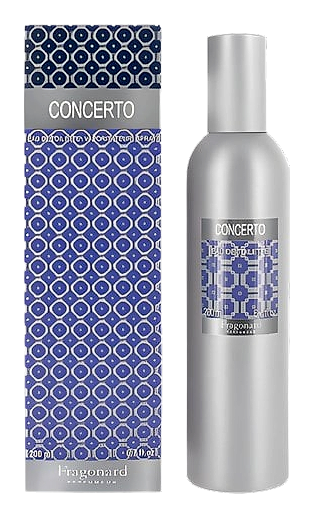


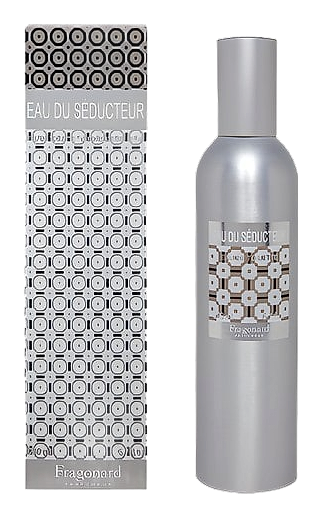
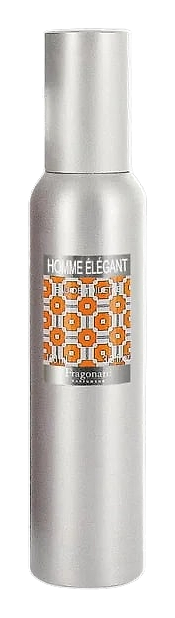
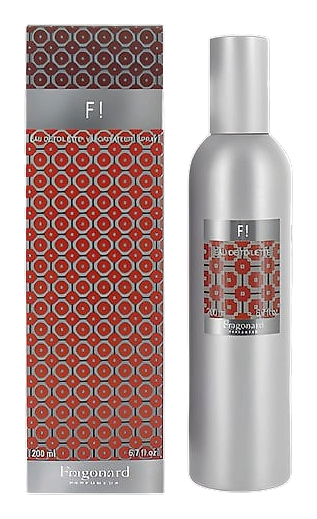



The Heritage
The Story of Fragonard
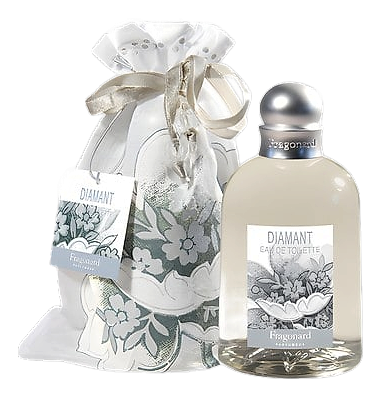
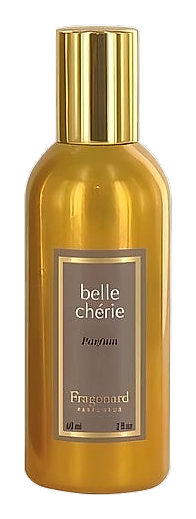
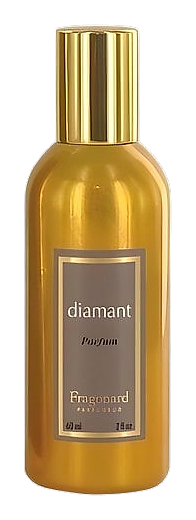
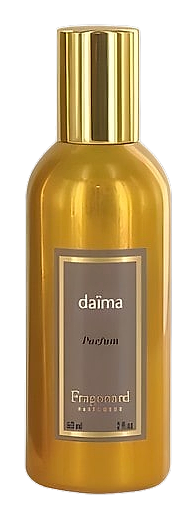
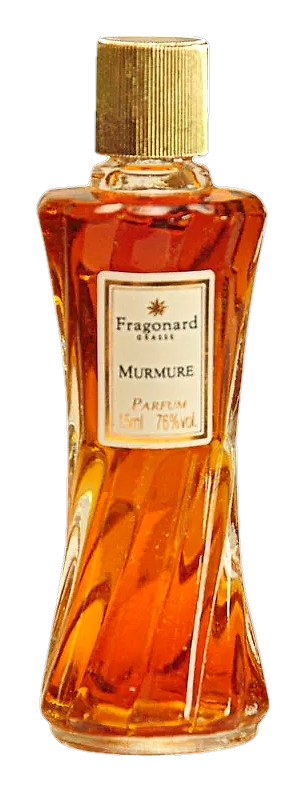
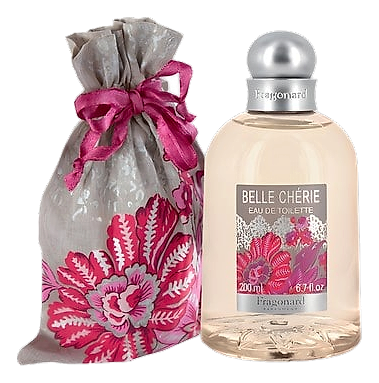
Fragonard is a family‑run perfume house rooted in Grasse, the historic heart of French fragrance. Since 1926 the house has offered a steady stream of scents that balance classic French ingredients with contemporary sensibilities. Notable releases include De Tout Coeur, the 2003 Murmure Parfum, Lilas (2024), Belle Chérie Parfum (2018) and its Eau de Parfum version (2019), as well as the 2006 Cologne Grand Luxe and the 2016 Diamant Parfum. The brand’s catalogue reflects four generations of perfumers who draw on the region’s jasmine, rose and citrus fields while maintaining a modest, artisanal profile.
Heritage
The story of Fragonard begins in 1926 when Eugène Fuchs opened a small perfumery on Boulevard de la République in Grasse. Fuchs, a pharmacist‑turned‑perfumer, combined his knowledge of chemistry with the town’s centuries‑old tradition of flower cultivation. Within a decade the workshop expanded to supply essential oils to larger houses, establishing a reputation for reliable, high‑quality raw materials. The business passed to Fuchs’s son, then grandson, and now the fourth generation, each adding modest innovations while preserving the original family ethos. In 1975 Jean‑François Costa, a descendant and avid collector, opened the Fragonard Perfume Museum, the first dedicated perfume museum in Grasse, showcasing historic bottles, distillation equipment and artworks that trace the evolution of scent. The museum’s collection includes rare 19th‑century flacons and documents that underline the house’s commitment to preserving perfumery heritage. Throughout the 20th century Fragonard remained a private, locally anchored operation, avoiding the mass‑market expansions that characterized many contemporaries. By the early 2000s the brand introduced a series of modern fragrances such as Cologne Grand Luxe (2006) and later the Belle Chérie line (2018‑2019), demonstrating an ability to translate classic French accords into contemporary formats. The house celebrated its 90th anniversary in 2016 with the release of Diamant Parfum, a scent that referenced the brand’s long‑standing relationship with the Grasse flower fields. Today, Fragonard continues to operate from its historic Grasse premises, where the family still oversees cultivation, extraction and blending, reinforcing a continuity that spans nearly a century of French perfume history.
Craftsmanship
Production at Fragonard begins with the careful selection of raw materials from farms that surround Grasse. The house maintains contracts with growers who practice low‑pesticide cultivation, ensuring that jasmine buds are harvested at peak anthesis and that citrus peels are cold‑pressed within hours of picking. Once harvested, botanicals undergo traditional extraction methods; jasmine and rose petals are processed through steam distillation, while certain delicate notes are captured via enfleurage on animal fat, a technique revived by the house to preserve nuance. The resulting essential oils are aged in stainless steel vats for periods ranging from weeks to months, allowing volatile compounds to stabilize. Blending takes place in the family workshop under the supervision of senior perfumers, who rely on both analytical tools and sensory evaluation. Each batch is tested for consistency using gas chromatography, a practice introduced in the 1990s to complement the house’s sensory standards. Quality control includes blind panel reviews, where independent judges assess balance, projection and longevity. Bottling occurs on site, with glass containers sourced from French manufacturers that meet strict criteria for clarity and weight. The final product is sealed with cork or screw caps that have been tested for airtightness, and each bottle is hand‑checked before packaging. Throughout the process, Fragonard records detailed batch logs, enabling traceability from field to fragrance, a practice that aligns with contemporary expectations for sustainability and authenticity.
Design Language
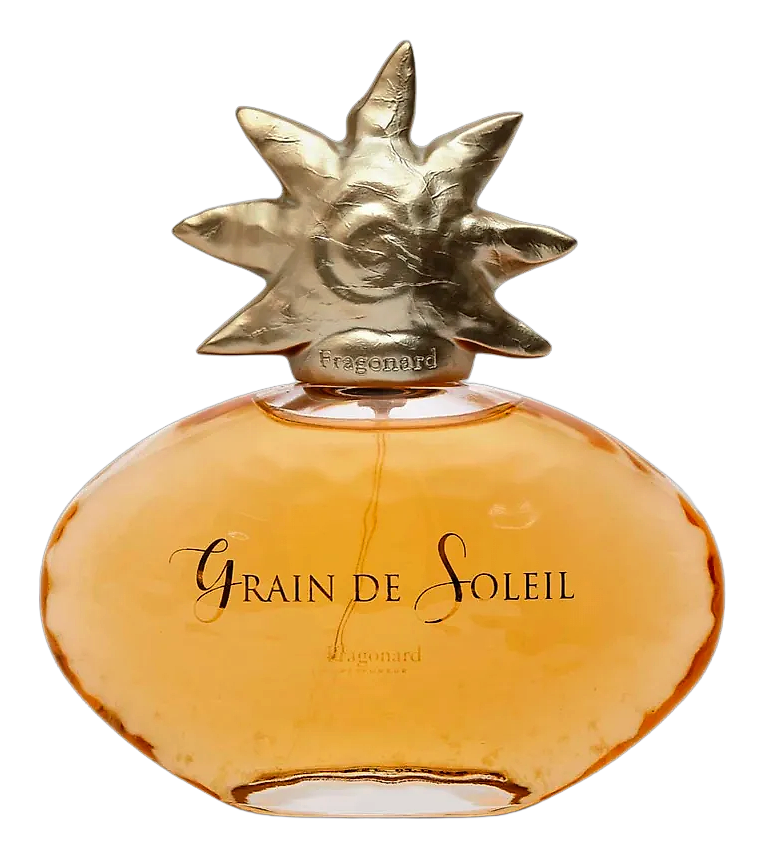
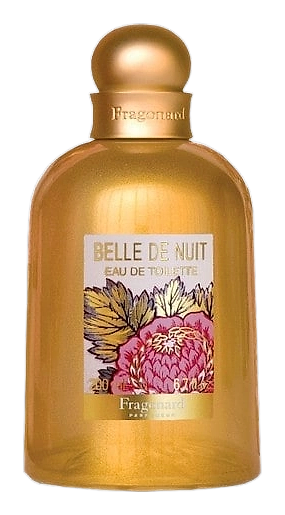
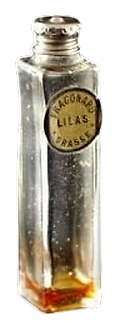
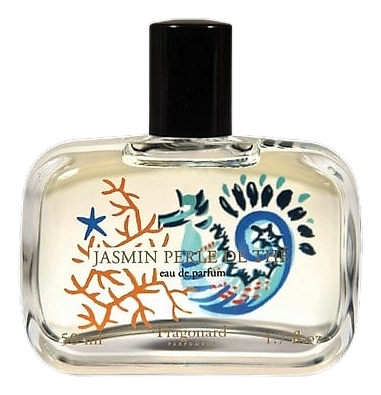
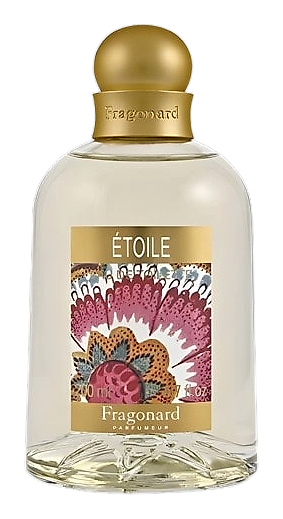
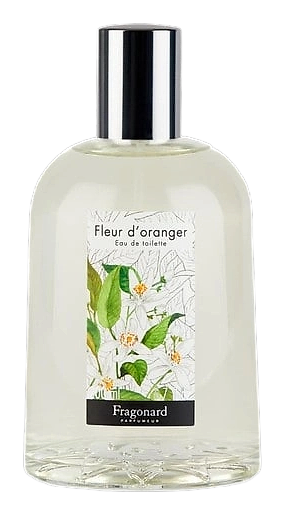
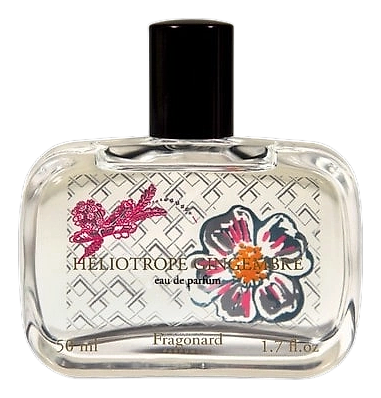
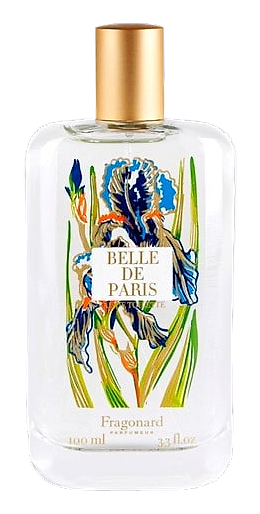
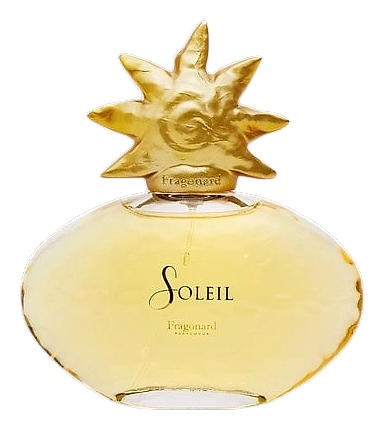
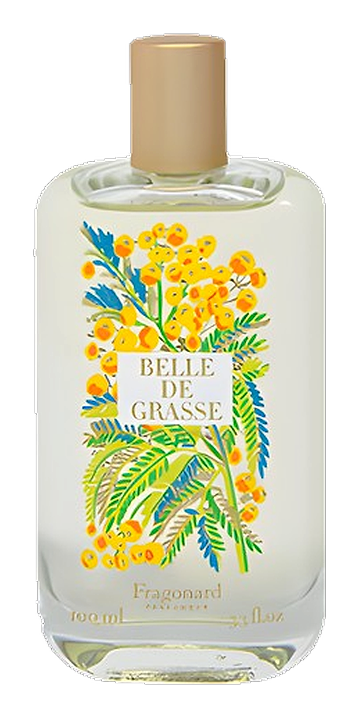
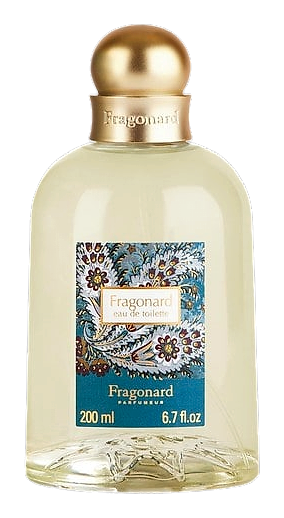
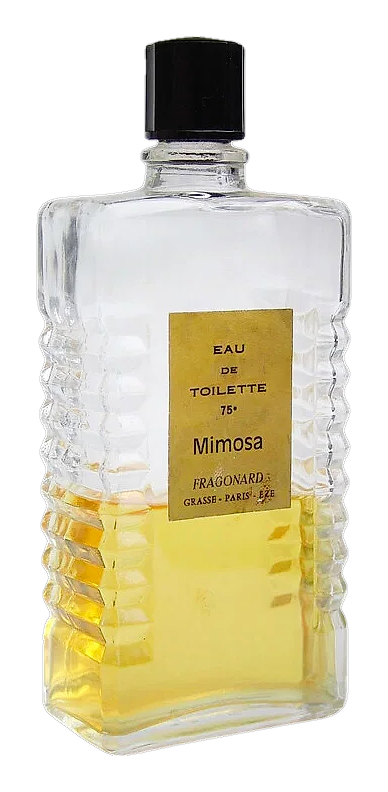
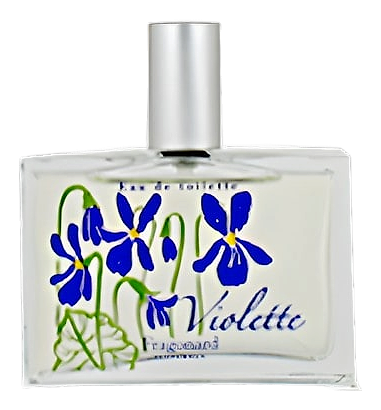
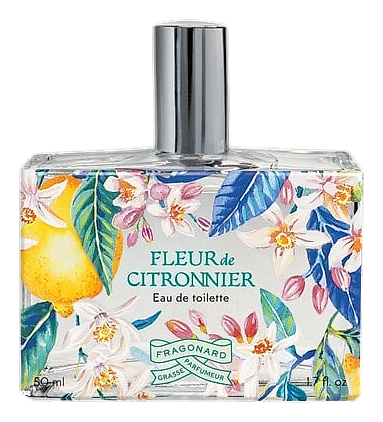
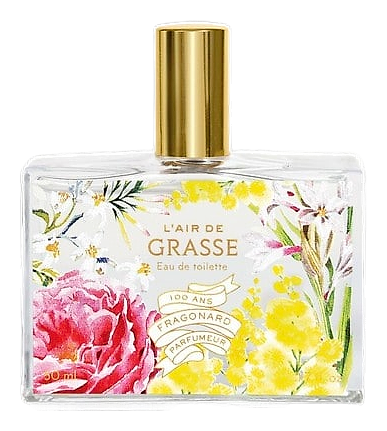
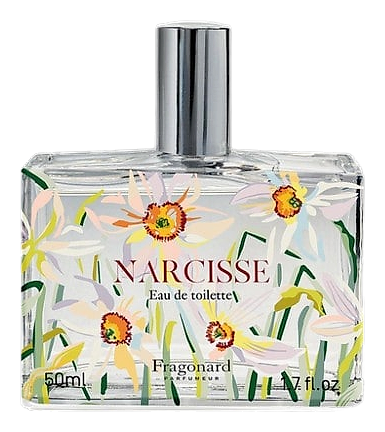
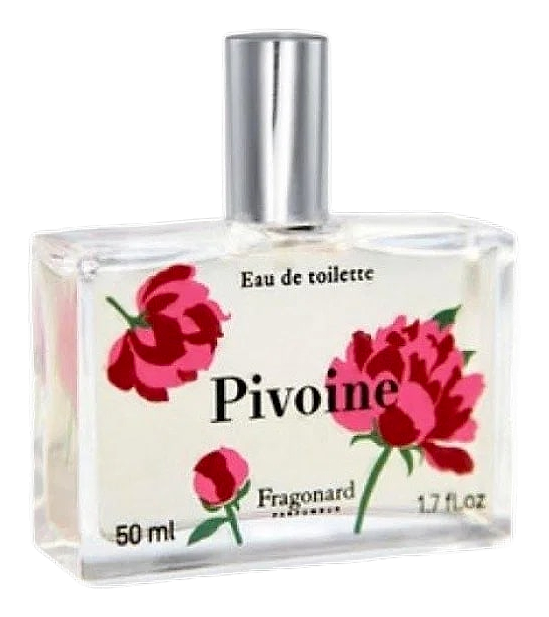
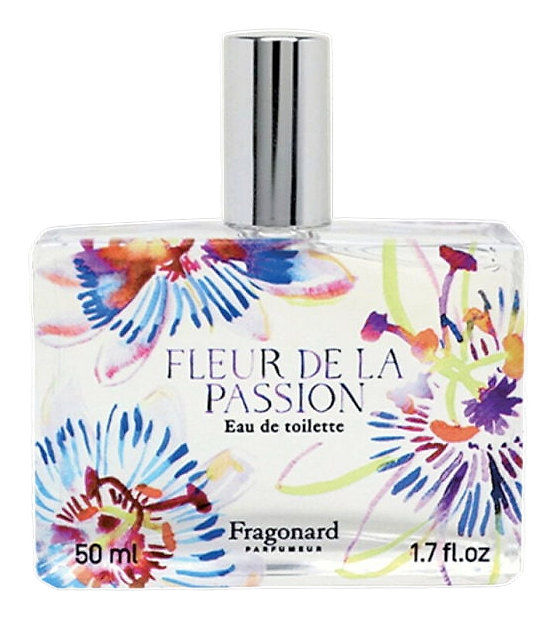
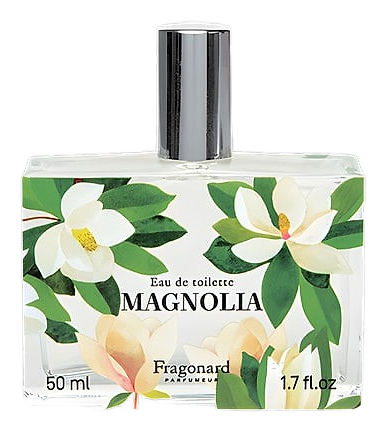
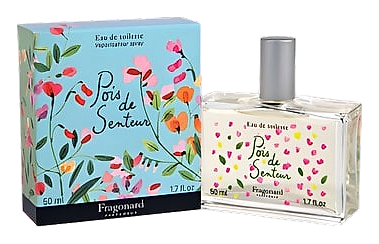
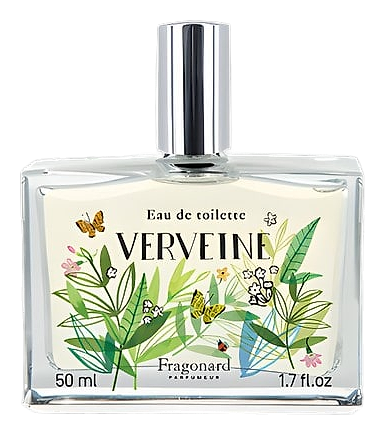
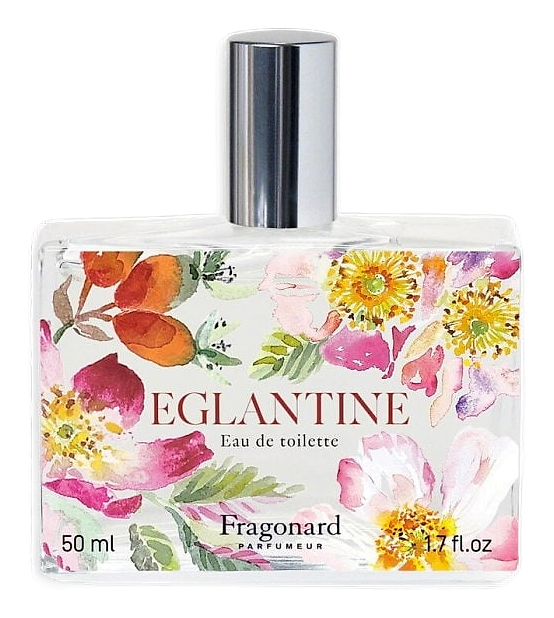
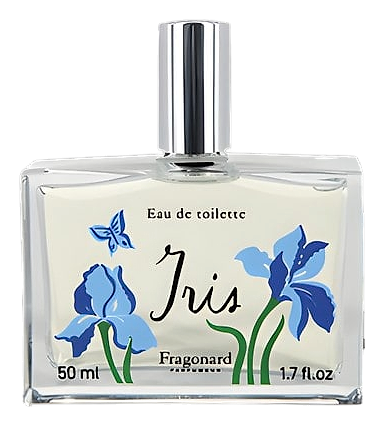
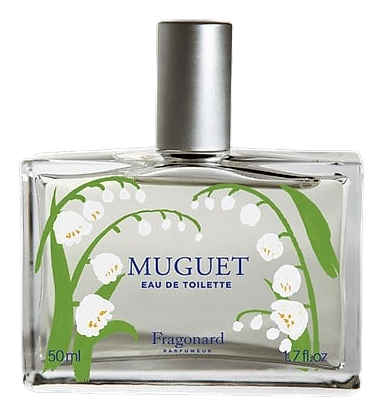
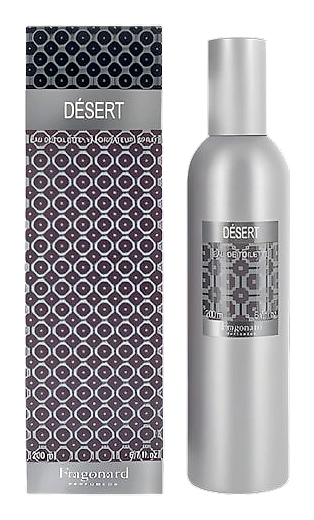
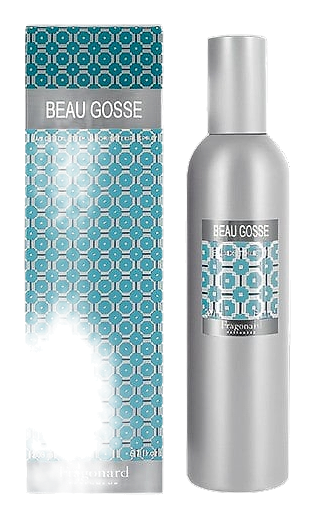
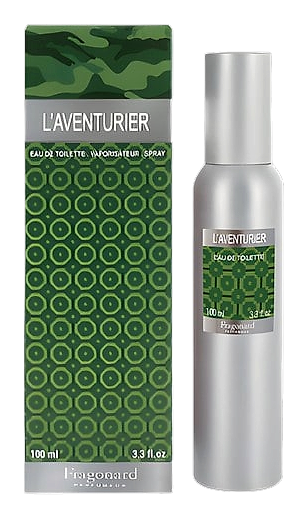
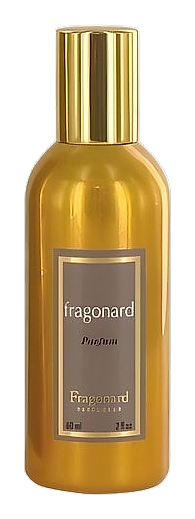
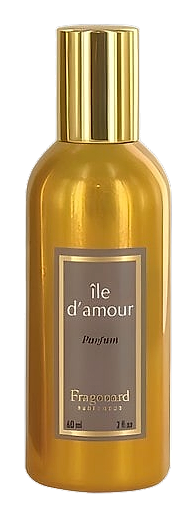
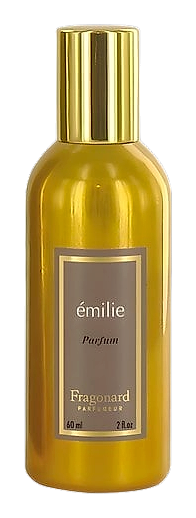
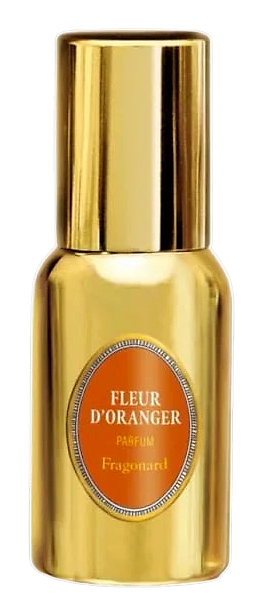
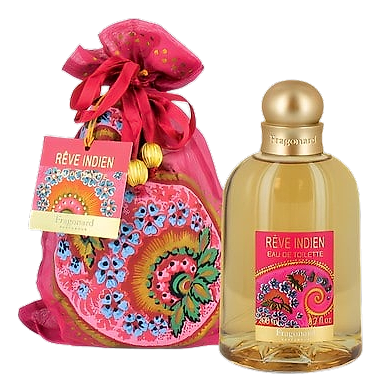
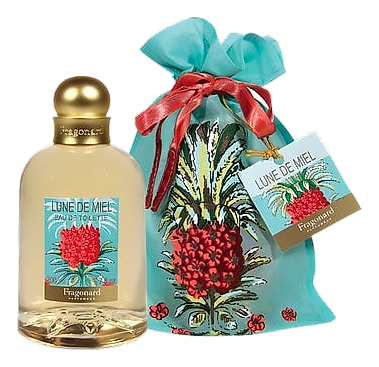
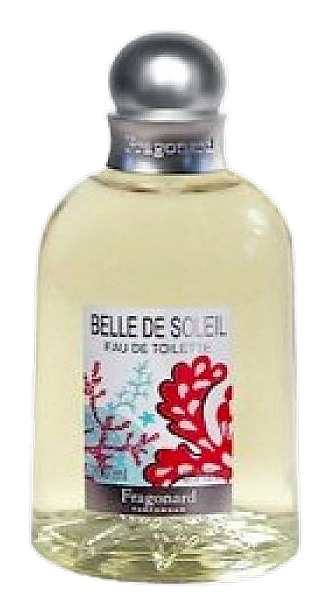
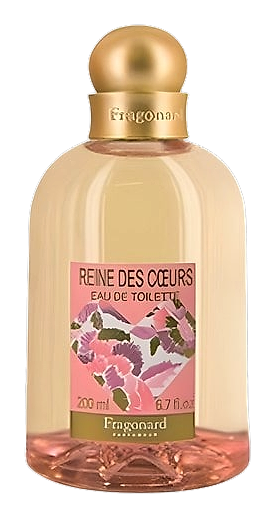
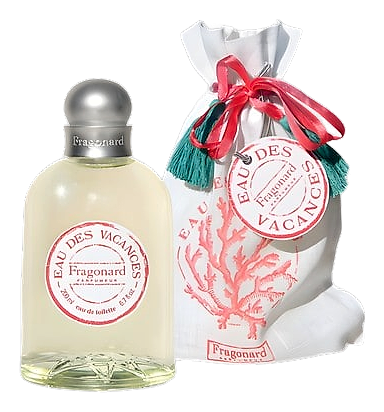
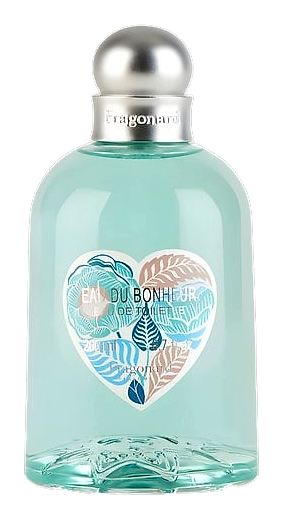
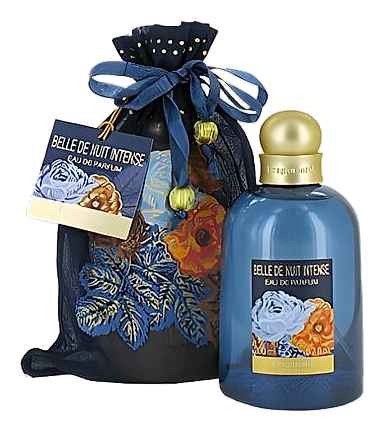
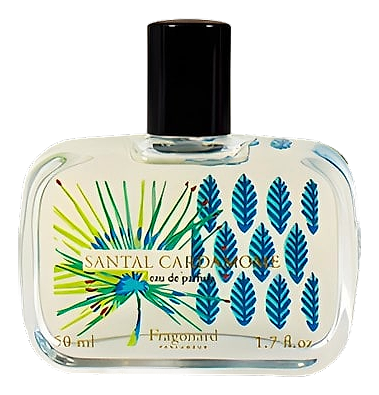
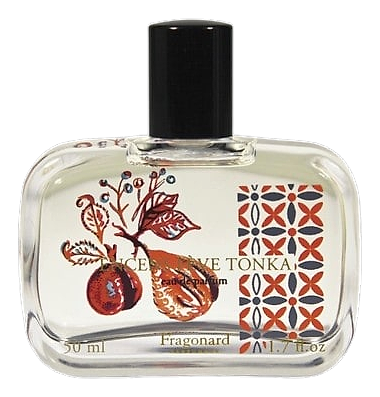
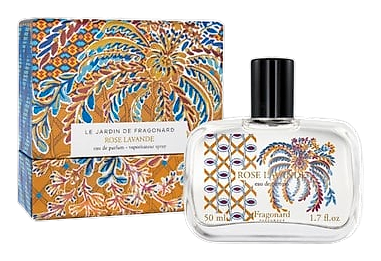
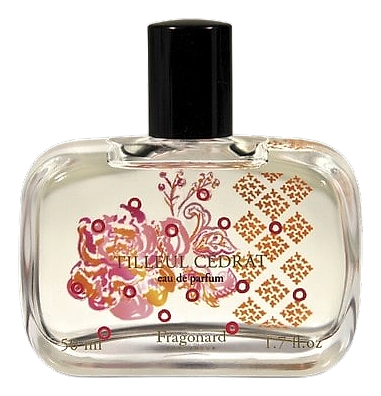
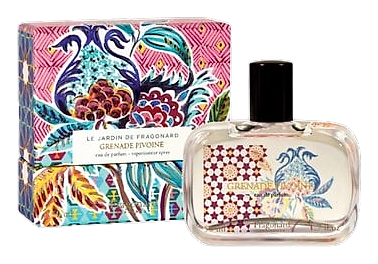
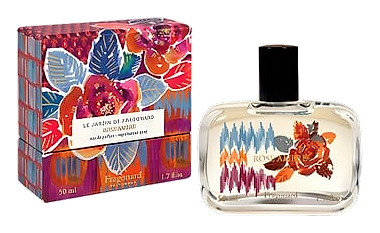
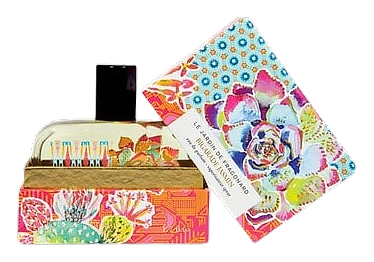
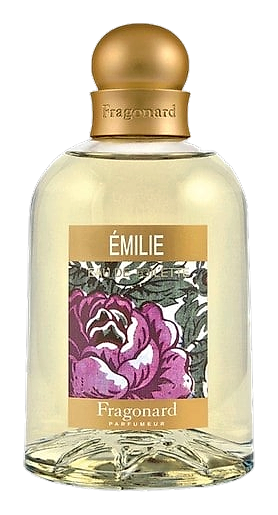
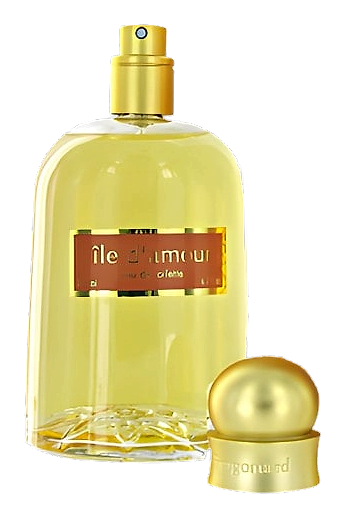
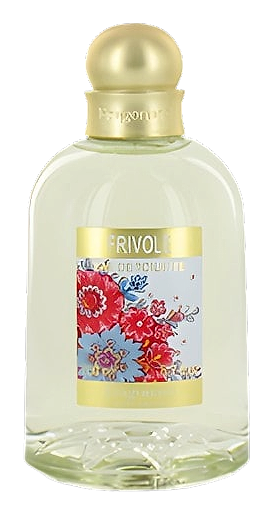
Visually, Fragonard presents a restrained elegance that mirrors its heritage. Bottle designs favor clean lines, clear glass, and subtle embossing that hints at the scent’s character without overwhelming the eye. Early fragrances such as Zizanie (1932) featured simple amber‑tinted flacons, while later releases like Lilas (2024) introduced pastel‑hued caps that reference the flower’s hue. The brand’s typography employs a classic serif typeface, often paired with handwritten script for limited editions, reinforcing the artisanal narrative. Packaging colors draw from the natural palette of Grasse’s fields—soft greens, warm yellows, and muted lavenders—while promotional imagery frequently showcases the surrounding lavender rows, jasmine trellises, and the historic perfumery façade. The Fragonard Perfume Museum, housed in a 19th‑century building near the Opéra Garnier, extends this aesthetic, displaying artifacts in period‑appropriate vitrines and using subdued lighting that highlights the texture of antique bottles. Across its retail spaces, the brand favors wood‑finished counters, vintage scent strips, and modest signage, creating an environment that feels both timeless and approachable. This visual language reinforces the house’s commitment to authenticity and to a sensory experience that begins before the perfume touches the skin.
Philosophy
Fragonard’s creative vision rests on a respect for the natural cycles of the Grasse region and a belief that perfume should evoke memory without excess. The house emphasizes transparency in ingredient sourcing, preferring locally harvested jasmine, rose, and citrus over synthetics whenever possible. Its values include stewardship of the surrounding flower fields, support for small‑scale farmers, and the preservation of traditional distillation techniques such as steam and enfleurage. The brand approaches each new composition as a dialogue between the past and the present, allowing historic accords to inform modern structures while avoiding trends that compromise longevity. Fragonard also promotes an "art of living" perspective, encouraging consumers to view fragrance as a daily ritual that connects personal moments to the broader cultural heritage of French perfumery. This philosophy is reflected in the way the house documents each scent’s provenance, often linking a fragrance to a specific harvest season or regional bloom, thereby grounding the olfactory experience in tangible place and time.
Key Milestones
1926
Eugène Fuchs founds Parfumerie Fragonard in Grasse, establishing a family workshop focused on essential‑oil production.
1932
Launch of Zizanie, one of the house’s early signature fragrances, marking its entry into the consumer market.
1975
Jean‑François Costa opens the Fragonard Perfume Museum, the first dedicated perfume museum in Grasse.
2006
Introduction of Cologne Grand Luxe, a modern reinterpretation of classic French cologne structures.
2018
Release of Belle Chérie Parfum, expanding the brand’s contemporary portfolio.
2019
Belle Chérie Eau de Parfum debuts, followed by the launch of Emilie Parfum, reflecting a renewed focus on floral narratives.
At a Glance
Brand profile snapshot
Origin
France
Founded
1926
Heritage
100
Years active
Collection
6
Fragrances released
Avg Rating
4.2
Community sentiment
Release Rhythm


