Burnt oil
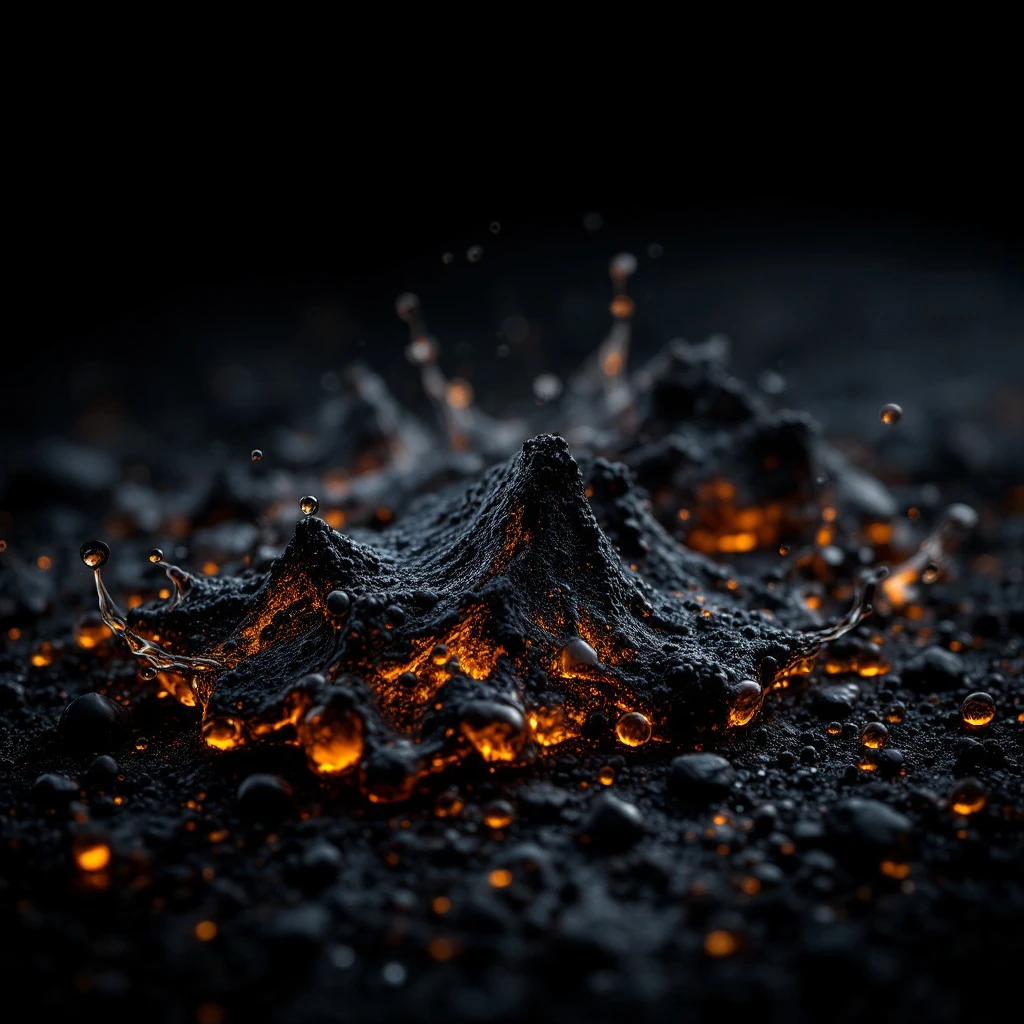
A raw, primal note that evokes scorched wood, diesel, and fire. Used sparingly, it creates depth and a magnetic edge that lingers on the skin.
Character
How it smells
The memory of fire, captured in a bottle.
Swedish birch tar production is so culturally significant that it holds a Protected Designation of Origin in the EU.





Origin
Finland
Birch tar has served humanity for thousands of years, functioning as a waterproofing agent for boats and fishing equipment long before it became a perfumery material. Scandinavian and Baltic cultures developed extensive tar production industries during the Viking Age, with pine and birch tars serving as critical maritime preservation substances. Physicians documented birch tar's antiseptic properties in early medical texts.
The material entered Western perfumery during the nineteenth century when systematic fragrance ingredient sourcing began, becoming a secret weapon in masculine and leather fragrance formulations. Its characteristic smoky, burnt quality evokes ancient campfires and the origins of aromatic craft, connecting modern perfumery to the earliest human interactions with fire and smoke.
Wears it best
Fragrances featuring Burnt oil
Brands
Brands known for Burnt oil
Good to know
Questions, answered
The essentials on Burnt oil in perfumery: how it smells, where it comes from, and how it behaves on skin.
What does burnt oil smell like in perfume?
Burnt oil in perfumery typically produces smoky, carbon-like, and slightly acrid aromatic impressions. It evokes the scent of fire, scorched wood, diesel, or hot rubber. Rectified birch tar and cade oil are the primary natural sources, delivering a complex profile that includes leathery, ashy, and petroleum-like facets alongside the core burnt character.
Is burnt oil a natural or synthetic ingredient?
Burnt oil is almost always a natural material in fine fragrance. The most common source is rectified birch tar oil, produced by double dry distillation of birch wood. Synthetic aroma chemicals can approximate smoky, burnt qualities, but the depth and complexity of natural burnt oil notes remain difficult to replicate artificially.
Which fragrance families use burnt oil notes?
Burnt oil appears most frequently in leather, woody, and smoky fragrance families. It adds an assertive, masculine edge to chypres and orientals and provides raw depth to animalic compositions. Brands like Tom Ford and Serge Lutens use it prominently in signature fragrances. It works particularly well in autumn and winter scent profiles.
Is burnt oil safe for skin application?
Rectified birch tar oil, the standard burnt oil material in perfumery, carries IFRA certification for safe cosmetic use when properly diluted. Typical usage concentrations range from 0.1 to 2 percent depending on the application. Unrectified crude tar materials are not used in fine fragrance due to potentially irritating compounds removed during the rectification process.
What other ingredients blend well with burnt oil?
Burnt oil harmonizes naturally with smoky materials like guaiacol and encens. It pairs beautifully with woods such as cedar and vetiver, creating contrast against fresh top notes like bergamot and cardamom. In oriental compositions, it anchors sweet base materials like benzoin and vanilla, adding textural depth and resonance.
How is burnt oil different from smoke or incense notes?
Burnt oil carries a more acrid, industrial character than clean smoke notes like the iso-e-super molecule. It reads as heavier and more textured, with petroleum and rubber facets that smoke or incense lack. Where incense suggests a temple or church, burnt oil suggests a garage or forge. This grittier quality makes it distinctive among smoky fragrance families.
Can I find burnt oil in natural perfumery?
Natural perfumers commonly use rectified birch tar and cade oil as burnt oil sources. Both materials come from certified natural processes and are available from specialist ingredient suppliers. Cade oil specifically originates from Juniperus oxycedrus wood through dry distillation in Mediterranean countries, offering a related but slightly different burnt character with increased bitterness and medicinal qualities.
What substitutes exist for burnt oil in fragrance creation?
Guaiacol, a phenol derivative, provides a cleaner smoky substitute at lower cost. Birch tar offers the most authentic burnt oil character. For synthetic approximation, isobutylquinoline and certain pyridine derivatives can introduce leathery, burnt qualities. Blending these with vanilla or labdanum creates a softer, more accessible burnt oil effect for mass-market fragrance lines.