
The Story
Why it exists.
The beginning
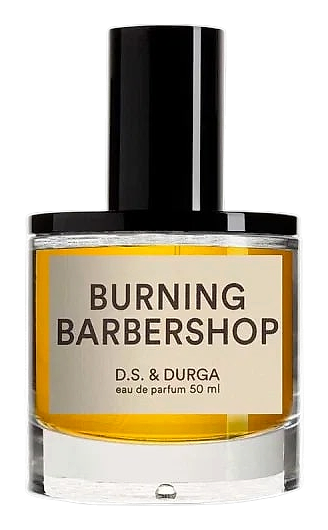
The name is the origin. A barbershop in Wastlake, New York, burned in 1891. All the tonics, spearmint, lime, vanilla, lavender, were ruined. But something about that fire transformed the formulas. The notes were still there, but altered in ways no one could have predicted. David Seth Moltz built Burning Barbershop around that accident. The composition mirrors what those ruined tonics became: cool herbs at the opening, florals that surface mid-drydown, and underneath it all, the smoky, vanillic warmth of something shaped by fire. It's a fragrance that captures the moment when familiar barbershop staples were irrevocably changed by heat and time, their character bent into something new and unexpected.
What makes this work is the tension between preservation and destruction. The barbershop notes, lavender, mint, vanilla, read as comfort, as nostalgia. But burnt oil shifts the register. It adds something acrid, almost industrial, that cuts through the sweetness. Hay does what hay always does in fougère compositions: it grounds the airiness with a dry, dusty weight. Together, these materials recreate the accident. The tonics weren't just burned, they were transformed. And the vanilla in the base doesn't soften the smoke. It holds it, the way amber holds light.
The evolution
The opening hits like opening a medicine cabinet in a room that's already on fire. Sharp, green, medicinal, hemlock fir and mint declaring themselves before anything else can get a word in. For the first twenty minutes, it's all cool herbs. The lime adds brightness but doesn't sweeten. This is bracing. Then the florals arrive, but they don't announce themselves. Turkish rose and tuberose slip in quietly, adding a waxy richness that tempers the green sharpness without replacing it. The lavender absolute is the connective tissue, it was always the point of a barbershop, and it's the point here too. The drydown is where the story settles. Burnt oil takes over, but it's not aggressive, it's diffuse, like smoke that's been in a room for hours. Hay adds texture, a dry whisper underneath the sweetness.
Cultural impact
Burning Barbershop occupies a specific corner of the niche market: the fougère that refuses to be polite. It has a devoted following among collectors who seek out D.S. & Durga's more narrative-driven compositions. This one takes the genre's hay-lavender-vanilla structure and adds the burnt, smoky element that makes it impossible to mistake for anything else. It's the kind of fragrance that sparks conversation because it tells a story before you even smell it. The smoke doesn't dominate, it weaves through the traditional barbershop notes like a thread of something darker, something that remembers the fire that gave it birth.