The Story
Why it exists.
The beginning
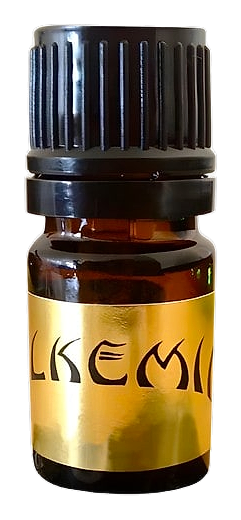
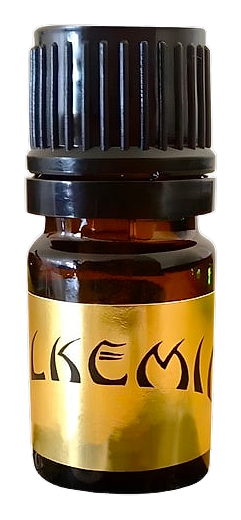
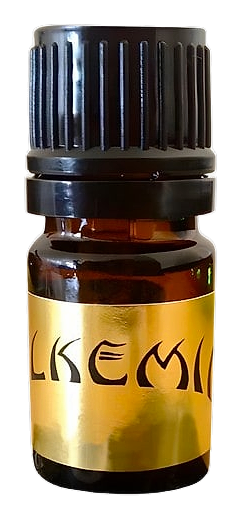
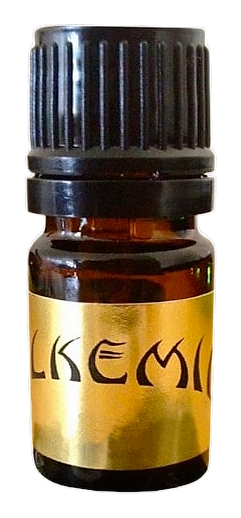
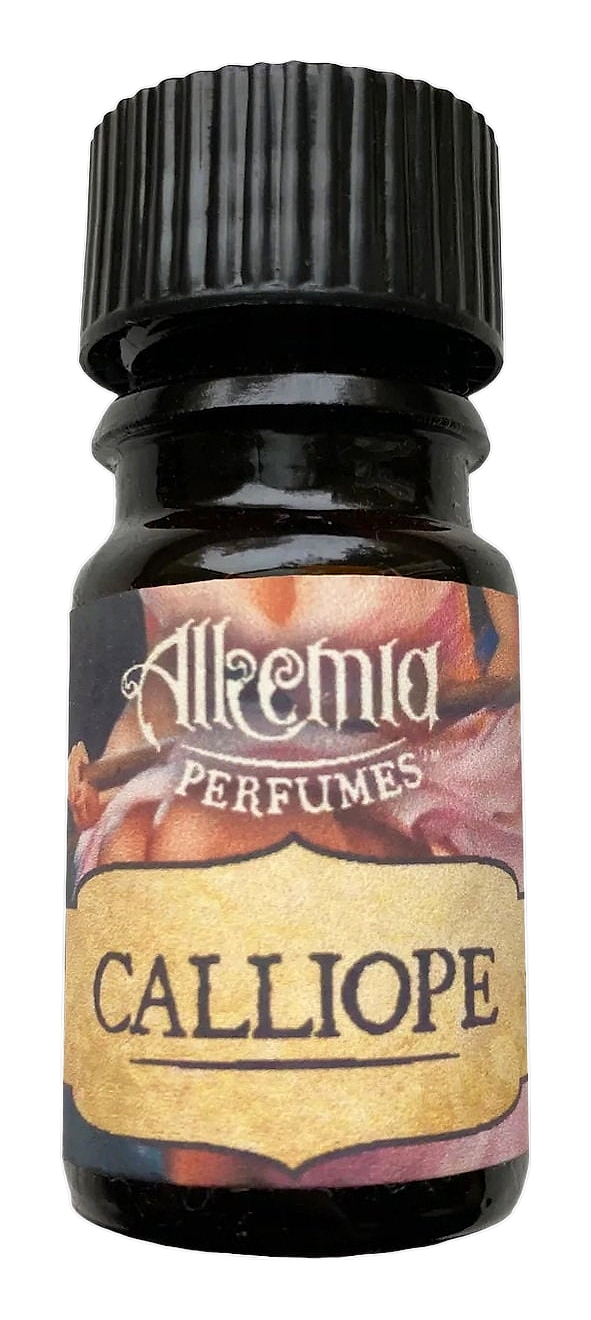
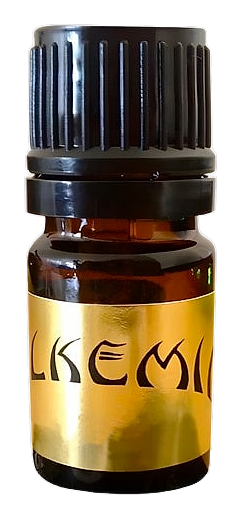
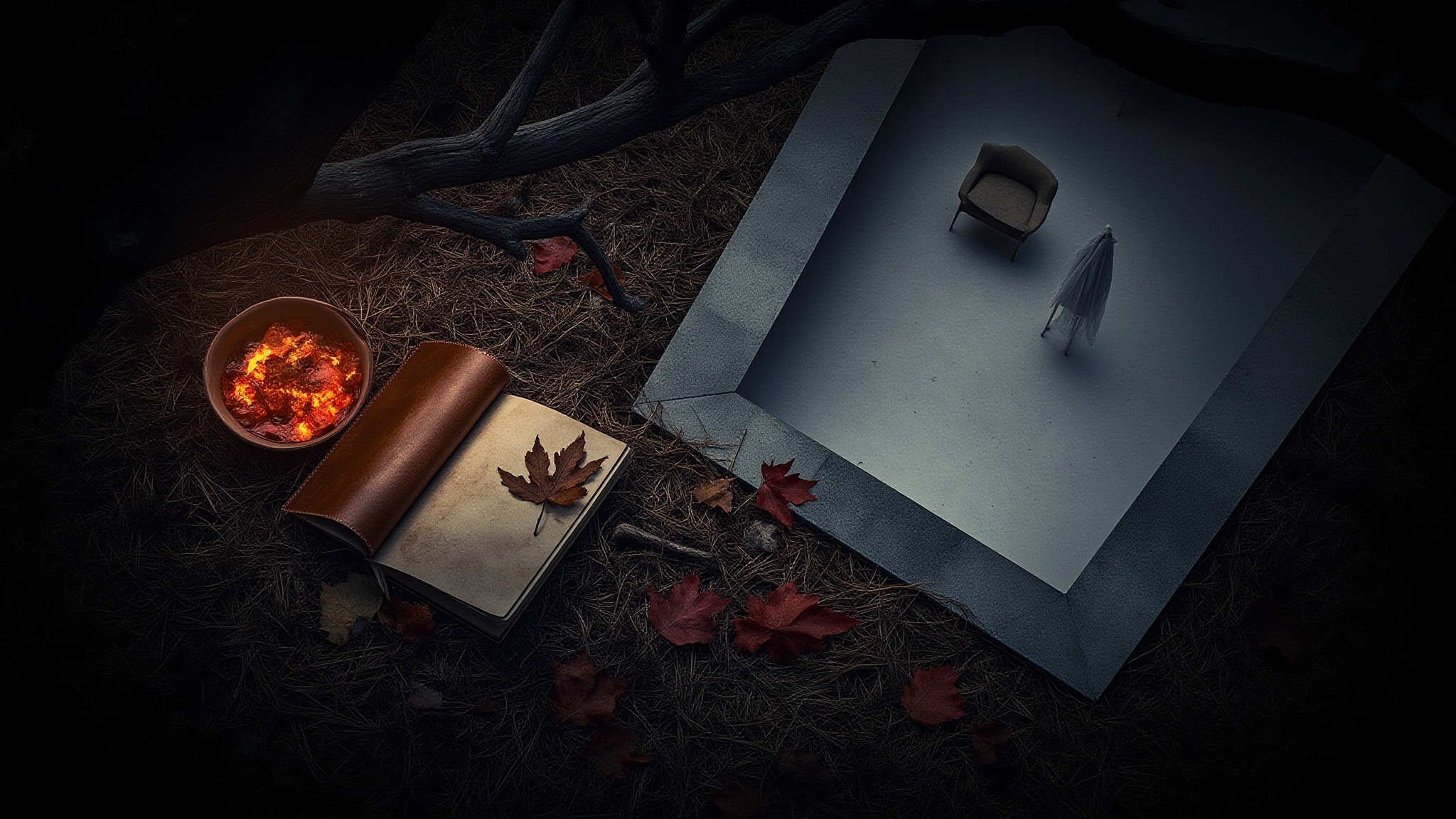
Season of the Witch arrived in 2018 from Alkemia's Oregon studio, released only during the autumn months when the veil between seasons thins. Perfumer Sharra Lamoureaux built this around ritual, specifically the Samhain incense traditions that mark the Celtic new year, that October moment when darkness takes the wheel and the year prepares to begin again. The name is not metaphor. The fragrance was conceived as a seasonal event, not a year-round staple, something to reach for when October arrives and the air turns cold enough to justify the dark.
What makes this composition interesting is the tension between sweetness and decay. Cavendish and Perique tobacco bring a candied, almost honeyed depth, but they're anchored by hemlock fir and pine resin, materials that smell of sap, bark, and the forest floor after rain. Black amber adds warmth without softness. Black cardamom brings an almost savory edge that keeps the sweetness from becoming cozy. Incense and frankincense aren't background players, they're the structure the whole thing hangs on, smoke that reads as ritual rather than accident. The result is tobacco that doesn't smell like a gentleman's club. It smells like a ceremony.
The evolution
The opening hits with pine resin and black amber, cold and sharp for the first five minutes, the smell of resin warming on skin. Bay leaf arrives around minute ten, herbal and slightly bitter, cutting through the sweetness before the Cavendish tobacco fully blooms. The heart is where it gets interesting: incense and myrrh take over around the thirty-minute mark, and the fragrance shifts from forest-dark to something older, more ceremonial. Black cardamom lingers in the background, a quiet spiced warmth that keeps the smoke honest rather than sweet. The drydown is the payoff, black amber and myrrh settle close to the skin for hours, barely projecting but refusing to fully disappear. On fabric, it lingers into the next day, faint and ghost-like.
Cultural impact
Season of the Witch occupies a specific niche: the seasonal indie fragrance that never aimed for mass appeal. Released only during autumn months, it found its audience among collectors who tracked Alkemia's limited drops, and then it disappeared. The discontinuation gave it a second life in the resale market, where bottles now circulate among those who remember and those who've only heard. It's become a minor cult object, less because of marketing than because the people who wore it genuinely miss it.