Pine Resin
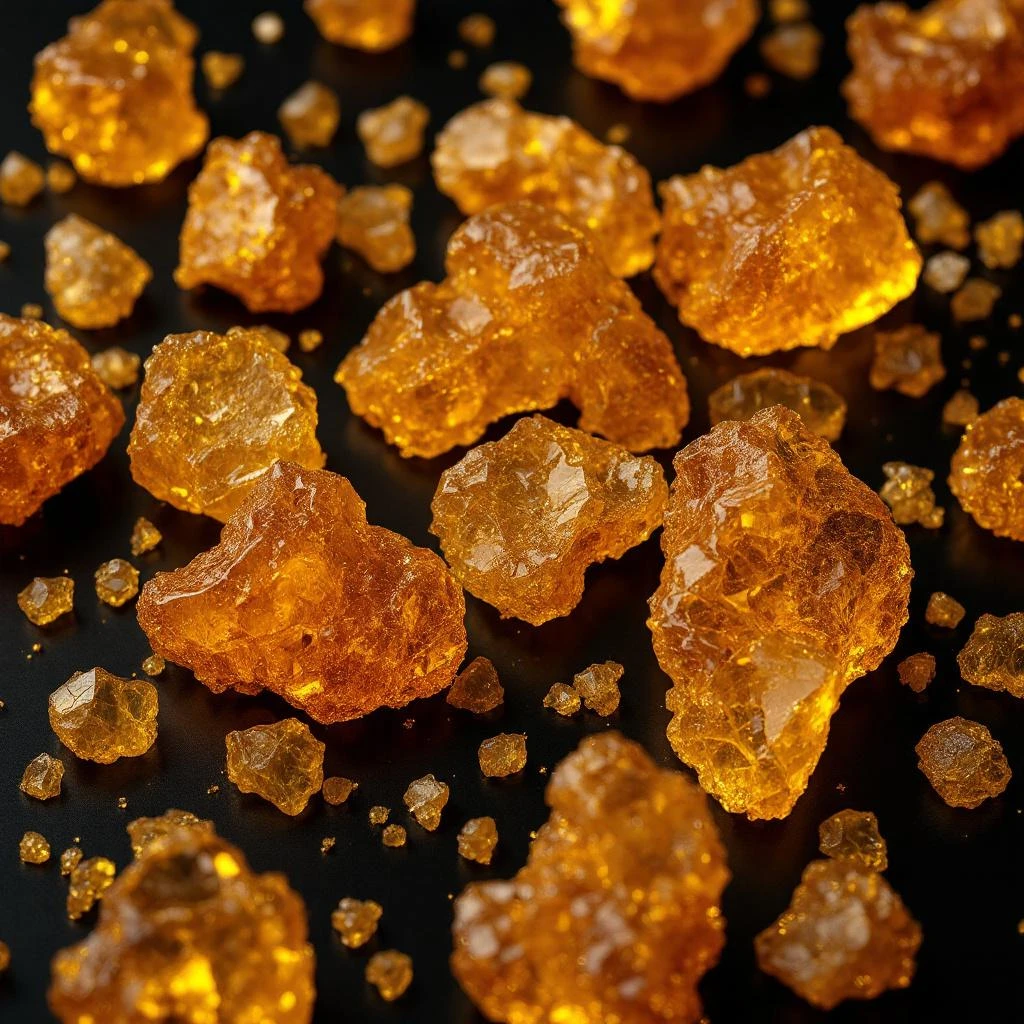
Pine resin delivers a crisp, forest-floor aroma that anchors fragrances with raw, evergreen depth. This ancient material brings together sharp, turpentine-like brightness with warm, balsamic undertones—a sensory link to forests and the resins that heal trees.
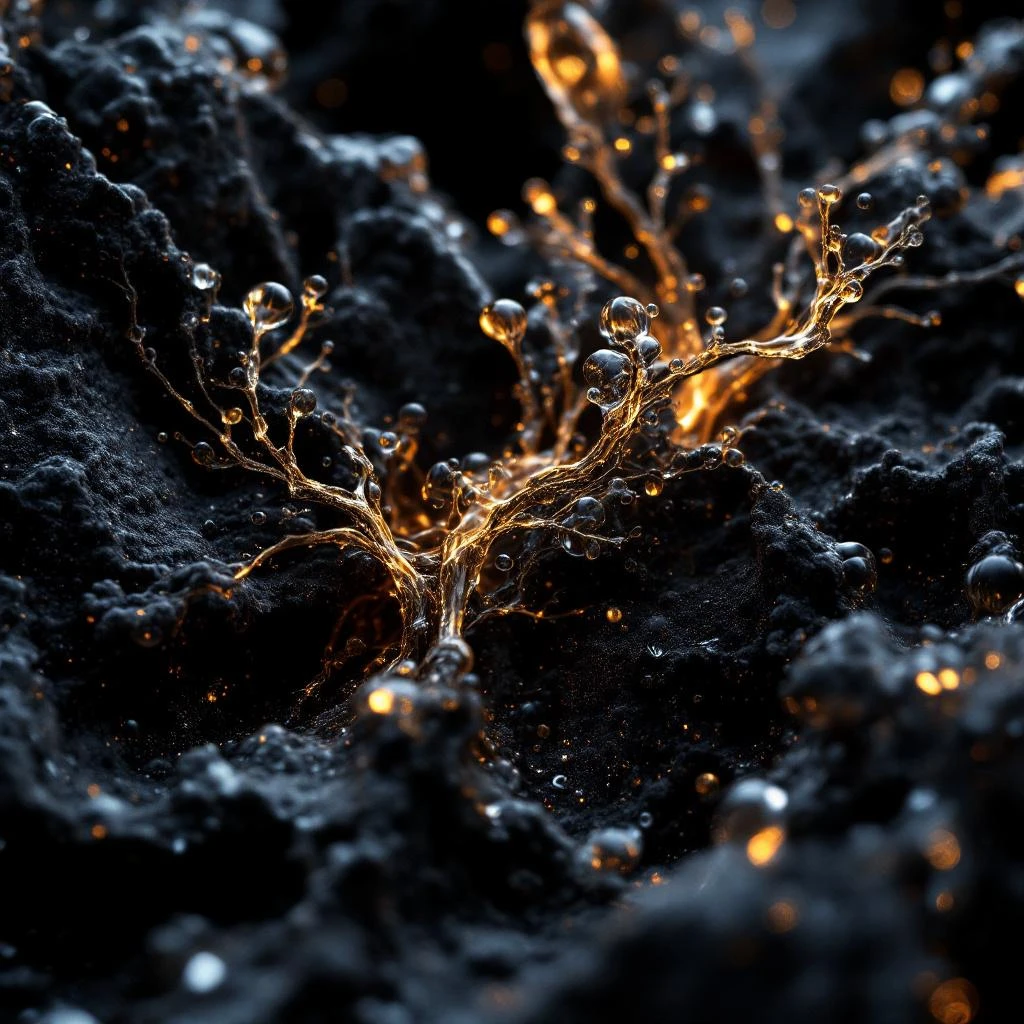
Character
How it smells
Raw evergreen depth with ancient forest resonance.
Pine resin acts as a natural fixative, slowing the evaporation of lighter fragrance molecules and extending wear time on skin.




Origin
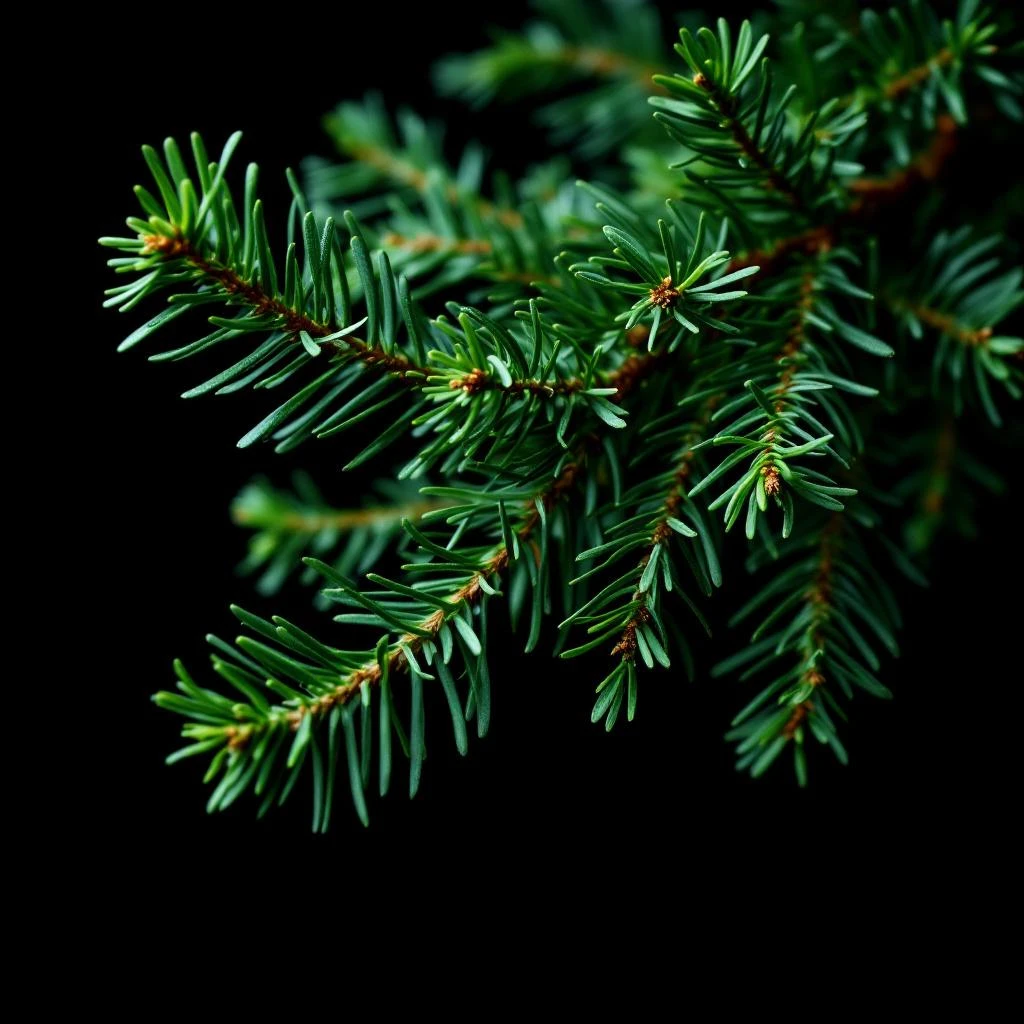
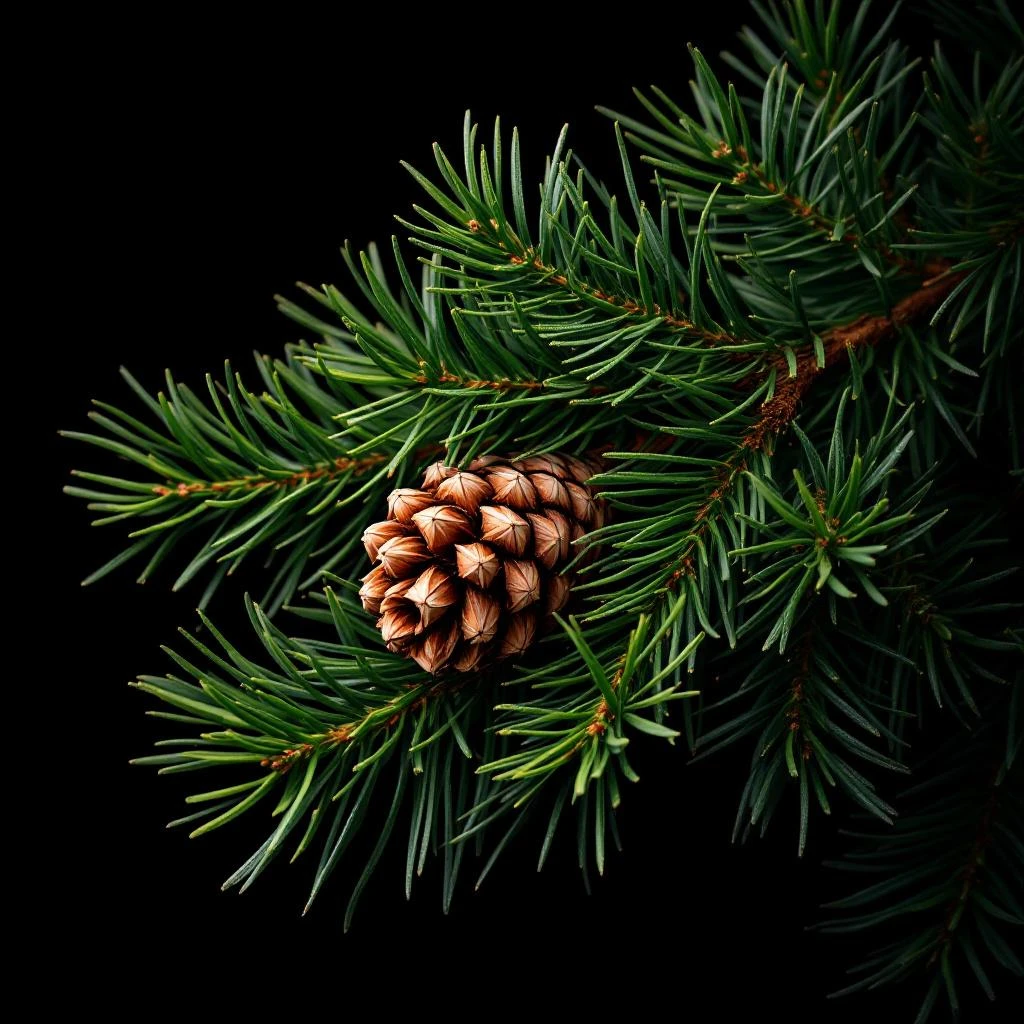
France
Pine resin ranks among the oldest aromatic materials in human history. The Egyptians incorporated pine into mummification rituals and perfumery as early as 2000 BCE. The Greeks used pine medicinally, burning it in temples and inhaling its vapors for therapeutic effect.
These ancient applications established pine as a foundational fragrance ingredient long before modern chemistry existed. The earliest known perfume factory, discovered in Pyrgos, Cyprus, dates to approximately 2000 BCE and likely worked with resinous materials including pine. The word perfume itself derives from the Latin per fumum, meaning through smoke, reflecting the ancient practice of burning aromatic resins in sacred and ritual contexts.
These layered histories positioned pine as a cornerstone aromatic substance, a status it retains today as perfumers continue to value its fixative and depth-building properties.
Wears it best
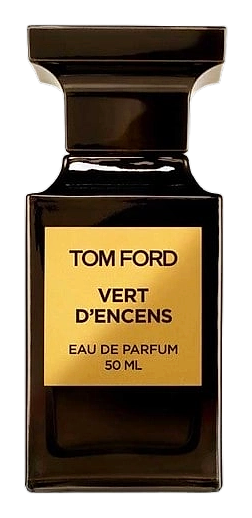
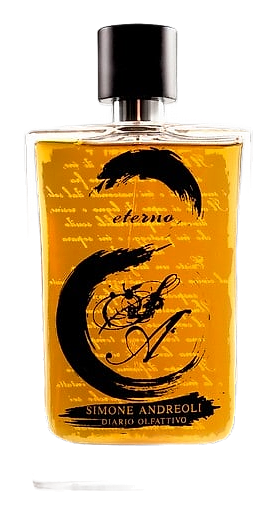
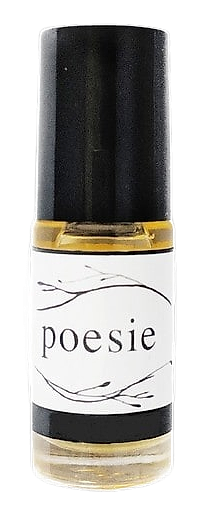
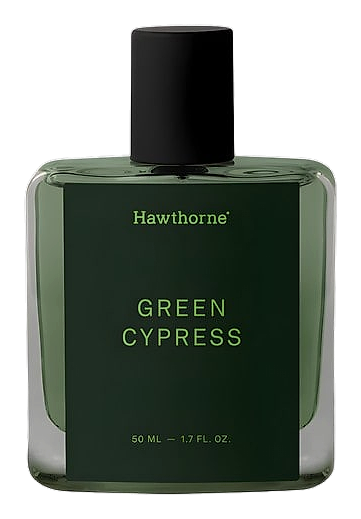
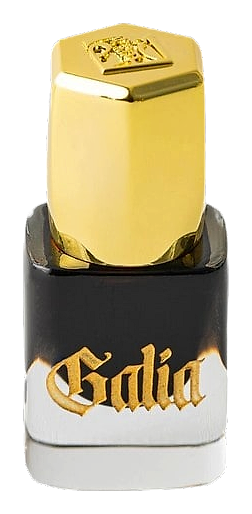
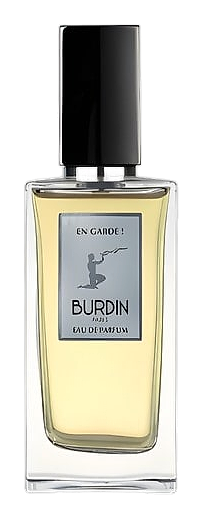
Fragrances featuring Pine Resin
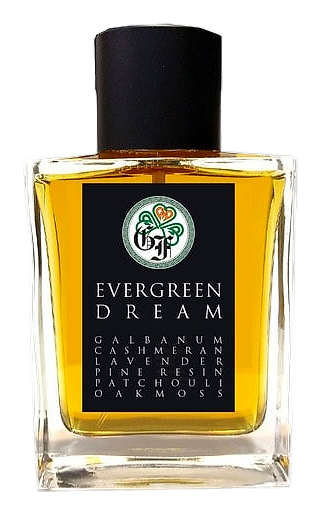
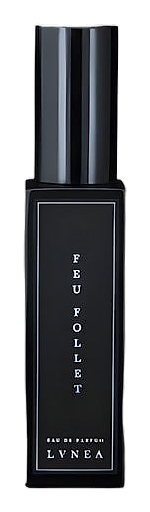
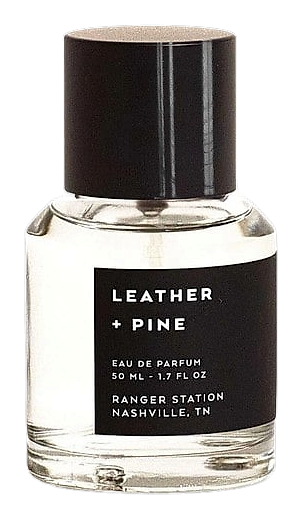
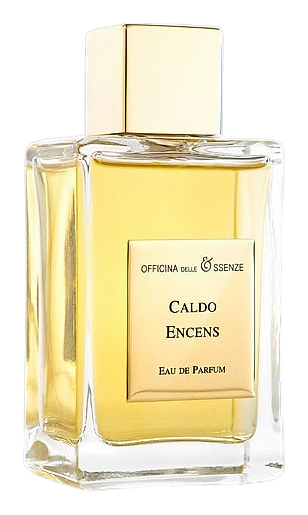
Brands
Brands known for Pine Resin
Good to know
Questions, answered
The essentials on Pine Resin in perfumery: how it smells, where it comes from, and how it behaves on skin.
What does pine resin smell like?
Pine resin opens with sharp, turpentine-like brightness dominated by alpha-pinene, then settles into warm, balsamic depth with subtle smoky undertones. The overall effect reads as crisp evergreen with a resinous, slightly medicinal quality that feels distinctly forest-forward.
How long has pine resin been used in perfumery?
Pine resin has been used since at least 2000 BCE. Ancient Egyptians incorporated it into mummification and perfumery, while Greeks used it medicinally in sacred rituals. These applications predate synthetic chemistry by millennia.
Is pine resin a natural fixative?
Yes. Pine pitch resin functions as a natural fixative in fragrance formulations. Its viscous composition slows the evaporation of more volatile芳香 compounds, helping fragrances maintain their character over extended wear.
What is the difference between pine essential oil and pine resin?
Pine essential oil comes from steam distilling the oleoresin, yielding a mobile liquid with bright, sharp aroma. Pine resin or pitch refers to the raw, unprocessed oleoresin or the material left after distillation, which is thicker and carries deeper smoky, balsamic qualities.
Where does pine resin for perfumery come from?
Production spans three continents. Europe and Asia rely primarily on Pinus sylvestris, while North American perfumery-grade material often derives from Pinus ponderosa or Pinus taeda. Regional climate and species determine final aromatic profile.
How is pine resin extracted?
Harvesters score the tree bark to wound it, allowing the oleoresin to weep out naturally over days or weeks. The collected resin is then steam distilled to isolate the essential oil, or used directly as pitch in solid perfume applications.
Can pine resin be synthetically replicated?
Individual aroma chemicals in pine, such as alpha-pinene and beta-pinene, are available as isolated synthetics. However, natural pine resin retains a complex, multi-layered profile that single molecules cannot fully replicate.
What types of fragrances use pine resin?
Pine resin appears in woody, chypre, fougere, and incense-focused compositions. It works particularly well in gender-neutral and masculine-leaning fragrances where evergreen realism or smoky, balsamic depth is desired.