The Story
Why it exists.
The beginning
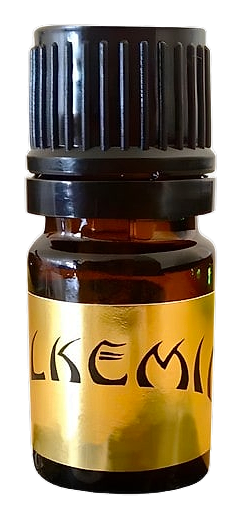
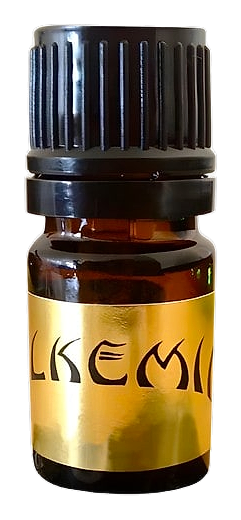
As Dark Things Are Meant To Be Loved was built around a provocation: what if the materials people avoid, smoked tea, black opium, resinous wood, what if those are the ones worth wanting? Sharra Lamoureaux chose lapsang souchong as the centerpiece, a tea that tastes like it was dried over pine fires, sharp and slightly medicinal. Then she built around it with ingredients Alkemia sources from distant corners: Amazonian breuzinho for its mineral resin depth, Moroccan bhakoor for a smoky incense quality that recalls centuries of ritual. The name is an invitation. The fragrance is the answer.
What makes this composition unusual isn't any single material, it's how they coexist. Lapsang souchong is aggressive, almost challenging in its smoky clarity. Black amber and patchouli add weight, a gravitational pull downward. But then coconut arrives to soften what could become harsh, and caramel adds a sweetness that feels earned rather than imposed. The opium doesn't announce itself, it arrives in the drydown as warmth, a body heat that lingers. Bakhoor and temple frankincense bring a ceremonial quality without tipping into literal incense territory. It's a composition that refuses to be one thing.
The evolution
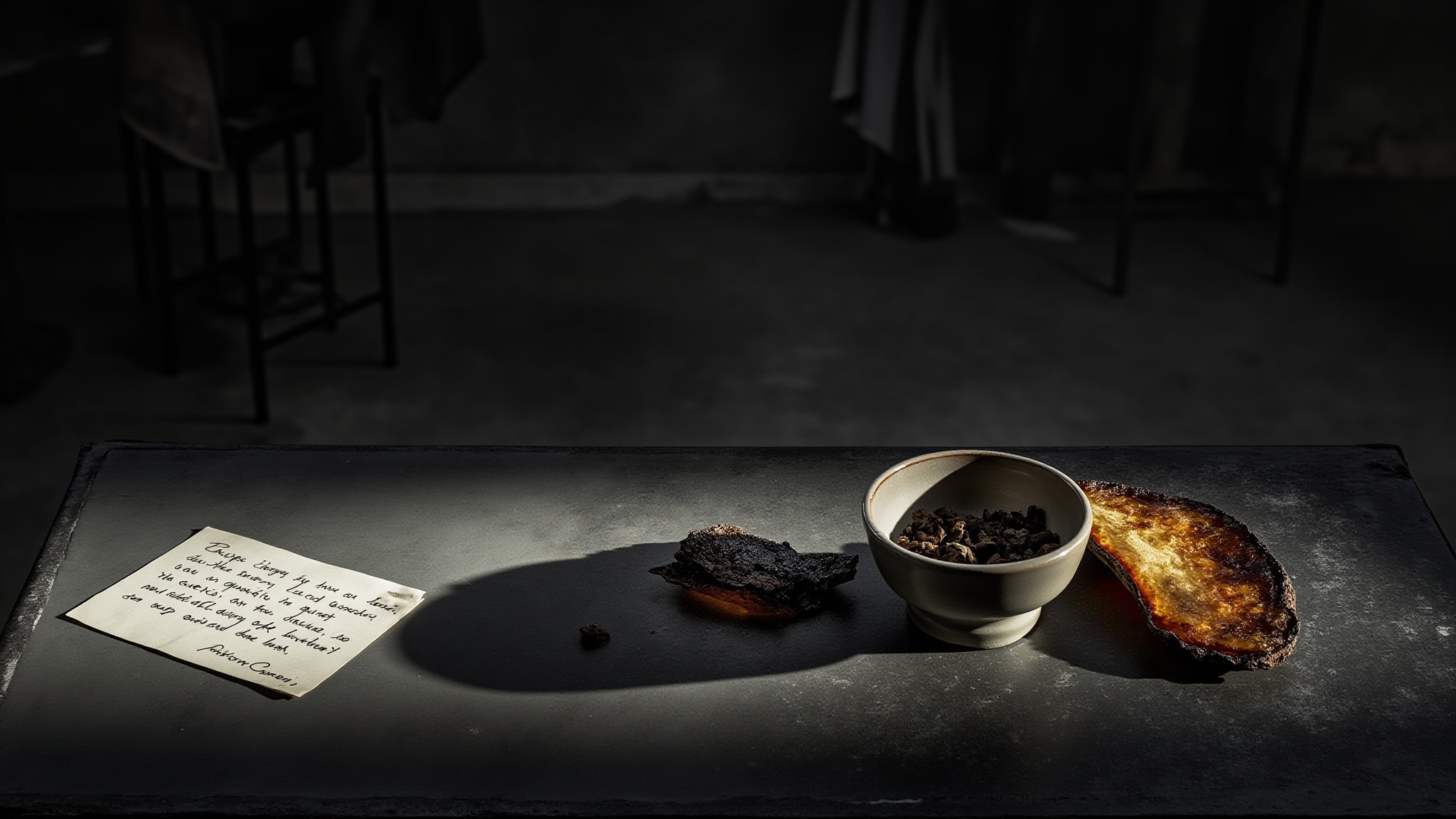
The first twenty minutes are all smoke. Not woodsmoke, the sharper, more medicinal smoke of lapsang souchong, the kind that smells like a pine forest on fire. Coffee surfaces quickly, bitter and dark, followed by black amber adding a resinous sweetness that cuts through the bitterness. The coconut doesn't arrive immediately, it hovers at the edges, softening the edges of the smoke. By the second hour, the tobacco leaf has emerged, adding a green, slightly dry quality that keeps the sweetness from becoming cloying. The incense note, Moroccan, temple, weaves through everything, never dominant but always present, like a thread running through the composition. In the drydown, tonka and Russian leather take over. The tonka adds a warm, slightly vanillic sweetness. The leather is subtle, more the smell of worn leather than actual leather, present but not loud. The opium shows up here, not as a literal note but as a warmth, a closeness that feels intimate rather than aggressive. This phase lasts.
Cultural impact
This fragrance has found its audience among indie fragrance enthusiasts who prize smoky, unconventional compositions. It occupies a specific corner of the niche market, not for those who want mainstream appeal, but for those who seek materials that challenge: lapsang souchong, opium, smoked resins. In a fragrance landscape that often rewards safety, this one asks something of its wearer.