
The Story
Why it exists.
The beginning
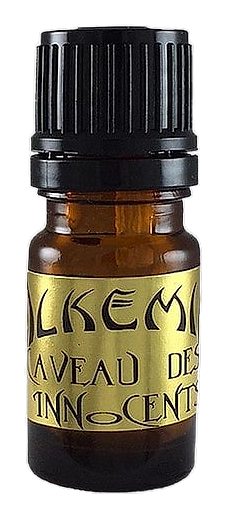
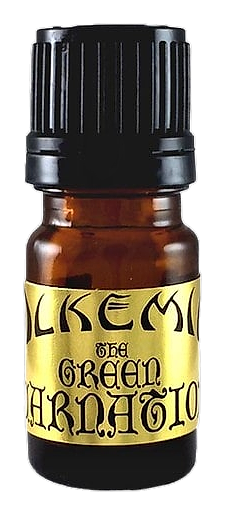
Green Carnation lives in Alkemia's Decadents Collection, a shelf of fragrances built for the unapologetically curious. The name itself is a callback to Oscar Wilde, who wore a green carnation as a provocation, a signal among a certain set. Alkemia took the symbol and ran with it, building a scent around what that flower actually smells like when you strip away the nostalgia and the powder-puff clichés. This is carnation as it exists in a garden at dusk, green-stemmed and slightly feral, before anyone got the idea to dry it and put it in a vase.
What makes Green Carnation unusual is how it treats a florist's flower as a material with edges. Carnation can read cheap, clove-y, headache-inducing, the note has a reputation problem. Here, the absinthe and bay rum cut through any sweetness, lending an herbal bitterness that keeps the carnation from ever going over the top. Patchouli doesn't try to fix the carnation; it amplifies its weirder qualities. The result is a carnation composition that smells like the actual flower in a way that designer florals rarely achieve, dewy green stems, not potpourri.
The evolution
Carnation opens first, unmistakably green, the smell of stems just cut and the flower still holding water. Dewy. Alive. Within minutes the absinthe arrives, and it doesn't apologize. Bittersweet, boozy, slightly medicinal, this is where most people either lean in or check out. The hand-off happens gradually: by the second hour, the boozy warmth and the carnation have found a rhythm, trading dominance the way the search results describe. The drydown belongs to the patchouli, eventually, not loud, but persistent. It stays close to the skin for hours, more earth than flower, the kind of base that lingers on a collar you forgot to check.
Cultural impact
Green Carnation occupies an unusual position in the indie fragrance landscape, a carnation-centric composition that refuses to be polite. Most modern carnation fragrances lean either gourmand or powdery-floral; this one leans into bitterness and greenness, borrowing from absinthe's herbal medicinal character and bay rum's warm spiced Caribbean base. It's a statement piece for the wearer who's chosen something deliberately, knowing full well it's not the obvious pick.