Cavendish Tobacco
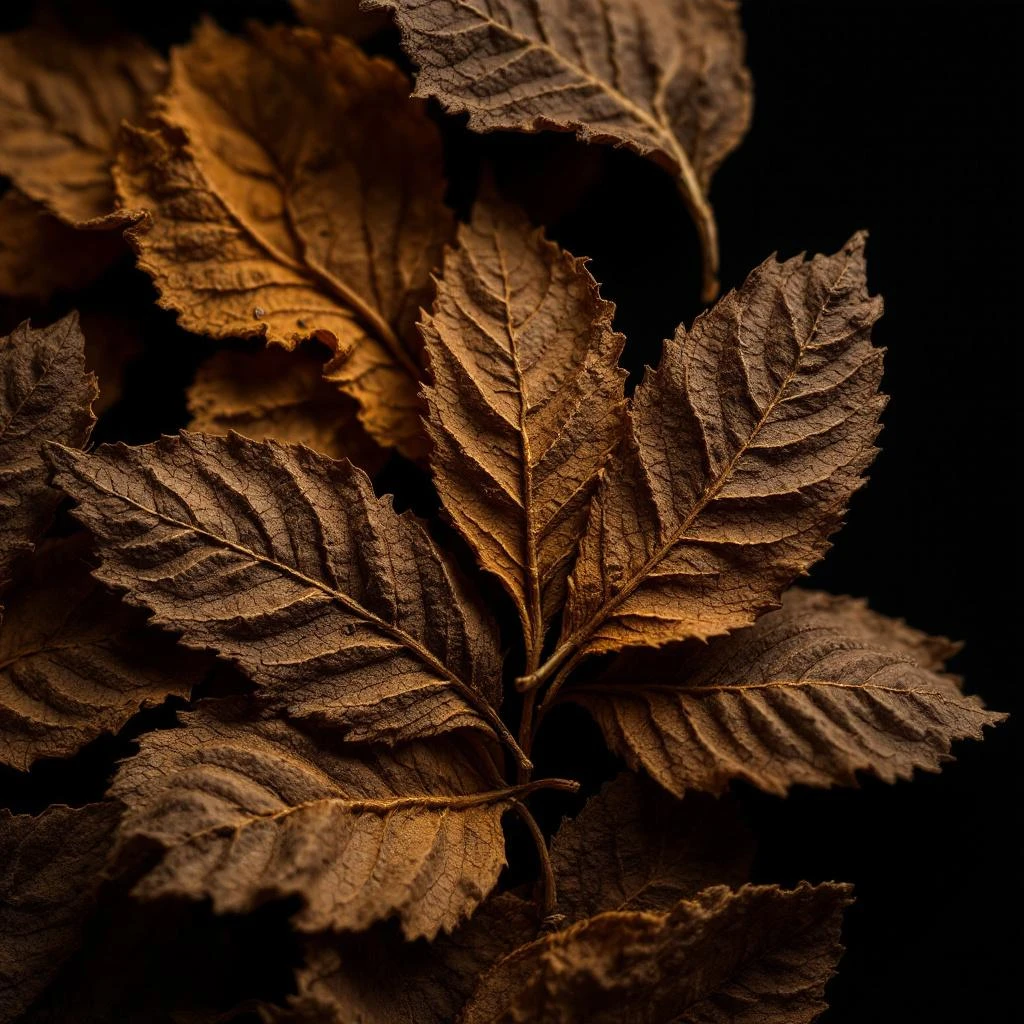
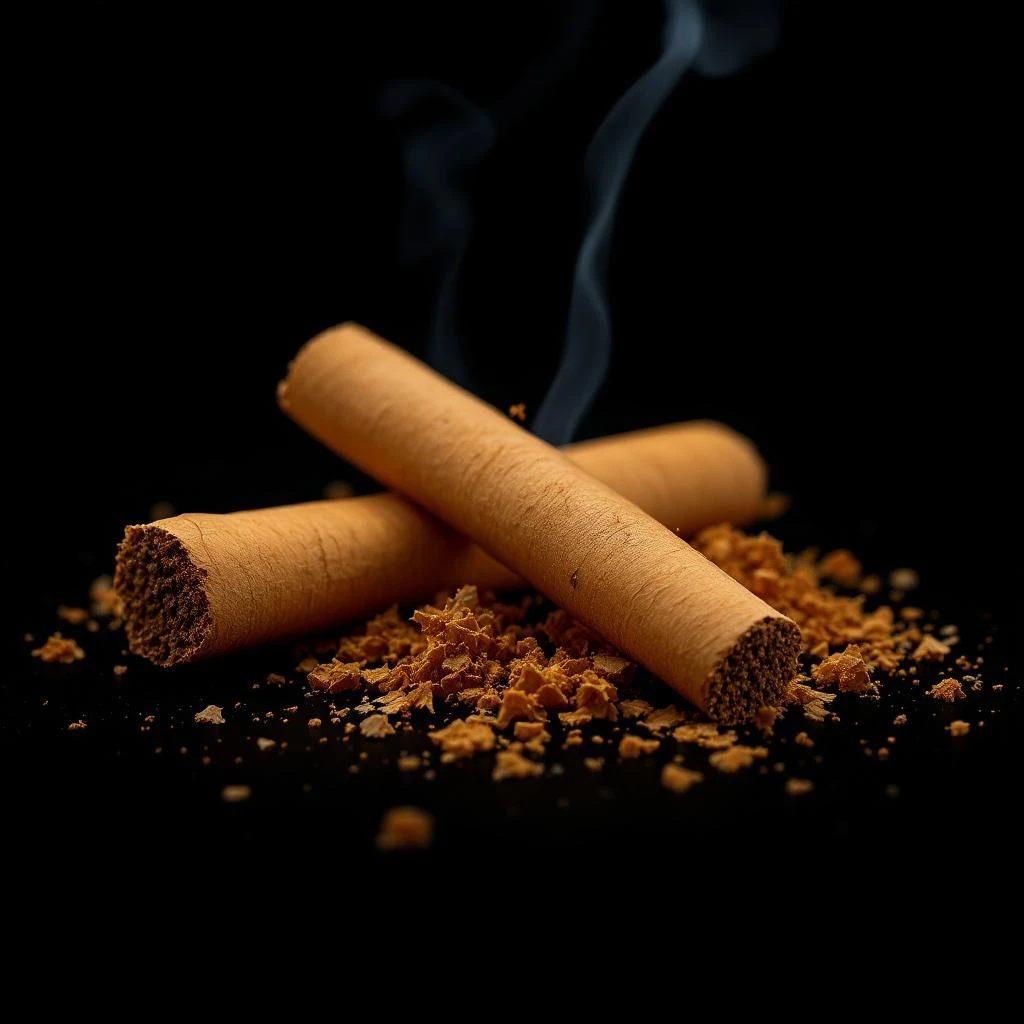
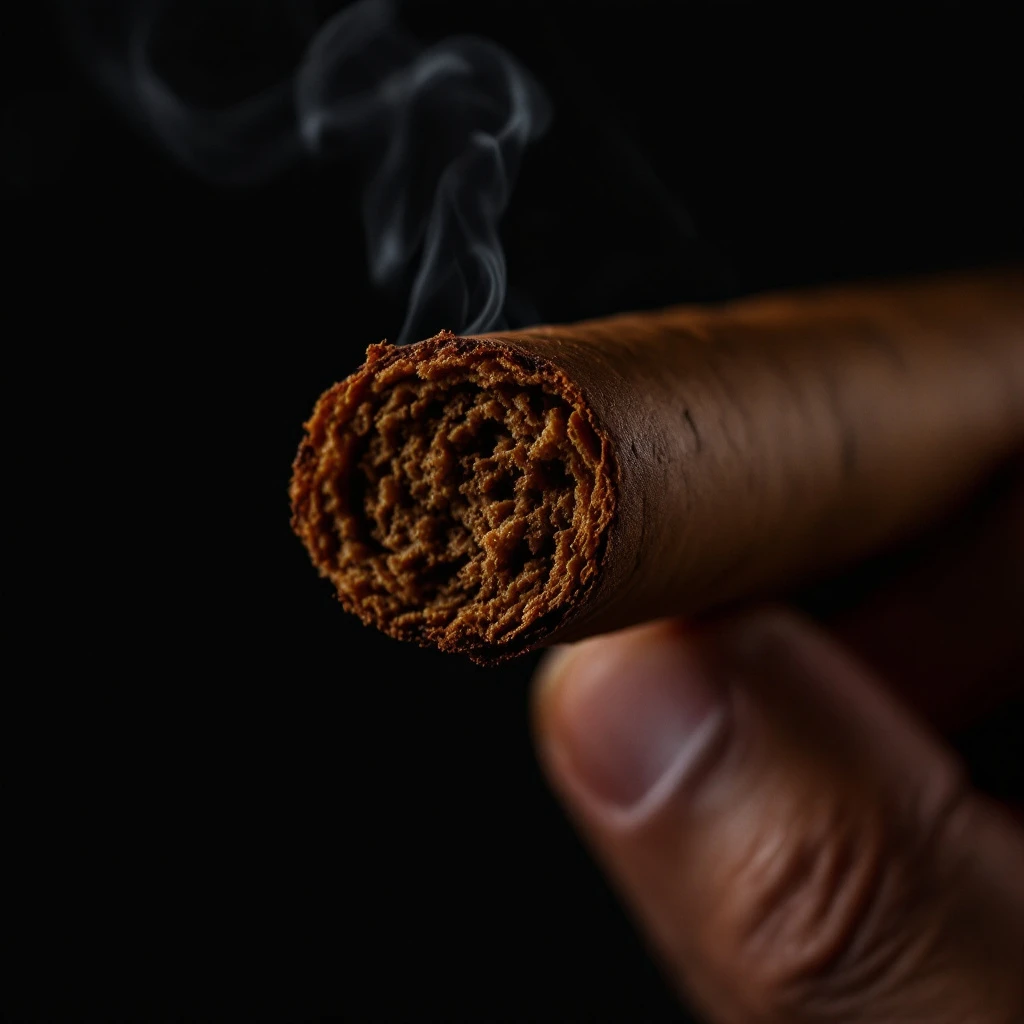
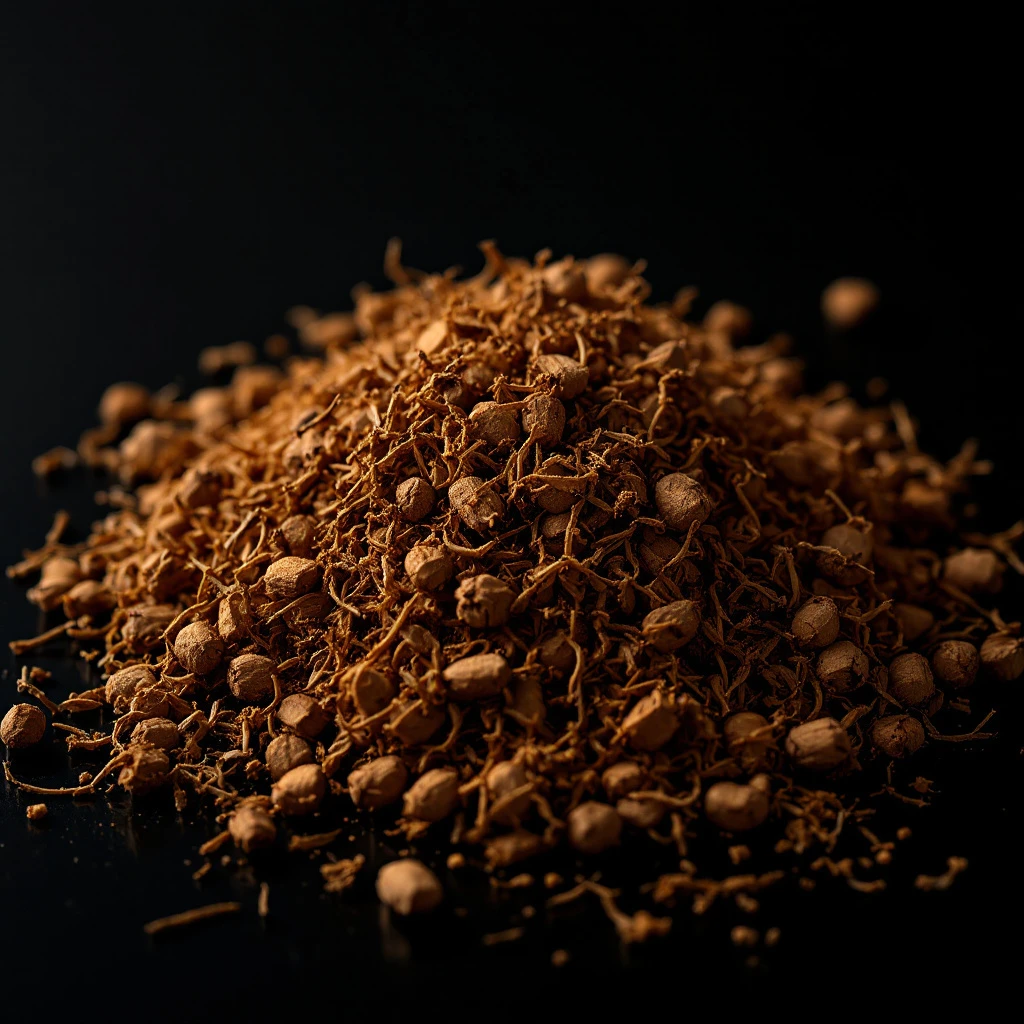
Discover Cavendish tobacco: a sweetened, fermented tobacco variety with deep, warm, and rounded characteristics that have made it a cornerstone of sophisticated fragrance compositions since the 16th century.
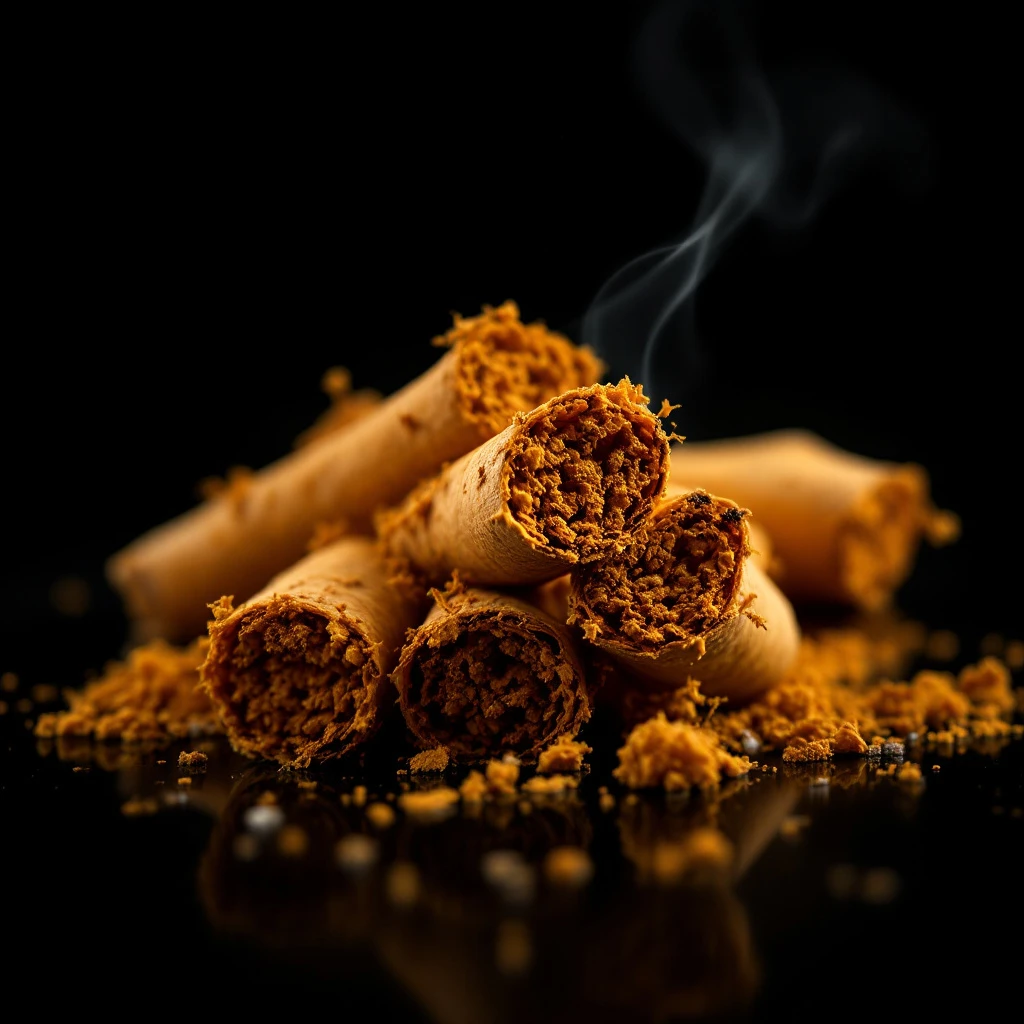
Character
How it smells
Sweetness born from centuries of craft
The term honors Sir Thomas Cavendish, who named the tobacco variety during a 16th-century voyage, cementing its place in perfumery history.








Origin
United States
Cavendish tobacco traces its name to Sir Thomas Cavendish, an English navigator who documented and popularized sweetened tobacco preparations during voyages to the Americas in the late 16th century. Historical records link the naming to Sir Richard Grenville's expedition, where English sailors encountered indigenous tobacco practices. The Cavendish method of sweetening and pressing tobacco leaves spread rapidly through English-speaking cultures, becoming synonymous with premium pipe tobacco by the 17th century.
This preparation technique represented an early form of flavor customization, as merchants and smokers sought to reduce tobacco's natural harshness while adding complexity. The practice eventually influenced fragrance chemistry, as perfumers recognized that the sweetened, fermented tobacco base offered a more versatile aromatic material than raw leaf.
Wears it best
Fragrances featuring Cavendish Tobacco
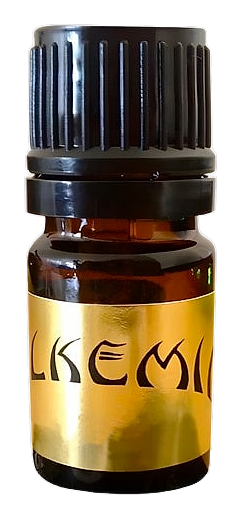
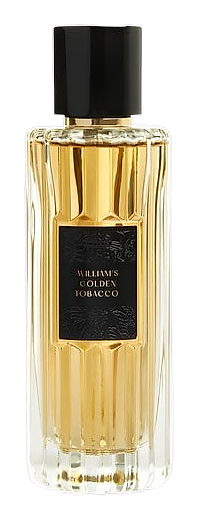
Brands
Brands known for Cavendish Tobacco
Good to know
Questions, answered
The essentials on Cavendish Tobacco in perfumery: how it smells, where it comes from, and how it behaves on skin.
What is Cavendish tobacco absolute?
Cavendish tobacco absolute is a solvent-extracted material from specially prepared, sweetened, and fermented tobacco leaves. The preparation process distinguishes it from standard tobacco absolute, yielding a sweeter, warmer, and more refined aromatic profile used in fine perfumery.
How does Cavendish differ from regular tobacco in fragrance?
Standard tobacco absolute tends toward dry, slightly harsh, and smoky characteristics. Cavendish tobacco delivers added sweetness, warmth, and a softer, more rounded quality. Its burnt sugar and honeyed undertones make it more approachable and versatile in modern fragrance compositions.
What gives Cavendish tobacco its characteristic sweetness?
The sweetness originates from the traditional preparation method: cured leaves are moistened with sugar syrup, molasses, or honey before fermentation. The natural sugars caramelize during the aging process, creating the signature sweet, honeyed notes that define Cavendish tobacco.
Where is Cavendish tobacco produced today?
While the tradition originated in English-speaking regions, major producing countries include the United States, Brazil, China, India, and Zimbabwe. Bulgaria is noted for high-quality tobacco absolutes generally. The US and Brazil supply significant volumes for fragrance-grade material.
What notes pair well with Cavendish tobacco?
Cavendish tobacco harmonizes with vanilla, benzoin, tonka bean, amber, sandalwood, cedar, and leather. It also pairs well with spices like cardamom and cinnamon, creating warm, inviting oriental compositions.
What fragrances traditionally feature Cavendish tobacco?
Cavendish tobacco appears in numerous masculine and unisex fragrances across several houses. The note contributes warmth and sweetness to tobacco-forward compositions, often appearing in oriental, woody, and fougere fragrance families.
How is Cavendish tobacco extracted for perfumery?
After fermentation, the treated leaves undergo solvent extraction using petroleum ether or hexane, producing a concrete. This concrete is further processed to yield the final absolute, a viscous brown material with potent aromatic properties.
What does Cavendish tobacco smell like?
Cavendish tobacco presents as sweet, warm, and slightly fermented, with prominent burnt sugar, honey, and dried fruit notes. It smells like premium pipe tobacco with a caramelized quality, offering depth and sweetness without harshness.