
The Story
Why it exists.
The beginning
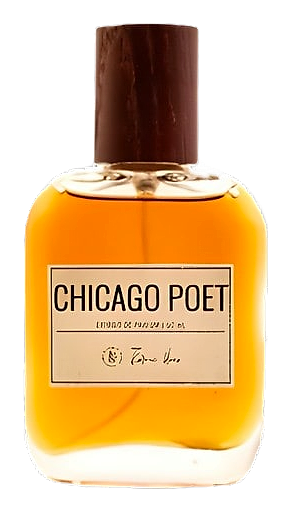
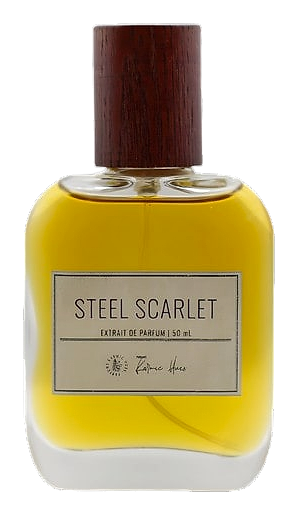
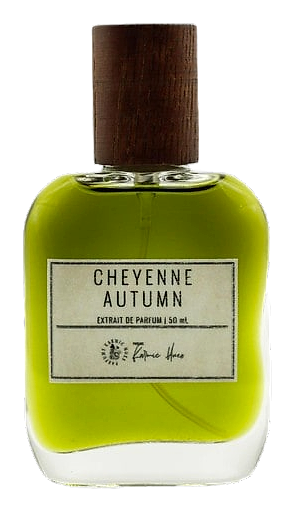
Cheyenne Autumn joins the Americana Collection, Karmic Hues' ongoing study of American landscapes and the people who inhabit them. Where Chicago Poet chased urban solitude and Steel Scarlet went for something bold and scarlet-lipped, Cheyenne Autumn turns toward the geographic and meteorological. The American West in late autumn. Not the Hollywood version. The real one, pine forests thinning into open range, the quality of light when September becomes October and the air finally cools enough to breathe it in. Srivathsa designed the composition around the temperature shift itself. Cool air carries scent differently than warm air, it holds coniferous notes higher, lets them cut sharper, while grounding the heavier materials (tobacco, leather, castoreum) into something that reads as earth rather than sweetness. The result is a fragrance that smells like moving through a specific landscape at a specific moment, not a general idea of autumn.
The note structure here is unusually horizontal. Most fragrances build like a ladder, top notes lift, heart notes arrive, base notes arrive last. Cheyenne Autumn reads more like a slope, a descent from high coniferous canopy into forest floor. Pine, cypress, balsam fir needle, and black hemlock form the canopy, dense enough to cast shade even in the opening. Below them, hay, grass, and soil create a dry, slightly dusty earth. Below that, tobacco, leather, and castoreum add warmth and a faint animalic presence that keeps the composition from reading as purely scenic. The use of two vetivers, Indian vetiver and standard vetiver, is a deliberate layering technique.
The evolution
The opening is immediate and cool, a sharp burst of coniferous that announces itself without waiting. Pine and cypress carry the first ten minutes, with rosemary lending a green, slightly medicinal lift that keeps the whole thing from reading as dark or heavy. Balsam fir needle appears and disappears, giving the opening a momentary resinous depth before the structure shifts. The heart arrives around the twenty-minute mark and it's where Cheyenne Autumn earns its name. Tobacco leaf appears first, dry and slightly sweet, followed by leather that reads more as worn than polished, the leather of a saddle, not a briefcase. Castoreum adds something almost animalic, a whisper of warmth beneath the tobacco that prevents it from becoming merely rustic. Moss and soil ground the entire heart phase, keeping everything close to earth. By the second hour, the coniferous lift has softened into memory. Cedar and sandalwood arrive to anchor the drydown, with both vetivers extending the finish well past where most fragrances have faded.
Cultural impact
Cheyenne Autumn sits in the quiet space where indie perfumery intersects with the Americana collection's broader project of olfactory cultural archaeology. The fragrance has found an audience among collectors who appreciate thematic coherence over commercial appeal, wearers who treat fragrance as personal narrative rather than social signal. Its dense coniferous structure and warm leather-tobacco drydown put it in conversation with the broader woody-aromatic category, though its refusal to prioritize projection over longevity marks it as a fragrance for the wearer rather than the room.