
The Story
Why it exists.
The beginning
Parvathā takes its name from the Sanskrit word for mountains, not a metaphor here, but a direct translation. Parvathā draws from altitude. From the geography of height. The scent captures that sense of vast openness, the way air thins and perception sharpens at elevation. composed it in 2021 as part of the Cosmic Balance collection, a line that suggests equilibrium through contrast. The collection explores how opposing forces can coexist harmoniously, and this fragrance embodies that philosophy through its blend of crisp, airy top notes and deep, grounding base elements. The mountain inspiration manifests not as literal landscape but as a feeling: expansive, serene, and commanding without effort.
The ozonic note is what makes Parvathā stand out. It brings a clean, airy quality that lifts the entire composition, creating a sense of spaciousness that feels both invigorating and calm. The combination here of ozone over green apple and pineapple creates a fruity brightness that feels energetic without tipping into sweetness. The vetiver does the real work, though. It's not a polite supporting player. It arrives sharp, stays sharp, and refuses to round into something comfortable.
The evolution
The opening hits immediately: bergamot bright and ozonic, berries tumbling in fast. The bergamot fades as the composition unfolds, there's no holding pattern here. What follows is bracing: pine and mint arriving together, a herbal coldness that reads medicinal without becoming antiseptic. The green apple and pineapple surface as the top notes evolve, but vetiver keeps them honest, tart, not candy-sweet. By hour two, dry woods take over. This is where reviews split. Some wearers find the synthetic wood phase assertive and long-lasting. Others appreciate that the composition refuses to fade politely. The vetiver persists as a backbone through the entire wear, keeping the sweetness in check and adding an earthy counterpoint that grounds the fragrance as it develops across the hours.
Cultural impact
Parvathā occupies an unusual position in the American fragrance landscape, blending accessibility with sophisticated construction. The ozonic-vetiver combination offers a distinctive profile that challenges expectations for this category. The synthetic dry woods in the base remain a point of debate, either bold or overdone, depending on who you ask. The Sanskrit name and mountain inspiration create a sense of depth and intentionality that rewards closer attention.
The House
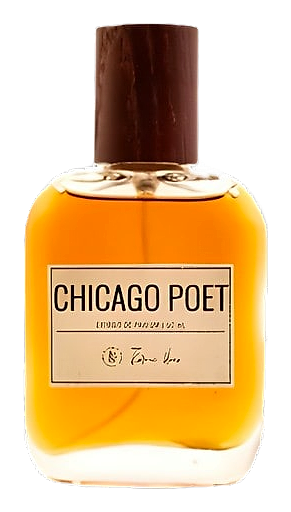
Parfums Karmic HuesParfums Karmic Hues is an independent artisanal perfume house founded in 2020 by Gagen and perfumer Srivathsa Subramanian Sivakumar, commonly known as S3, in New Jersey, USA. The house operates on a small-batch handmade model, creating fragrances that explore themes of memory, emotion, and cultural narrative. Their catalog draws from diverse source material, including Japanese cinema (Rashomon Volume I and II, 2022), Indian deities and mythology (Mātangi, Parvathā, Mahodara, all 2021), and American landscapes and characters (Chicago Poet, Steel Scarlet, Cheyenne, all 2023). The brand gained notable industry attention when Luca Turin, the influential fragrance critic and author, reviewed three of their fragrances. Karmic Hues maintains an approach where each scent serves as a meditation on a specific concept, moment, or cultural reference point, rather than following seasonal trends or conventional market categories.
The Creator
Srivathsa Subramanian SivakumarSrivathsa gravitates toward clean, well-structured compositions that reveal their character gradually. His work tends toward thoughtful blending rather than bold statements, with attention to how top, heart, and base notes unfold in sequence.