

The Story
Why it exists.
The beginning
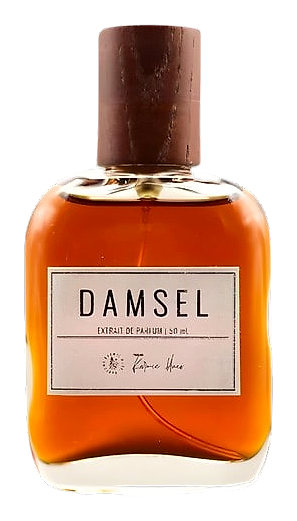
The name says damsel. The fragrance says don't believe everything you read. Srivathsa Subramanian Sivakumar built Damsel as a subversion, inspired by the women who shaped the American frontier, the ones who didn't wait for rescue because they were too busy building settlements and earning their own way. The old west gave us the archetype of the damsel, then the women who rewrote it. This fragrance belongs to that second story. A fearless floral for someone who knows exactly what she wants and reaches for it directly. No hesitation. No performance.
The lotus-bergamot opening is the first signal that this isn't a polite floral. Double lotus absolute, white and pink, gives a waxy, almost honeyed depth that separates Damsel from standard white floral compositions. Beeswax absolute amplifies this vintage quality, creating an effect that feels more like an antique candle than a modern fragrance. Then the osmanthus enters with its apricot-tea nuance, and the tuberose arrives to amplify everything into something fervent and unapologetic. It's dense. It's layered. It doesn't apologize for taking up space.
The evolution
Yuzu opens bright and citrus-sharp, but the lotus arrives almost immediately, a waxy, almost honeyed floral that cuts through the citrus before it can settle. The bergamot fades first, leaving the yuzu and lotus to build the heart. Beeswax then becomes the structural element, giving the florals a vintage, almost candlelit warmth that feels simultaneously nostalgic and contemporary. The tuberose and osmanthus deepen and amplify as the scent evolves, making the composition feel richer and more unapologetic. The drydown is where the ambergris and musk do their work, adding animalic warmth that keeps the florals grounded and skin-close. On fabric, the beeswax note lingers long after the initial application, creating an elegant drydown that carries the florals into the following day.
Cultural impact
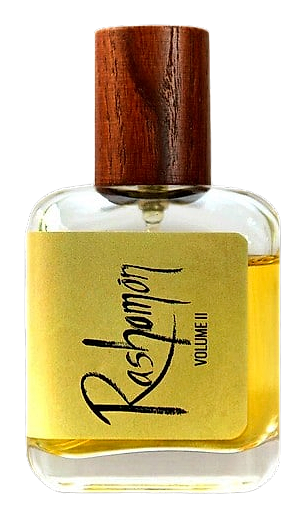
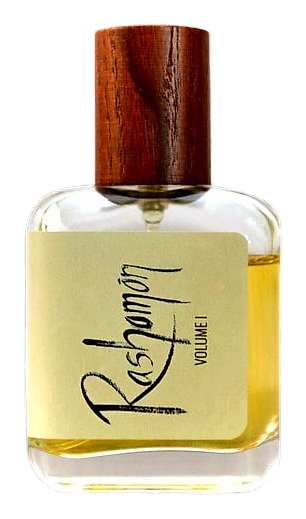
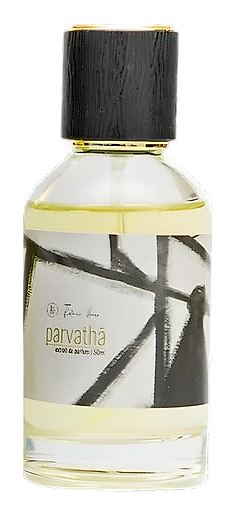
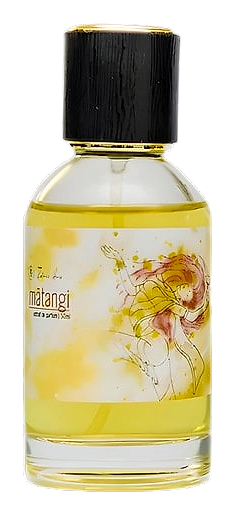
As part of the Americana Collection, Damsel occupies a specific cultural register, the independent-minded wearer who treats fragrance as personal archaeology, mining history and mythology for meaning. The old west inspiration positions it differently from the house's Japanese cinema releases (Rashomon Volume I and II) and Indian mythology work (Mātangi, Parvathā, Mahodarā). It speaks to fragrance as narrative, to scent that requires context to understand fully.
The House
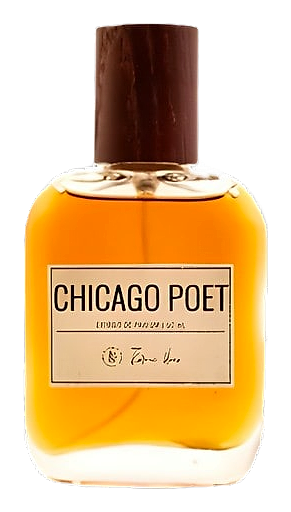
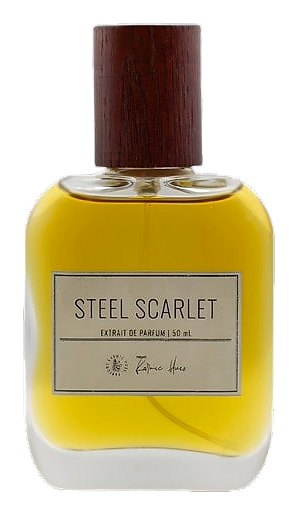
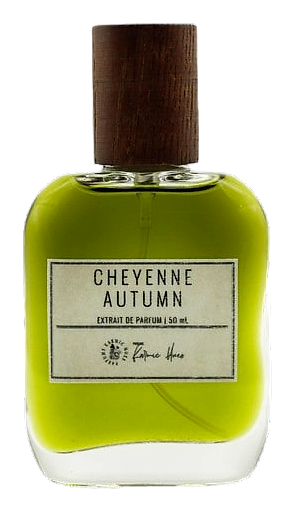
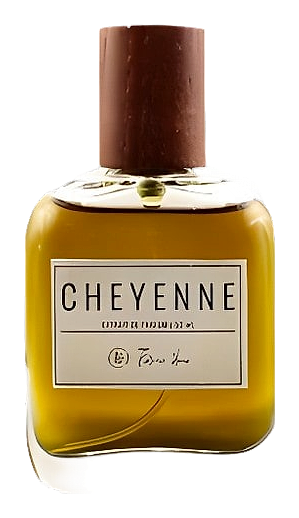
Parfums Karmic HuesParfums Karmic Hues is an independent artisanal perfume house founded in 2020 by Gagen and perfumer Srivathsa Subramanian Sivakumar, commonly known as S3, in New Jersey, USA. The house operates on a small-batch handmade model, creating fragrances that explore themes of memory, emotion, and cultural narrative. Their catalog draws from diverse source material, including Japanese cinema (Rashomon Volume I and II, 2022), Indian deities and mythology (Mātangi, Parvathā, Mahodara, all 2021), and American landscapes and characters (Chicago Poet, Steel Scarlet, Cheyenne, all 2023). The brand gained notable industry attention when Luca Turin, the influential fragrance critic and author, reviewed three of their fragrances. Karmic Hues maintains an approach where each scent serves as a meditation on a specific concept, moment, or cultural reference point, rather than following seasonal trends or conventional market categories.
The Creator
Srivathsa Subramanian SivakumarSrivathsa gravitates toward clean, well-structured compositions that reveal their character gradually. His work tends toward thoughtful blending rather than bold statements, with attention to how top, heart, and base notes unfold in sequence.