
The Story
Why it exists.
The beginning
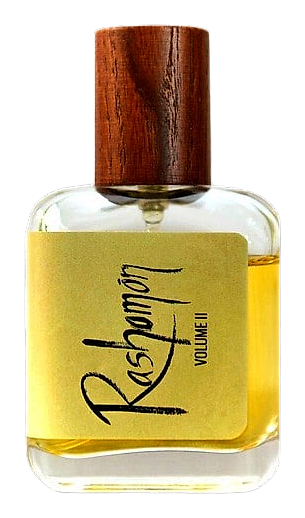
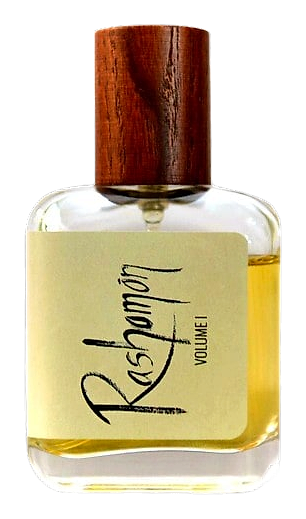
Rashomon Volume I takes its name from the 1950 film by Akira Kurosawa, one of cinema's most celebrated explorations of truth, memory, and contradictory perspective. The film presents four witnesses to a single act of violence, each telling a radically different version of events. No version is reliable. All of them are true. This is the Rashomon effect: the same event, endlessly refracted through individual experience. Karmic Hues found this premise irresistible. Fragrance already does something similar, a single accord smells different on every wearer, every skin, every day. Rashomon Volume I is the house's first attempt to literalize that idea, to build a fragrance around the concept of multiple valid truths emerging from shared material. The result is one of the most deliberately challenging releases from an independent house in recent memory.
The composition refuses easy categorization. Mango and honey suggest tropical sweetness; leather and ambergris introduce something earthier, stranger. The oud doesn't announce itself, it accumulates. Frangipani and tuberose add creamy floral depth that bridges the gap between fruit and animal. What makes this structure unusual is the way the materials resist the usual hierarchies. Sweetness doesn't dominate. Darkness doesn't overwhelm. Instead, the fragrance oscillates between warmth and rawness, creating something that reads differently depending on who is wearing it and when. On some skin, the tropical notes lead. On others, the animalic elements take over within the first hour.
The evolution
The opening arrives with unexpected gentleness. Mango's sweetness doesn't burst, it exhales. Ambergris introduces itself as a quiet saltiness, a suggestion of warmth rather than a declaration. There is no sharp transition. The florals arrive within minutes: frangipani's creamy white sweetness threading through the fruit, tuberose adding a green edge that keeps things from becoming purely dessert. Leather emerges around the thirty-minute mark, softened by sandalwood's milk. The honey becomes more apparent here too, not syrupy, but viscous, coating the throat of the composition. The drydown is where the fragrance earns its reputation. Oud settles into the base like sediment. Ambergris lingers. The rum fades last, leaving only the warmth of two materials that have learned to coexist. On fabric, the oud and sandalwood partnership holds for a full workday. On skin, expect variation, but when it settles well, it settles beautifully.
Cultural impact
Rashomon Volume I has developed a reputation among those who know it. The 30-bottle production run means it functions almost as a rumor, discussed, sought, rarely found. For the wearer who manages to secure one, the fragrance offers something increasingly rare: an opinion. It does not aspire to mass appeal or seasonal appropriateness. It asks only to be worn by someone who already knows what they want from a fragrance and is willing to accept the complications that come with it.