Pink Lotus
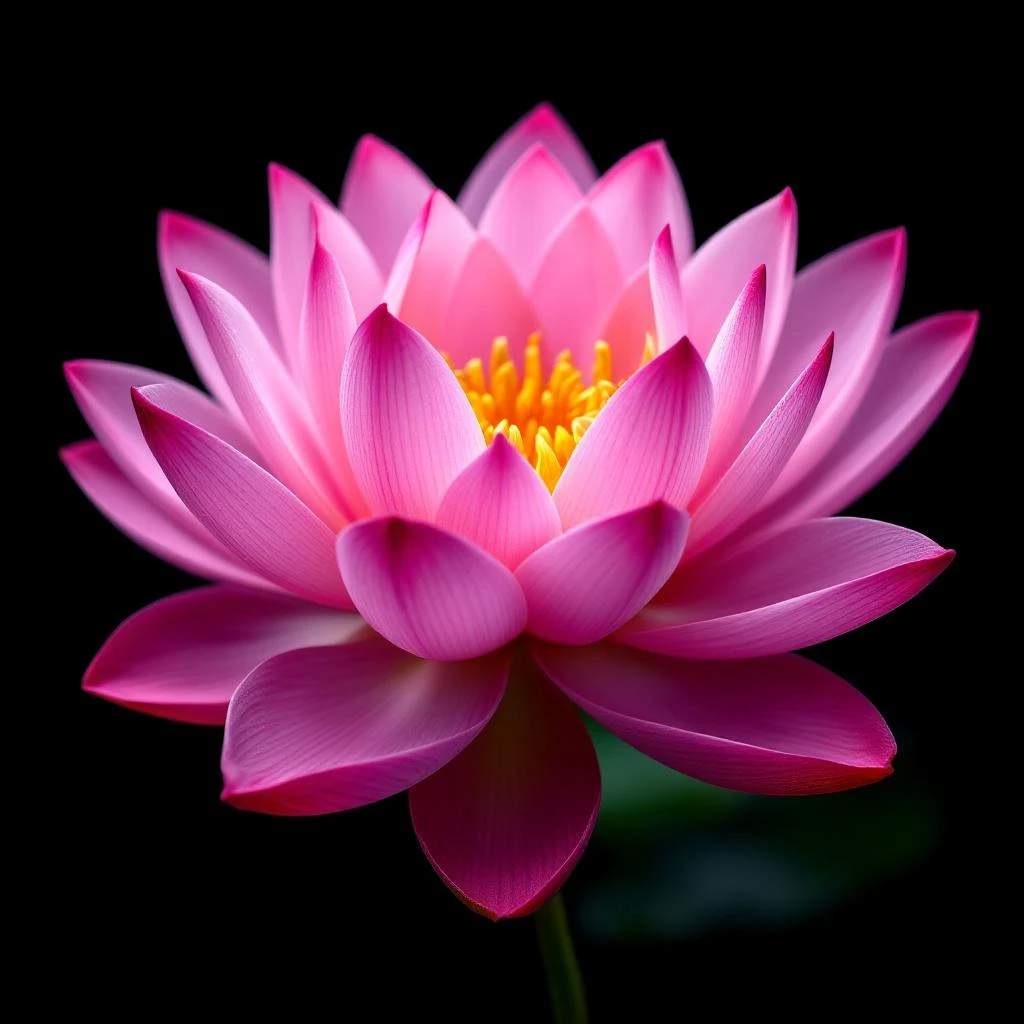
Pink Lotus Absolute, extracted from Nelumbo nucifera, is one of perfumery's most coveted botanicals. With roots spanning ancient civilizations, its ethereal, aquatic-floral character brings a rare tranquility to luxury compositions.
Character
How it smells
Ancient bloom. Delicate spirit.
Nelumbo nucifera dates back 135 million years, predating both dinosaurs and humans, making pink lotus one of the oldest flowering plants on Earth.







Origin
India
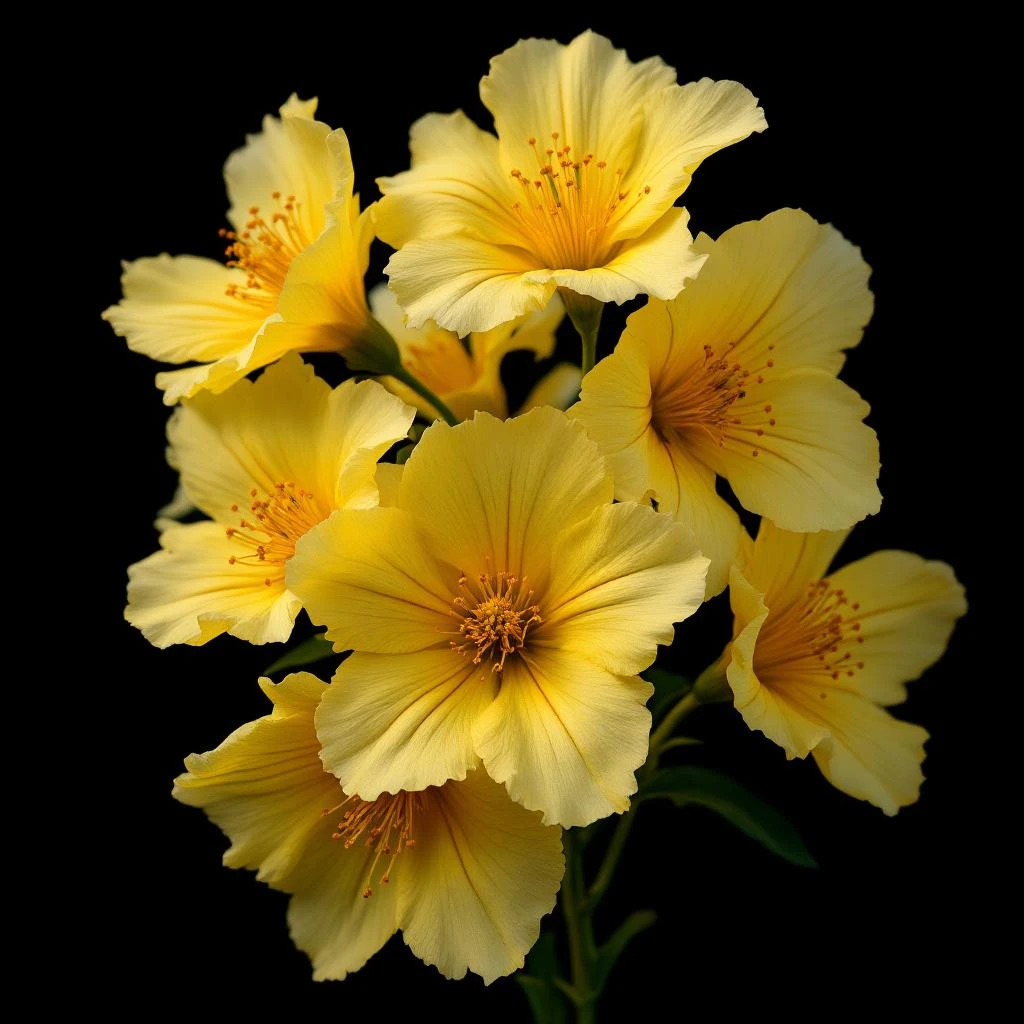
Pink lotus has been woven into human culture for thousands of years across India, Egypt, China, and Southeast Asia. In India, Nelumbo nucifera holds sacred status in Hindu and Buddhist traditions, appearing in temple carvings, mythology, and royal court rituals. India declared pink lotus its national flower in 1951, symbolizing purity and spiritual awakening.
Egyptian healers and priests incorporated lotus into ceremonial practices, while Chinese scholars documented its medicinal properties in texts predating the Common Era. This botanical crossed borders and belief systems, uniting ancient cultures through a shared reverence for its beauty and symbolism.
Wears it best
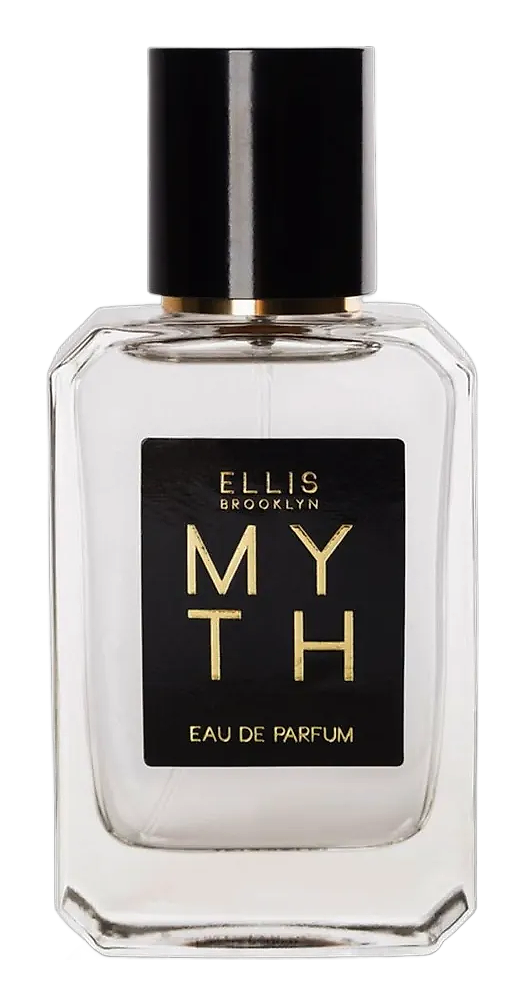
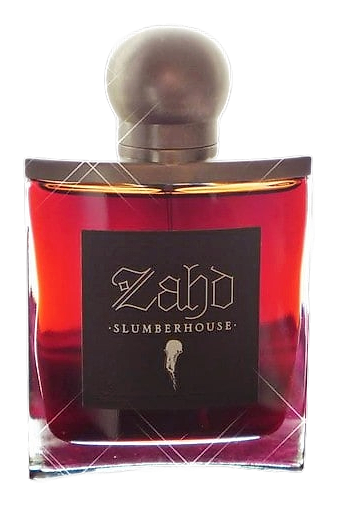
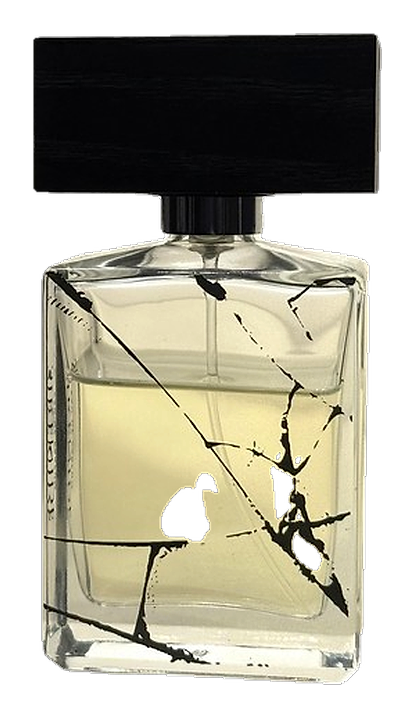
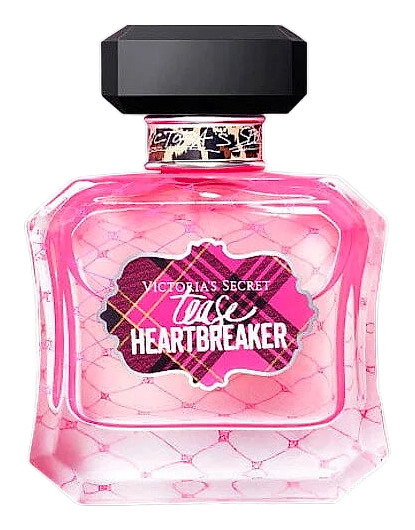
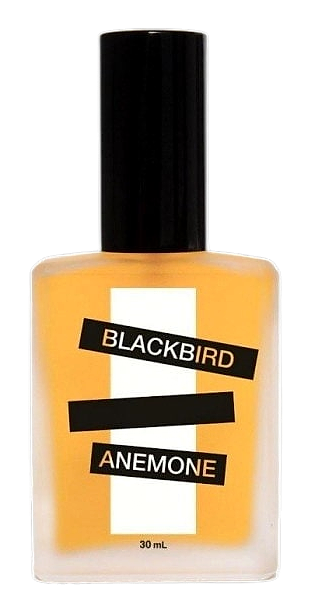
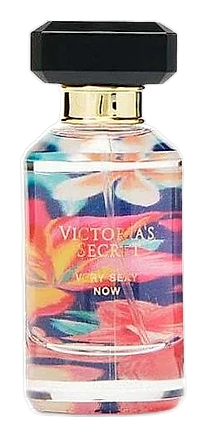
Fragrances featuring Pink Lotus

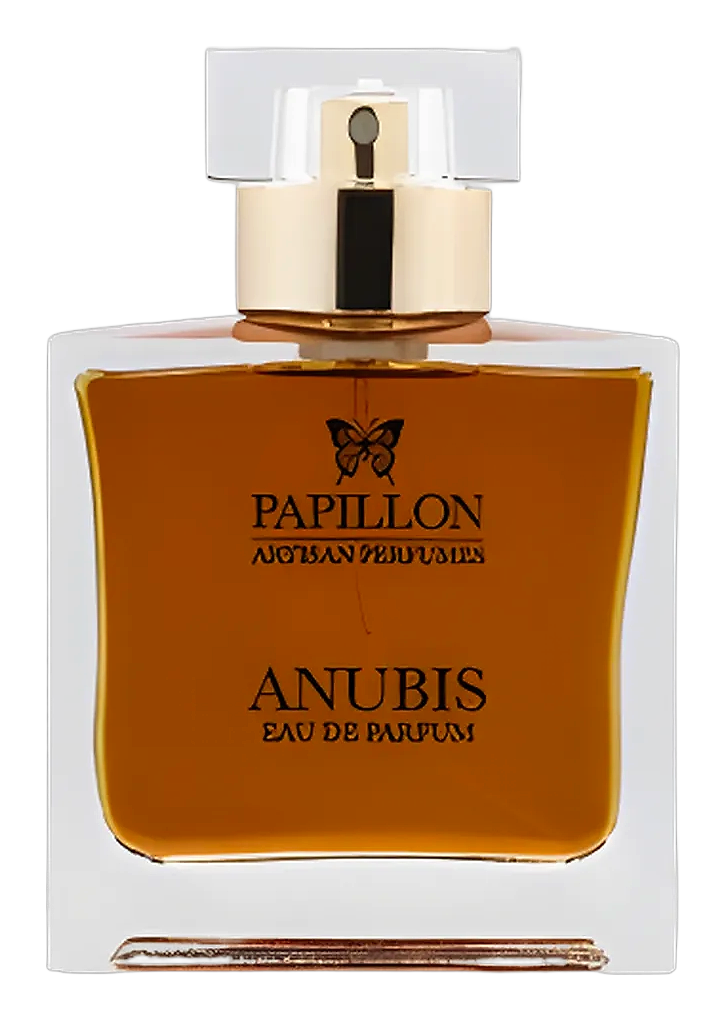
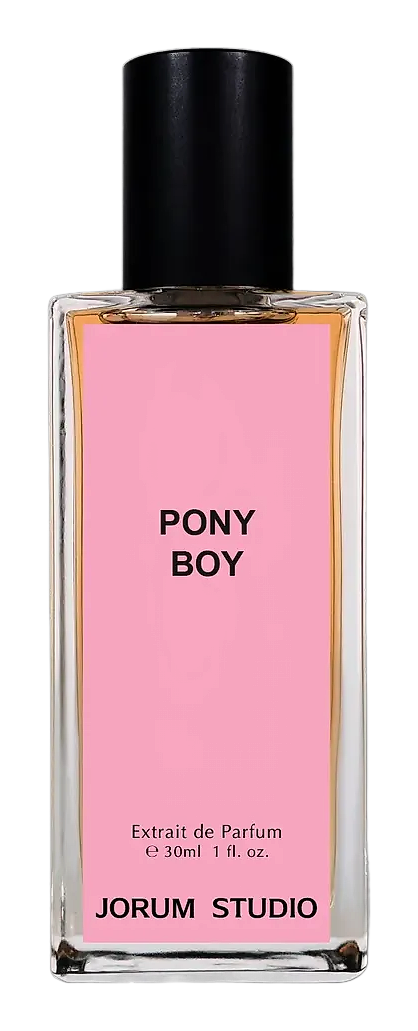

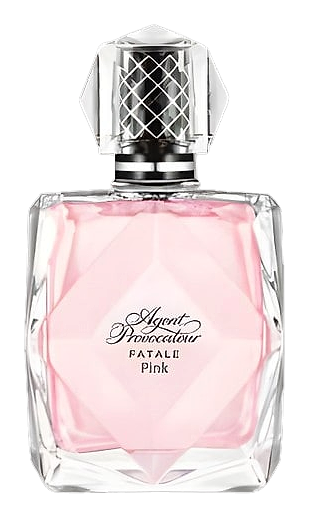
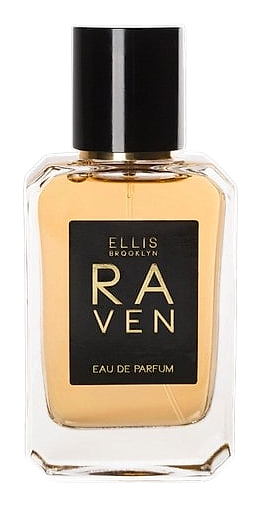
Brands
Brands known for Pink Lotus
Good to know
Questions, answered
The essentials on Pink Lotus in perfumery: how it smells, where it comes from, and how it behaves on skin.
How does pink lotus differ from other lotus varieties in perfumery?
Pink lotus (Nelumbo nucifera) differs from blue lotus (Nymphaea caerulea) and white lotus primarily in origin and scent. Pink lotus offers a delicate, sweet-floral aroma with aquatic and green facets, while blue lotus carries a more musky, slightly narcotic quality. White lotus sits somewhere in between with lighter, cleaner floral notes.
What does pink lotus absolute smell like?
Pink lotus absolute presents as a soft, aquatic floral with a delicate sweetness. Expect watery green stems, translucent petals, and a subtle honeyed undertone. The overall impression is clean, meditative, and distinctly different from heavy florals like rose or jasmine.
Why is pink lotus used as an absolute rather than an essential oil?
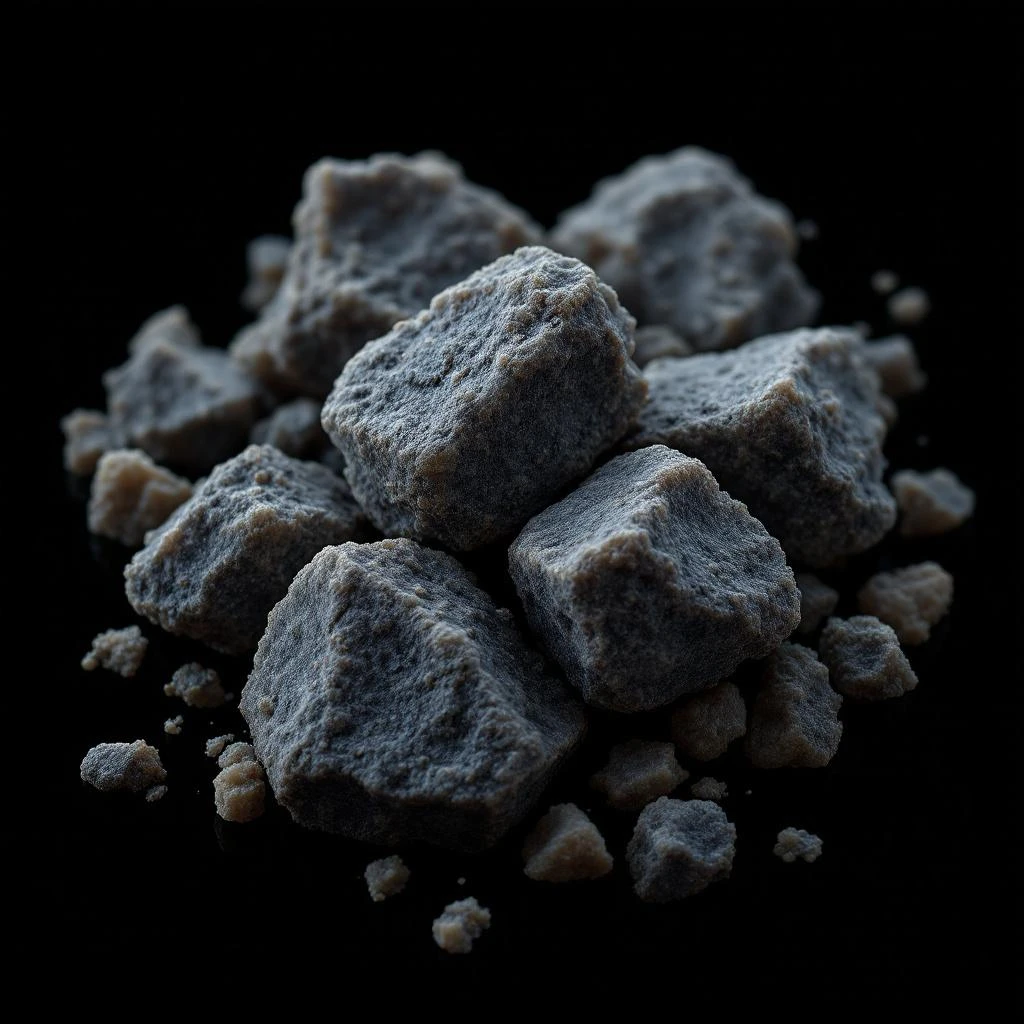
Lotus petals do not yield viable essential oil through steam distillation due to their delicate aromatic compounds. Solvent extraction captures a broader spectrum of fragrance molecules, producing the prized concrete and subsequent absolute that perfumers rely on.
Is pink lotus a sustainable ingredient?
Yes. Pink lotus is harvested from managed pond ecosystems where flowers are hand-picked, leaving roots and plant structures intact. This makes lotus absolute a renewable resource when sourced responsibly from well-maintained cultivation sites.
How long has pink lotus been used in fragrance?
Records of lotus in perfumery and cosmetics trace back over 2,000 years across India, Egypt, and China. Ancient Egyptian royalty used lotus-scented preparations, while Indian traditions incorporated lotus into aromatic oils for temple rituals and personal grooming.
What is the geologic age of pink lotus?
Nelumbo nucifera has a geologic record dating back 135 million years. It survived the Cretaceous-Paleogene extinction event that wiped out the dinosaurs, making it one of the most ancient flowering botanicals still in existence today.
Is pink lotus absolute the same as pink lotus essential oil?
No. Absolute and essential oil are distinct extraction products. Absolute results from solvent extraction and contains non-volatile botanical compounds. Essential oil comes from steam distillation and captures only volatile aromatic molecules. Lotus is commercially available almost exclusively as an absolute.
Why is pink lotus associated with luxury perfumery?
The combination of hand-harvesting requirements, delicate flowers that spoil quickly, and low yield per harvest makes pink lotus absolute expensive and exclusive. Its rare, meditative scent profile appeals to niche fragrance houses crafting high-end, artisanal compositions.





