White Lotus
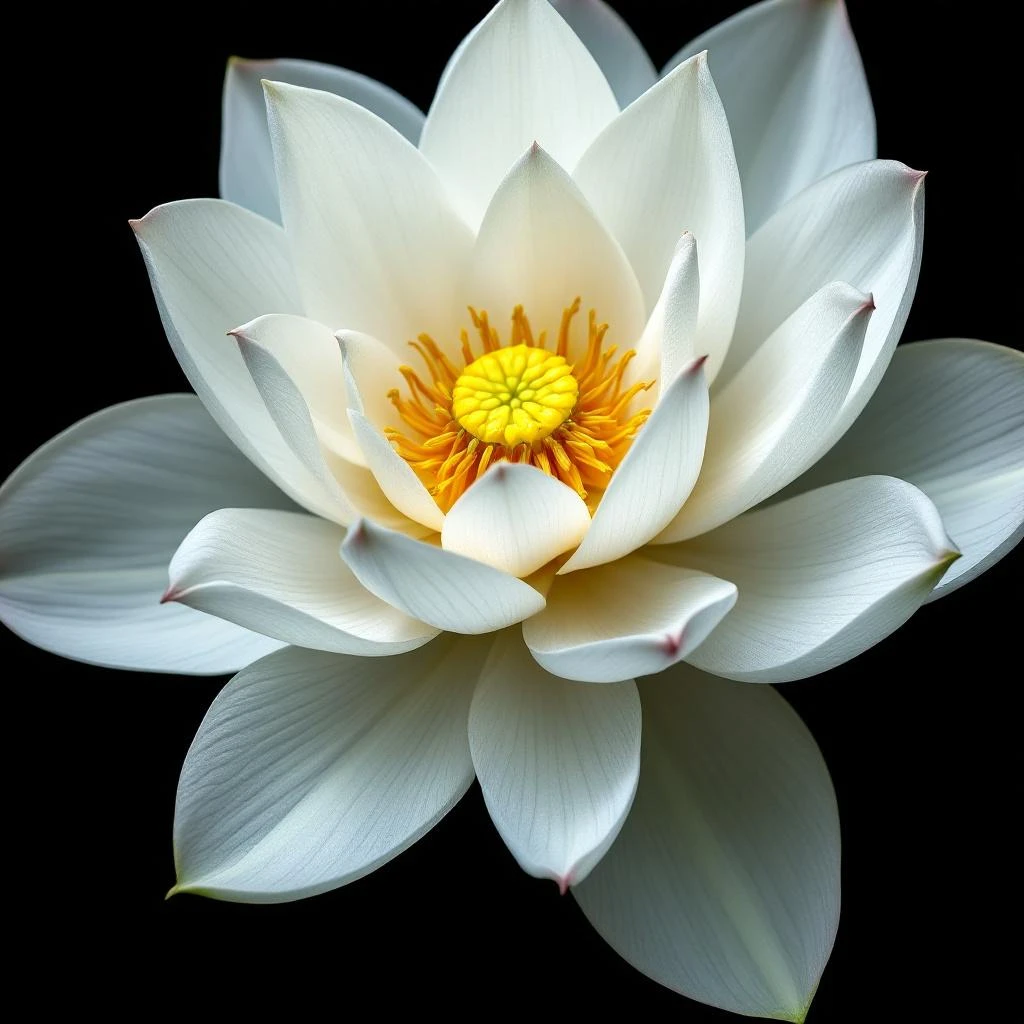
White lotus carries an almost contradictory power: its scent is quiet, aquatic, and delicate, yet across ancient civilizations it anchored the most sacred rituals. Few florals carry such spiritual weight alongside such understated beauty.
Character
How it smells
Delicate. Divine. Untouchably Pure.
The lotus produces no typical floral scent compounds like linalool. Its aromatic effect in perfumery comes almost entirely from trace aromatic molecules and the physical experience of its cool, aquatic presence.







Origin
India
The white lotus appears in the earliest known perfumery traditions of both China and India. Chinese texts from the Han dynasty describe infusing lotus petals in carrier oils for ritual use, while Ayurvedic manuscripts from the first millennium BCE document its calming, meditative properties. In ancient Egypt, the white lotus featured prominently in funerary rites and temple offerings, symbolizing rebirth and the sun's daily emergence from the Nile.
Across Hindu and Buddhist traditions, the lotus rising unsullied from muddy water became the defining symbol of spiritual purity and divine birth. This ancient sacred status gave lotus a unique standing in perfumery: it arrived not as a decorative floral note but as a material freighted with spiritual meaning, which it still carries in modern compositions.
Wears it best
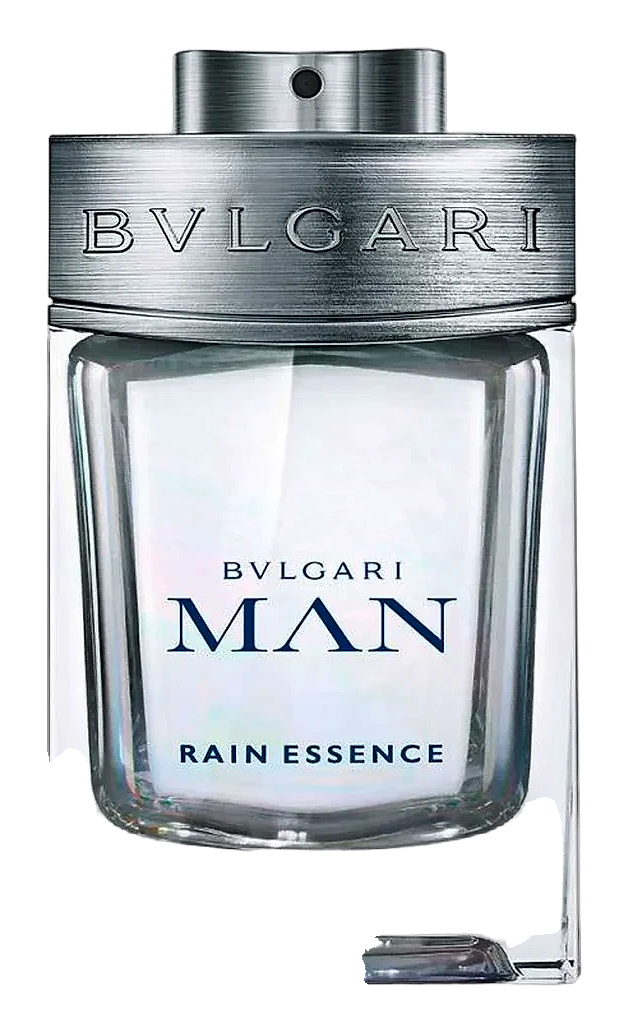
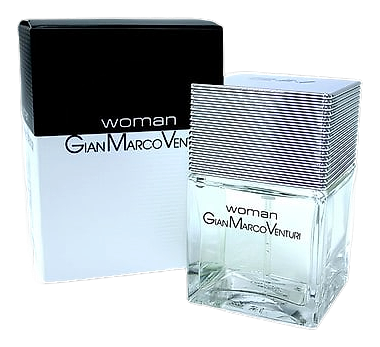
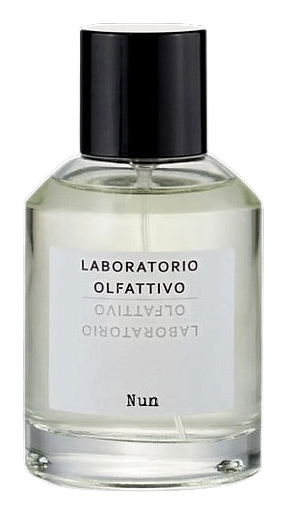
Fragrances featuring White Lotus

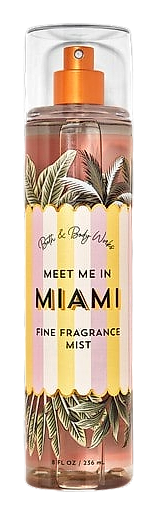
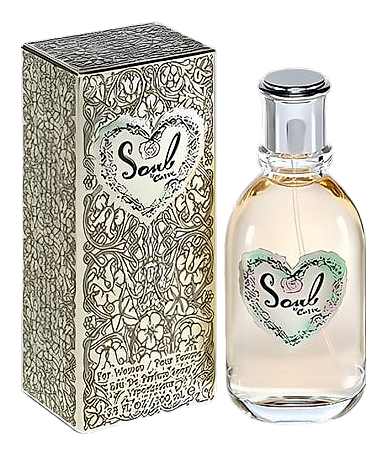
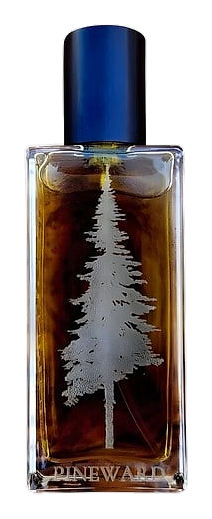
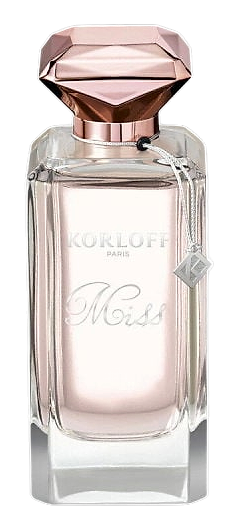
Brands
Brands known for White Lotus
Good to know
Questions, answered
The essentials on White Lotus in perfumery: how it smells, where it comes from, and how it behaves on skin.
What does white lotus smell like in a fragrance?
White lotus smells cool, aquatic, and subtly sweet with a watery freshness and a soft green undertone. Unlike jasmines or roses, it lacks a bold floral projection and instead creates an airy, almost transparent effect that reads as serene rather than assertive.
Is white lotus absolute used in natural perfumery?
Natural white lotus absolute is exceptionally rare and expensive due to low petal yields and the fragility of the material. Most modern fragrances labeled as lotus use reconstructed aroma profiles built from synthetic aroma chemicals like helional, rose oxide, and florol to approximate the natural effect.
What makes white lotus culturally significant in perfumery?
White lotus carries deep symbolic weight across Hindu, Buddhist, and ancient Egyptian traditions, where it represents purity, rebirth, and divine emergence. This gives lotus notes a spiritual dimension that most other florals do not carry.
How is white lotus absolute extracted?
Solvent extraction is the standard method. Steam distillation damages the delicate petal compounds, so manufacturers use food-grade solvents to draw out the aromatic material, yielding a concrete then an absolute that retains the lotus characteristic watery, cool floral character.
What role does lotus play in traditional medicine and perfumery?
Ancient Ayurvedic texts from India describe lotus as calming and meditative, recommending lotus-infused oils for ritual and therapeutic purposes. Lotus has been used in sacred perfumery and temple oils for over 2,000 years across China, India, and Egypt.
Can synthetic aroma chemicals accurately recreate white lotus?
Partially. The delicate, aquatic quality of lotus comes from trace volatile compounds and their interplay, which are difficult to synthesize fully. Perfumers combine materials like helional, Florol, and osmanthus absolute to build a convincing lotus impression that captures the cool, watery character.
How does white lotus differ from pink lotus in fragrance?
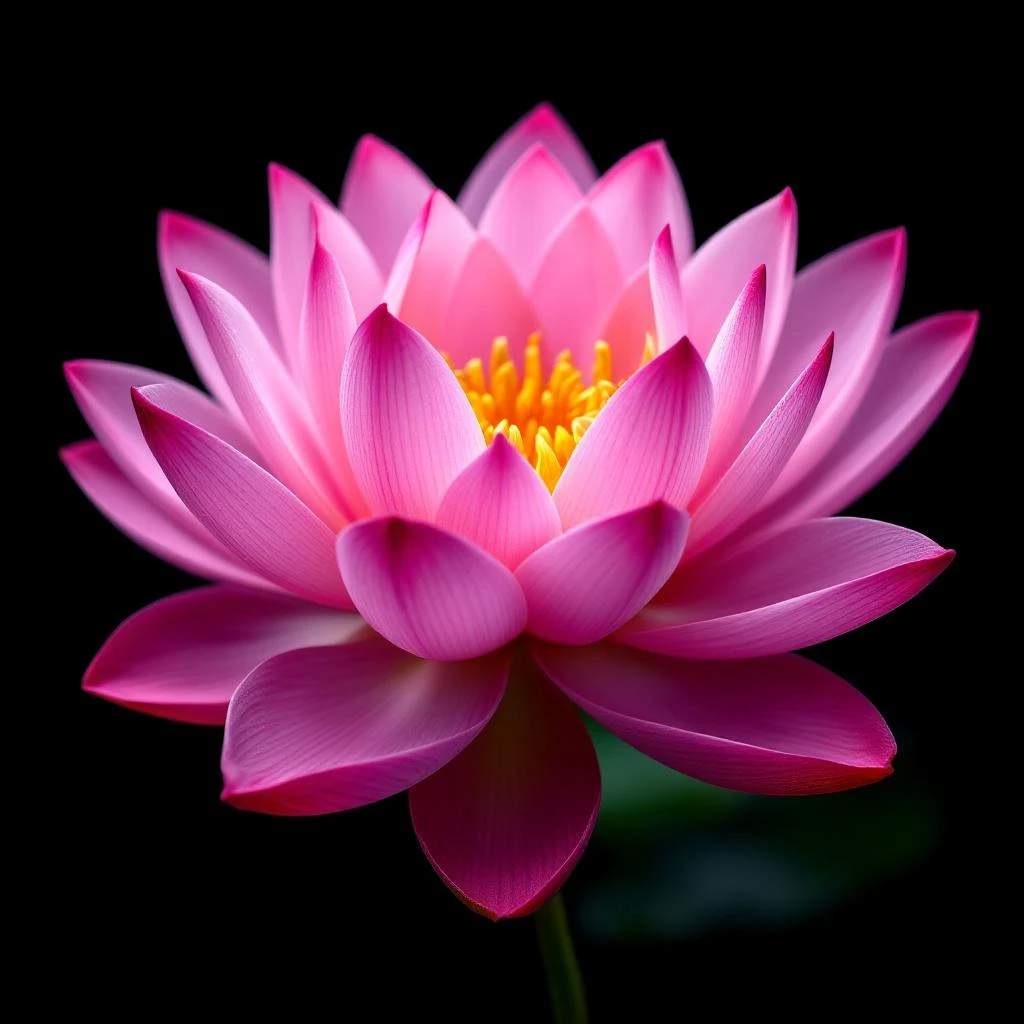
White lotus tends toward cooler, more aquatic, and lighter effects. Pink or sacred lotus often carries a deeper, slightly spiced floral quality. Perfumers select the variety based on the specific mood and character they want the fragrance to convey.
When did lotus first appear in perfumery?
Lotus appears in documented perfumery texts from ancient China and India around the first millennium BCE. Early Chinese perfumers infused lotus petals in oils, while Indian traditions incorporated lotus into ritual unguents. In both cases, lotus was prized for its spiritual associations as much as its scent.