Balsam fir needle
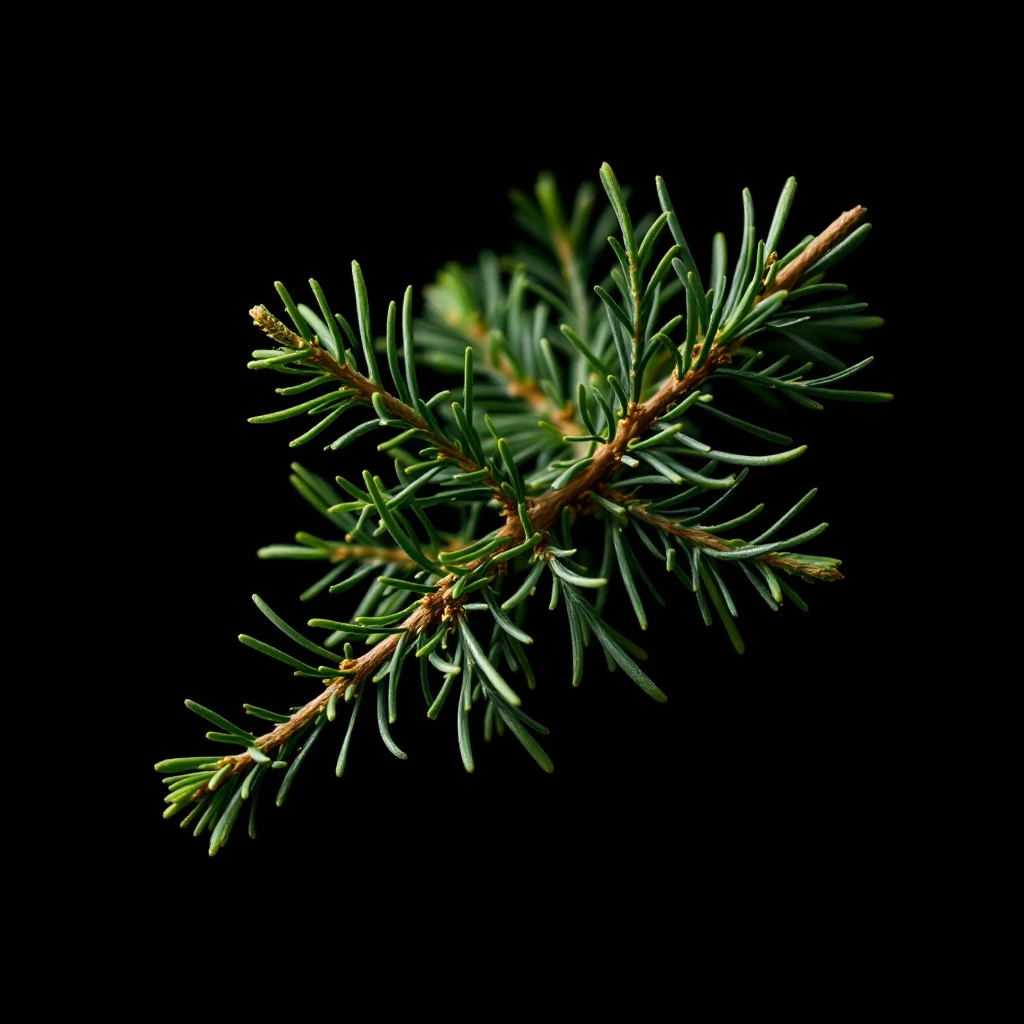
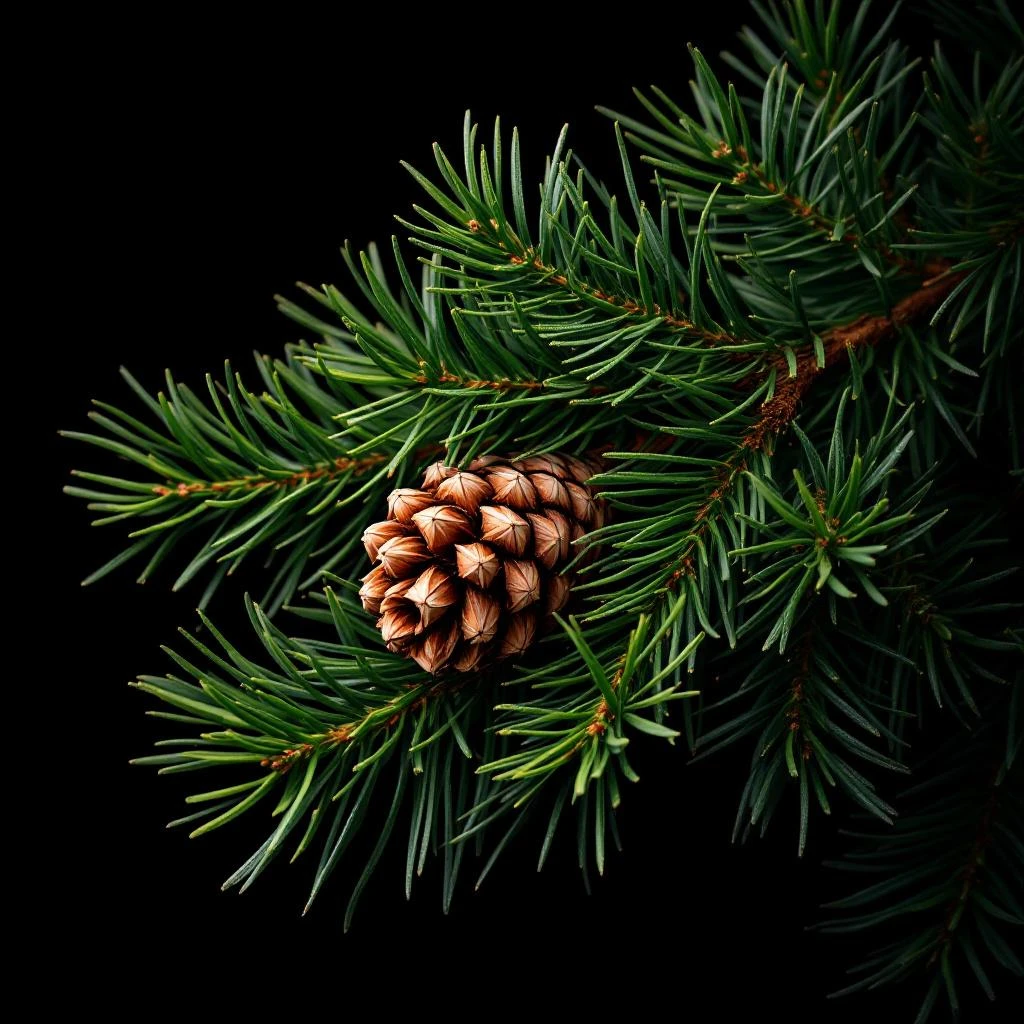
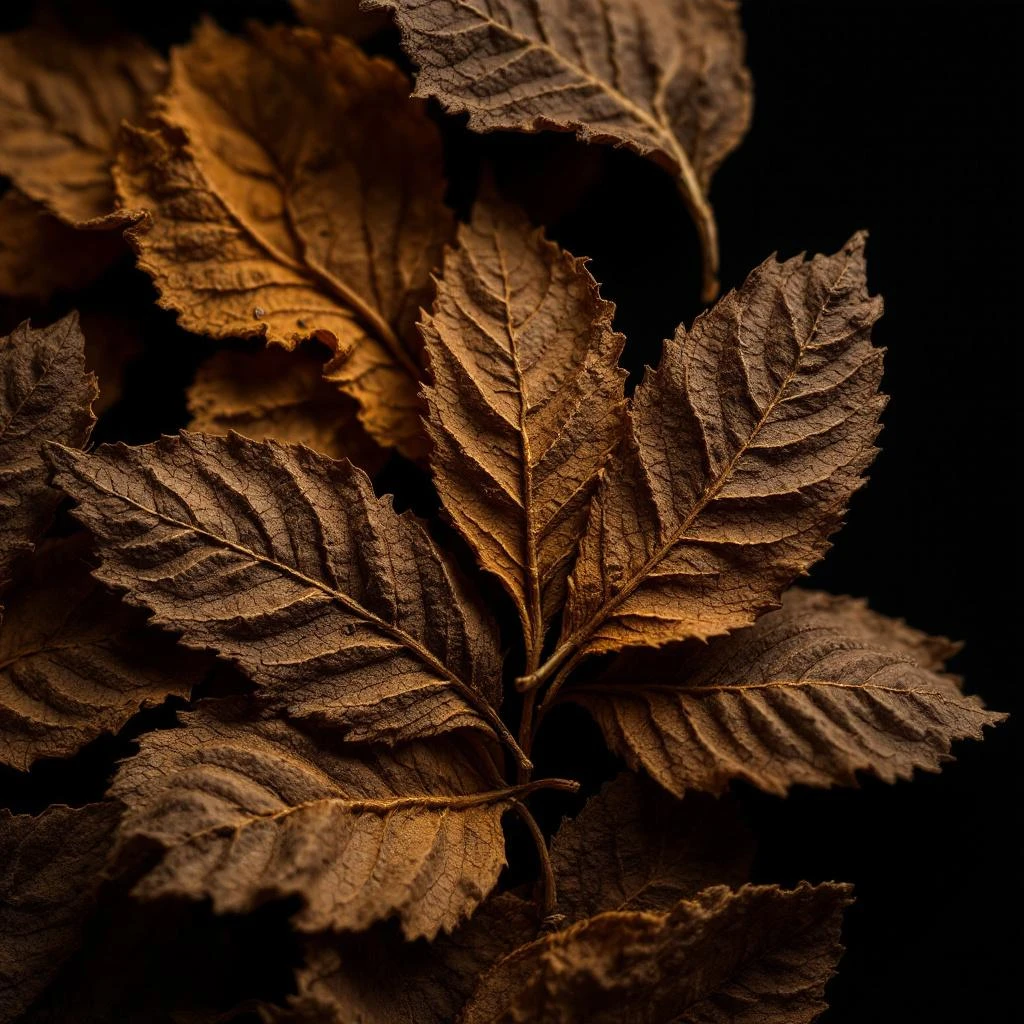
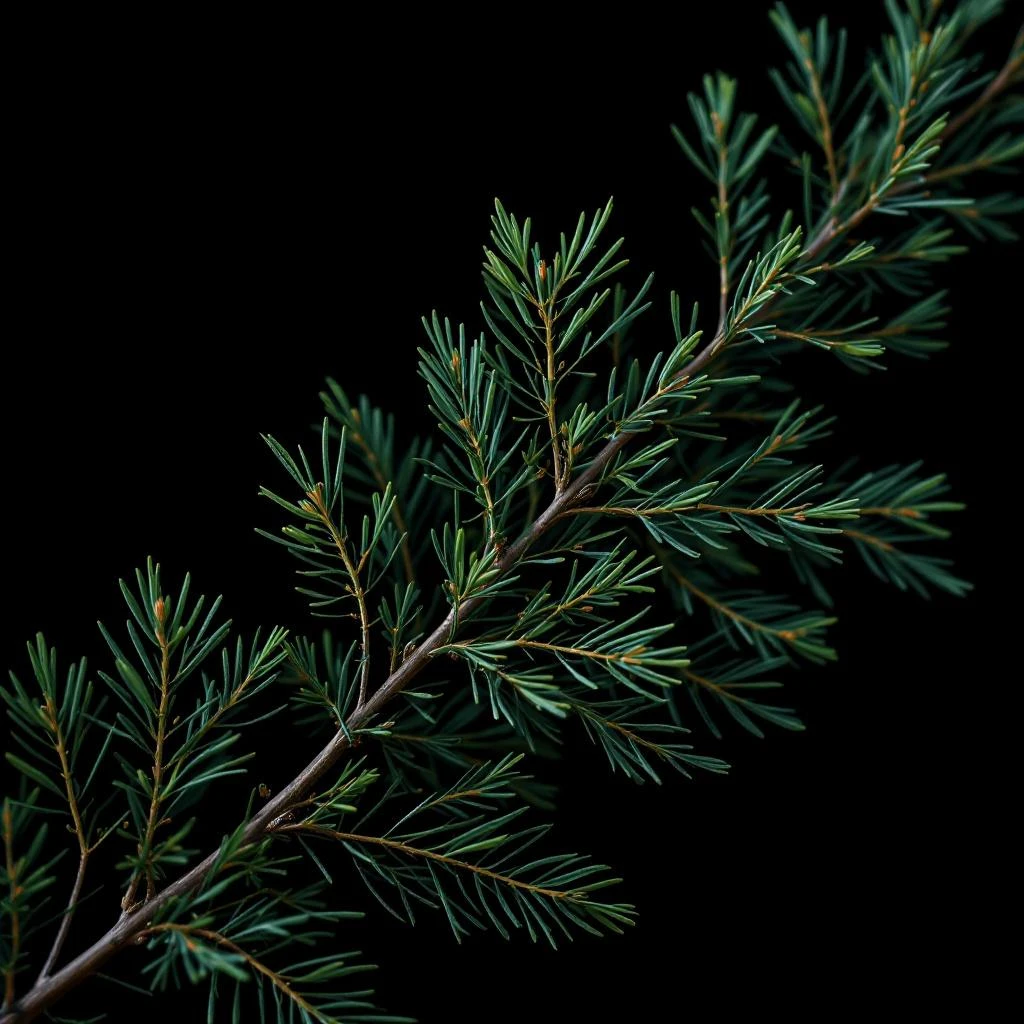
Fresh-cut evergreen forests in a bottle. Balsam fir needle captures the crisp, resinous soul of North American boreal woods, filling compositions with a clean, crisp freshness that evokes snow-laden branches and crisp winter air.
Character
How it smells
The crisp, resinous breath of the boreal forest.
Indigenous peoples of eastern North America used balsam fir resin to seal canoes and create natural adhesives for centuries.



Origin
Canada
Balsam fir held significant cultural and practical value for Indigenous peoples across eastern North America long before European settlers arrived. Various First Nations communities used the tree's resin medicinally for wounds and respiratory ailments, and incorporated the needles into ceremonial steam baths. The sticky, aromatic resin also served practical purposes as a natural adhesive for canoes, baskets, and housing materials.
European colonists quickly adopted these applications, documenting balsam fir in early colonial herbalism texts. During the American Civil War, the resin was widely collected and used in field medicine. The tree earned its common name from the aromatic 'balsam' or resin stored in blisters on its bark. By the late 19th century, commercial essential oil production had begun, with Canadian distillers pioneering the industry. Today, Canada remains the primary source of commercial balsam fir needle material, with sustainable wild-harvesting practices protecting natural populations.
Wears it best
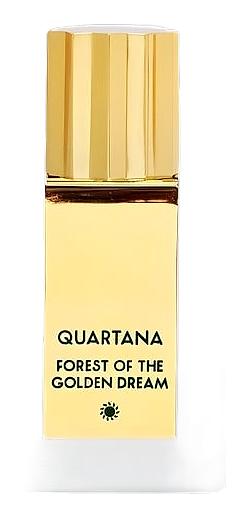
Fragrances featuring Balsam fir needle

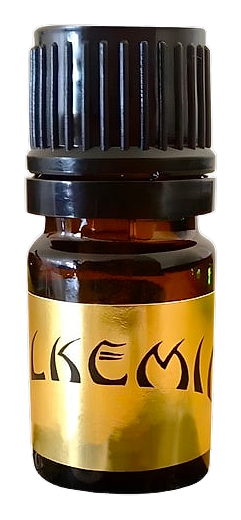
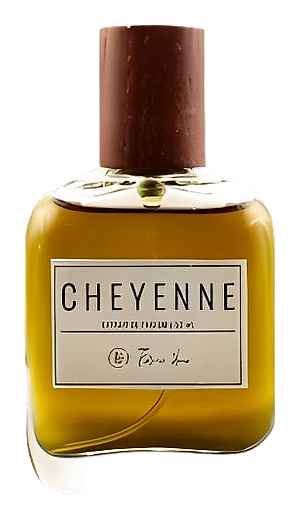
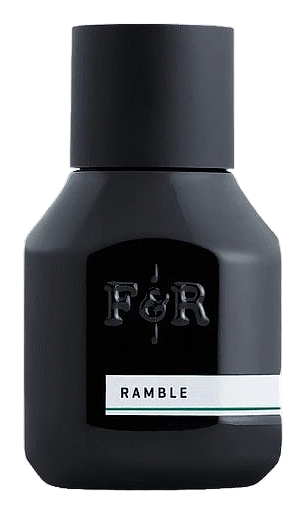
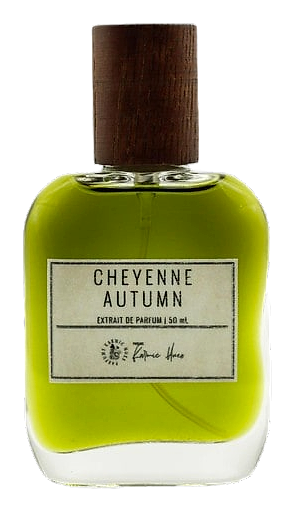
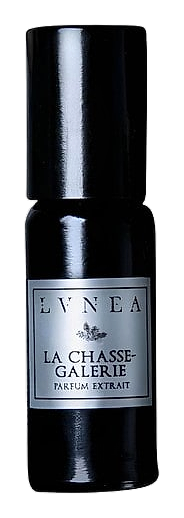
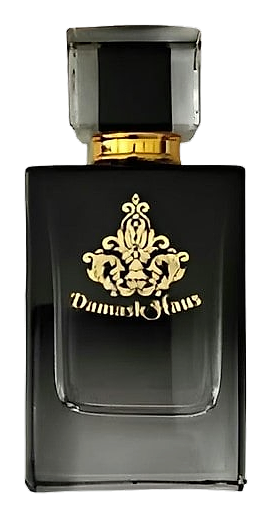
Brands
Brands known for Balsam fir needle
Good to know
Questions, answered
The essentials on Balsam fir needle in perfumery: how it smells, where it comes from, and how it behaves on skin.
How is Balsam Fir Needle absolute extracted?
Solvent extraction using hexane or ethanol produces the absolute. Fresh needles are soaked in solvent to dissolve aromatic compounds, then the solvent is removed under vacuum to yield a concentrated absolute.
What gives Balsam Fir Needle its characteristic scent?
A combination of monoterpenes including alpha-pinene, beta-pinene, and bornyl acetate creates its fresh, resinous coniferous aroma. The scent profile is clean and evergreen with subtle sweet undertones.
Is Balsam Fir Needle oil different from the absolute?
Yes. Steam distillation produces essential oil with a lighter, more volatile character. The absolute from solvent extraction retains heavier resinous compounds that add depth and lasting power in perfume compositions.
What types of fragrances use Balsam Fir Needle?
It appears in masculine, outdoor, and seasonal fragrances, typically as a heart or top note. It pairs well with other coniferous materials, citrus, and woody base notes like sandalwood or cedar.
Is Balsam Fir Needle sustainable to harvest?
The needles are collected from wild trees in managed forests without cutting the tree itself. Canadian forest management practices regulate harvesting to protect long-term tree health and ecosystem balance.
What historical uses preceded perfumery applications?
Indigenous peoples used the resin for wound healing, waterproofing canoes, and respiratory treatments. European settlers adopted these practices and later documented the tree in colonial-era medicinal texts.
How should quality be evaluated when sourcing Balsam Fir Needle?
High-quality material has a clean, sharp coniferous aroma without mustiness or oxidation. The harvest timing and rapid processing after collection critically affect the final aromatic profile.
Does Balsam Fir Needle only belong in winter or holiday fragrances?
While strongly associated with winter seasonality, its fresh, green coniferous character works year-round in outdoor, fresh, and nature-inspired compositions. Think of it as forest air, not just holiday nostalgia.