
The Story
Why it exists.
The beginning
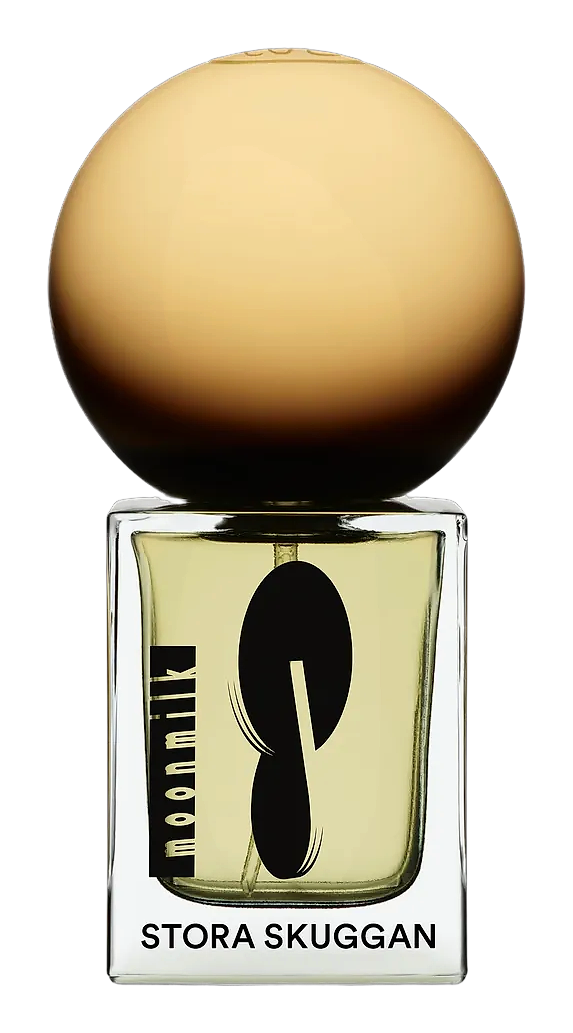
Conrad Gessner descended into Mount Pilatus in 1555 and found something extraordinary: moonlight so concentrated it gathered in liquid form, dripping from stalactites into pools that never dried. He called it Moonmilk. Tomas Hempel translated this mineral wonder into fragrance form, using Lime to capture the initial brightness of cave entrance and Black Tea to evoke the cool, slightly smoky air of deep underground spaces.
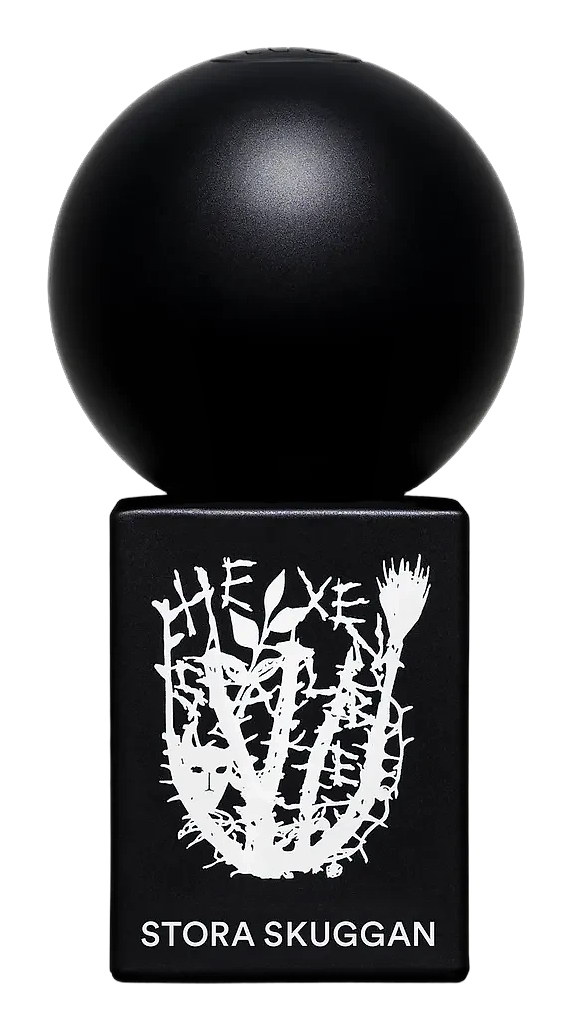
Stora Skuggan works with botanical memory and atmospheric places, and Moonmilk exemplifies this approach. The house chose each note to represent a different element of the cave experience: the lime for brightness, black tea for mineral coolness, cardamom and pepper for the warmth of human presence in cold spaces, lily of the valley for the white luminescence Gessner documented, and sandalwood-leather for the cave's ancient, tactile reality. The fragrance asks you to imagine standing in that space, experiencing light behaving strangely.
The evolution
The opening Lime-Black Tea accord establishes the cave-mouth moment, where outside brightness meets underground coolness. As the fragrance develops, Cardamom and Black Pepper create warmth that mirrors torchlight in darkness, while Lily of the Valley provides the white, luminous quality Gessner described. The Mandarin Orange keeps the heart from becoming too heavy, maintaining that sense of pale light. In the drydown, Sandalwood and Leather work together to create the mineral depth of cave walls, the leather perhaps evoking Gessner's expedition gear while the sandalwood suggests the sacred, almost spiritual atmosphere of the discovery.
Cultural impact
Moonmilk centers on its lactonic quality, that creamy, almost milk-like note that gives the fragrance its name and much of its character. Incense and woods form the backbone, lending the composition a mysterious quality that feels neither purely comforting nor entirely austere. The house takes an atmospheric approach that is reference-driven and unapologetically literary, building associations through scent rather than explanation. The lactonic note creates an unexpected warmth against cooler elements, producing a fragrance that feels like it belongs in half-lit rooms and quiet corners.