
The Story
Why it exists.
The beginning
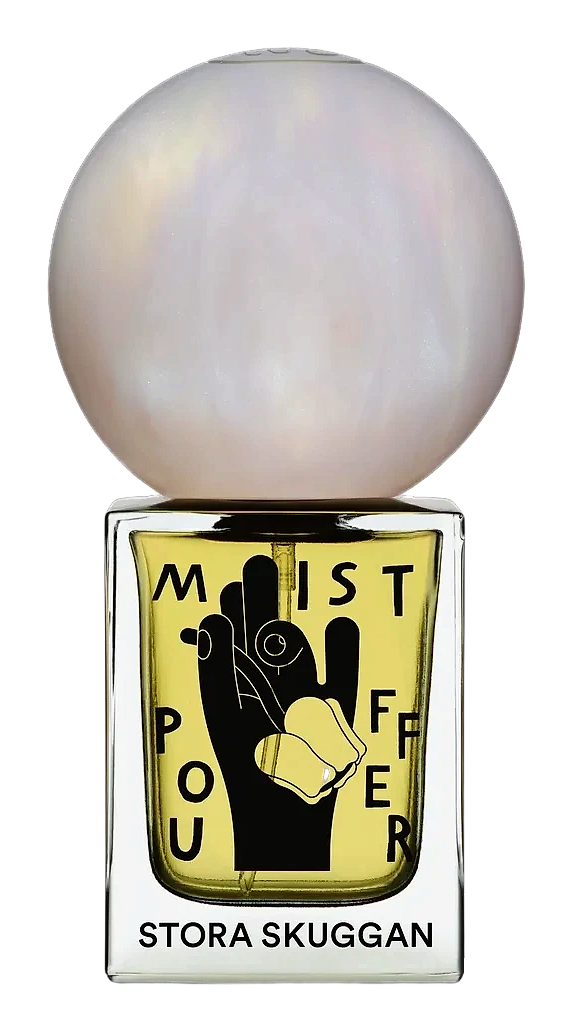
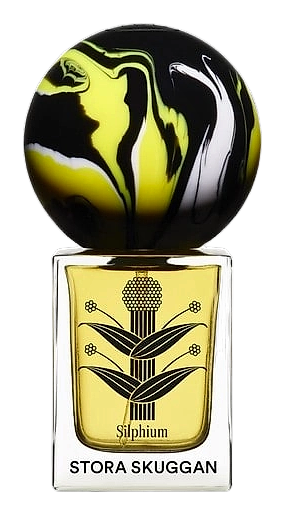
Stora Skuggan named this fragrance after the most valuable spice in the ancient world. Silphium grew only in a narrow strip along the North African coast near Cyrene, present-day Libya, and nobody could cultivate it. Greek philosophers praised it. Roman emperors competed for it. And then it disappeared entirely, harvested to extinction by the very empires that loved it most. The question that drove Tomas Hempel and Olle Hemmendorff was simple: what does a lost thing smell like? They built an accord from assumed botanical relatives, researching surviving Ferula species and reconstructing through aromachemicals what the original plant might have contributed. The result is a fragrance that exists in the space between scholarship and imagination, an olfactory hypothesis dressed in leather and resin.
What makes Silphium unusual is the tension between its materials. The heart brings green, almost bitter aromatics, geranium and black pepper, that read sharp and medicinal rather than sweet. But the base pulls warm and dark, with frankincense, myrrh, and tobacco creating depth that prevents the composition from feeling purely analytical. The leather in the base acts as a bridge: it carries the aromatic top through to the resinous foundation, giving the fragrance a through-line rather than distinct phases. This structure is not common, most fragrances that lead with spice either stay sharp or collapse into sweetness. Silphium does neither.
The evolution
The opening announces labdanum cleanly, a brief balsamic tartness, almost citrus-like, before the real work begins. The heart opens with green and spice: ginger and geranium introduce an aromatic quality, slightly medicinal, while black pepper and clove add warmth without sweetness. The transition matters here, the green notes don't disappear but gradually recede as tobacco emerges from the base, providing dry papery warmth that softens the sharpness. Frankincense and myrrh layer in, adding resinous depth that gives shadow to the composition. The top notes fade but don't vanish, they're absorbed rather than replaced. By the drydown, cedar and leather anchor everything, with a final warmth that wraps close to skin. This is where Silphium earns its reputation. The fragrance persists for two days on fabric, sometimes three on skin, with a projection that stays intimate rather than announced. It becomes part of the wearer rather than an environment they create.
Cultural impact
Since its 2017 launch, Silphium has built a loyal following among those who track unusual niche releases. The story, an extinct plant reconstructed through botanical research, gives the fragrance a narrative weight that resonates in fragrance communities. Wearers describe it as the scent of someone who does not need to explain themselves. The green-spicy-resinous combination places it in a specific niche: aromatic enough to stand out, warm enough to wear in cooler months, with a quiet intensity that rewards those who notice. It sits alongside references like Tauer Perfumes' L'Air du Désert Marocain, fragrances that trade in atmosphere and material history rather than accessible sweetness.