Lichen
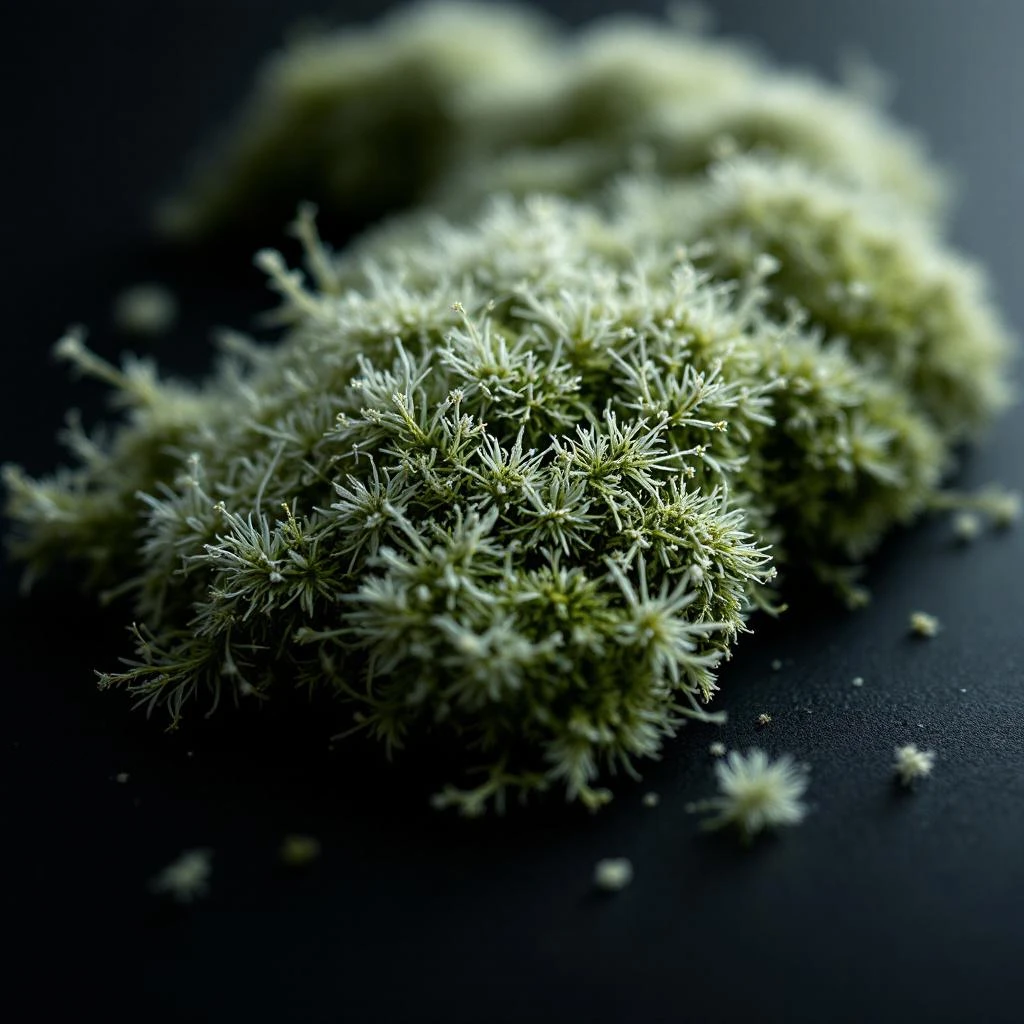
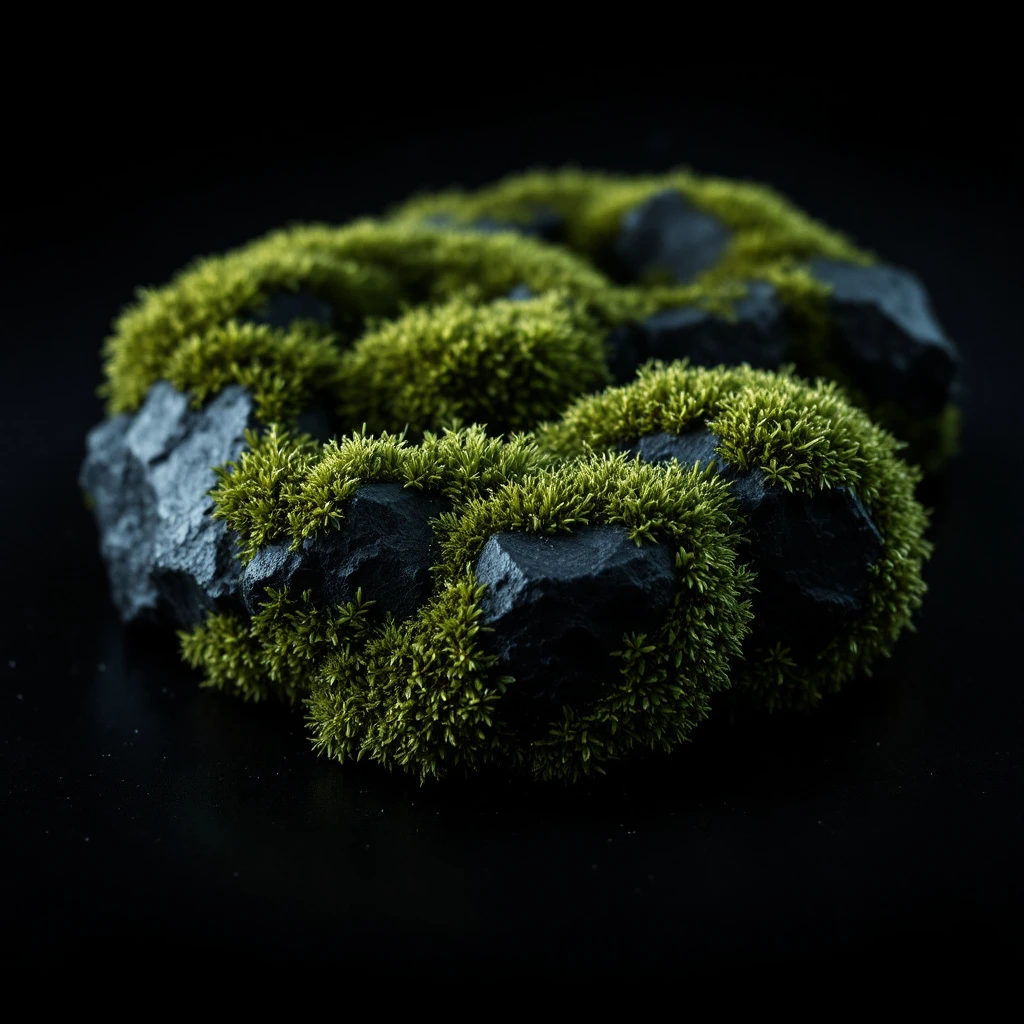
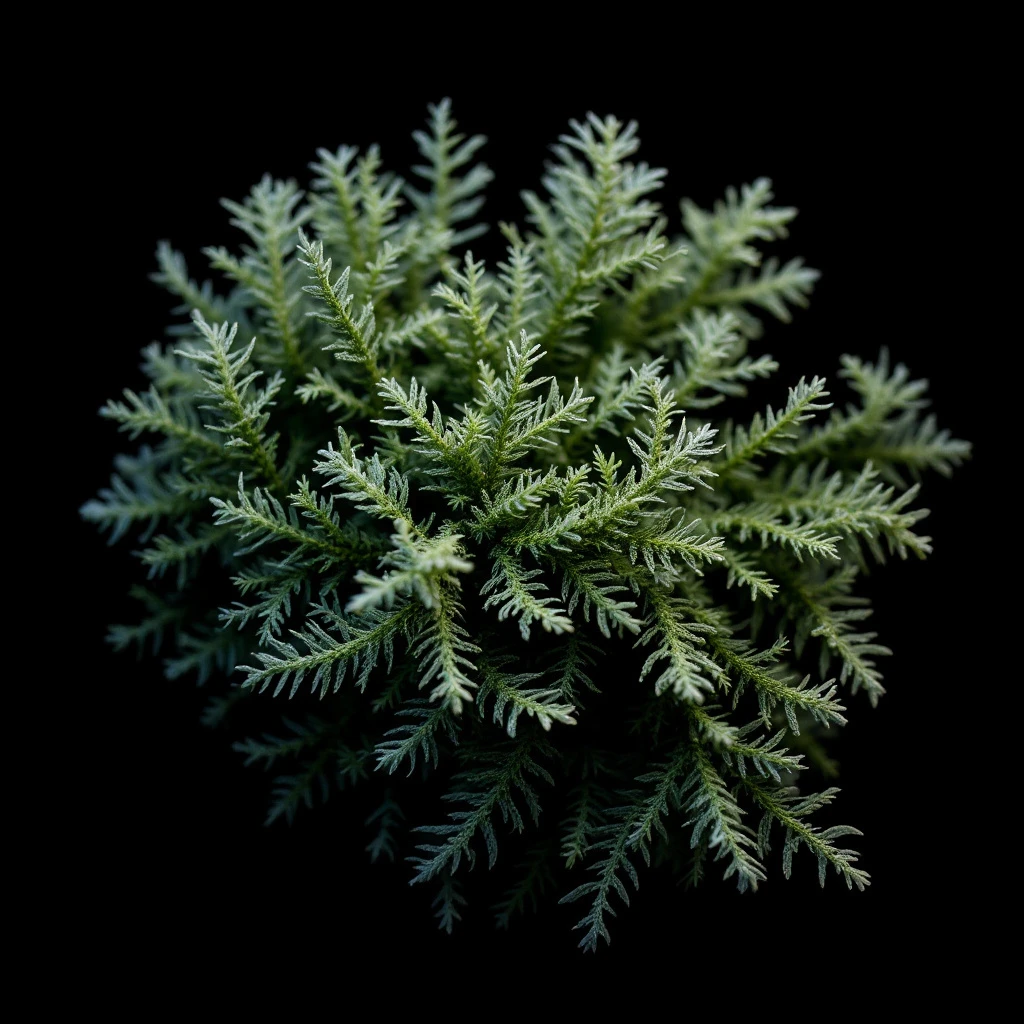
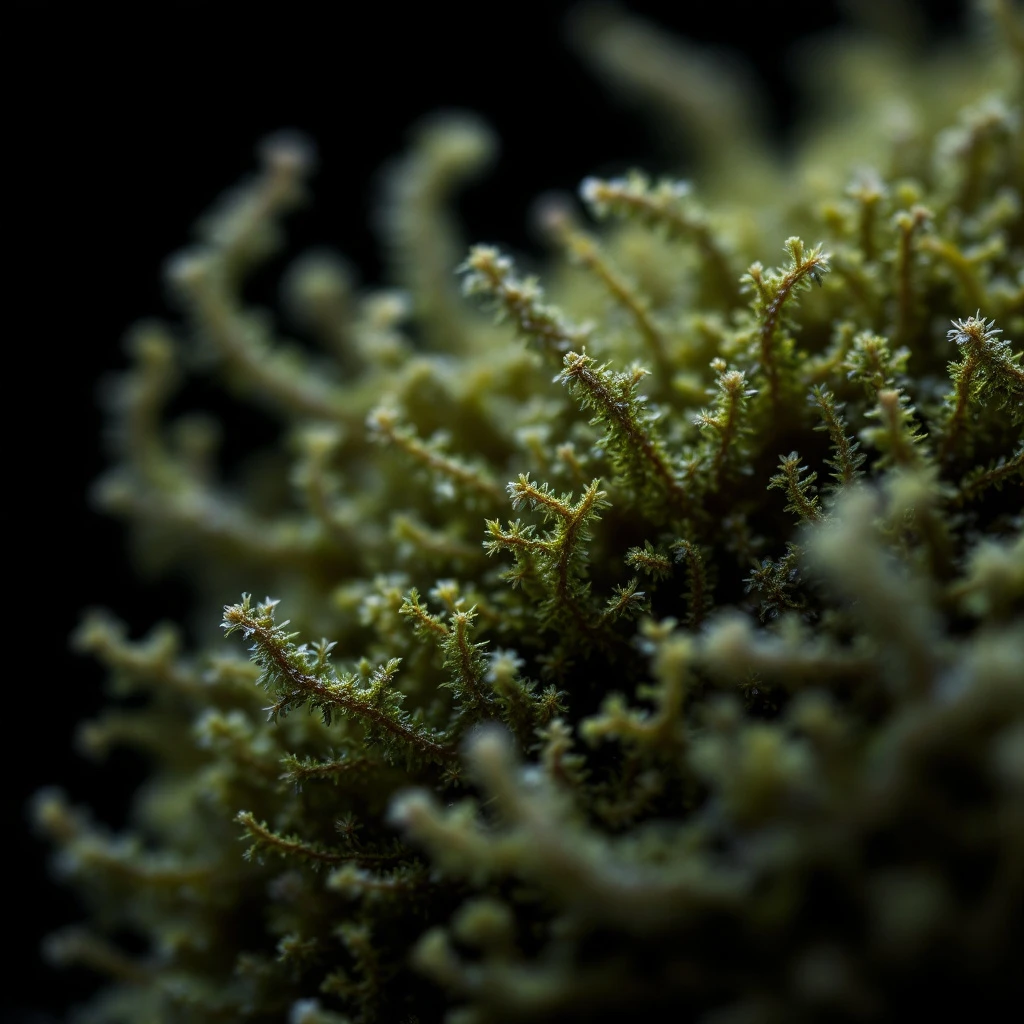
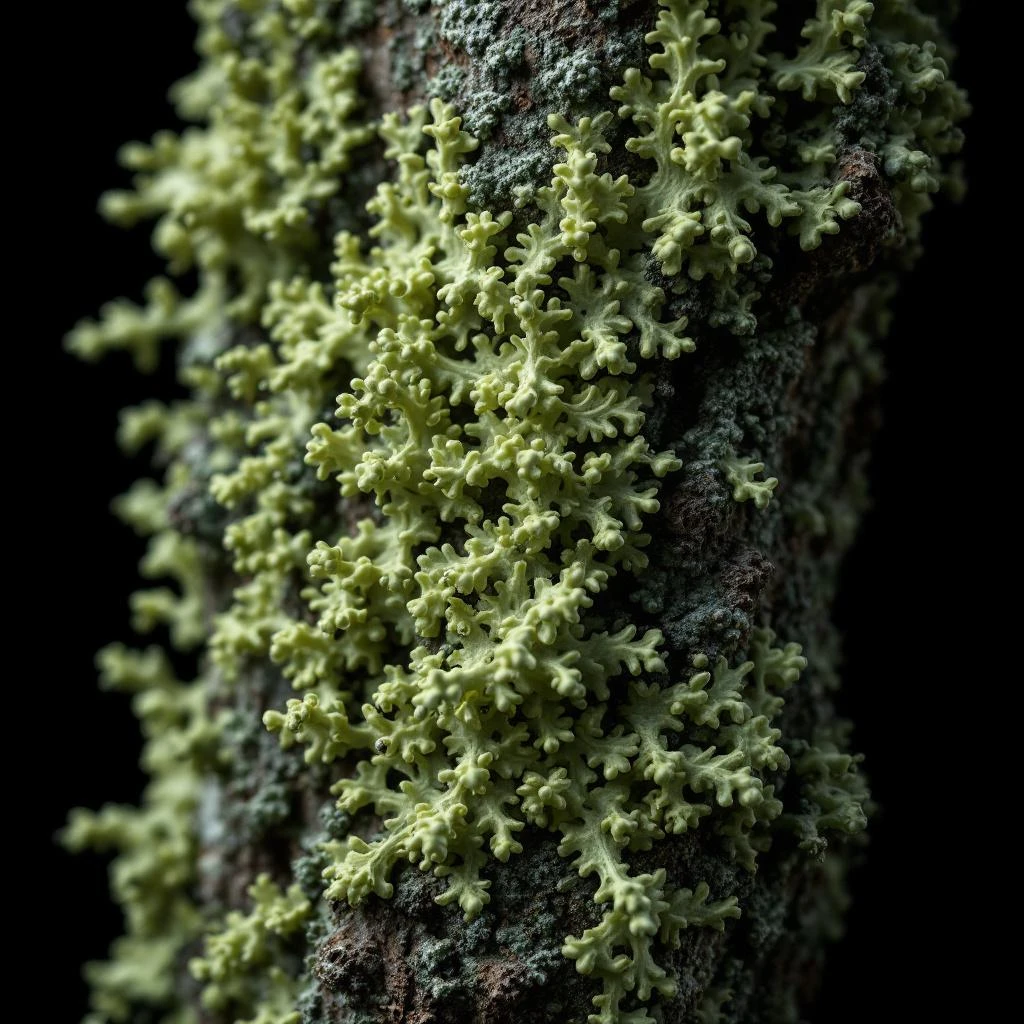
Lichen brings the wild, damp forest floor into a bottle: earthy, mossy, with a leathery bark-like warmth that anchors countless fougère and chypre compositions.
Character
How it smells
Forest floor captured in a drop
Oakmoss was the first natural ingredient restricted by IFRA in 2001, forcing perfumers to reformulate legendary fragrances.







Origin
France
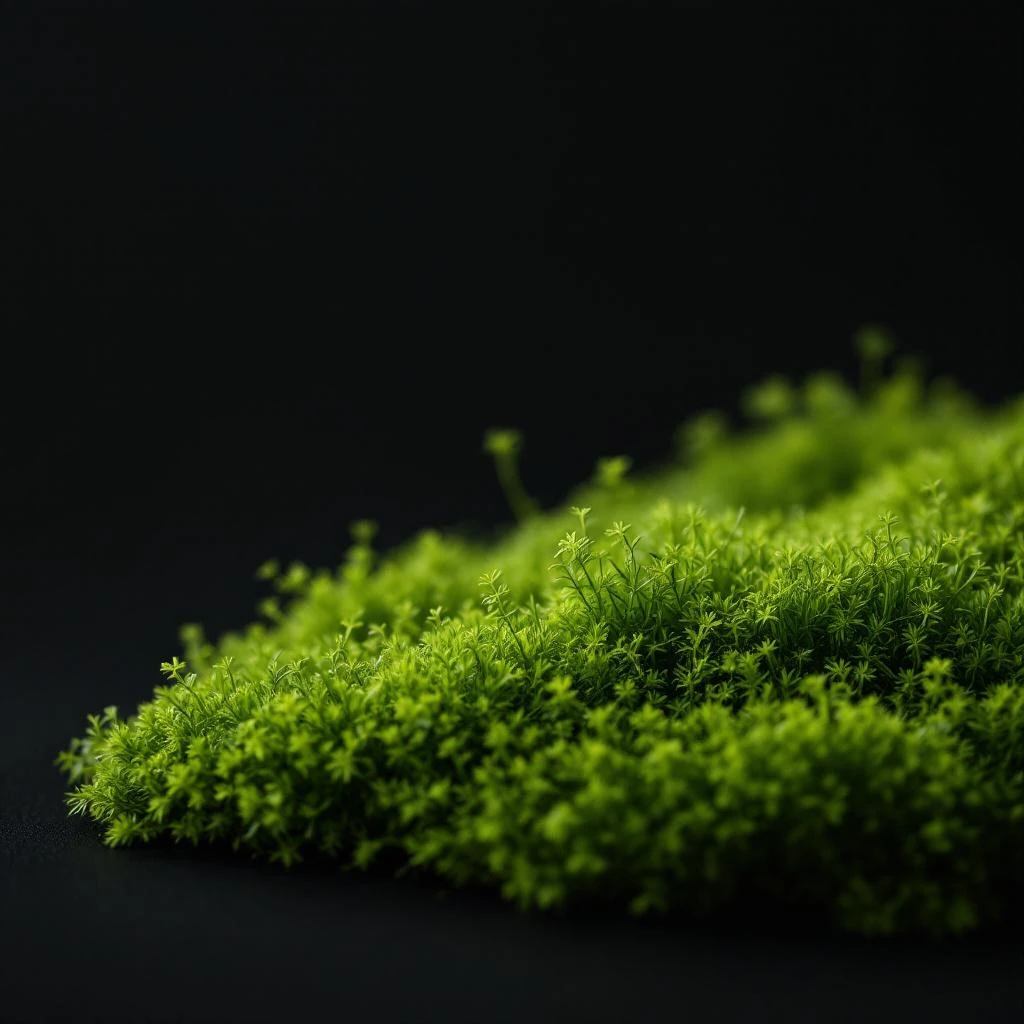
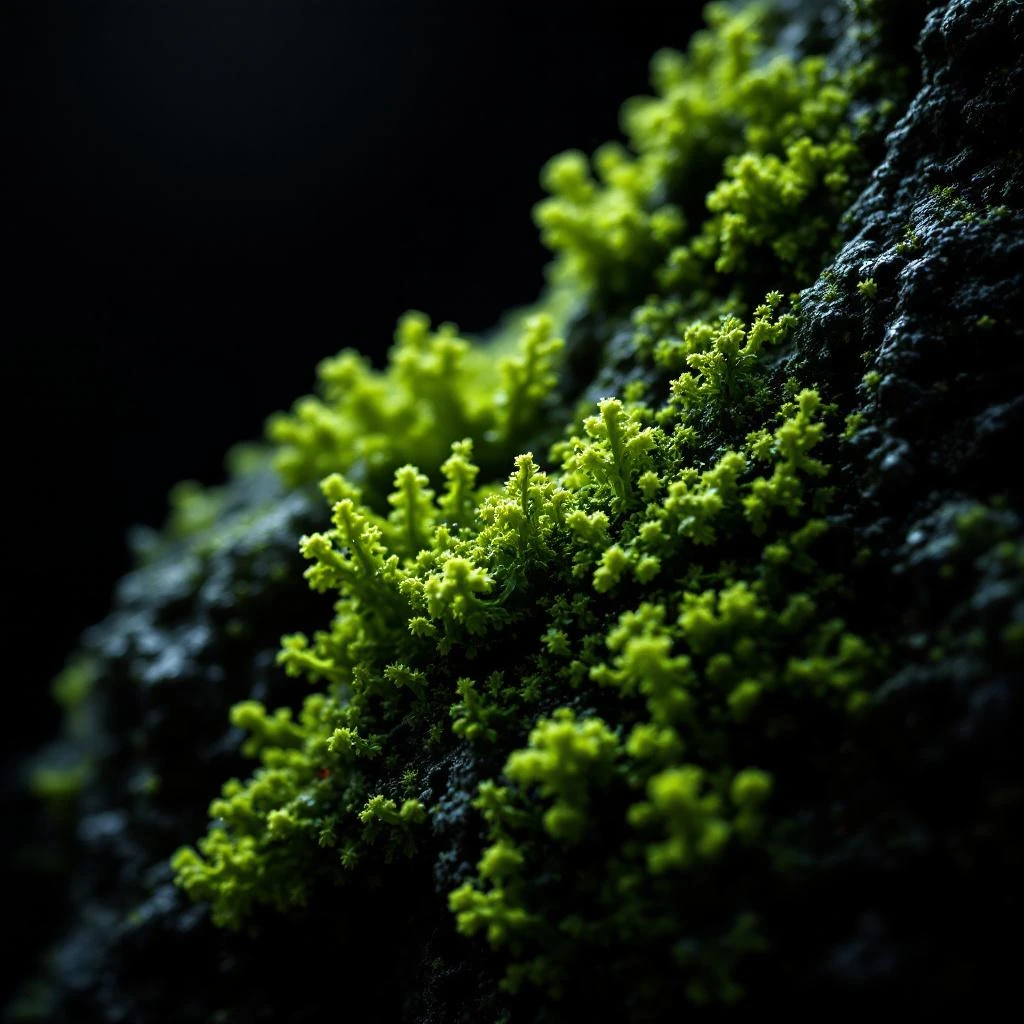
Lichen has perfumed European civilization for at least six centuries. Early monastic pharmacopeias in 15th-century Italy listed it among aromatic substances for incense and medicinal balms. By the 17th century, French and Italian perfumers incorporated oakmoss into pomades and scented powders.
The ingredient became foundational in the 19th century when Fougère Royale (1882) by Houbigant established the fougère family, built around oakmoss, lavender, and coumarin. Throughout the early 20th century, oakmoss anchored legendary chypre compositions and masculine colognes. Harvesting peaked in the oak forests of France, the Balkans, and North Africa, where rural workers collected wild lichen for industrial extraction.
The 2001 IFRA restriction on atranol and chloratranol reshaped the industry, prompting both rectified natural extracts and synthetic substitutes that preserve the original forest-floor character while meeting modern dermatological standards.
Wears it best
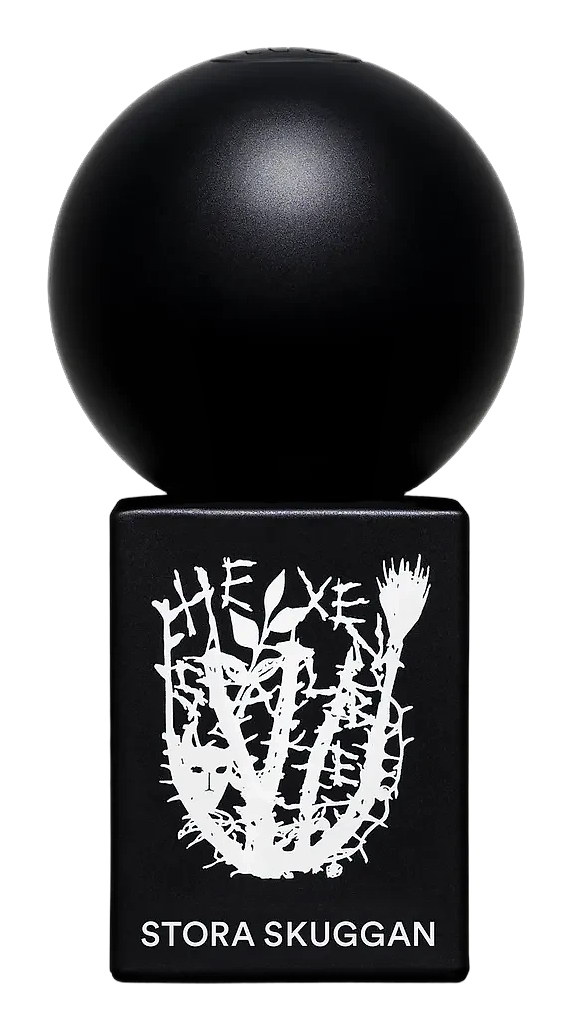
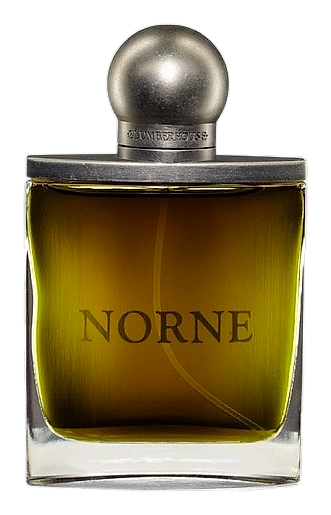
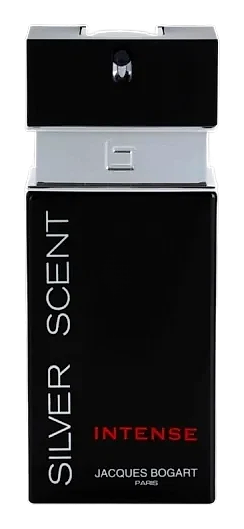
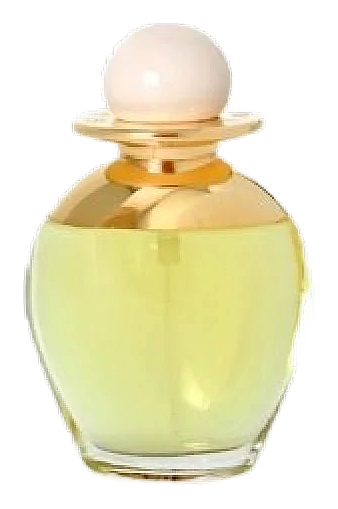
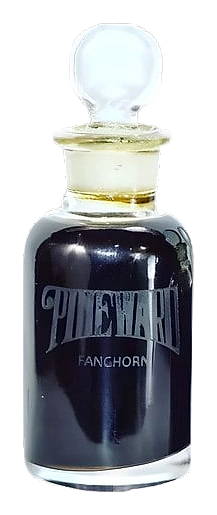
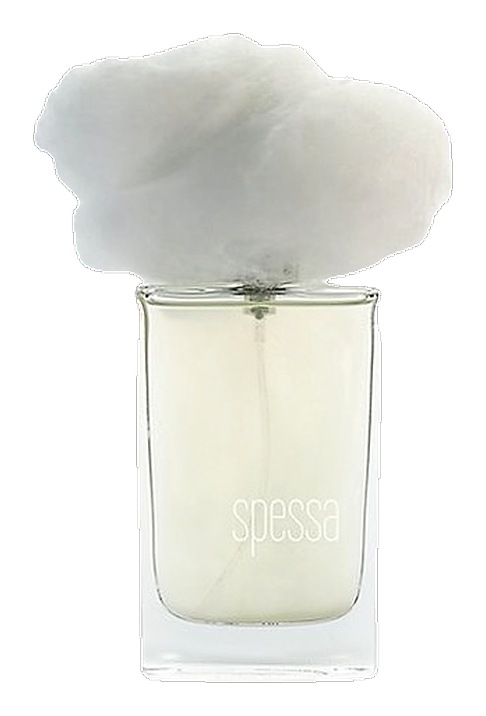
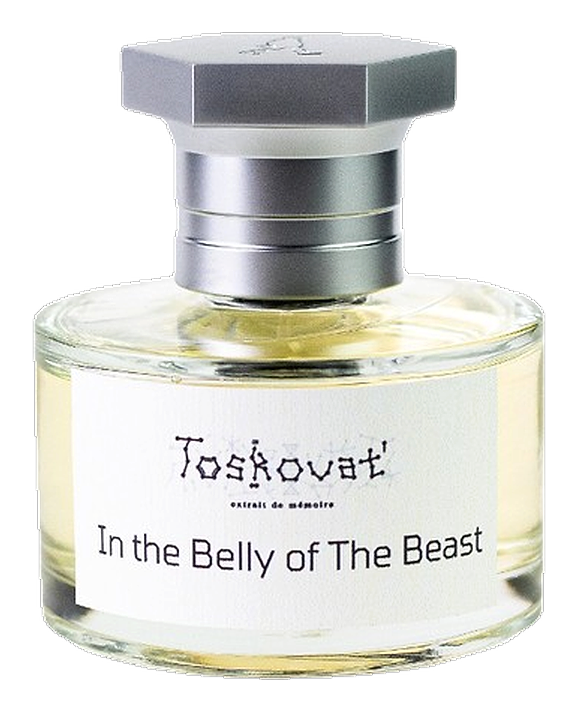
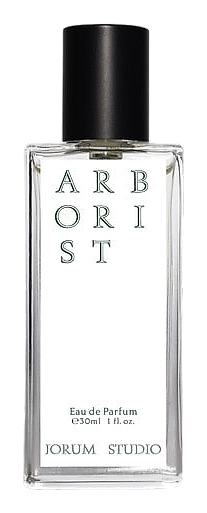
Fragrances featuring Lichen
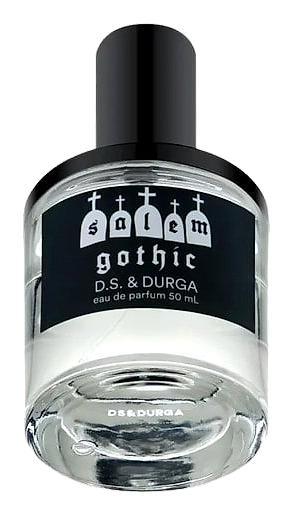
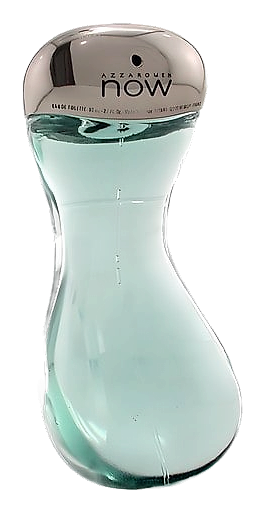
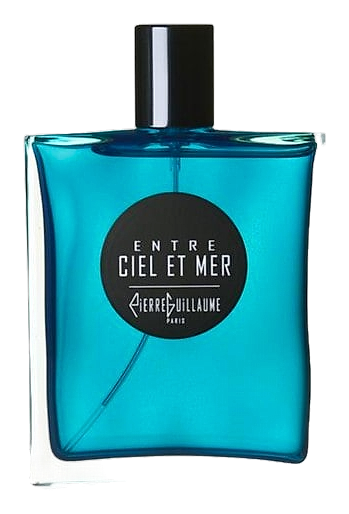
Brands
Brands known for Lichen
Good to know
Questions, answered
The essentials on Lichen in perfumery: how it smells, where it comes from, and how it behaves on skin.
What does lichen smell like in perfume?
Lichen, particularly oakmoss absolute, delivers an earthy, damp forest-floor scent with leathery, bark-like warmth and subtle marine undertones. It acts as a natural fixative, anchoring more volatile top and heart notes.
Is lichen the same as oakmoss?
Oakmoss (Evernia prunastri) is one species of lichen used in perfumery. Treemoss (Evernia furfuracea) is a second commercial variety. Both belong to the broader category fragrance perfumers call 'lichen.'
Why is oakmoss restricted in perfumery?
IFRA restricted oakmoss extracts in 2001 because they contain atranol and chloratranol, compounds linked to skin sensitization. Modern versions are rectified to reduce these allergens below regulatory thresholds.
What fragrance families use lichen most?
Lichen is a cornerstone of fougère and chypre compositions, appearing in classics like Fougère Royale and countless masculine colognes. It also appears in modern woody and aromatic fragrances seeking forest-floor depth.
Can lichen notes be made synthetically?
Yes. Modern perfumers often use synthetic lichen bases built around methyl atrarate and nature-identical compounds. These offer consistent quality and comply with allergen regulations without harvesting wild lichen.
Where is oakmoss harvested for perfume?
France, the Balkans, and North Africa supply most commercial oakmoss. Harvesters collect the lichen by hand from oak and conifer bark during dry months, then air-dry it before extraction.
How long does lichen last in a fragrance?
Lichen extracts rank among the most tenacious natural fixatives, often anchoring base notes for 12 hours or more on skin. Their low volatility makes them essential for longevity in classical perfumery.
Is lichen vegan and cruelty-free?
Lichen extracts are plant-derived (lichen being a symbiosis of fungi and algae), so they qualify as vegan. No animal testing is involved in standard solvent extraction, though consumers should verify individual brand certifications.