Arctic Moss
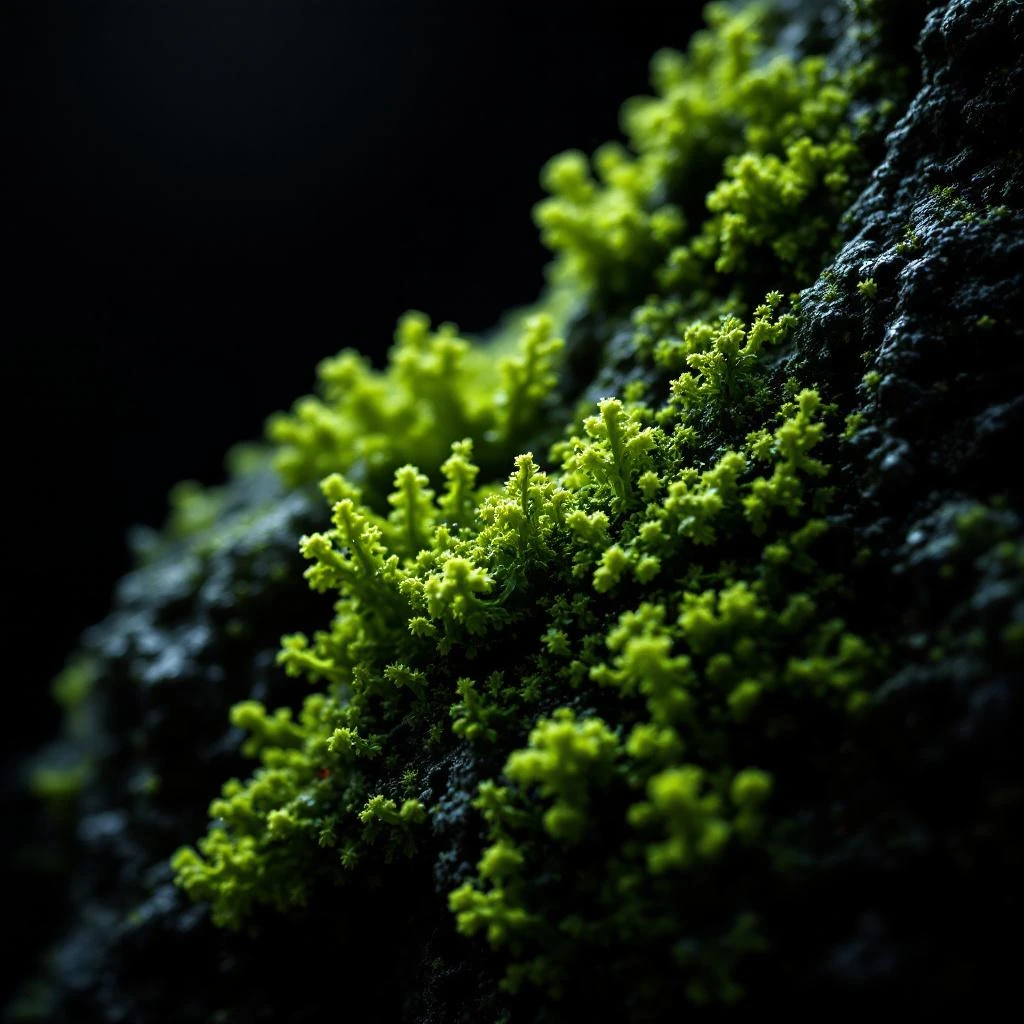
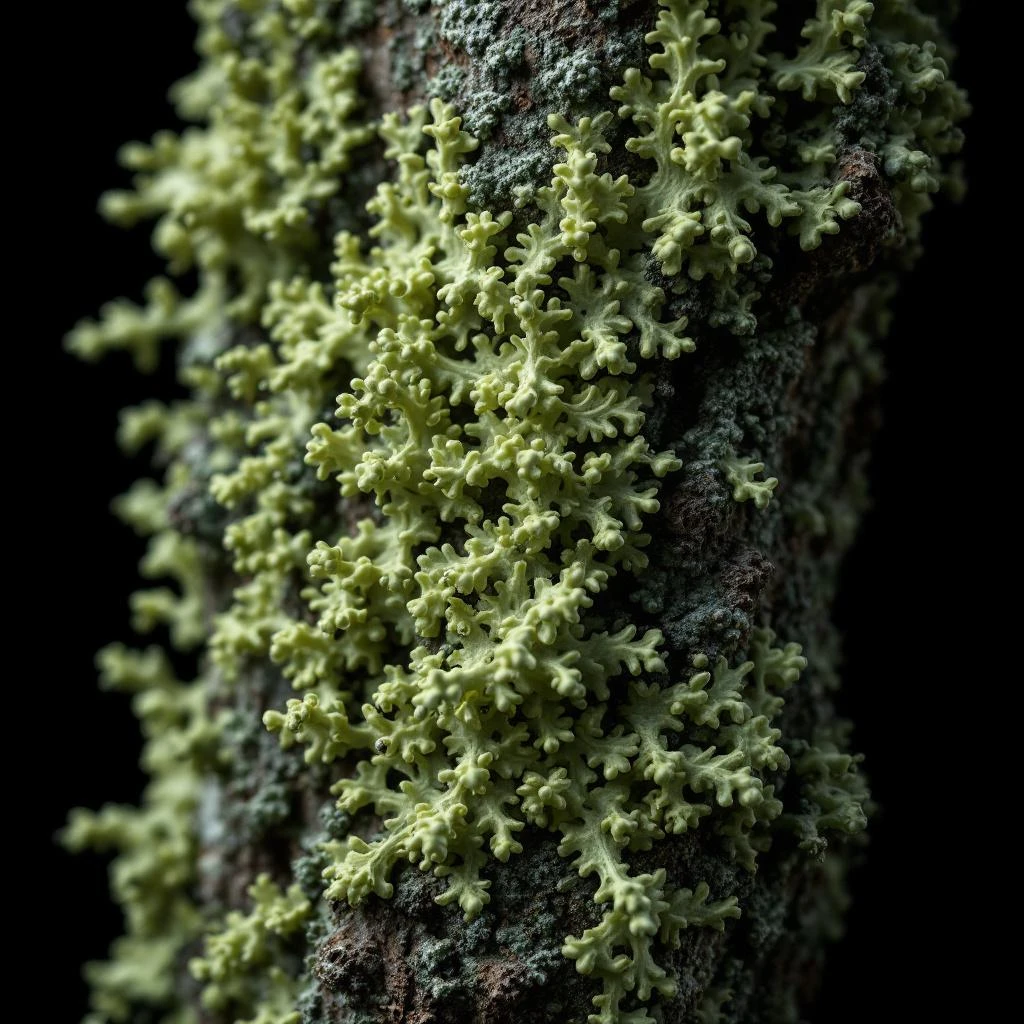
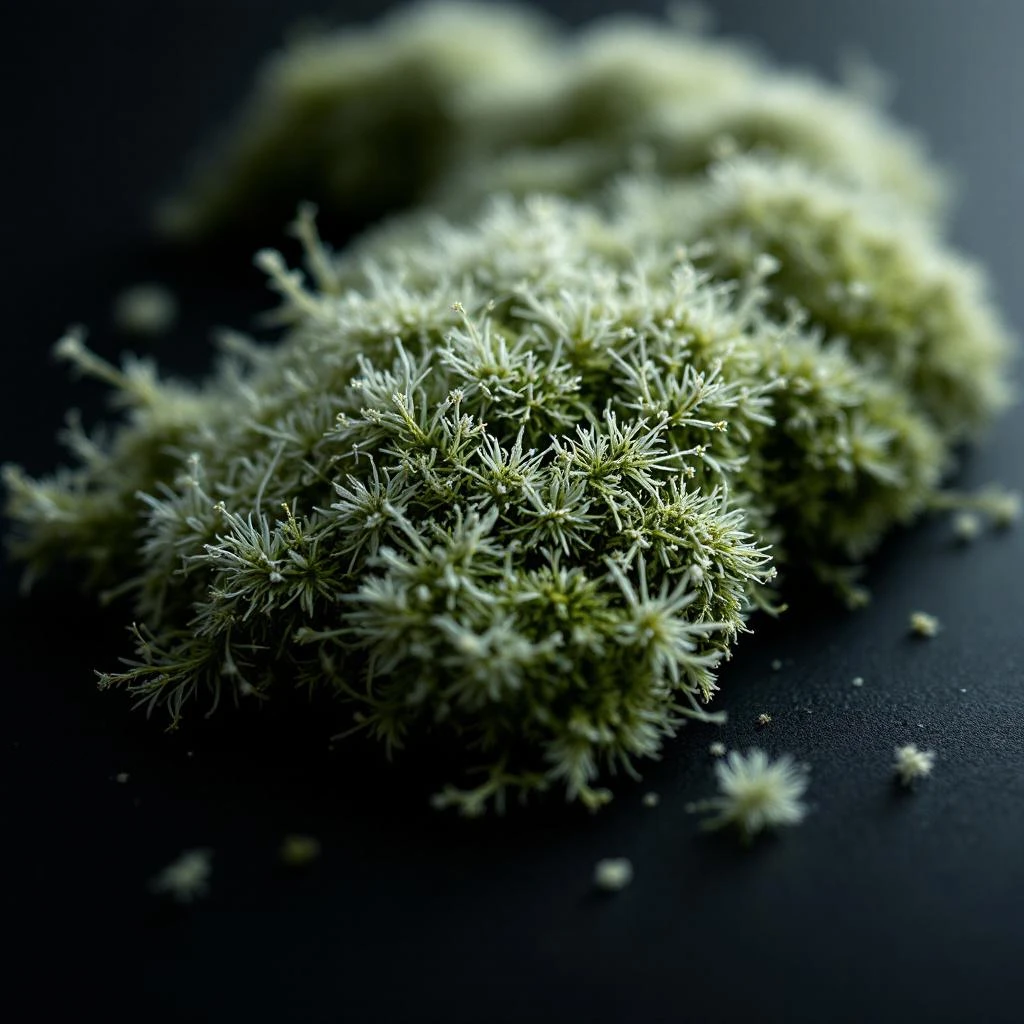
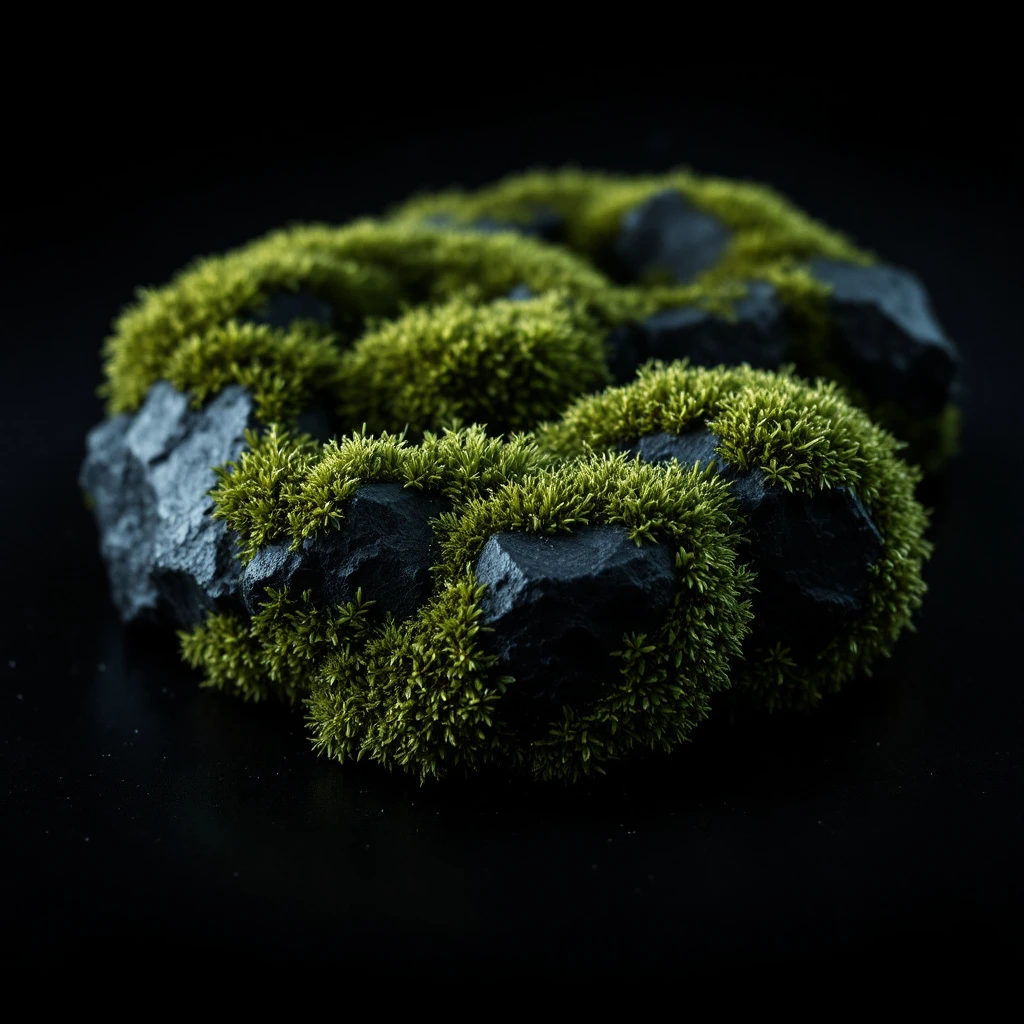
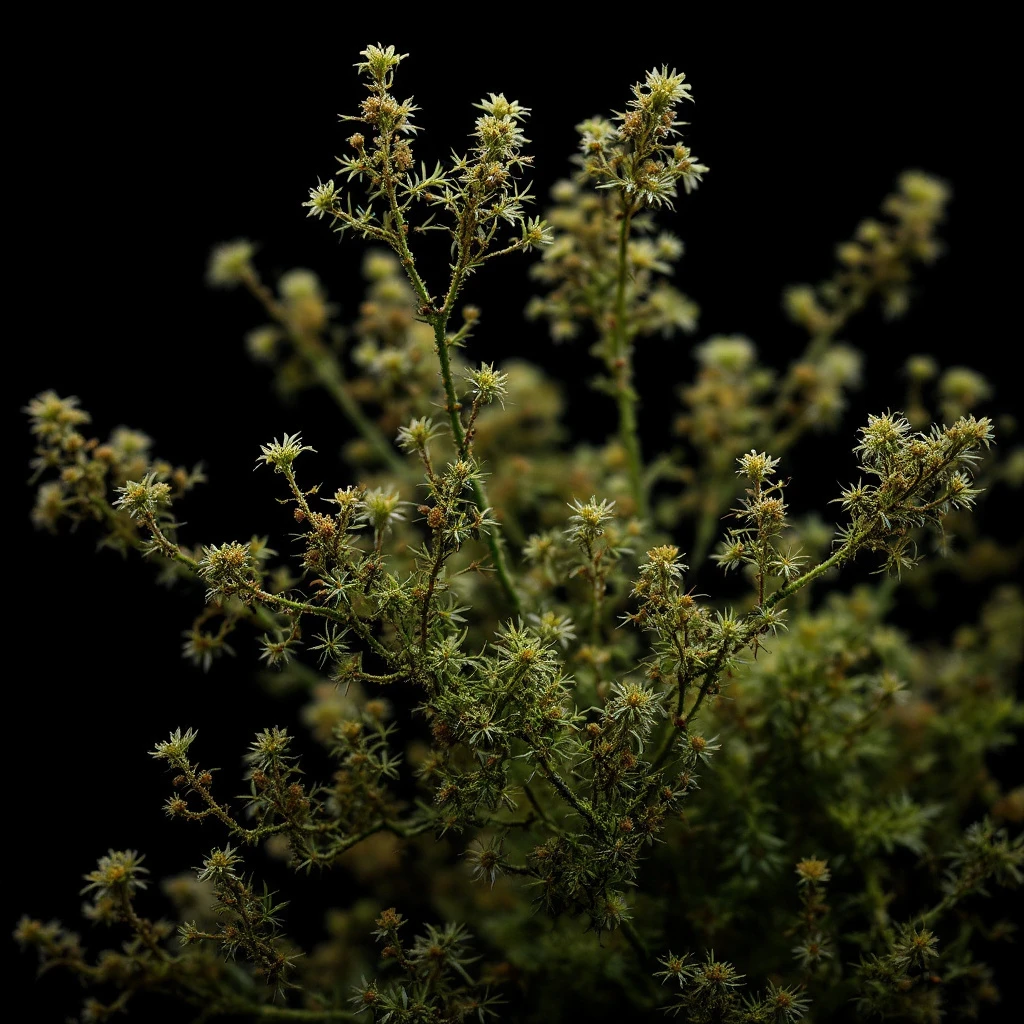
Arctic Moss captures the living scent of northern boreal forests. Derived from reindeer lichen and wild forest mosses, this ingredient delivers an authentic, earthy aroma that transports wearers to misty old-growth woodlands.
Character
How it smells
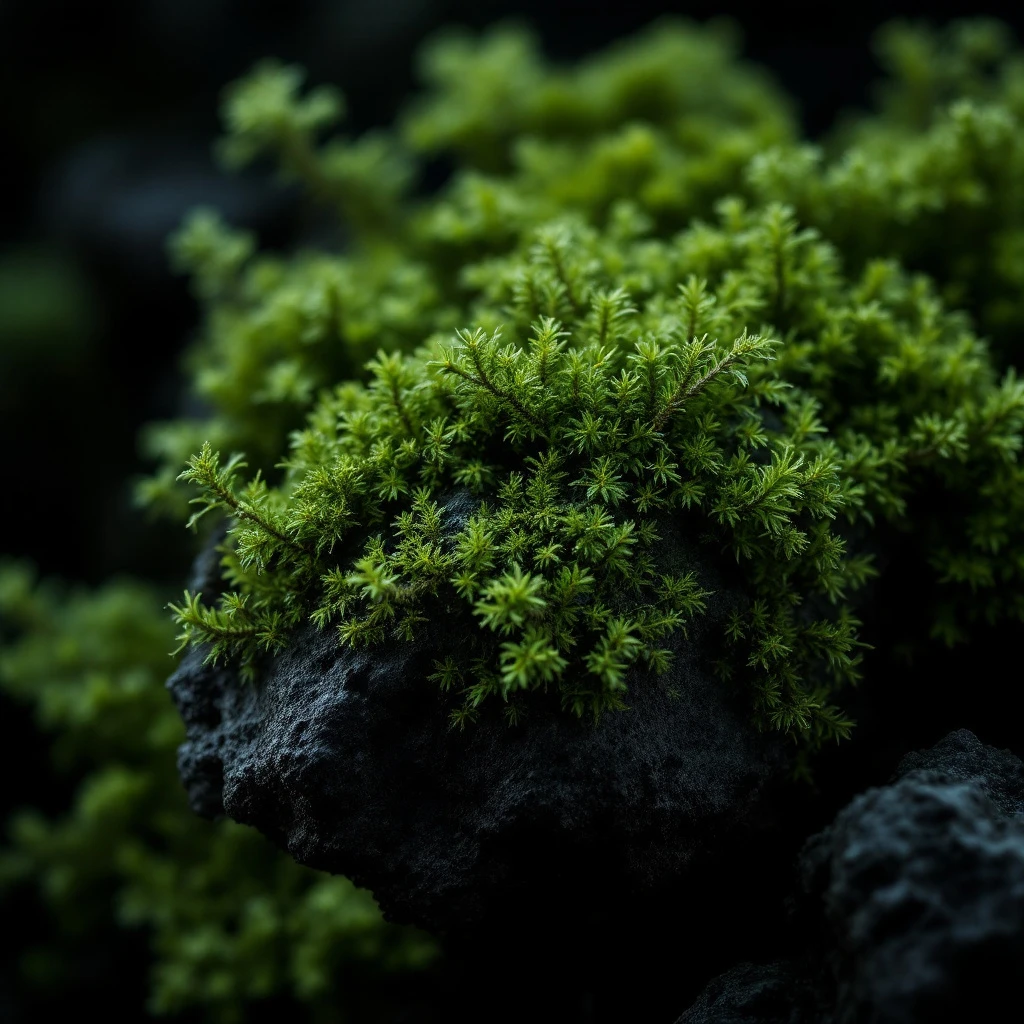
The living scent of northern forests
Reindeer lichen can live for over 100 years and grows only 3-5mm per year, making each harvest a patient act of botanical stewardship.




Origin
Norway
Reindeer lichen has sustained indigenous peoples across northern latitudes for millennia, serving as food, medicine, and ritual material. For perfumery, mosses entered the Western fragrance tradition more recently.
Coty's 1917 Chypre perfume established oakmoss as a foundational note, but the broader moss category expanded through 20th century experimentation. Northern perfumers began exploring reindeer lichen specifically for its distinctive character: cooler, cleaner, and more animalic than temperate oakmoss.
Scandinavian parfumeurs, working with their own boreal landscapes, developed the Arctic Moss concept to honor ingredients growing in their forests. Today, sustainable harvesting practices protect these slow-growing organisms while preserving a living connection to northern olfactory traditions.
Wears it best
Fragrances featuring Arctic Moss
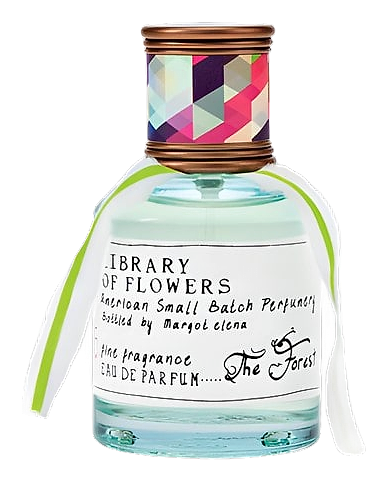
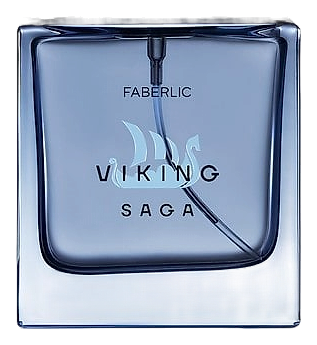
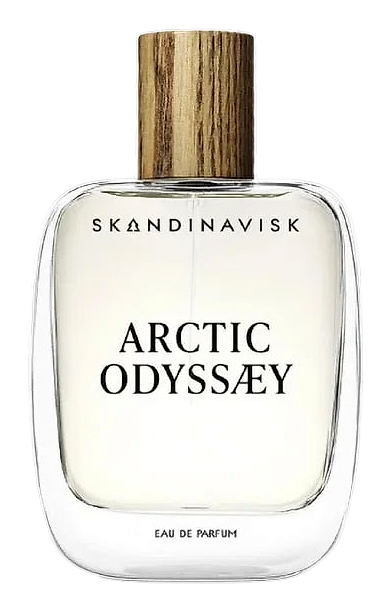
Brands
Brands known for Arctic Moss
Good to know
Questions, answered
The essentials on Arctic Moss in perfumery: how it smells, where it comes from, and how it behaves on skin.
Is Arctic Moss a true moss or something else entirely?
Arctic Moss typically refers to reindeer lichen (Cladonia rangiferina), a lichen not a true moss. Lichens are symbiotic organisms pairing fungi and algae, while mosses are independent plants. This distinction matters for scent and harvesting.
What does Arctic Moss smell like?
Arctic Moss delivers a cool, earthy aroma with resinous undertones. Expect damp forest floor, dried herbs, and a faint animalic whisper. The scent feels clean yet deeply organic, reminiscent of morning mist in northern woodlands.
How long does the tincturing process take?
Quality Arctic Moss tinctures require extended maceration, typically five to seven months. This slow extraction captures delicate compounds that faster methods miss, resulting in a more nuanced, authentic forest character.
Where does commercial Arctic Moss grow?
Reindeer lichen thrives in boreal and arctic regions across Scandinavia, Canada, Alaska, and Scotland. Cold climates with acidic soils and minimal pollution produce the highest quality material for perfumery.
Is Arctic Moss sustainably harvested?
Sustainability varies by producer. Ethical suppliers limit harvest to small patches, allowing decades for regrowth. Some regions prohibit commercial collection entirely. Ask your supplier about their sourcing practices.
How does Arctic Moss differ from oakmoss?
Oakmoss grows on trees in temperate forests; Arctic Moss (reindeer lichen) carpets the ground in cold regions. Oakmoss is darker, more fungal; Arctic Moss is cleaner, more herbal, with animalic undertones. They rarely substitute for each other.
What fragrance families use Arctic Moss?
Chypre, fougere, and forest-forward compositions feature Arctic Moss most prominently. It adds depth to woody and aromatic fragrances while providing an authentic natural character that synthetic substitutes cannot replicate.
Can I grow or harvest Arctic Moss myself?
Reindeer lichen grows extremely slowly (3-5mm annually) and does not transplant well. Wild harvesting damages slow-growing patches. Purchasing from ethical suppliers supports sustainable practices better than personal collection.