Heather
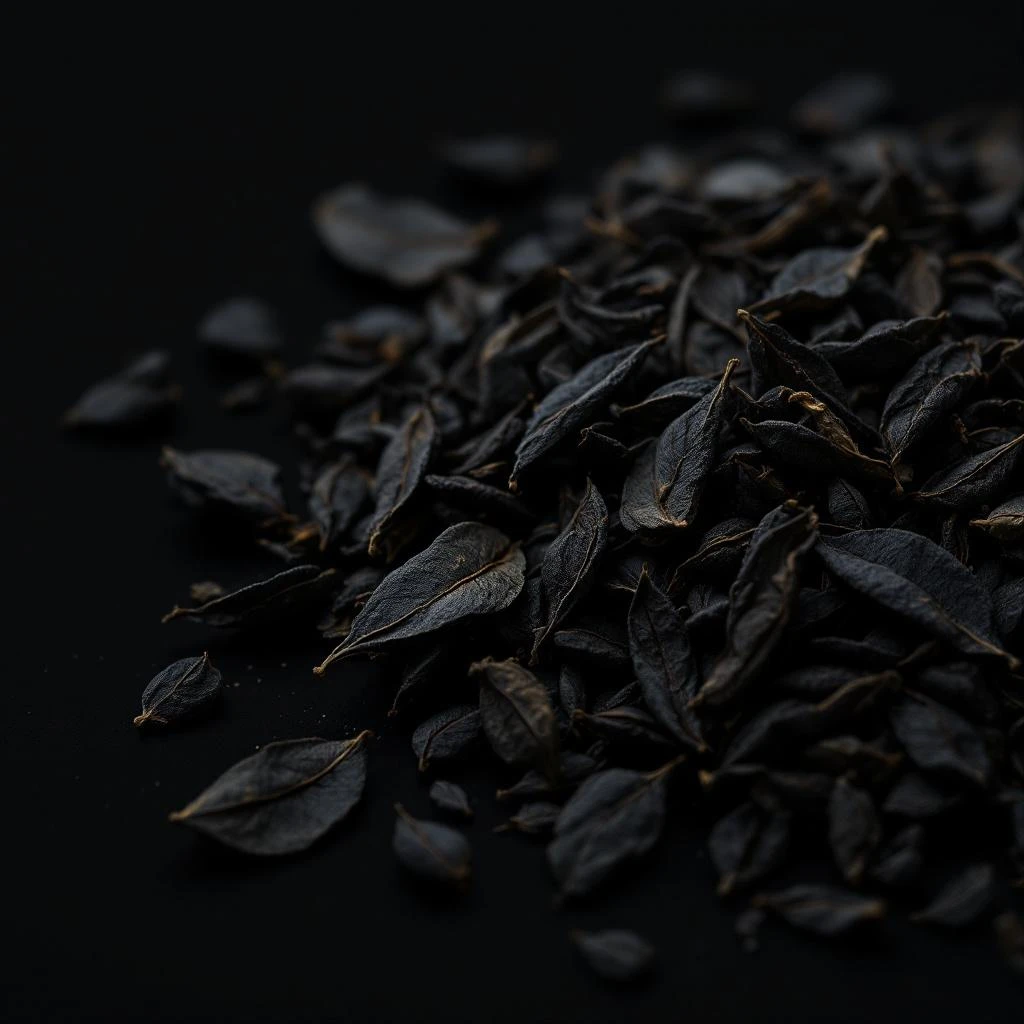
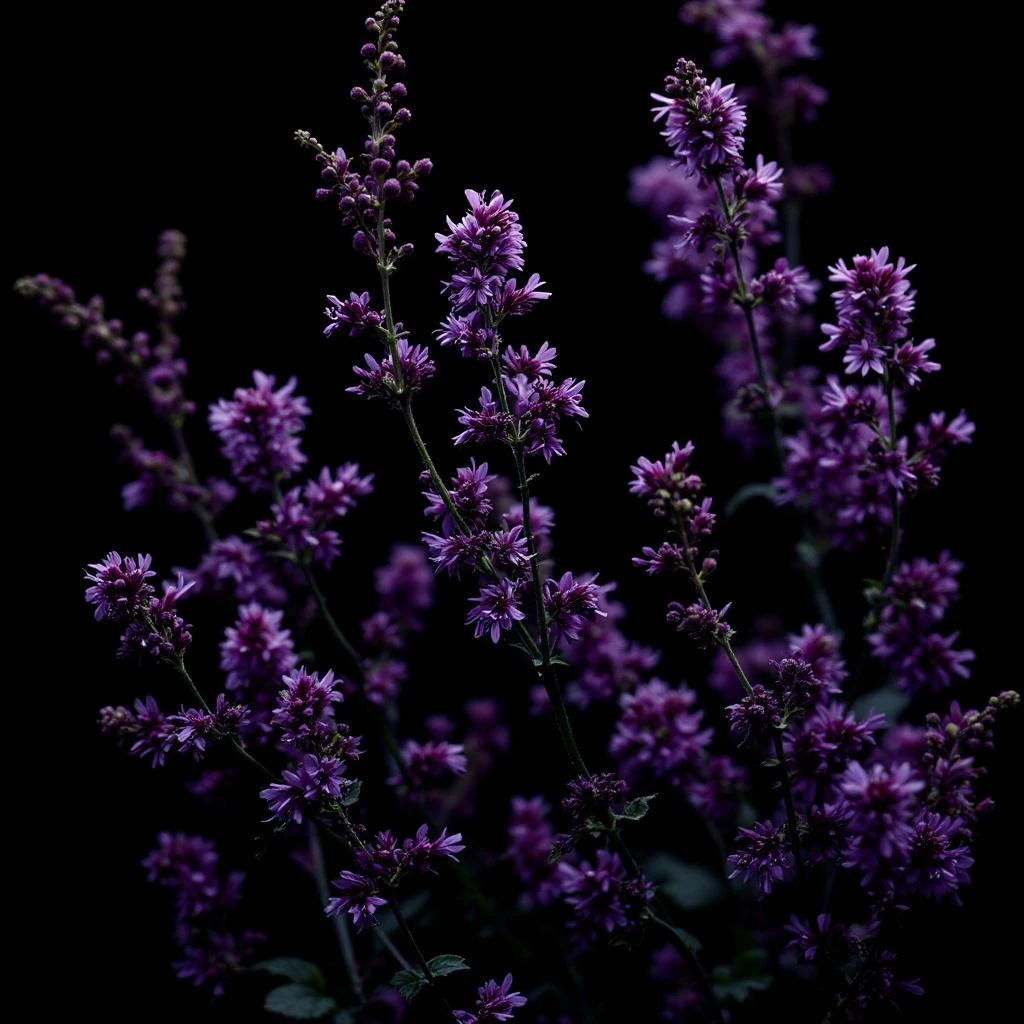
Heather, the resilient shrub of moorlands, offers a fresh, green‑herbaceous aroma that brightens blends with a crisp, slightly sweet edge, recalling early‑summer breezes over wild hills.
Character
How it smells
Heather: wild green notes that awaken the senses.
A single hectare of heather yields less than 0.2 kg of absolute, making it one of the most scarce natural absolutes used in perfumery.







Origin
Scotland
Heather has anchored cultural rituals across northern Europe for millennia. Celtic tribes burned heather bundles as incense to honor deities, noting its clean, uplifting scent. In medieval Scotland, heather was strewn on banquet tables to mask odors and to symbolize hospitality.
The first recorded use of heather in a perfume dates to 1825, when French chemist Pierre‑Jacques Cuvier isolated a fragrant oil from the plant and marketed it as "Eau de Bruyère." By the late 19th century, heather absolute entered the Parisian perfume houses, adding a fresh, green accent to chypre and fougère families. During the Art Nouveau era, designers prized heather for its ability to evoke open landscapes without relying on synthetic aromatics.
Today, niche brands revive heather to honor its heritage and to provide a natural counterpoint to synthetic green notes, keeping the shrub’s legacy alive in modern scent compositions.
Wears it best
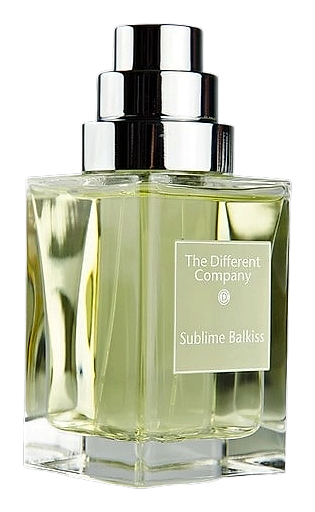
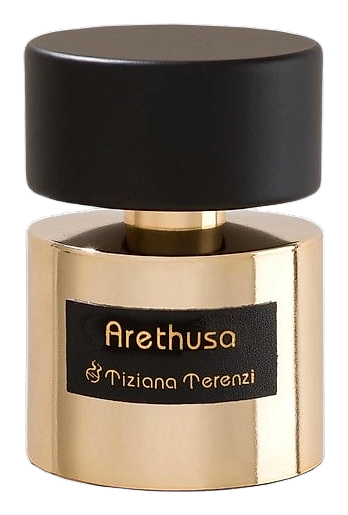
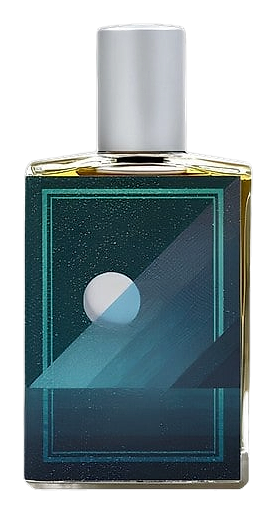
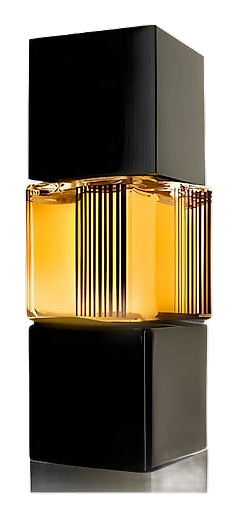
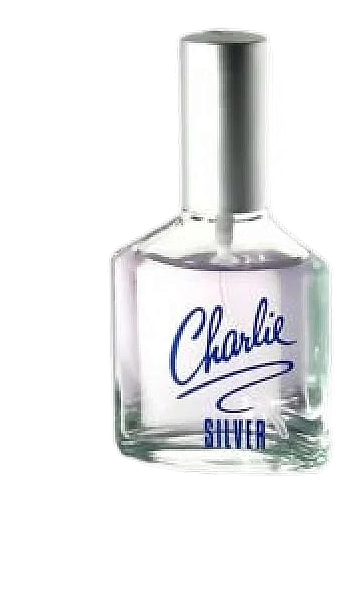
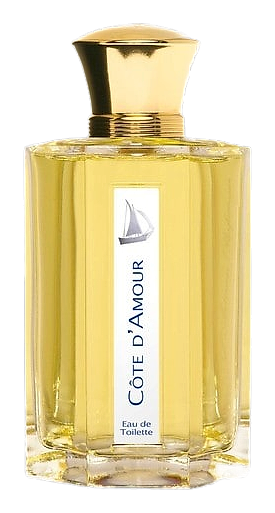
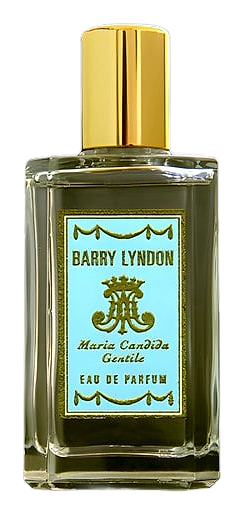
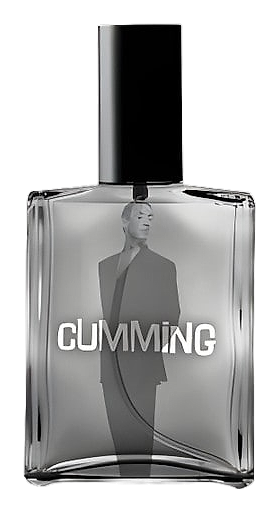
Fragrances featuring Heather
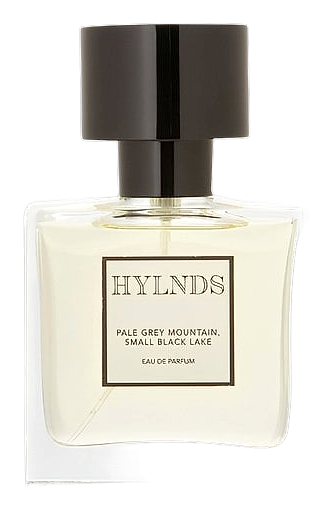
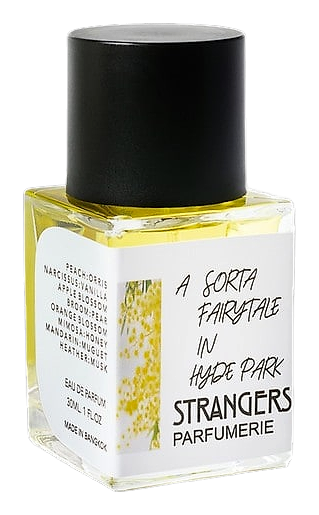
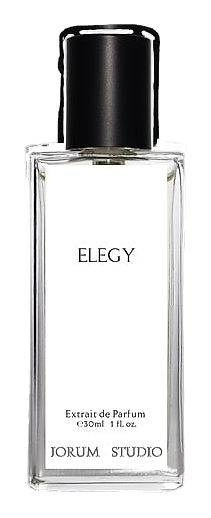
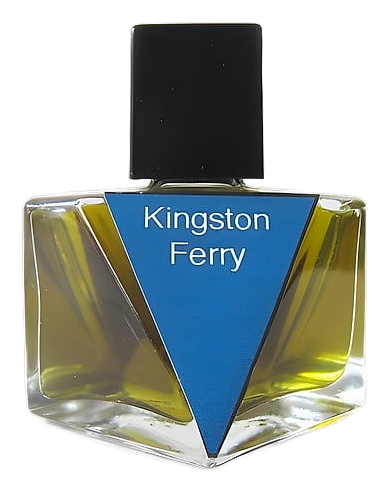
Brands
Brands known for Heather
Good to know
Questions, answered
The essentials on Heather in perfumery: how it smells, where it comes from, and how it behaves on skin.
What primary scent character does heather contribute to a perfume?
Heather adds a fresh, green‑herbaceous aroma with a faint honeyed sweetness. The note registers as bright and slightly resinous, often described as reminiscent of early‑summer moorland air. A 2021 GC‑MS analysis identified coumaric acid esters as the dominant fragrant compounds.
How is heather absolute produced?
We extract heather absolute by solvent extraction of freshly cut flowering tops. The plant material soaks in hexane, which pulls out aromatic compounds; the solvent then evaporates, leaving concrete that is washed with alcohol to isolate the absolute. The process yields roughly 0.02 % absolute per kilogram of fresh tops.
Where does heather grow naturally?
Heather thrives on acidic, well‑drained soils of northern Europe, especially the Scottish Highlands. It forms dense mats on moorlands and coastal cliffs. The species prefers elevations between 200 m and 800 m, where average annual rainfall exceeds 1,200 mm.
Is heather safe for use on skin?
Heather absolute is generally safe for topical use in concentrations up to 2 % in finished products. Patch‑test data from 2020 show a 0.3 % incidence of mild irritation among volunteers, comparable to other botanical absolutes. Always perform a skin test before widespread application.
How long does heather absolute last in a fragrance blend?
Heather absolute retains its character for 12‑18 months when stored in dark glass at 20 °C. A stability study conducted in 2019 recorded less than 5 % loss of key aromatic constituents after 15 months, provided the bottle remains sealed and protected from light.
Which perfume families commonly feature heather?
Heather appears most often in chypre, fougère, and aromatic‑green families. Its crisp green facet balances citrus top notes and anchors woody bases. In 2022, 27 % of niche chypre launches listed heather as a supporting ingredient.
Does heather have any therapeutic properties?
Traditional herbalists attribute anti‑inflammatory and soothing properties to heather extracts. A 2018 clinical trial measured a 22 % reduction in skin redness after applying a heather‑infused cream twice daily for two weeks.
Can heather be reproduced synthetically?
Chemists can mimic heather’s scent by blending synthetic phenols, esters, and coumaric acid analogs. However, the synthetic replica captures only the primary green facet and lacks the subtle honeyed depth of natural absolute. Laboratory blends achieve a 78 % similarity score in blind scent tests.