Oak Bark
Oak bark delivers a rare combination: dry, woody depth paired with subtle vanilla warmth and leathery undertones. This distinguished base note anchors compositions with quiet authority, offering sophistication that synthetic alternatives rarely achieve.
Character
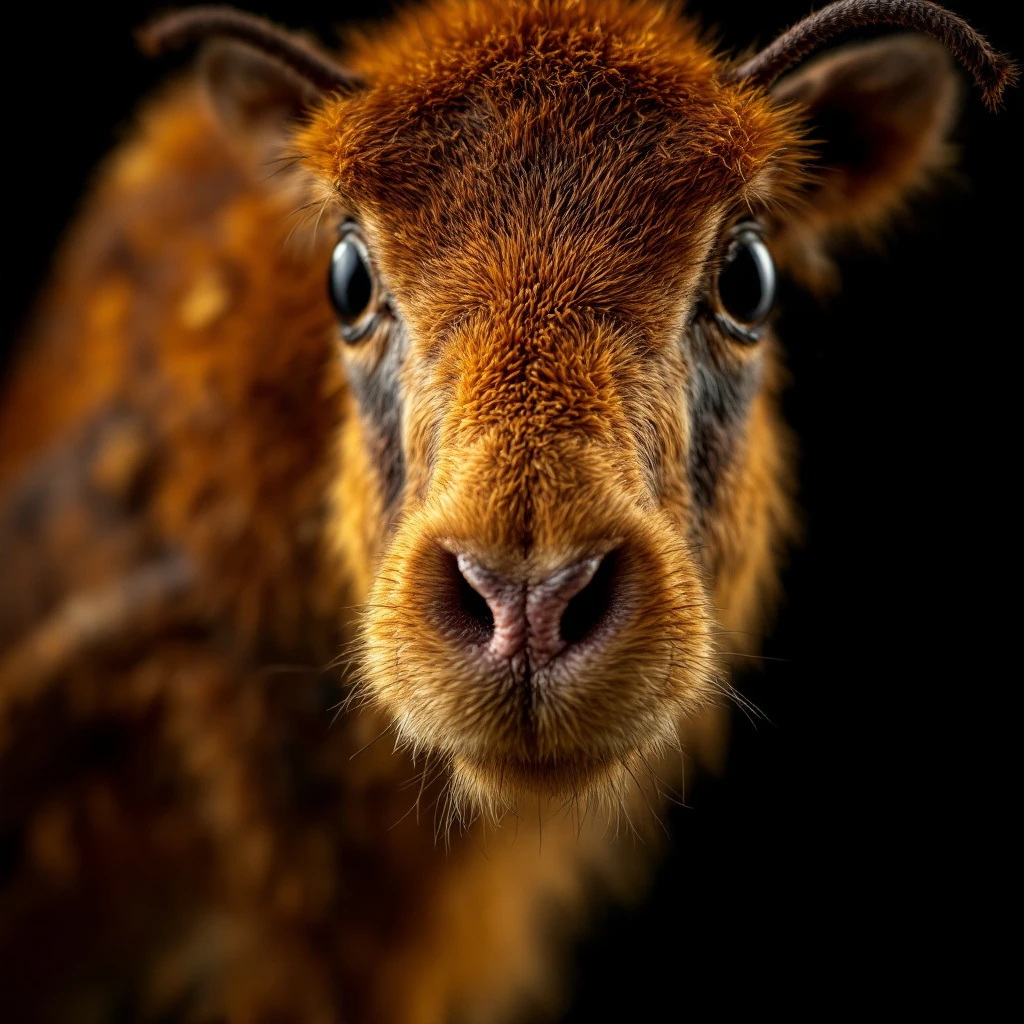
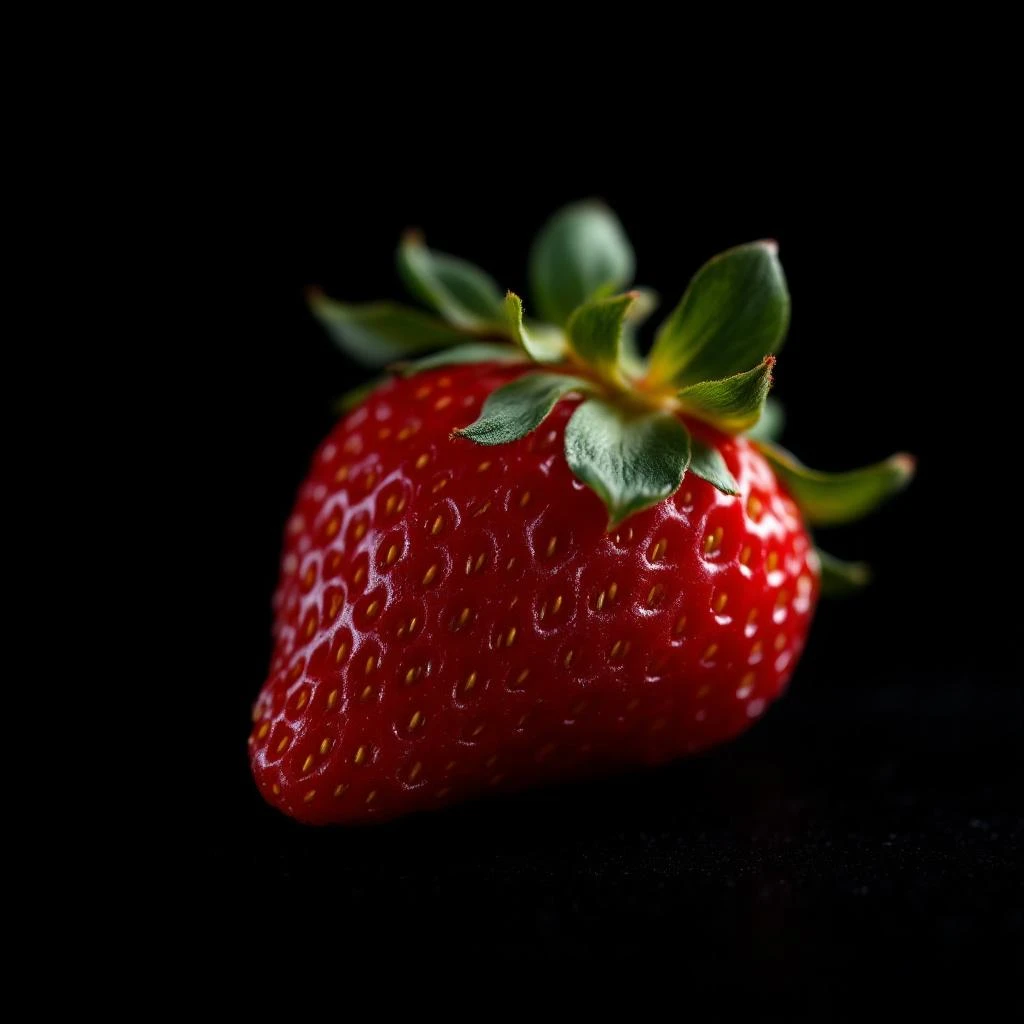
How it smells
The bold backbone of iconic fragrances
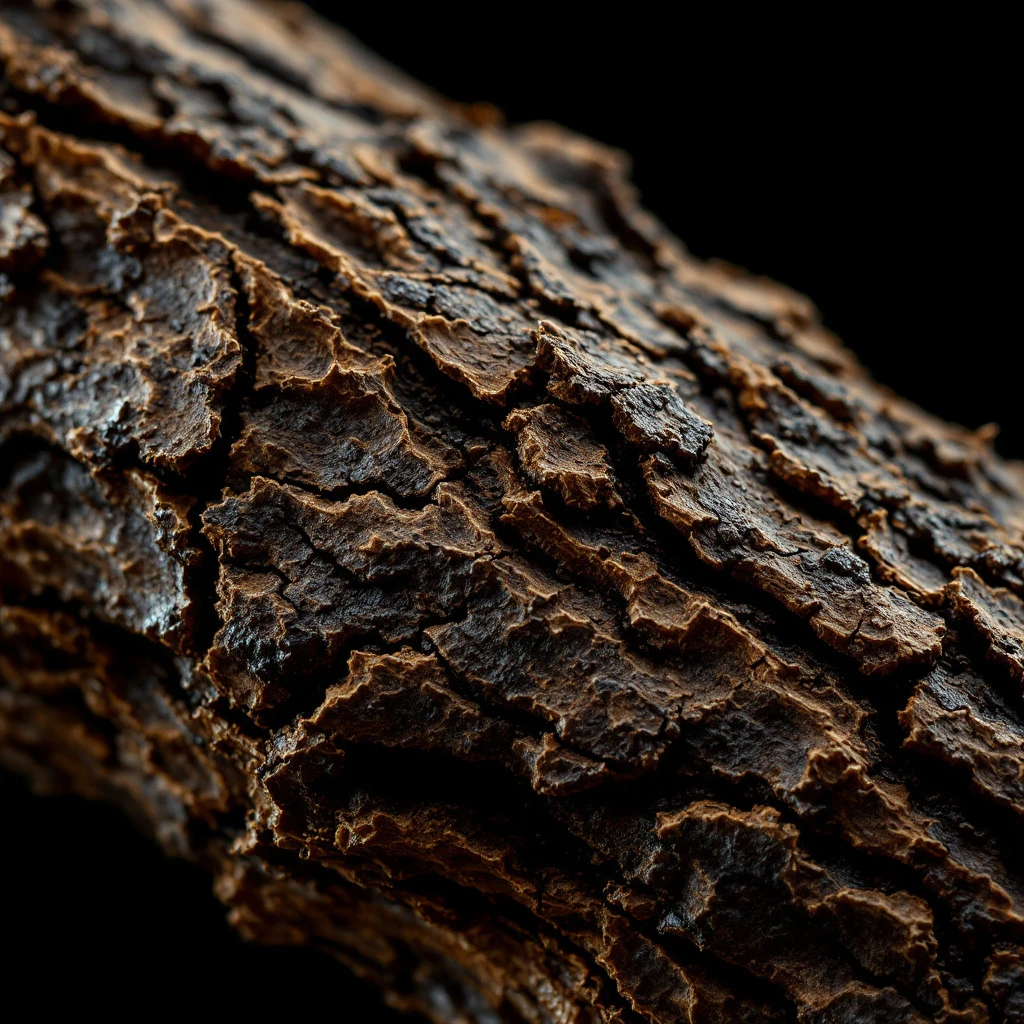
A single mature French oak tree yields only 2-3 kg of harvestable bark every decade, making quality oak bark extract genuinely scarce.

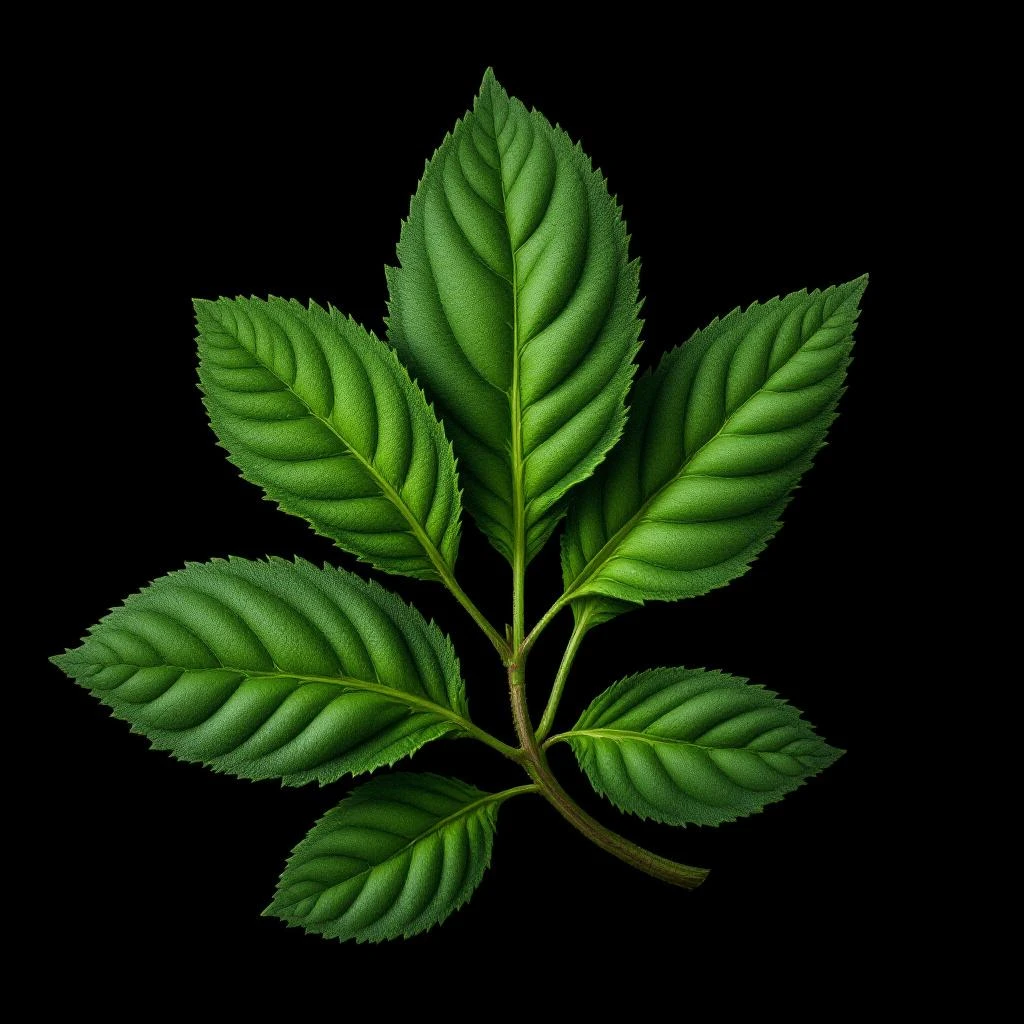

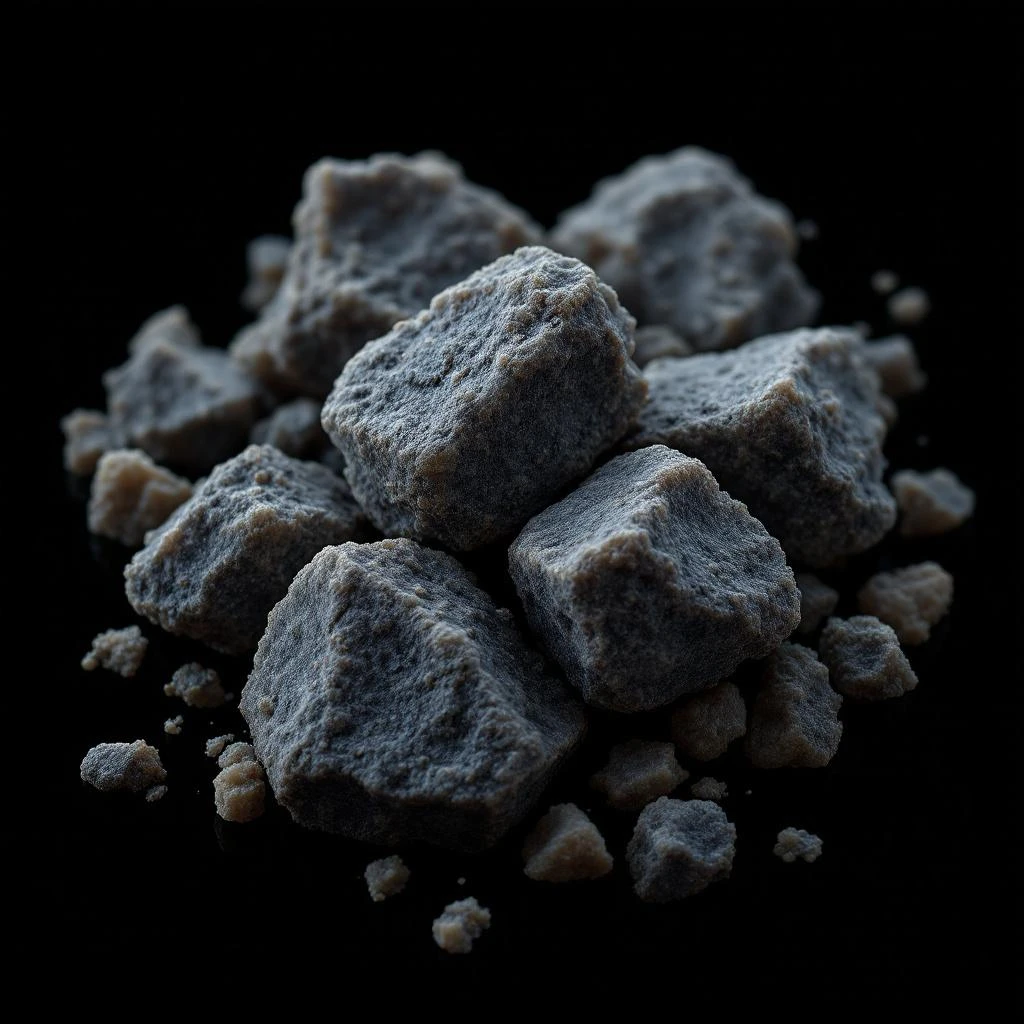

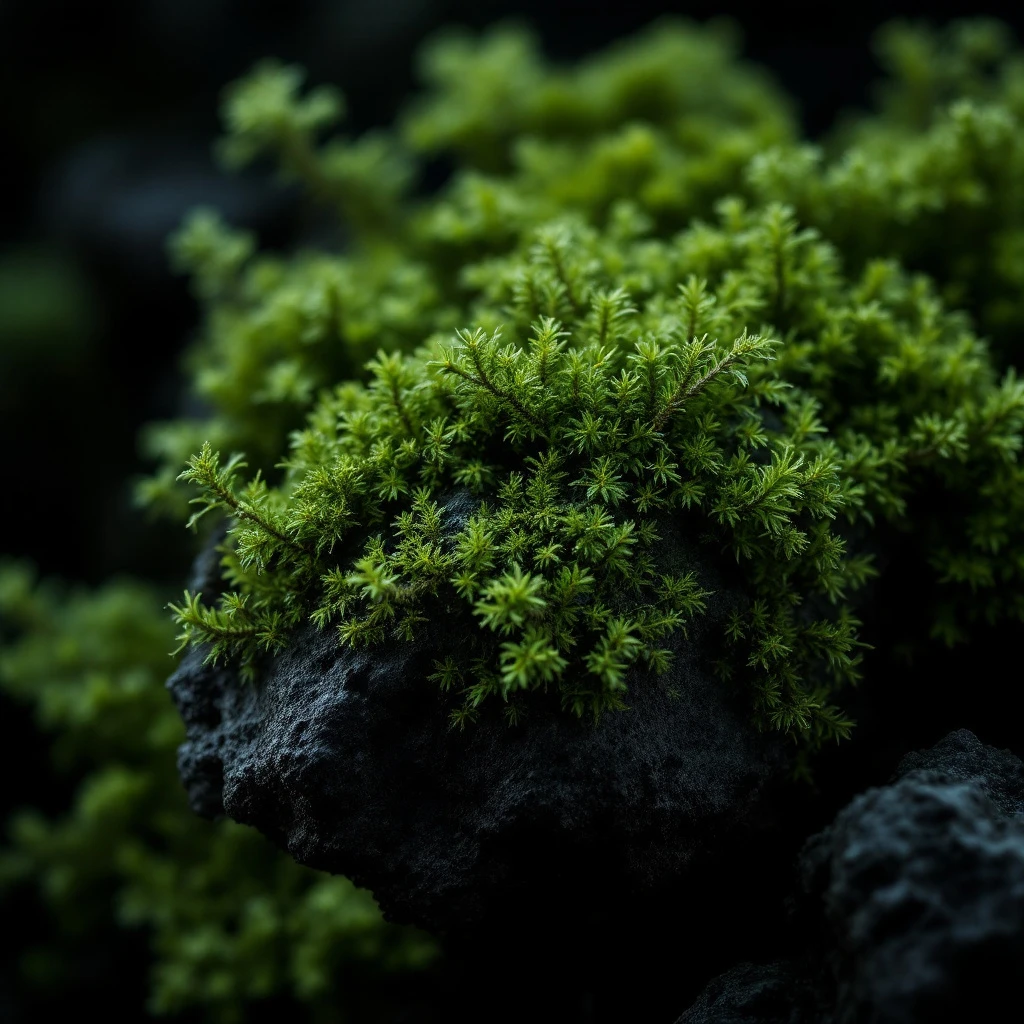
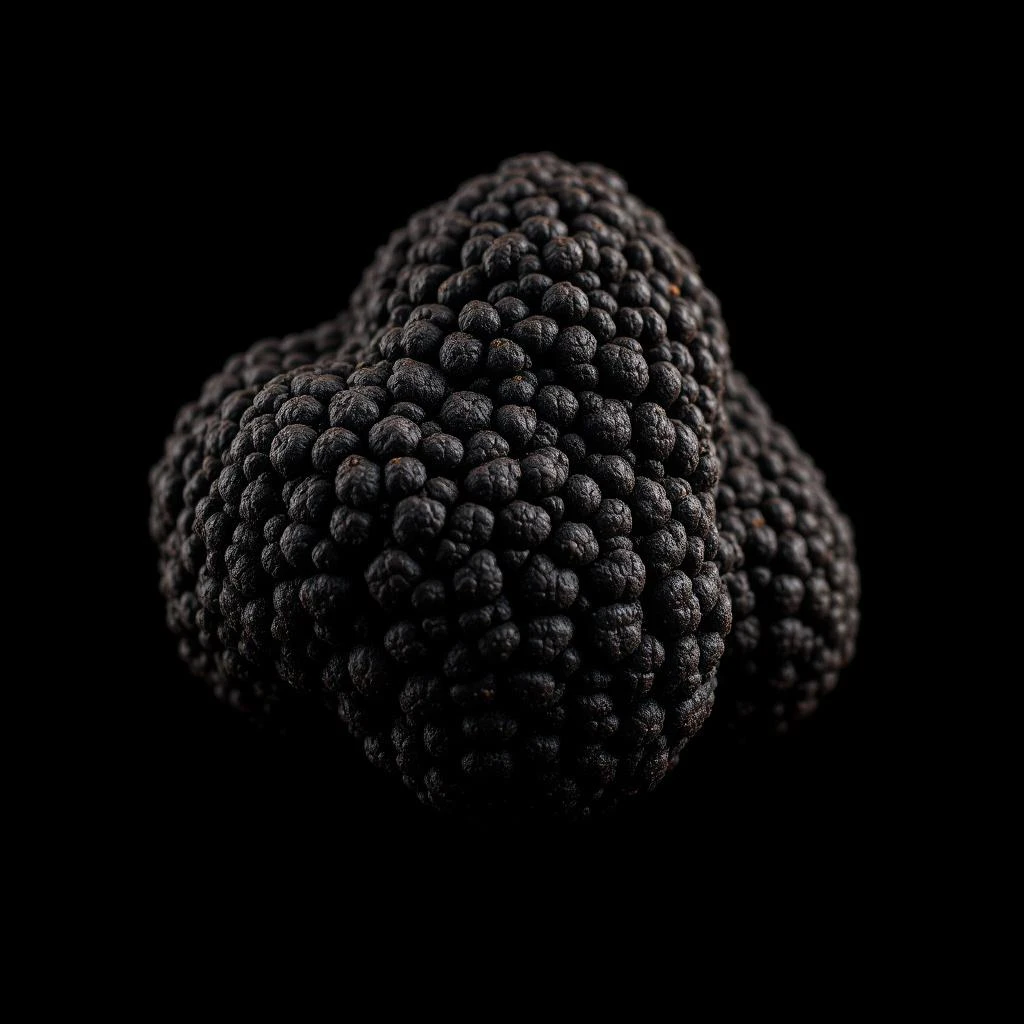
Origin
France
Oak has held symbolic significance across European cultures for millennia, appearing in Celtic tree calendars and serving as sacred meeting places for ancient judicial councils. In perfumery, however, oak bark's role emerged more gradually.
Medieval European herbalists first documented its aromatic properties while seeking materials for medicinal preparations, discovering that bark steeped in alcohol produced distinctive woody scents. By the 18th century, French and English perfumers began incorporating oak-derived materials into their formulations, drawn to the depth and longevity it provided.
The development of modern extraction techniques in the late 19th and 20th centuries transformed oak bark from a simple botanical ingredient into a sophisticated perfumery component. Contemporary perfumers prize it as a fixative and base note that lends structure and staying power to compositions, particularly those aiming for warm, woody, or tobacco-inspired directions.
Wears it best
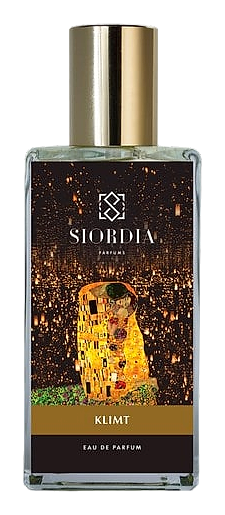
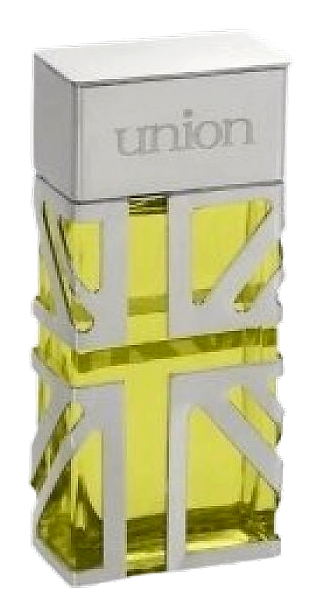
Fragrances featuring Oak Bark
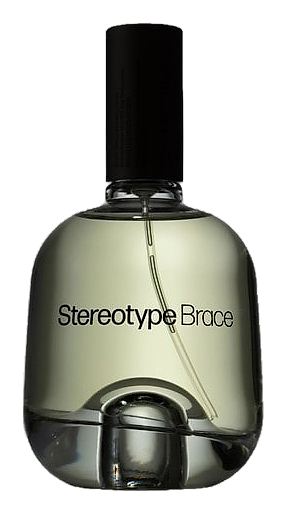
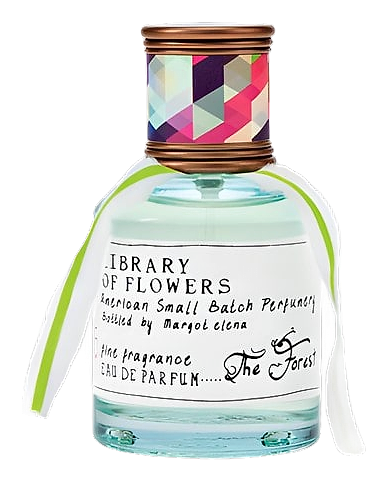
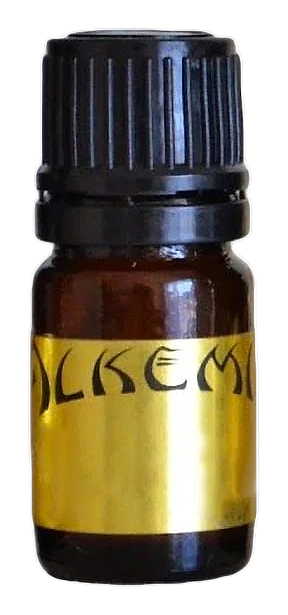
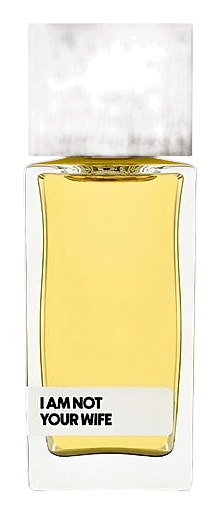
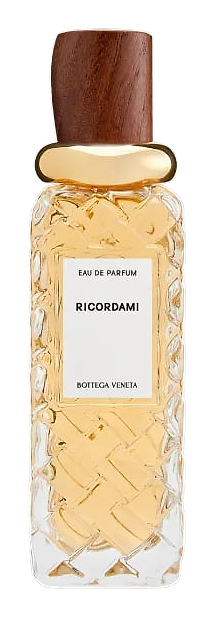
Brands
Brands known for Oak Bark
Good to know
Questions, answered
The essentials on Oak Bark in perfumery: how it smells, where it comes from, and how it behaves on skin.
What does oak bark smell like in perfumery?
Oak bark absolute presents dry, woody character with unexpected vanilla undertones and subtle leather warmth. It functions as a rich base note that adds depth and longevity to compositions.
Is oak bark a natural or synthetic ingredient?
Oak bark exists as a natural ingredient derived from Quercus species trees. Quality extracts come from steam distillation or CO2 extraction of harvested bark. No reliable synthetic equivalent captures its full complexity.
Which famous fragrances feature oak bark?
Oak bark appears in Tom Ford Tobacco Vanille and Chanel Sycore, where it provides woody depth and acts as a fixative for brighter top notes. It remains relatively rare in mainstream perfumery.
How long has oak bark been used in perfume?
Documented perfumery use dates to 18th-century France, when perfumers began incorporating bark extracts into alcoholic preparations. Traditional medicinal applications predate this by several centuries.
What extraction method produces the best oak bark material?
CO2 supercritical extraction captures the broadest aromatic spectrum, producing a more complete representation of the bark's scent profile than traditional steam distillation.
Why is quality oak bark extract expensive?
Mature oak trees require a decade to produce harvestable bark, yielding only 2-3 kilograms per tree. Combined with lengthy extraction times, this scarcity drives material costs significantly higher than common base notes.
How does oak bark perform in fragrance compositions?
Oak bark excels as a fixative, slowing evaporation of lighter top notes and adding drydown complexity. Its woody-vanilla character pairs well with tobacco, spices, and other warm materials.
Which oak species produce perfumery-grade bark?
Quercus robur (English oak) and Quercus alba (white oak) yield the most prized perfumery materials. French and Eastern European sources generally command highest market value.