
The Story
Why it exists.
The beginning
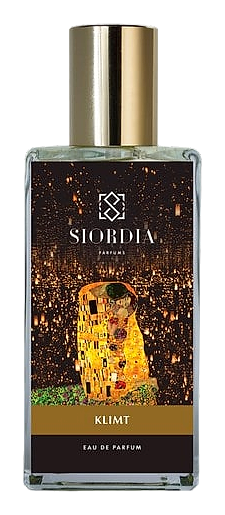
Ekaterina Siordia named this one after Gustav Klimt, the Austrian painter who covered everything in gold leaf and made sensuality look like decoration. The idea wasn't to replicate The Kiss in a bottle. It was to translate that particular kind of richness: warm, ornamental, almost too much, and then somehow exactly enough. Klimt the painter worked in gold. Klimt the fragrance works in honey and amber. Same obsession with surface, different material. Released in 2019 as part of Siordia's ongoing exploration of cultural reference points that most fragrance houses treat as costume jewelry, except here, they're taken seriously.
The mustard blossom honey is the key decision. Not the generic stuff from the supermarket aisle, this one carries weight, a slow warmth that pools rather than blooms. It mirrors what Klimt actually did with gold leaf: he didn't sprinkle it. He layered it until the surface became the subject. Here, honey does the same work. The Champagne note opens bright, almost effervescent, then the honey arrives and everything settles into a golden, resinous warmth that feels like the light in a painting rather than the light through a window. Oak bark absolute and artemisia add the herbal counterpoint, the bitter edge that stops the sweetness from becoming syrup.
The evolution
The opening hits crisp. Italian bergamot and white grapefruit give it an immediate brightness, then the Champagne note arrives, small bubbles, a little lift. It doesn't last long. Within twenty minutes, the honey is in charge. Mustard blossom honey, thick and warm, backed by Turkish rose oil and clary sage. The herbal elements keep it interesting, there's something almost medicinal in the artemisia, a green-bitter note that cuts through the sweetness without fighting it. The drydown is where it earns the name. Peru balsam, bourbon vanilla, tonka bean, all that warm, balsamic richness that stays close to the skin but leaves a trace. On fabric, it lasts longer. Sometimes there's a faint amber note on a jacket collar the next day. Not loud. Just there, like a painting you've walked past but can't stop thinking about.
Cultural impact
Klimt the fragrance borrows its name from Gustav Klimt, the Austrian painter whose The Kiss and gold-leaf canvases defined a visual language around opulence, sensuality, and ornamental excess. The fragrance translates that aesthetic into scent form: warm, honeyed, gilded. It's a smart move for a brand that builds its identity on cultural literacy rather than trend-chasing. The fragrance doesn't try to smell like a painting. It tries to feel like one.