
The Story
Why it exists.
The beginning
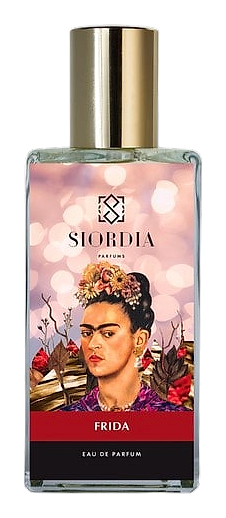
The name Frida signals an artistic reference point, someone who didn't soften their edges for anyone else. That intention runs through the entire composition. Ekaterina Siordia built this fragrance around contrasts that shouldn't work together but do: yuzu's brightness against rum's warmth, turmeric's earthy spice against coffee's dark intensity, florals appearing only after the smoke has settled. The result is a scent that feels both familiar and foreign, like walking into a room where everything is slightly wrong in exactly the right way. It was released in 2018 as part of a catalog that draws more from art history than from fragrance convention.
What makes Frida technically interesting is how it stacks ingredients that typically exist in separate fragrance categories. The yuzu and black pepper open like a fresh spicy, something you'd find in a designer citrus fragrance. Then Cuban rum and robusta coffee shift it into oriental territory. But the real surprise is the turmeric and fenugreek: two culinary spices that rarely appear in perfumery, adding a slightly savory, almost edible quality that makes the composition feel unfinished in the best way. The tequila and salt note adds a faint mineral quality, like the rim of a glass. It's a pyramid that refuses to stay in one lane.
The evolution
The opening hits within seconds, yuzu's citrus brightness immediately softened by rum's warmth, black pepper adding a prickle of heat. Within ten minutes the robusta coffee arrives, not as a sharp top note but as a slow bloom that darkens everything. The tobacco smoke follows, less aggressive than you'd expect, more like the memory of smoke than smoke itself. By the second hour, the florals emerge: damask rose and magnolia appearing almost reluctantly, softened by everything that came before. The drydown is leather and vanilla, the kind of warm skin scent that stays close without announcing itself. On fabric, the coffee note can linger into the next day.
Cultural impact
The 2018 launch channels Frida Kahlo's legendary persona into scent form, mirroring her defiant self-portraiture and unapologetic boldness. Black pepper's sharp bite, Cuban rum's warmth, and yuzu's unexpected brightness reflect the same jarring authenticity that made Kahlo's art so arresting. The turmeric-fenugreek pairing in particular echoes Kahlo's own fusion of pain and beauty, a combination rarely found in mainstream Western perfumery.
The House
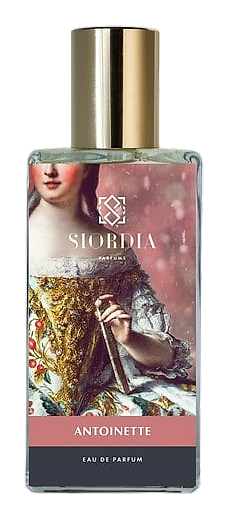
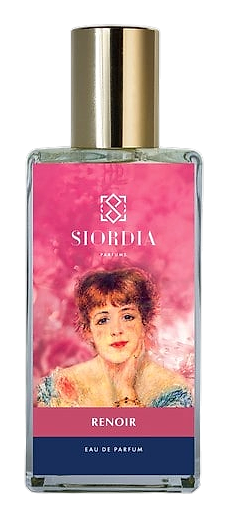
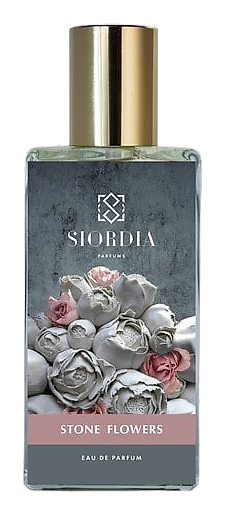
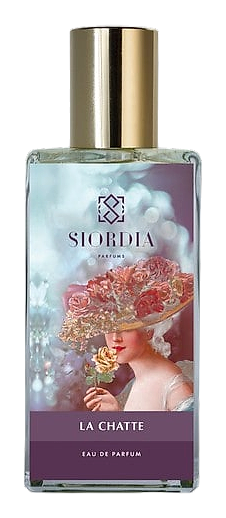
Siordia ParfumsSiordia Parfums is a Russian niche fragrance house that entered the perfume world in 2016 under the direction of founder Ekaterina Siordia. Based in Russia, the brand has built a catalog of 57 perfumes, making it one of the more prolific entries in the Russian niche perfumery scene. The house occupies a distinctive position within the niche fragrance landscape, drawing inspiration from art history, mythology, and cultural imagery rather than adhering to mainstream fragrance conventions. Siordia Parfums creates scents that range from smoky incense interpretations to florals and orientals, with names referencing subjects like Gustav Klimt, ancient Egyptian deities, and literary figures. The brand appeals to collectors and fragrance enthusiasts who seek perfumes with narrative depth and unconventional compositions, particularly those interested in Eastern European niche perfumery.
The Creator
Ekaterina SiordiaSiordia's stylistic signature lies in dramatic contrast and unexpected combinations. She layers familiar materials in unfamiliar configurations, producing fragrances that feel simultaneously accessible and strange.