Cuban Rum
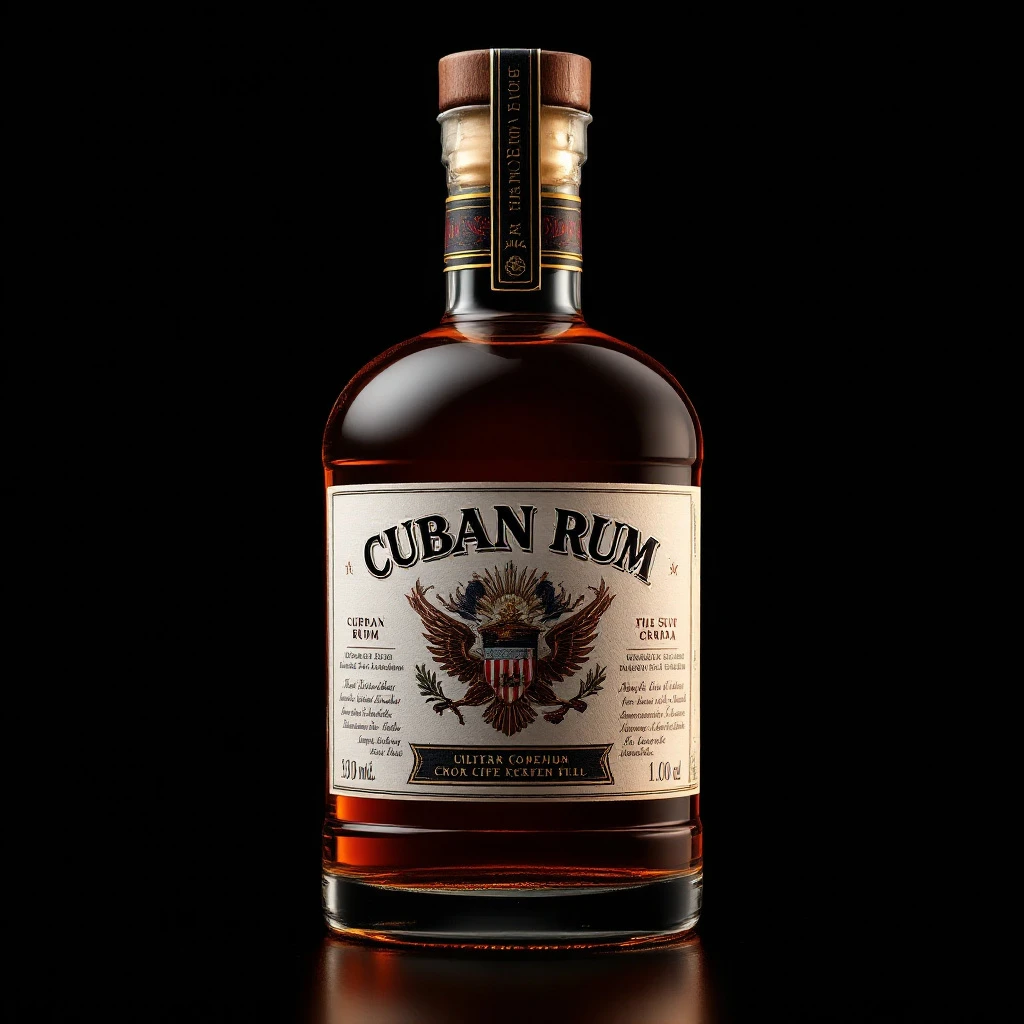
Cuban rum brings warmth and depth to fragrance. Its caramel sweetness, oak-aged complexity, and subtle spice evoke tropical nights, colonial-era distilleries, and the enduring spirit of the Caribbean.
Character
How it smells
Distilled Caribbean warmth, captured in a bottle
Cuba's first sugarcane juice production dates to 1511, making the island's rum tradition older than many European perfume houses.





Origin
Cuba
Sugarcane reached Cuba in the early 1500s, and by 1511 the island recorded its first sugarcane juice production under Spanish colonizer Diego Velazquez de Cuellar. This agricultural foundation would eventually produce one of the world's most distinctive spirits. Rum as we know it emerged during the 17th century alongside the Caribbean sugar trade.
Enslaved people working on sugar plantations discovered that molasses, a byproduct of sugar refining, could be fermented and distilled into a potent spirit. Over the next two centuries, Cuban distillers refined their craft. By the early 1800s, Cuba had become a significant rum-producing region.
Local distillers distinguished their product through oak barrel aging and careful production methods, transitioning from harsh pot-stilled aguardiente to smooth, balanced rum. This commitment to quality became a defining characteristic that perfumers still value today. When rum entered Western perfumery, it arrived as a fragrance note prized for its warmth and complexity, carrying centuries of Caribbean distilling heritage into the world of scent.
Wears it best
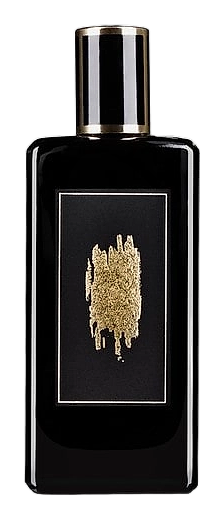
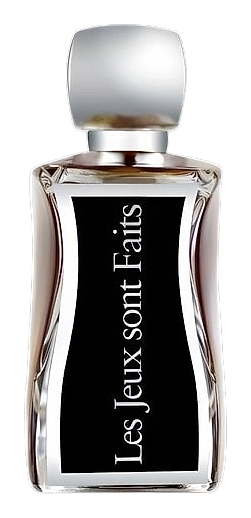
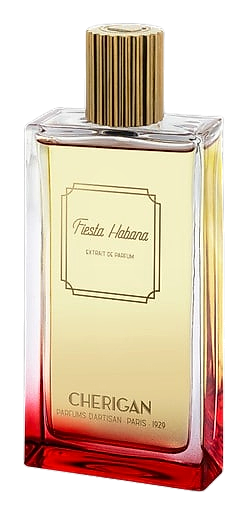
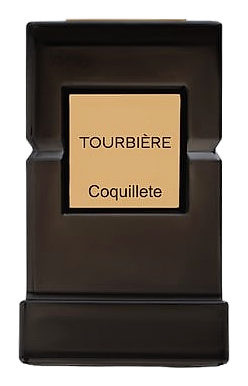
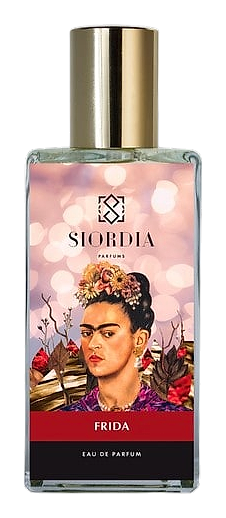
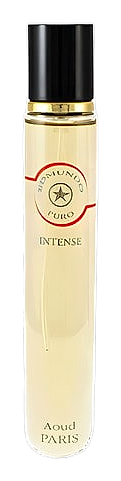
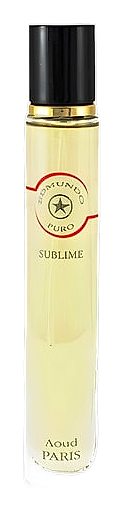
Fragrances featuring Cuban Rum
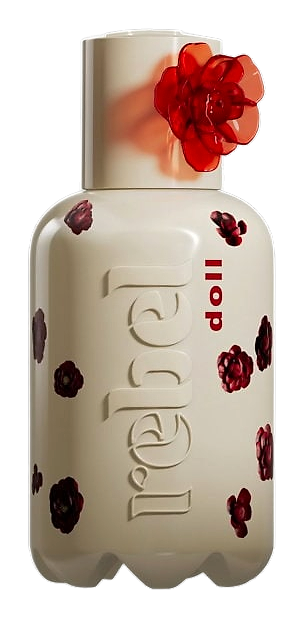
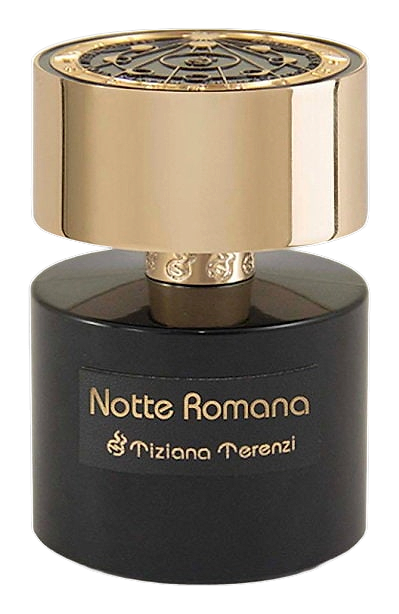
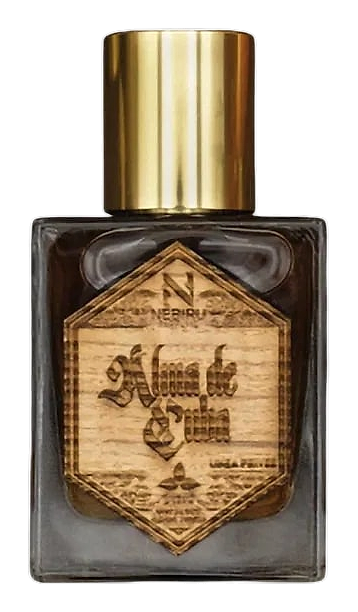

Brands
Brands known for Cuban Rum
Good to know
Questions, answered
The essentials on Cuban Rum in perfumery: how it smells, where it comes from, and how it behaves on skin.
What makes Cuban rum distinct from other Caribbean rums in perfumery?
Cuban rum typically features a smooth, balanced sweetness with subtle oak influence. Years of tropical aging develop warm vanilla and caramel notes that perfumers prize for their sophistication compared to heavier Jamaican varieties or younger Caribbean rums.
How do perfumers recreate rum aroma without using actual spirit?
Many fragrances use rum accord rather than actual rum absolute. Perfumers construct this from aroma chemicals including vanillin for sweetness, ethyl alcohol for the characteristic bite, and spice molecules like clove or cinnamon to replicate rum's complexity.
What gives Cuban rum its signature fragrance profile?
Extended oak barrel aging in Cuba's tropical climate develops distinct vanilla and caramel notes. The combination of humid air, temperature fluctuation, and mineral-rich soil in Santiago de Cuba and Havana provinces shapes the spirit's characteristic smoothness.
What extraction process captures rum for fragrance use?
Rum absolute involves macerating aged rum in high-proof alcohol to extract volatile aromatic compounds, then filtering the concentrate. This captures the spirit's warm, sweet, and slightly smoky character for use as a fragrance ingredient.
Where does most Cuban rum for perfumery originate?
The provinces of Santiago de Cuba and Havana produce the majority of Cuba's rum. Both regions benefit from tropical climate, coastal humidity, and distinct terroir that contributes to the spirit's recognizable profile.
Why does Cuban rum carry cultural significance beyond just being a spirit?
Rum holds deep cultural weight in Cuba, serving as a social lubricant woven into music, celebration, and daily life. Havana Club embodies this heritage, representing generations of craftsmanship passed through families and communities, which transfers into perfumery as warmth and celebration.
When did rum become established as a perfumery ingredient?
Rum as a perfumery note expanded in the 20th century as Western perfumers encountered Caribbean distilling traditions. The connection between spirit aging and fragrance development became clearer as perfumers recognized how wood cask maturation created complex aromatics transferable to fragrance applications.
What sensory qualities does aged Cuban rum contribute to fragrance?
Aged Cuban rum brings warm caramel sweetness, vanilla depth, oak-induced structure, and subtle spice to fragrance compositions. These qualities create an effect that suggests warmth, festivity, and sensory memory, making it a sought-after note in oriental and woody fragrances.