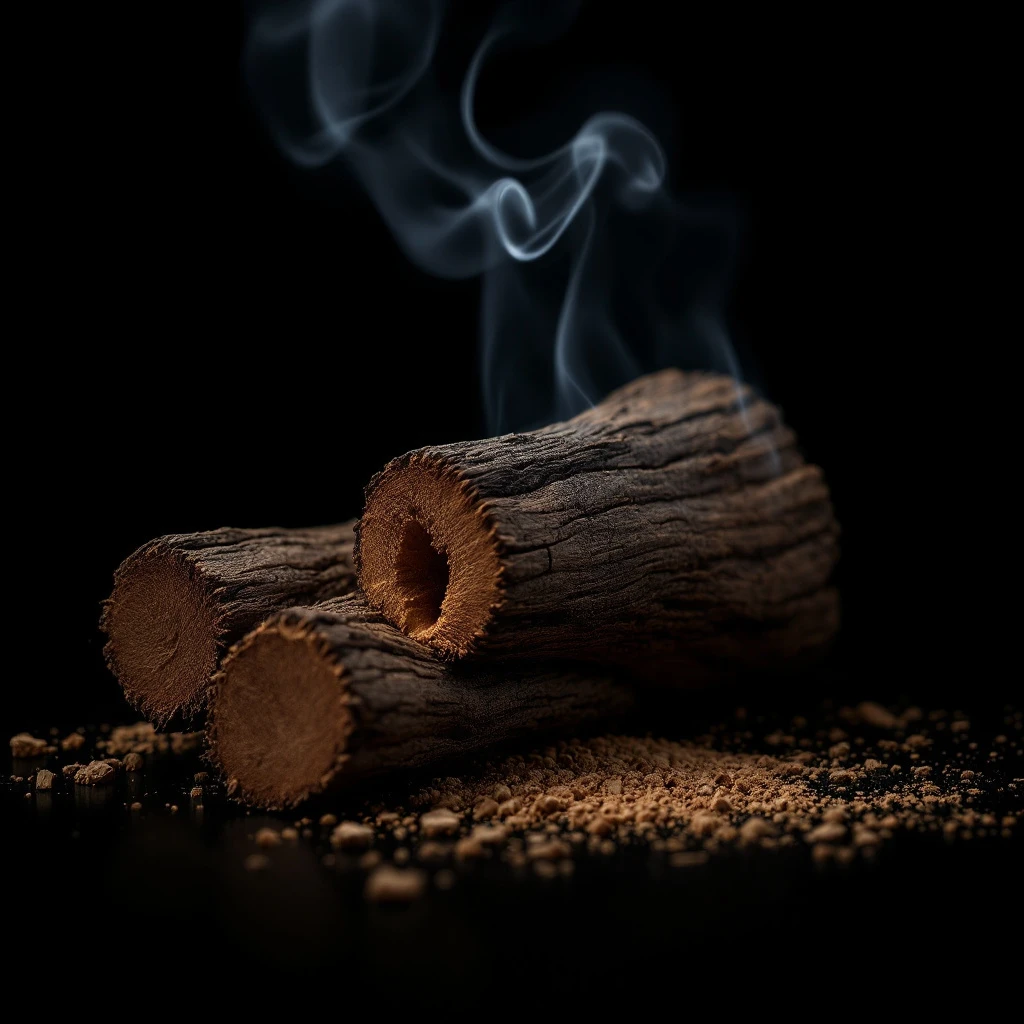
Tobacco Smoke
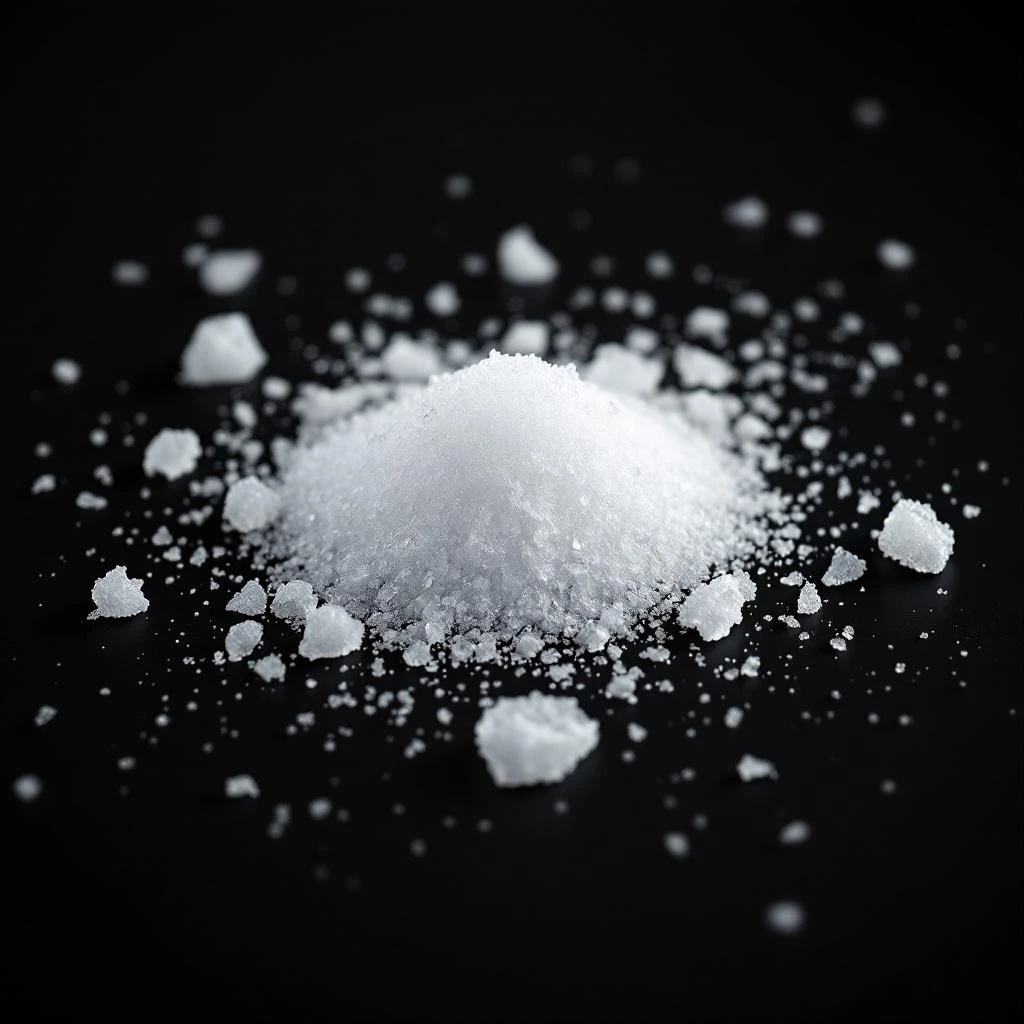
Tobacco smoke brings warmth and depth to fragrance compositions. This note captures the dry, slightly sweet and unmistakably sensual character of cured tobacco leaves, creating an atmosphere of quiet confidence and quiet sophistication.
Character
How it smells
Cured leaves, warm embers, timeless depth.
The coumarin molecule, discovered in 1868, helped perfumers recreate tobacco's signature hay-like warmth decades before tobacco absolute became widely available.





Origin
Bulgaria
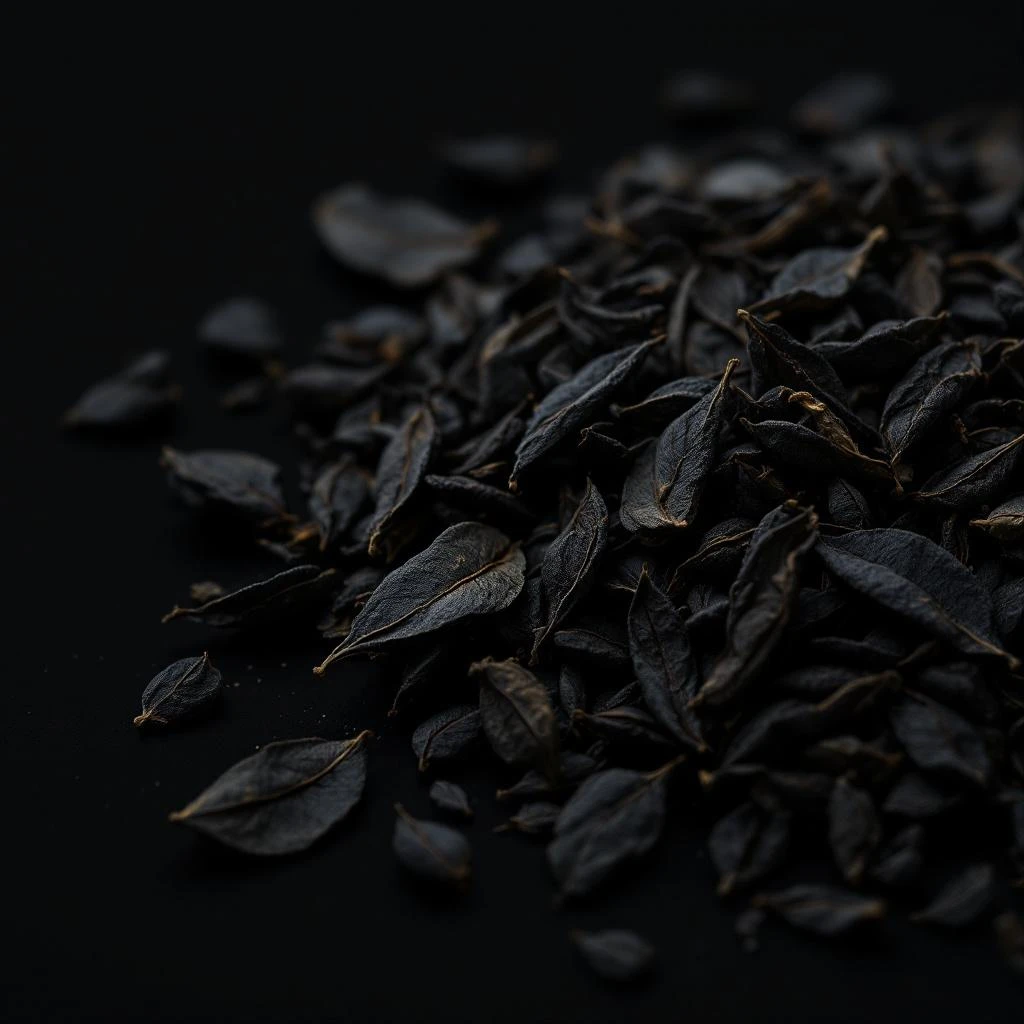
Nicotiana Tabacum originated with indigenous cultures of the Americas, where tobacco held ceremonial and medicinal significance for thousands of years. European explorers encountered tobacco in the 15th and 16th centuries, spreading its use globally. In perfumery, tobacco emerged as a noted ingredient during the 19th century as extraction techniques improved.
The development of Arab distillation methods in the 12th century had made large-scale perfume production viable, setting the stage for tobacco's eventual incorporation into fragrance. By the late 1800s, perfumers had access to both natural tobacco absolute and synthetic compounds like coumarin that could recreate tobacco's characteristic hay and sweetness, allowing this bold note to become a staple in men's fragrances and beyond.
Wears it best
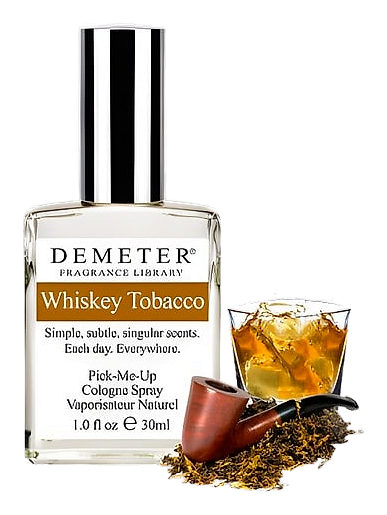
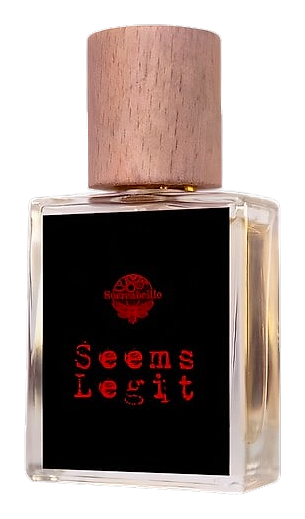
Fragrances featuring Tobacco Smoke
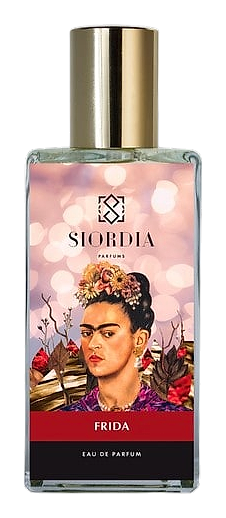
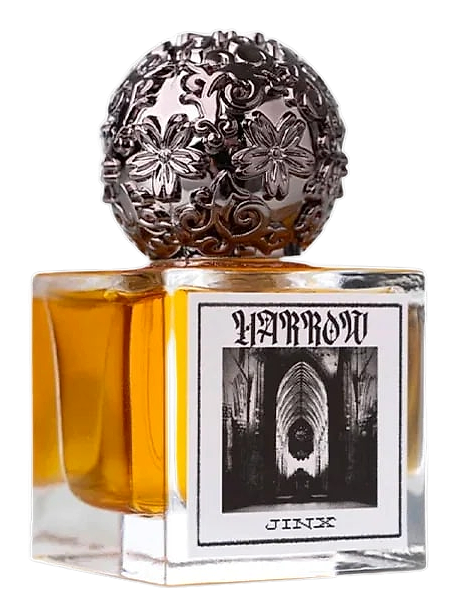

Brands
Brands known for Tobacco Smoke
Good to know
Questions, answered
The essentials on Tobacco Smoke in perfumery: how it smells, where it comes from, and how it behaves on skin.
What makes Bulgarian tobacco absolute distinctive?
Bulgarian tobacco absolute is known for its thick consistency and potent scent. The country's tobacco-growing tradition and processing methods produce an extract with exceptional depth and complexity that perfumers prize for premium compositions.
How did tobacco become a perfumery ingredient?
Indigenous cultures of the Americas used tobacco ceremonially for thousands of years before European contact. As global trade expanded, tobacco spread worldwide, and perfumers began incorporating it as extraction techniques advanced in the 19th century.
What does tobacco absolute smell like?
Tobacco absolute carries a dry, slightly sweet character with earthy undertones. It combines hay-like warmth with a distinctive cured quality that evokes campfire smoke, aged leather and whispered conversations in wood-paneled rooms.
Why is solvent extraction used for tobacco?
Solvent extraction efficiently pulls aromatic compounds from dried, fermented tobacco leaves. This method produces a highly concentrated absolute that captures the full complexity of cured tobacco in a form that perfumers can precisely measure and blend.
What role does fermentation play in tobacco processing?
Fermentation breaks down compounds in fresh tobacco leaves, developing the characteristic aroma that dried leaves carry. This biological process transforms raw plant material into the aromatic base that solvent extraction later transforms into absolute.
How do perfumers create tobacco accords without natural absolute?
Coumarin, discovered in 1868 and extracted from tonka beans, provides the hay-like warmth central to tobacco's character. Perfumers combine coumarin with other materials like vanillin and synthetic molecules to build convincing tobacco accords.
What makes tobacco a challenging note to work with?
Tobacco's complexity means it interacts differently with various fragrance bases. In compositions with vanilla, it deepens into something almost edible. Against green notes, it becomes drier and more austere. Testing combinations thoroughly produces the best results.
Where else is tobacco cultivated for perfumery?
While Bulgarian tobacco absolute sets the quality standard, tobacco grows across multiple regions including Turkey, Greece and parts of Asia. Each origin produces subtle variations in the final absolute's character and aroma profile.