Embers
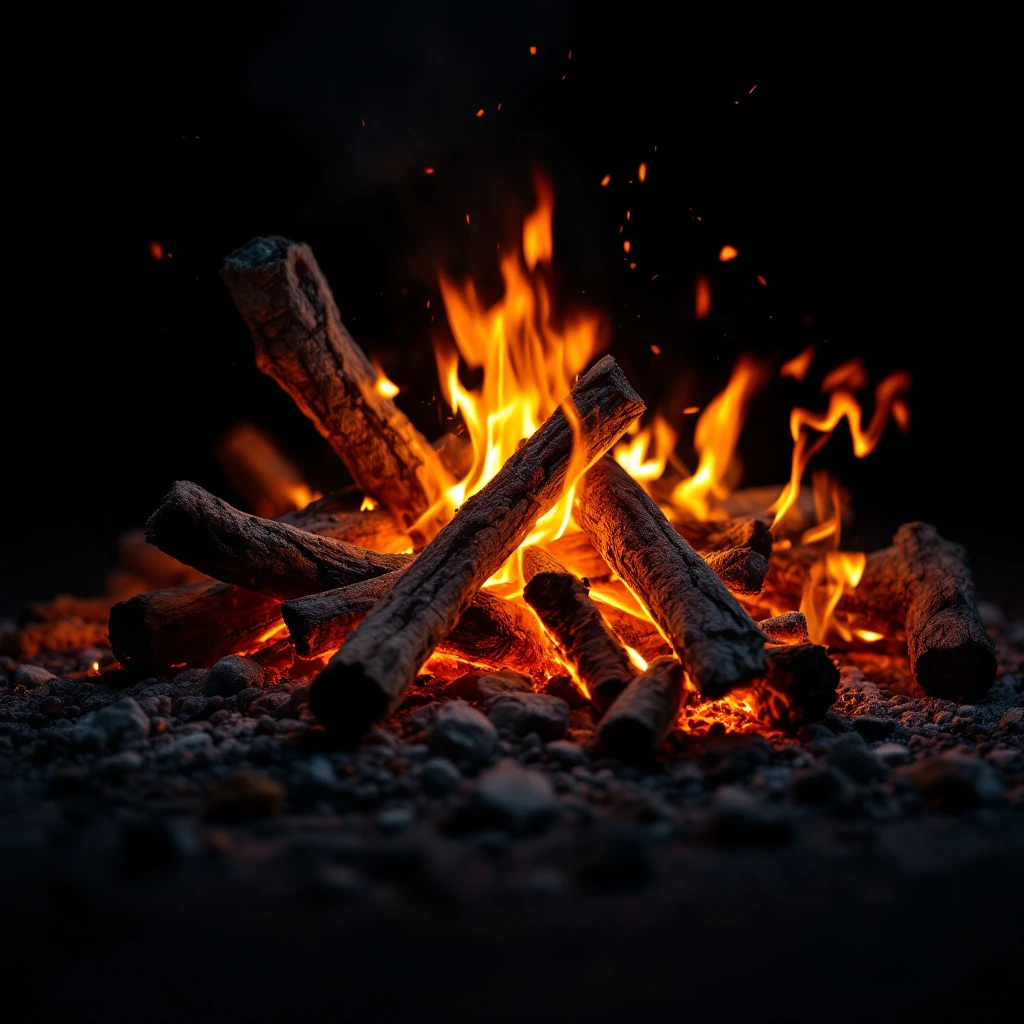
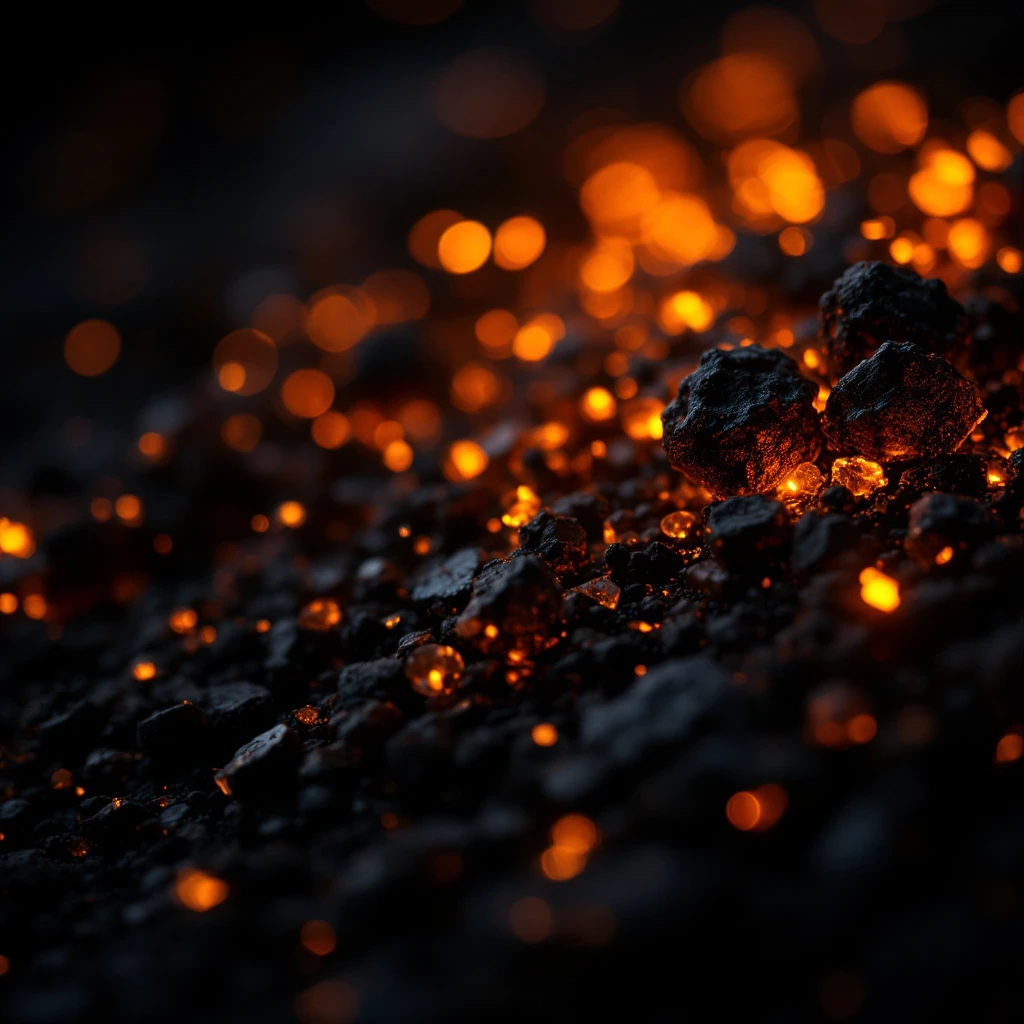
Embers capture the primal warmth of dying coals, that luminous moment when wood transforms into glowing heat. In perfumery, this note evokes comfort, mystery, and the ancient relationship between fire and humanity.
Character
How it smells
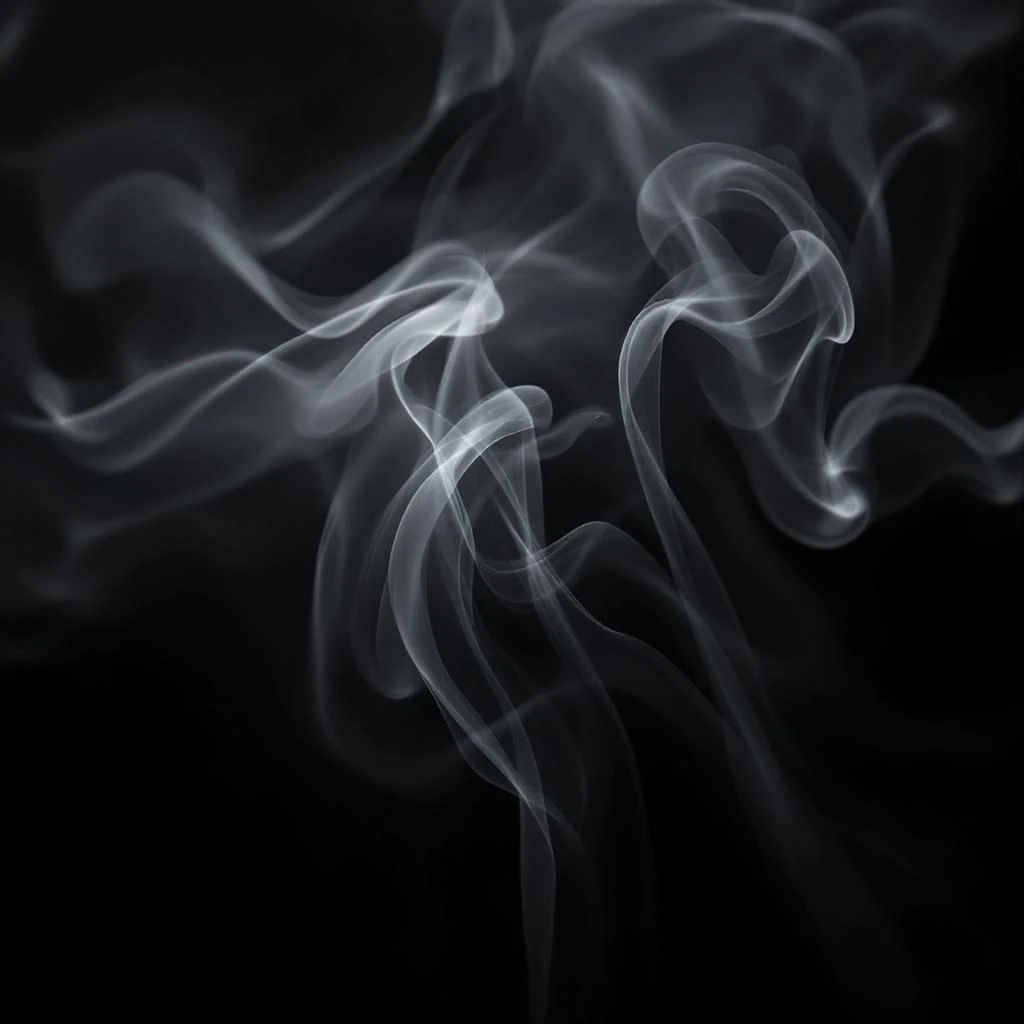
The memory of fire, captured in scent.
Ancient Romans used smoked resins in their public baths, creating early forms of aromatherapy long before perfumery became an art.






Origin
Scandinavia (primary for birch tar)
The ember note traces back to humanity's earliest encounter with fire. Archaeological evidence shows our ancestors used smoked materials in ritual and daily life for over 40,000 years.
The ancient Egyptians employed incense and smoldering resins in religious ceremonies, while Greek and Roman physicians documented the therapeutic effects of inhaled smoke from various botanicals. The Renaissance brought smoky materials into European court perfumery through imported resins like benzoin and storax.
By the 19th century, as synthetic chemistry emerged, perfumers gained tools to isolate and recreate specific smoky molecules. Today, the ember note appears prominently in oriental fragrances, chypres, and modern designer compositions, representing a bridge between ancient fire rituals and contemporary olfactory artistry.
Wears it best
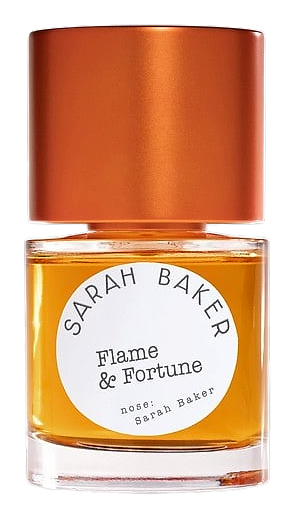
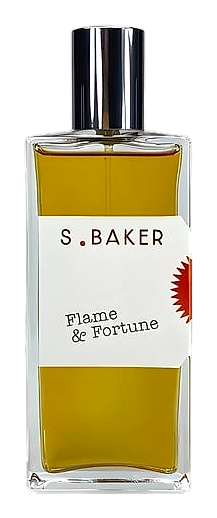
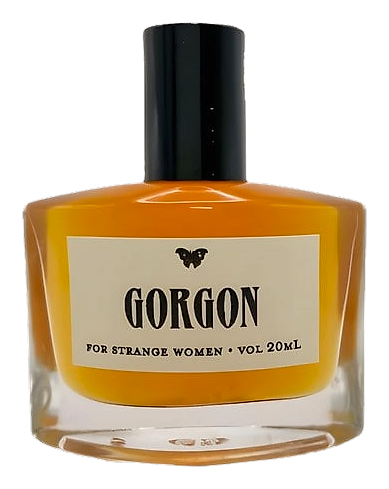
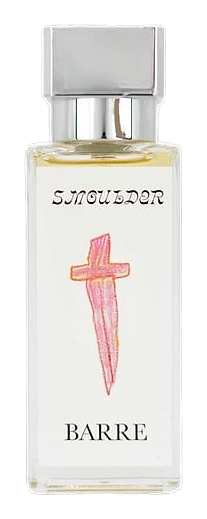
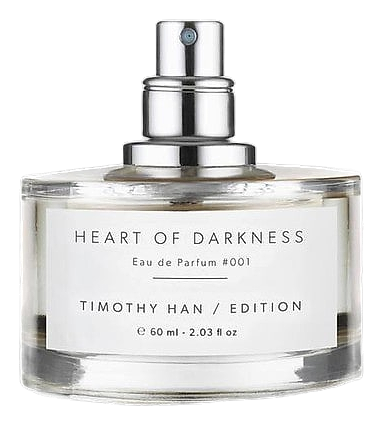
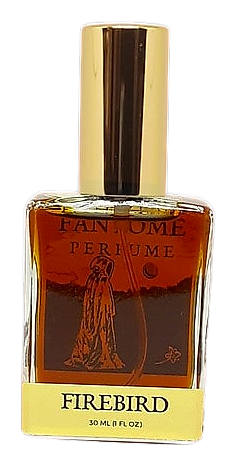
Fragrances featuring Embers






Brands
Brands known for Embers
Good to know
Questions, answered
The essentials on Embers in perfumery: how it smells, where it comes from, and how it behaves on skin.
What does the Embers note smell like?
Embers smell like warm, glowing coals with smoky, slightly sweet, and resinous qualities. It combines woody warmth with a smoky depth that suggests smoldering fire.
Is Embers a natural or synthetic note?
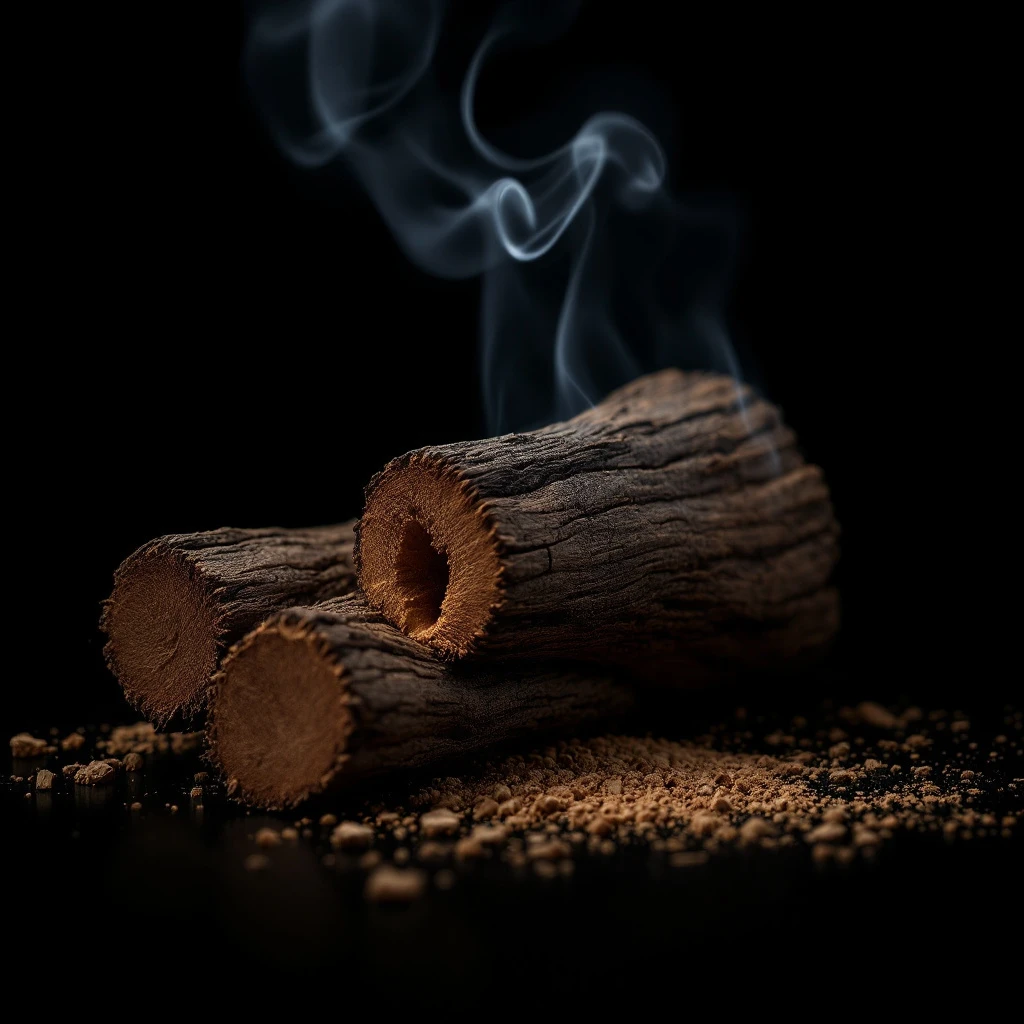
Both. Natural ember notes come from materials like birch tar and cade oil extracted through dry distillation. Synthetic alternatives like guaiacol derivatives also recreate the effect.
What fragrances typically use Embers?
Embers appears in oriental, woody, and smoky fragrance families. It's common in men's fragrances and unisex compositions seeking warmth and depth.
How long has Ember been used in perfumery?
Smoky notes have been used since ancient times. The specific 'embers' accord became prominent in Western perfumery during the 19th century with advances in distillation.
Can Embers be extracted from a single ingredient?
No. Embers is an accord combining multiple materials like birch tar, cade oil, guaiac wood, and sometimes synthetic smoky molecules to achieve the complete effect.
What season or occasion suits Embers best?
Embers works excellently in autumn and winter. It suits evening occasions and cooler weather when its warm, smoky qualities feel appropriate and comforting.
How does Embers combine with other notes?
Embers pairs well with vanilla, leather, oud, spices, and amber. These combinations create rich, enveloping compositions typical of oriental perfumery.
Does Embers have any symbolic meaning in fragrance?
Embers symbolize warmth, comfort, and the passage of time. Fire imagery connects to both destruction and renewal, giving fragrances containing this note an almost ritualistic quality.