Burnt Match
A striking, primal scent that captures the moment a match strikes. Sulfur, smoke, and the memory of fire converge in this distinctive note that adds raw edge to compositions.

Character
How it smells
The primal scent of struck flame.
Early synthetic versions emerged from 19th-century chemistry labs, born from sulfur compound research.


Origin
France
The Burnt Match note represents a fascinating intersection of perfumery history and industrial chemistry. During the 19th century, as synthetic aromatic compounds began emerging from laboratories, chemists discovered that sulfur-containing molecules could produce distinctive burnt, smoky effects. This discovery coincided with the growing popularity of matches themselves, making the scent culturally resonant.
Early synthetic fragrances incorporating these elements appeared in the late 1800s, when perfumers first began experimenting with laboratory-created materials. The note gained prominence in the 20th century as perfumers sought to expand their aromatic palettes beyond natural ingredients, embracing the possibilities of synthetic chemistry to create entirely new scent experiences that captured modern life.
Wears it best
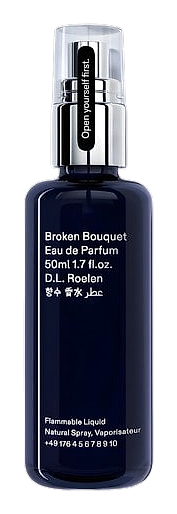
Fragrances featuring Burnt Match
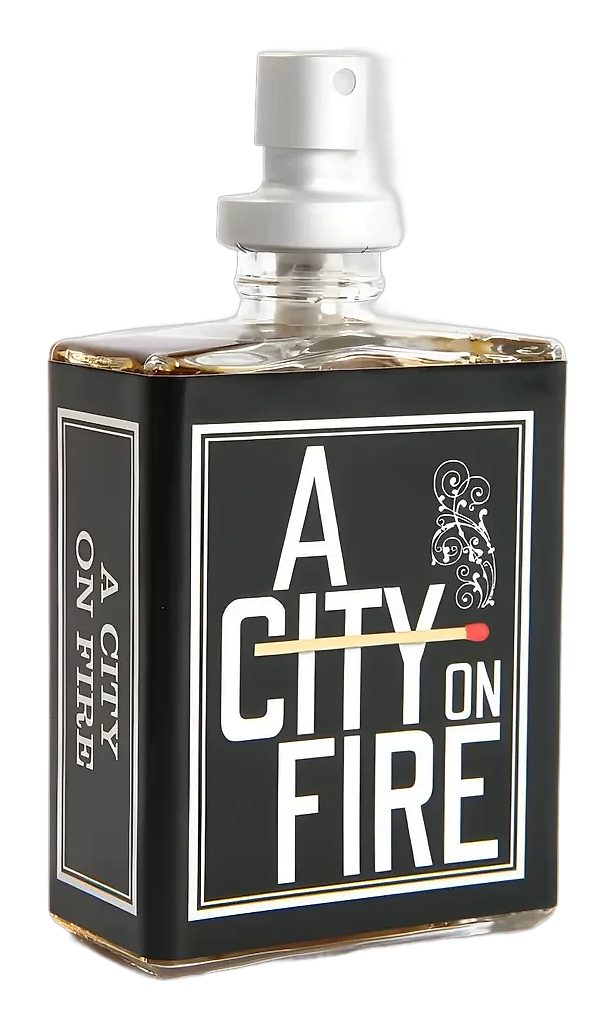
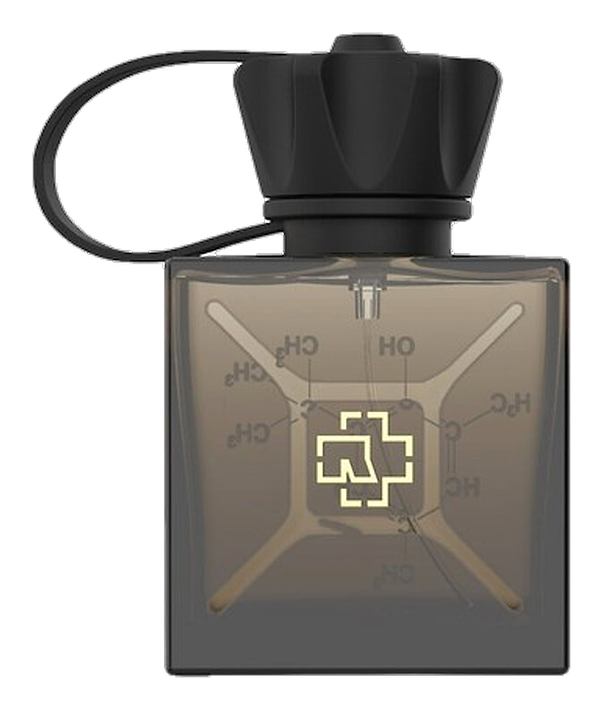
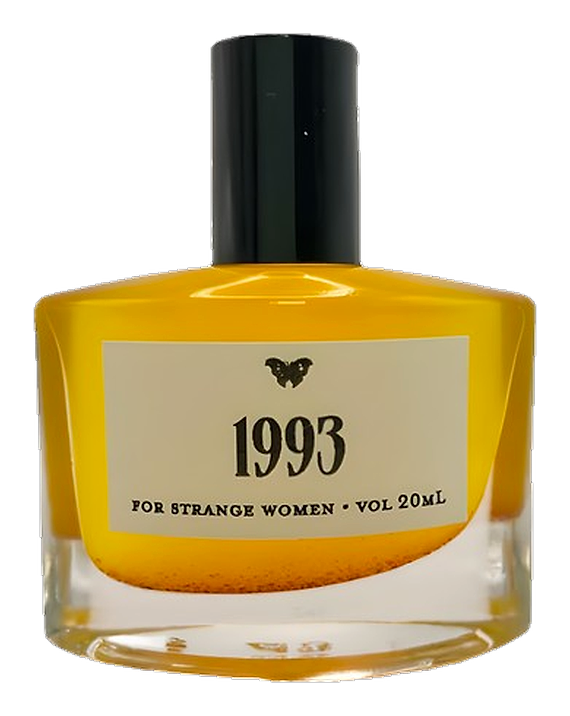
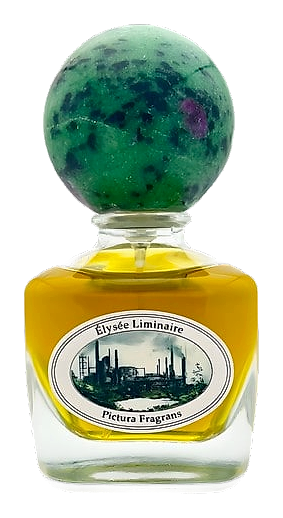
Brands
Brands known for Burnt Match
Good to know
Questions, answered
The essentials on Burnt Match in perfumery: how it smells, where it comes from, and how it behaves on skin.
What is the Burnt Match note in perfumery?
The Burnt Match note recreates the distinctive aroma of a struck or extinguished match. It combines sharp sulfur, smoke, and charred elements into a primal, evocative scent that adds raw intensity to fragrance compositions.
How do perfumers create the Burnt Match smell?
Chemists blend synthetic sulfur compounds like dimethyl sulfide with smoky materials such as birch tar or cade oil. These molecules combine to produce the characteristic sharp, slightly sweet quality of a struck match.
When did synthetic match-like scents appear in perfumery?
The late 1800s marked the emergence of these scents when perfumers first incorporated synthetic compounds. This coincided with the Industrial Revolution, which popularized matches and expanded organic chemistry research.
Is Burnt Match a natural or synthetic ingredient?
Burnt Match is purely synthetic. Perfumers construct it through laboratory chemistry rather than extracting from any natural source, though it may reference natural smoky materials in its formulation.
What other notes pair well with Burnt Match?
This note complements woody accords, leather, tobacco, and amber exceptionally well. The smoky, industrial quality adds contrast and edge that grounds sweeter elements with primal depth.
What famous fragrances feature the Burnt Match note?
Several contemporary fragrances from houses like Serge Lutens and Comme des Garçons prominently feature burnt match effects, particularly in their smoky and atmospheric fragrance lines.
Is the Burnt Match note safe for skin application?
When used within IFRA guidelines by professional perfumers, Burnt Match compounds are considered safe for cosmetic use. Individual sensitivities to sulfur compounds may occur in some wearers.
How long does the Burnt Match scent typically last?
Longevity varies by formulation and concentration, typically lasting 4 to 8 hours in Eau de Parfum concentrations when properly paired with complementary fixatives.