Campfire
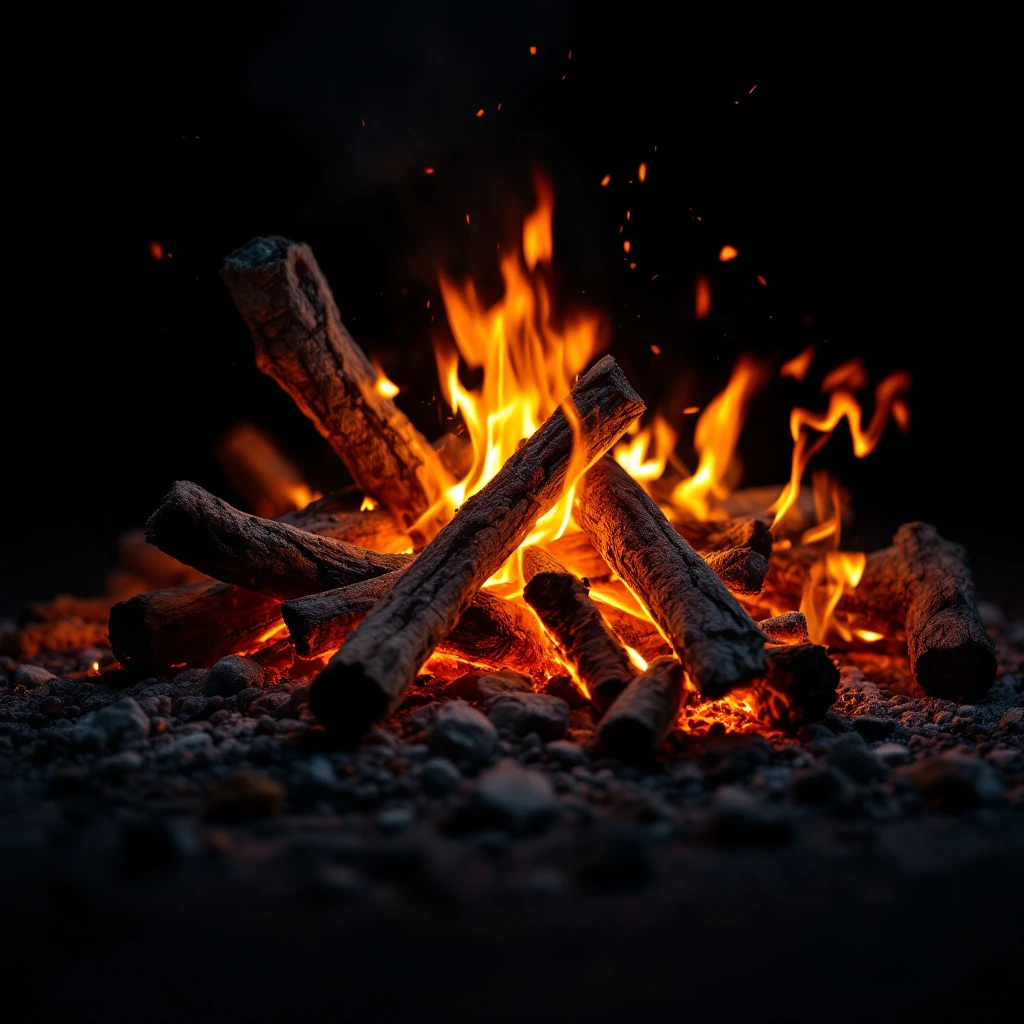
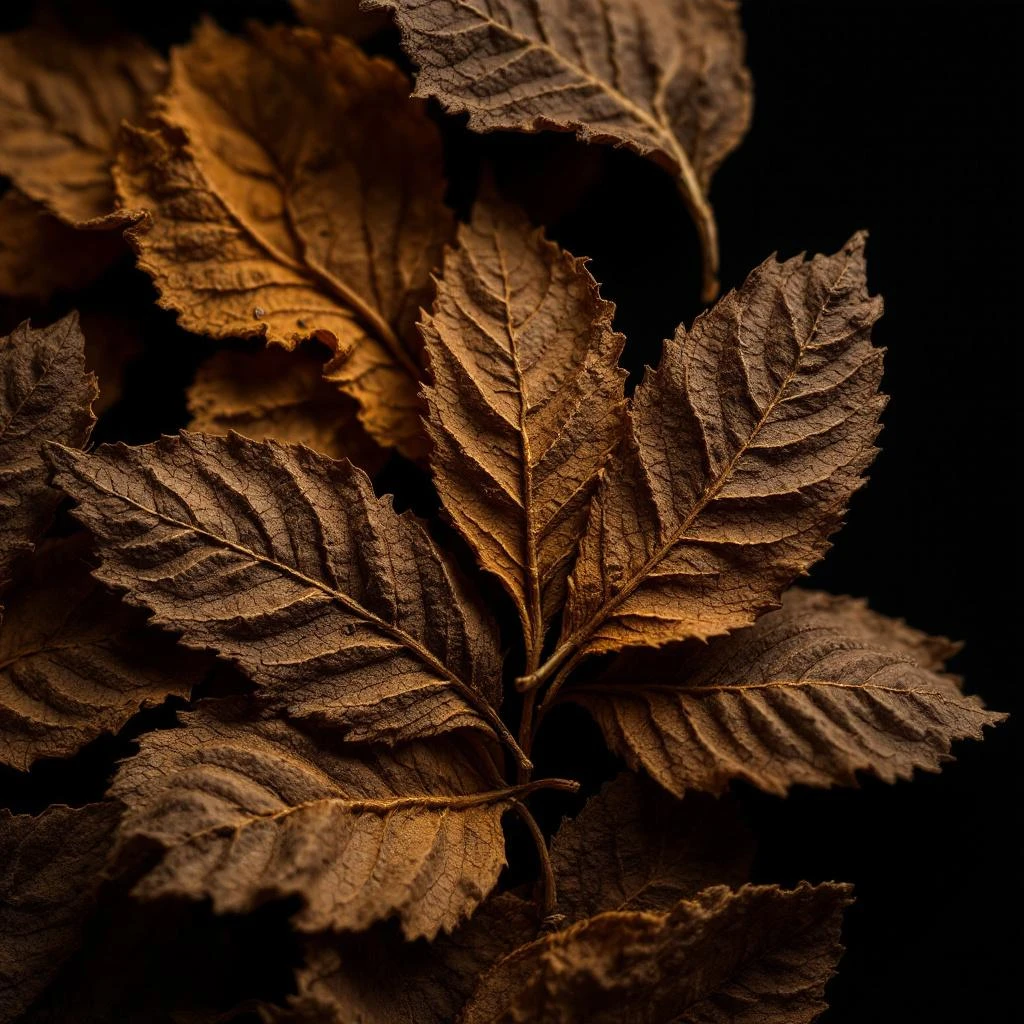
The primal scent of woodsmoke and glowing embers. A fragrance note that captures the raw, intimate atmosphere of firelight against the night sky, evoking memories of outdoors and warmth.
Character
How it smells
Smoke, embers, and the call of the wild.
Modern perfumers recreate campfire scents without burning a single log, combining guaiacwood oil, birch tar, and synthetic smoke molecules to build that unmistakable crackling wood aroma.




Origin
France
Fire and smoke have held sacred significance in human culture for tens of thousands of years, long before perfumery existed as a craft. Ancient peoples burned resins, woods, and herbs as offerings and in ritual contexts, recognizing that smoke carried meaning skyward.
The association between fire and spirituality runs through virtually every ancient tradition, from the Zoroastrian fire temples of Persia to the ceremonial burning of cedar by Native American peoples. When perfumery began developing as a trade around the Mediterranean and Middle East, smoke materials like myrrh, frankincense, and later cade and birch tar became among the most treasured ingredients, prized for their connection to the divine.
The campfire as a distinct fragrance concept emerged more recently, as modern perfumers sought to capture not sacred incense smoke but the more intimate, secular experience of an outdoor fire. This note speaks to a romanticized nostalgia for the natural world, a longing that became particularly pronounced in 20th-century Western culture as urbanization accelerated.
Wears it best
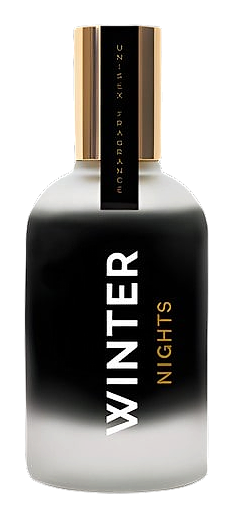
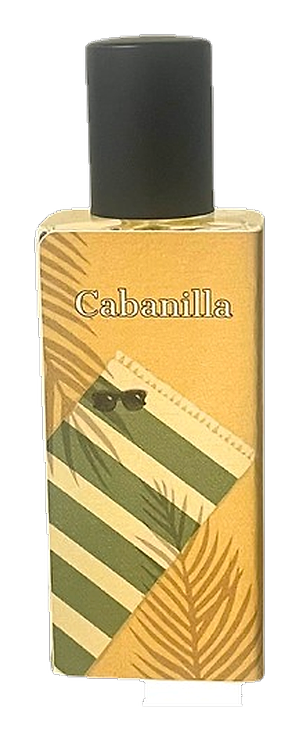
Fragrances featuring Campfire
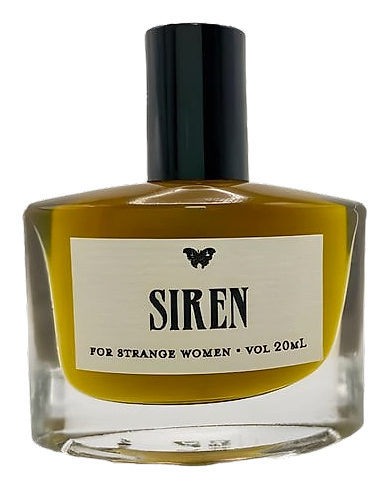
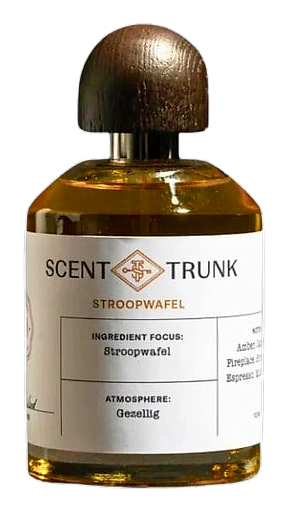
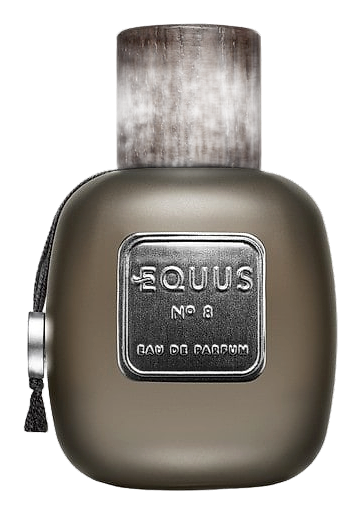
Brands
Brands known for Campfire
Good to know
Questions, answered
The essentials on Campfire in perfumery: how it smells, where it comes from, and how it behaves on skin.
Is campfire a natural or synthetic fragrance ingredient?
Campfire is almost always a synthetic accord. Perfumers combine materials like guaiacwood oil, birch tar, and synthetic smoke molecules to recreate the complex scent of wood burning without using actual combustion.
What materials create the smoke effect in campfire fragrances?
Guaiacwood oil provides warm, smoky woodiness while birch tar adds deep, tarry smoke character. Cade oil contributes bitter, medicinal smoke facets, and specialized aroma chemicals mimic the volatile sparks and embers.
Which fragrance families typically use campfire notes?
Campfire notes appear most often in leather, wood, and fougère families. They also show up in masculine chypres and certain orientals, adding an element of warmth and rugged naturalism.
Does campfire smell like actual smoke from a fire?
High-quality campfire accords can come remarkably close to real woodsmoke. The best versions capture not just the smoke itself but also the charred wood, glowing embers, and that slight gasoline-like top note of fresh flames.
What makes a campfire note in perfumery feel authentic?
Authenticity comes from balancing multiple smoke layers. A campfire accord needs volatile spark-like top notes, a steady smoldering body, and deep ember-like base notes that persist on the skin for hours.
Can campfire notes cause skin irritation?
Some smoke materials like birch tar contain naturally occurring allergens. Reputable fragrance houses use highly refined versions and keep concentrations below thresholds known to cause reactions in sensitive individuals.
How long does campfire last on skin?
Campfire notes typically last 6-8 hours when used as a heart or base component. The smoky, woody materials used in this accord tend to have excellent longevity, often outlasting lighter florals or citruses.
What other notes pair well with campfire in perfumery?
Leather, vetiver, tobacco, and vanilla pair naturally with campfire notes. These combinations create impressions of worn leather, aged wood, or cozy interiors where a fire has burned for years.