The Story
Why it exists.
The beginning
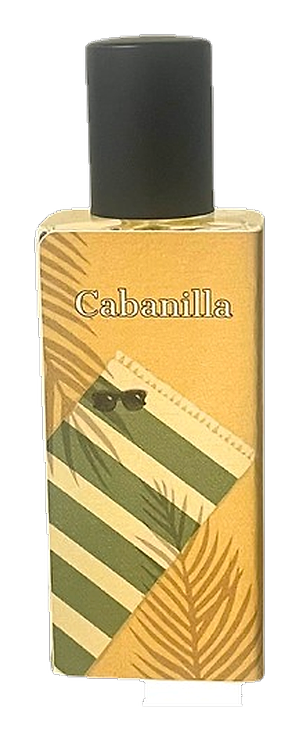
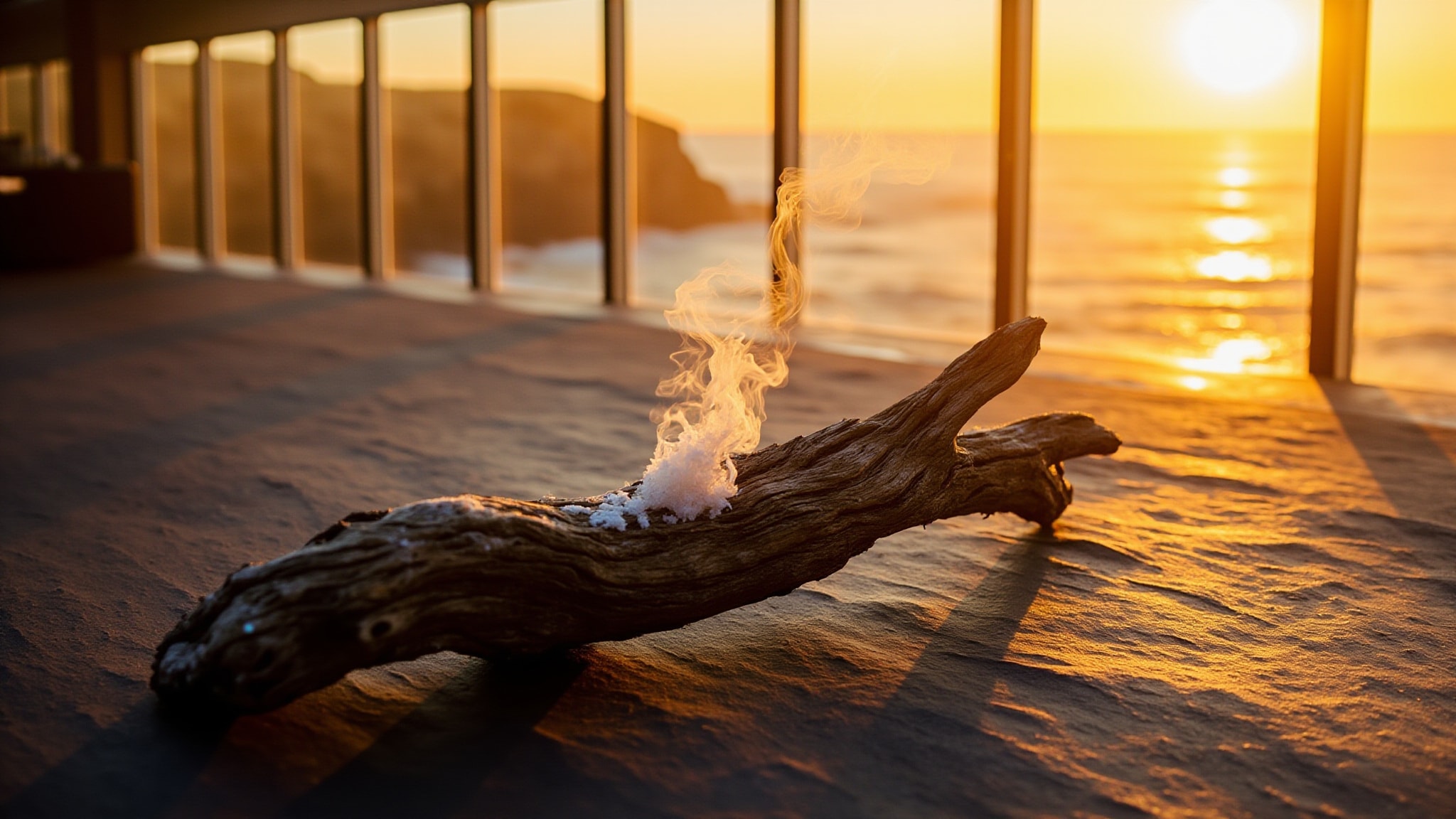
Cabanilla was built around vanilla and balsam of Peru, with coconut cream and brown sugar keeping it tropical. Salt and driftwood become the counterweight, giving it mineral and real character. The smoke stays present throughout, a beach bonfire that doesn't apologize for being a bonfire. The name, Cabanilla, references a small coastal shelter, the kind with weathered wood and salt air. That image is the whole brief.
The salted vanilla is what makes it interesting. Not the sugar itself, the salt underneath it, the way it pushes back against the sweetness before settling into something warm and edible. Coconut cream opens with richness, but the driftwood and salt keep it mineral and real, never sliding into suntan-lotion territory. Then the Peru balsam arrives, a resinous, dark-amber note that adds something unexpected to what could have been a straightforward tropical scent. It's the detail that elevates the whole composition from pleasant to specific.
The evolution
The opening hits with salt first. That's the surprise, you expect cream, you get the ocean. Coconut and vanilla come in underneath, rich and warm, but the driftwood and salt stay present for the first hour, keeping the air cool and mineral against the sweetness. Around the one-hour mark, the brown sugar starts to caramelize. The coconut becomes more edible, less coconut-water and more coconut-cream. Peru balsam deepens the warmth without adding weight. The palm leaf appears as a green undertone, slightly humid, like air before a storm rather than after one. By the third hour, the campfire smoke settles into the drydown alongside warm sand and driftwood. The vanilla doesn't disappear, it lingers underneath, close to the skin, wrapped in resin. The smoke is what stays. The drydown settles into something that smells like warm wood and salt without sweetness.
Cultural impact
Cabanilla is part of a wave of fragrances that treat smell as memory rather than purely as scent, leaning into environmental storytelling through notes rather than just raw materials. The fragrance captures a very specific moment: that threshold between day and night at the beach when the bonfire gets lit and the air turns salty-sweet. Sorce built its identity around this approach, translating real places and moments into olfactory form. The brand refuses to soften the smoke, keeping it present and unapologetic.