
The Story
Why it exists.
The beginning
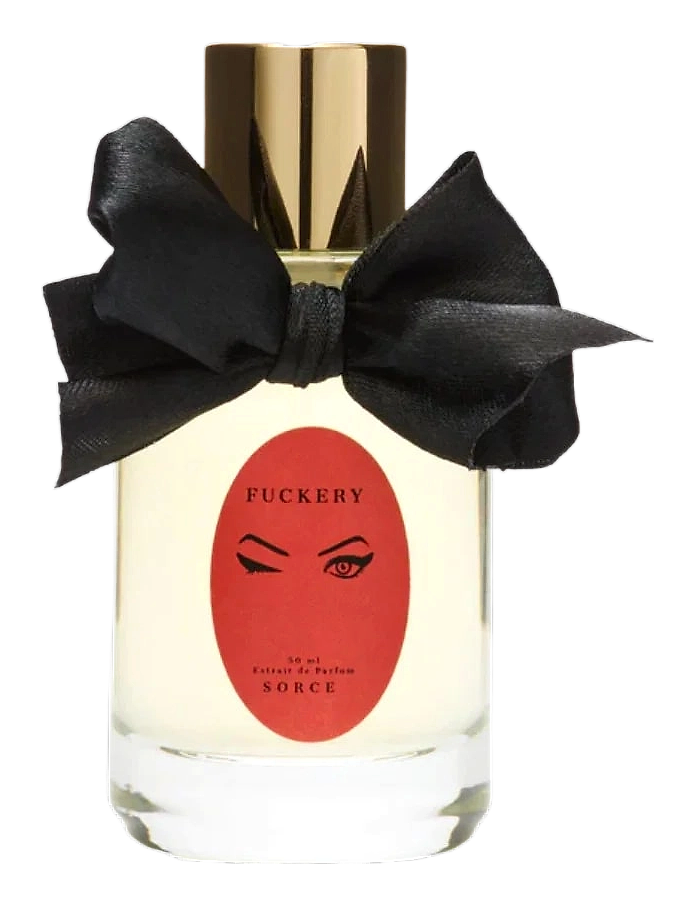
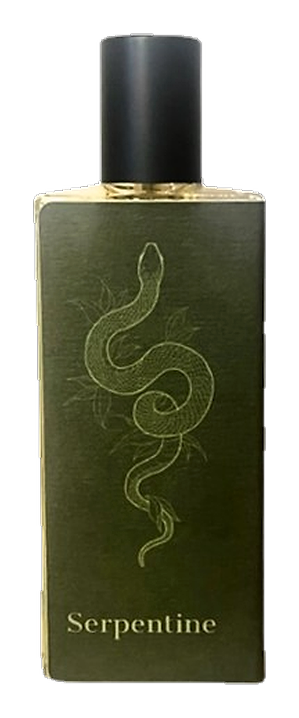
The brief was simple: a ripe fig, caramelized honey, and cardamom, generous and unapologetic. What followed was finding the moment where they stop being separate notes and start being something that only exists in this bottle. Serpentine opens on the lush sweetness of sun-ripened fig, the honey lending warmth and a faint amber glow. Cardamom enters with its herbal, slightly spiced presence, adding depth and complexity without overwhelming the composition. As the fragrance develops on the skin, the fig note reveals itself in layers: the creamy, slightly lactonic quality of the fruit's flesh, the green brightness of the stem, and the deeper, jammy quality of the skin. The honey becomes more pronounced as it warms, blending with the spice to create an almost resinous sweetness.
The cardamom does something unusual here. Instead of opening sharp and dissipating, it lingers, threaded through the heart alongside cedar and Peru balsam, adding warmth rather than just heat. The honey isn't a note so much as a mood. It doesn't smell like a jar or a candle; it smells like something golden that's been sitting in warm light for a while. Fig leaf brings a green edge that keeps the whole composition from being purely dessert. It's the distinction between eating a fig and standing next to the tree. Iso E Super appears in the heart, adding a woody transparency that extends the drydown without announcement.
The evolution
The opening arrives with cardamom leading, bright, almost prickly, with fig leaf adding a brief vegetal green note. Honey shows up within minutes, softening the spice into something warmer. The handoff happens around the 20-minute mark: cardamom recedes to the background, and the heart unfolds. Cedar and Peru balsam introduce a soft resinous warmth, while Iso E Super adds a transparent woody layer that extends everything. The drydown is where Serpentine earns its name. Vanilla and cedar settle into skin, creating a warm, intimate trail that remains close but persistent. On fabric, it lingers into the next day, faint and sweet, like something remembered rather than sprayed.
Cultural impact
Sorce represents a broader shift in niche perfumery toward smaller, personality-driven releases that reject mass-market predictability. The brand uses fig as a vehicle to elevate what could be a straightforward fruity-green scent into something with genuine botanical resonance. Rather than settling for pleasant familiarity, independent perfume houses are crafting narratives that go beyond simple scent, telling stories through ingredient combinations and the ways they interact on skin.