Smoky
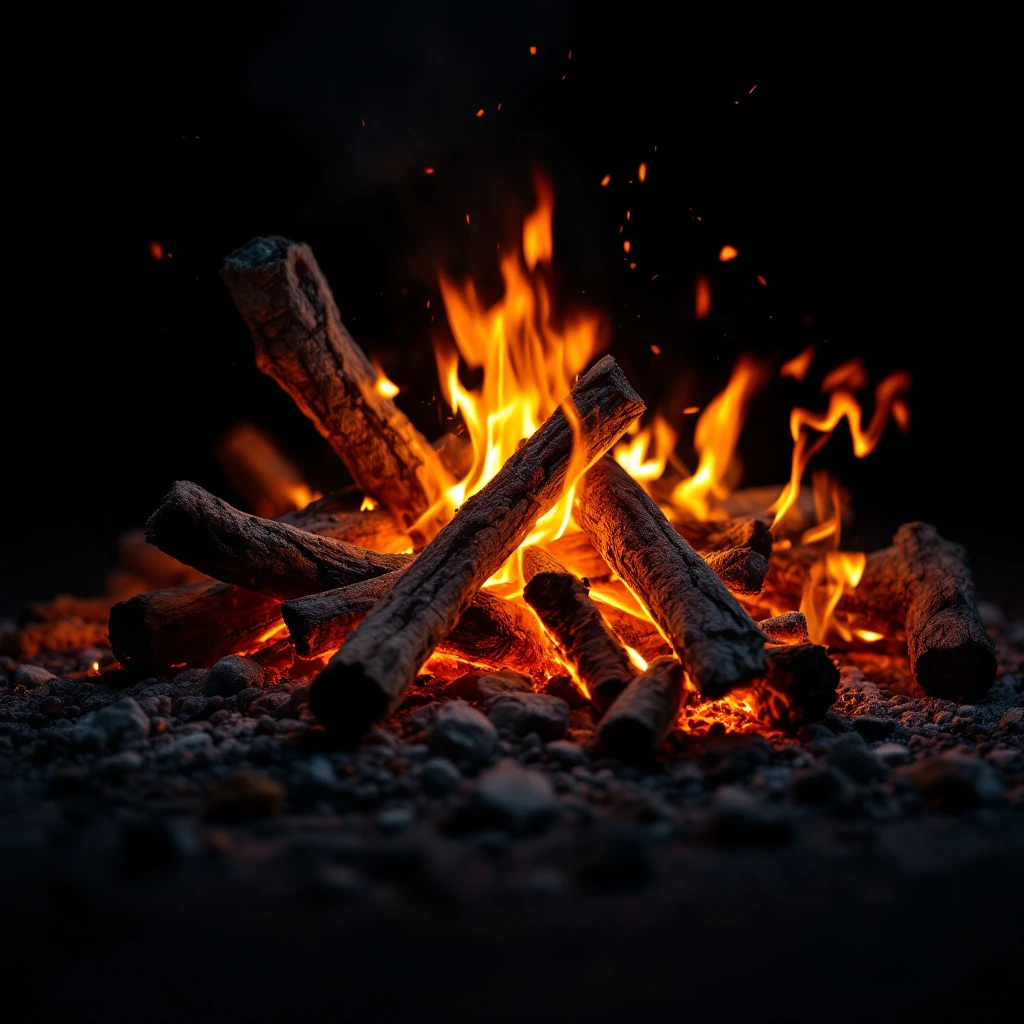
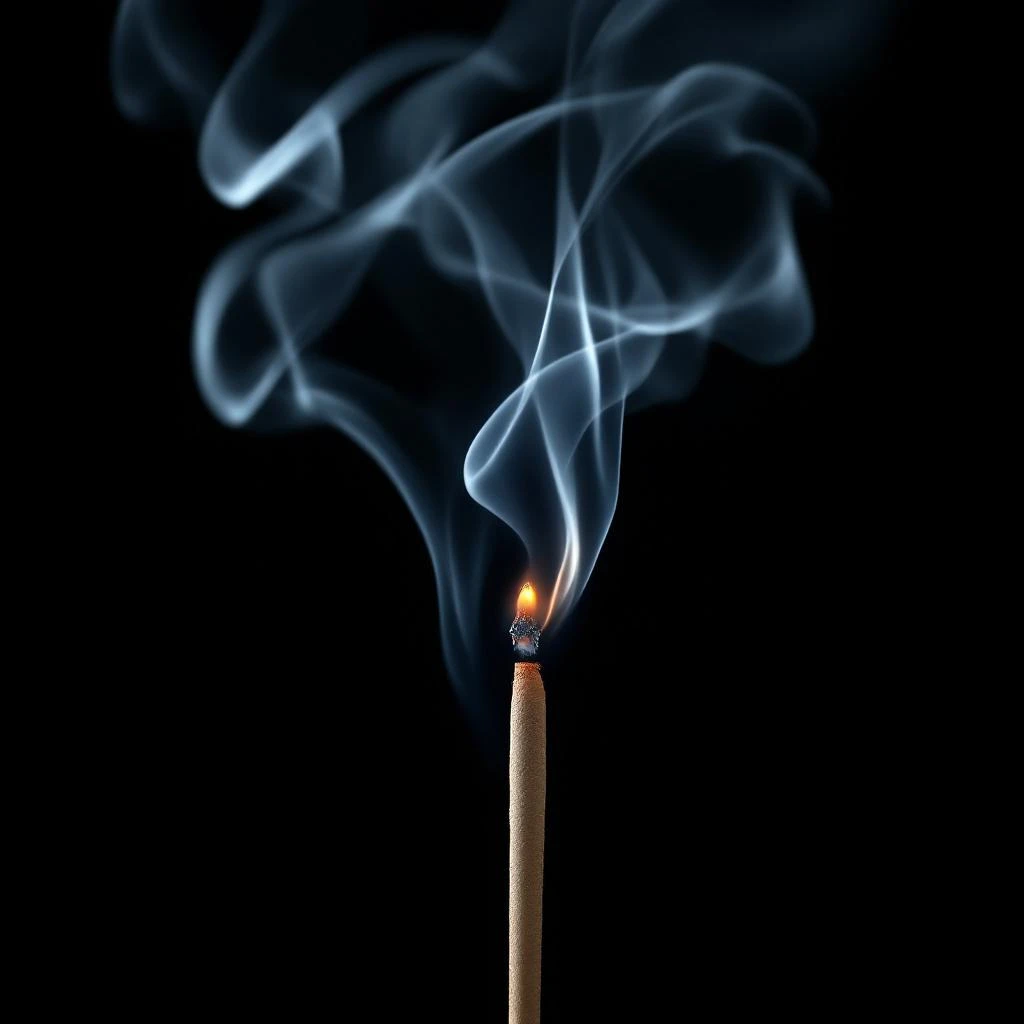
Smoke in fragrance evokes the primal allure of fire, the moment wood meets flame. It brings warmth, mystery, and a touch of the untamed to any composition.
Character
How it smells
Fire's aromatic memory, captured in a bottle
The word 'perfume' comes from the Latin 'per fumum,' meaning 'through smoke'—smoke gave fragrance its name.



Origin
Sweden
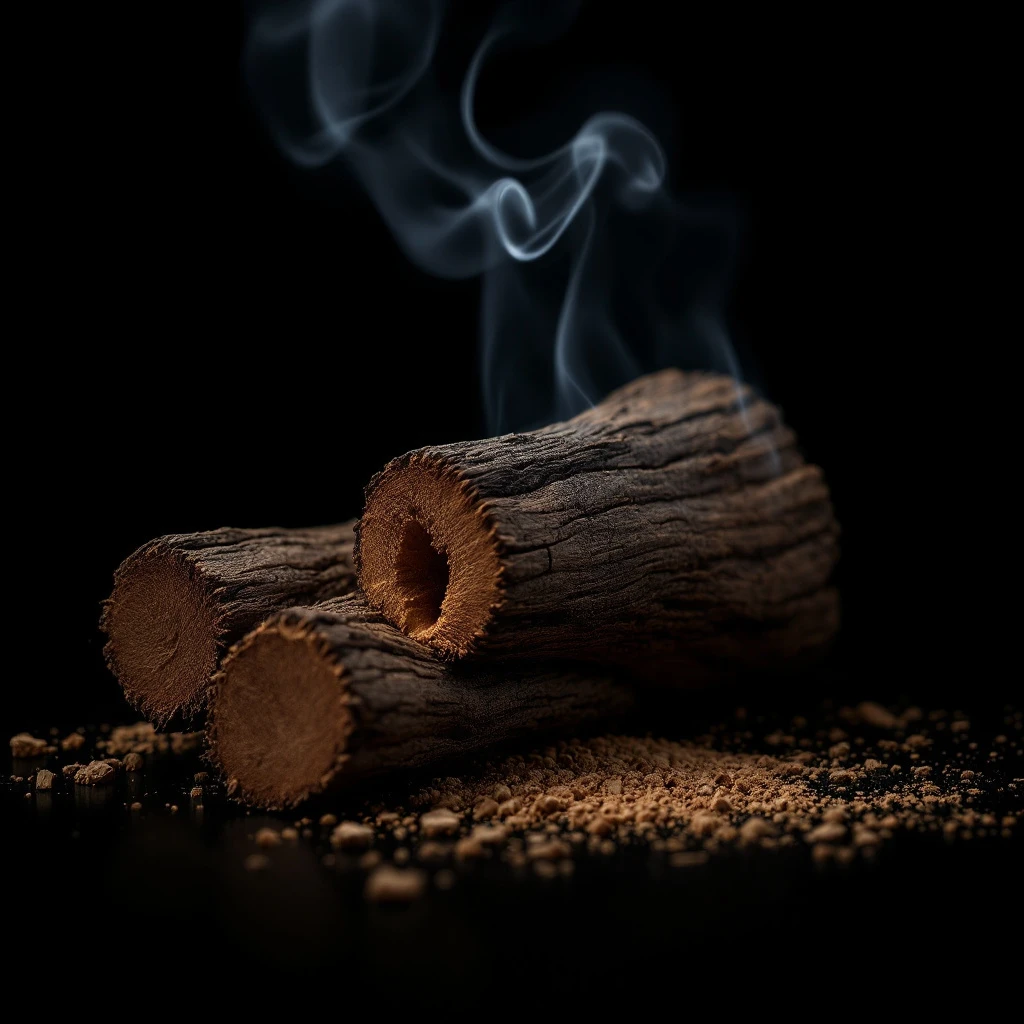
The word 'perfume' itself comes from the Latin 'per fumum,' meaning 'through smoke.' This traces directly to the earliest human use of fragrance: burning resins, woods, and aromatic plants in sacred ceremonies.
Ancient Mesopotamians, Egyptians, Greeks, and Romans all practiced incense burning, using cedar, juniper, myrrh, and frankincense. These ceremonies connected the physical and spiritual realms, establishing smoke as the original perfumery long before liquid fragrance existed.
Wears it best
Fragrances featuring Smoky
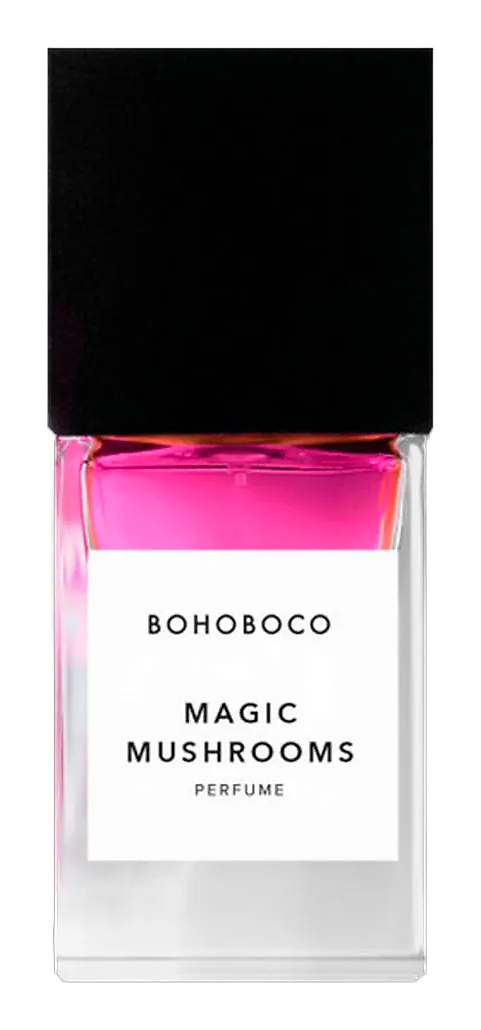
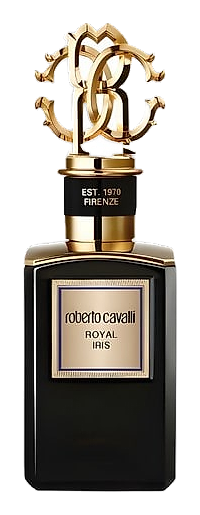
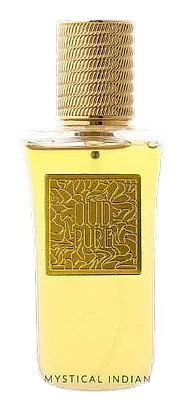
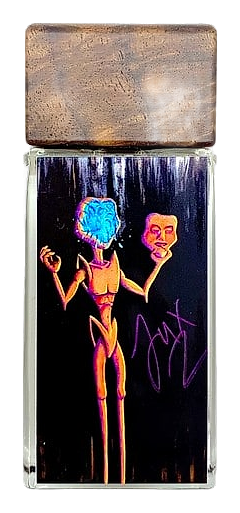

Brands
Brands known for Smoky
Good to know
Questions, answered
The essentials on Smoky in perfumery: how it smells, where it comes from, and how it behaves on skin.
What does smoky smell like?
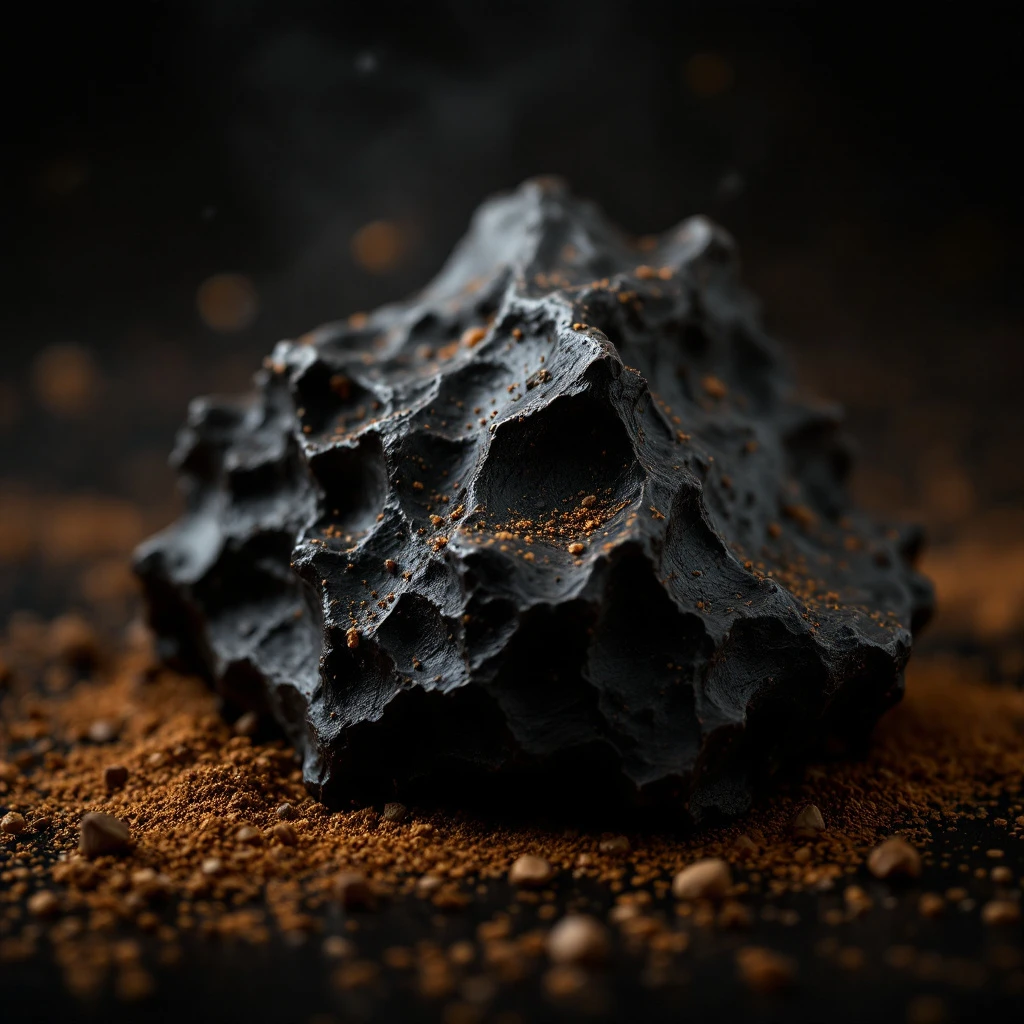
Smoky notes smell like charred wood, warm embers, and campfire ash, with a primal quality that feels ancient and grounding. The specific character depends on whether it derives from woodsmoke, incense, or synthetic smoke compounds.
Is smoky a top, middle, or base note?
Smoky notes typically function as base notes, providing depth and longevity to a fragrance. Perfumers sometimes use them in the heart for a bold opening statement, though this requires careful handling to avoid overwhelming lighter top notes.
Does smoky work for all seasons?
Smoky notes perform best in cooler seasons, particularly autumn and winter. Their warmth and depth make them less suited for hot weather, though they appear in some year-round masculine and unisex fragrances.
What notes pair well with smoky?
Smoky notes pair naturally with leather, oud, resins, and spices. These combinations share an earthy, organic character that enhances the smoky effect without competing for attention.
Is smoky suitable for fragrance beginners?
Smoky fragrances can feel intense for newcomers to fragrance. Starting with lighter smoky interpretations or exploring fragrances where smoke plays a supporting role rather than the lead helps build appreciation for this powerful note.
What is guaiacol and why do perfumers use it?
Guaiacol is the most common synthetic smoky material in perfumery. It replicates the phenol-rich character of woodsmoke with consistency and ethical sourcing, making smoky accords more accessible and controllable for perfumers.
Is smoky natural or synthetic?
Smoky notes can be natural or synthetic. Natural smoky materials include birch tar and smoked resins from coniferous woods. Synthetic options like guaiacol and pyrazines provide consistent smoky effects. Most modern fragrances use both.
How much smoky material do perfumers use?
The concentration varies by fragrance type and desired effect. Base note materials like smoky accords typically comprise a significant portion of the fragrance's foundation, with precise formulation depending on the overall composition.