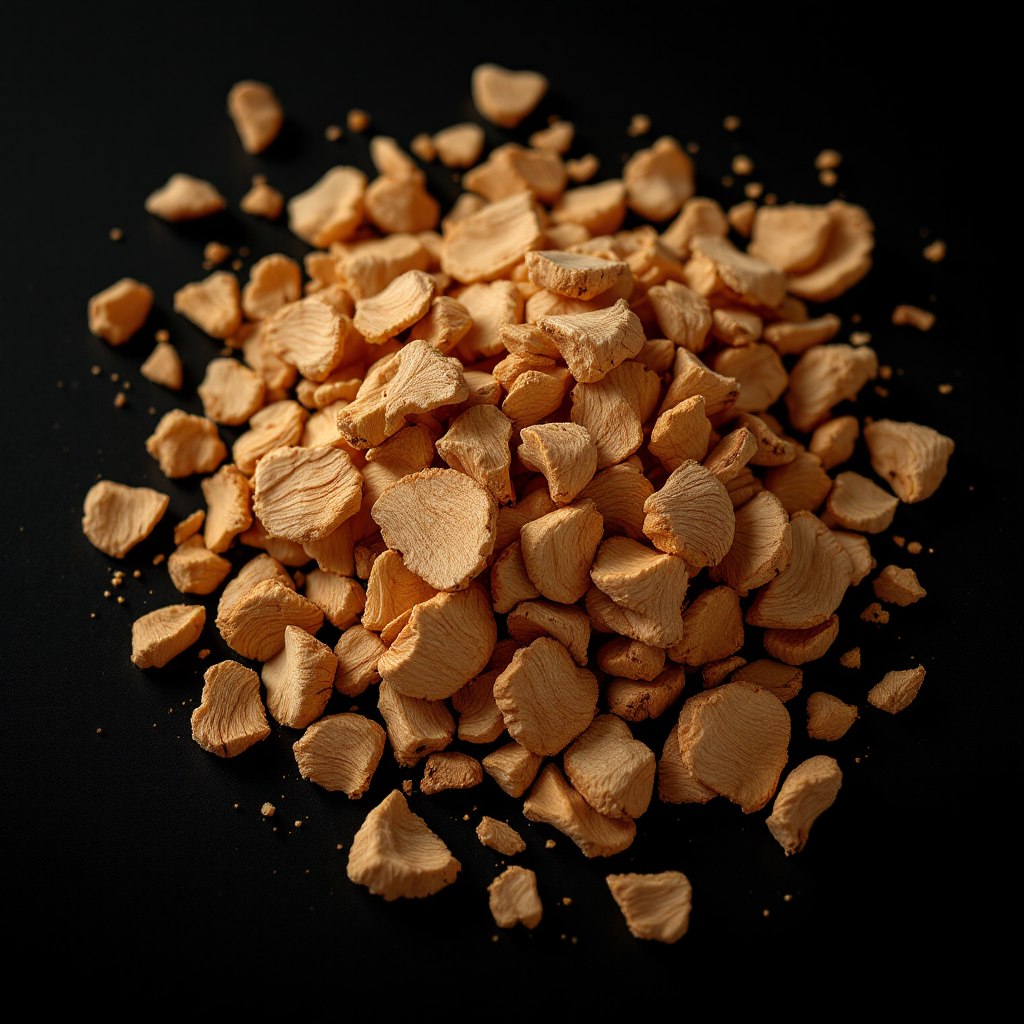
Assam Oud
From the misty forests of Northeast India comes one of the world's most coveted fragrance materials. Assam Oud carries centuries of ritual, medicine, and perfumery in its dark, resinous heart.
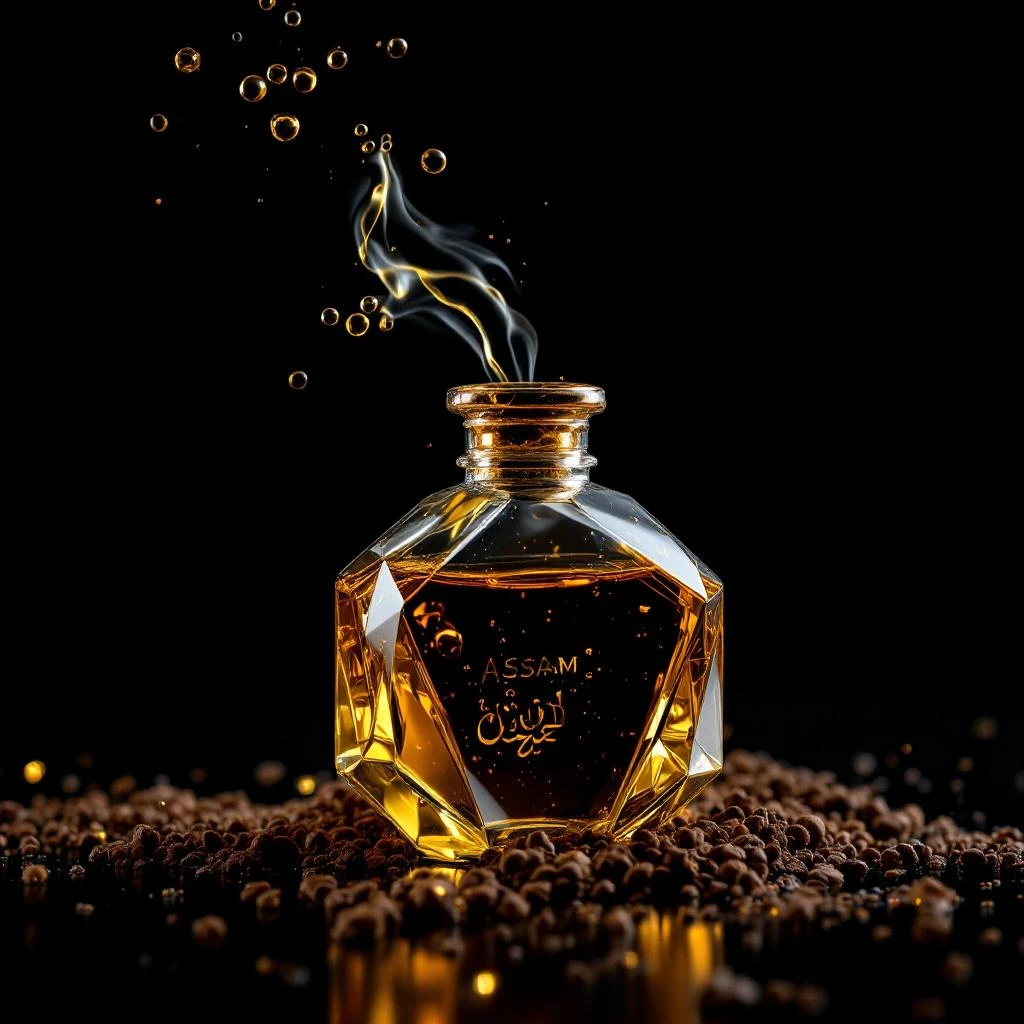
Character
How it smells
India's ancient aromatic treasure from the heart of Assam
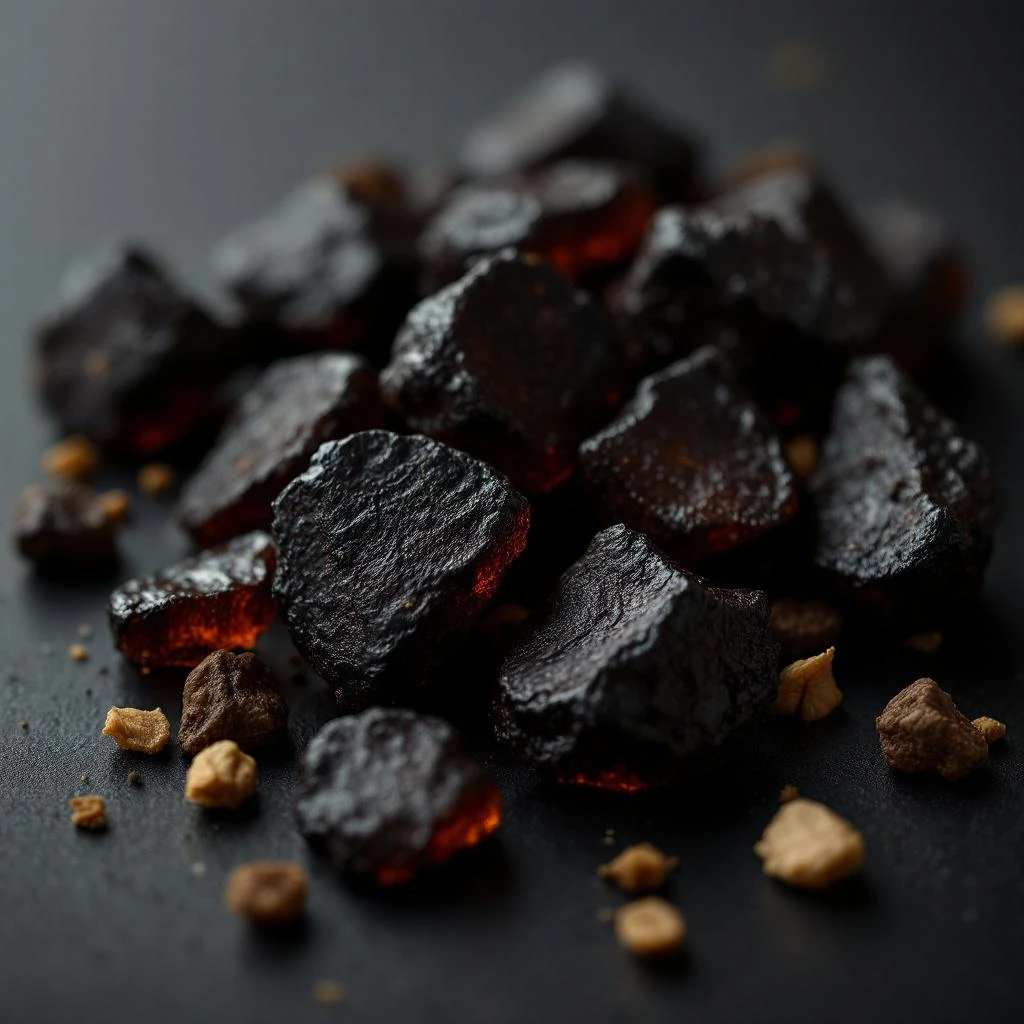
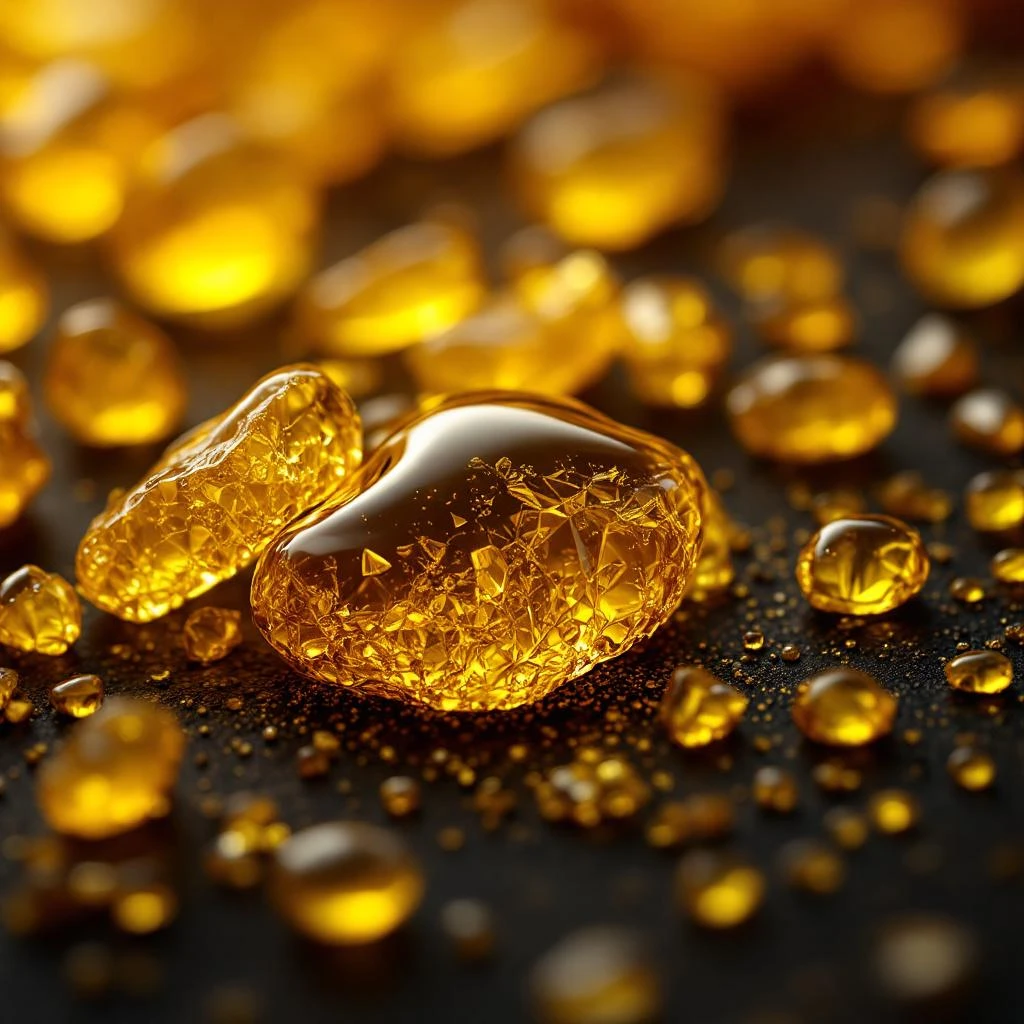
Oud is not a secretion but the tree's immune response. When infected by a specific mould, the Aquilaria tree produces dark resin as a defence mechanism.






Origin
India
Assam Oud traces its roots to ancient Indian civilization, predating its better known association with Middle Eastern perfumery. Historical records show oud featured in religious rituals, traditional Ayurvedic medicine, and royal perfumery across India for millennia.
The northeastern forests of Assam and neighboring Sylhet region represent the oldest documented source of agarwood oil, establishing practices that would later spread across Asia and beyond. Ancient Sanskrit texts reference agarwood in healing rituals, while archaeological evidence points to its use in burial ceremonies.
For centuries, Assam's Aquilaria forests supplied courts and temples with this precious material. The region remains one of the world's most important agarwood reserves, preserving techniques that connect modern perfumers to traditions established before written history.
Wears it best
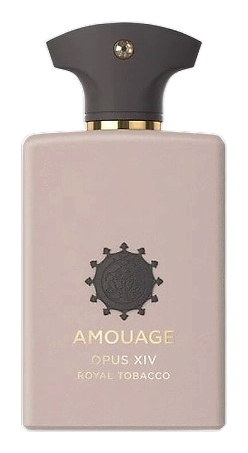
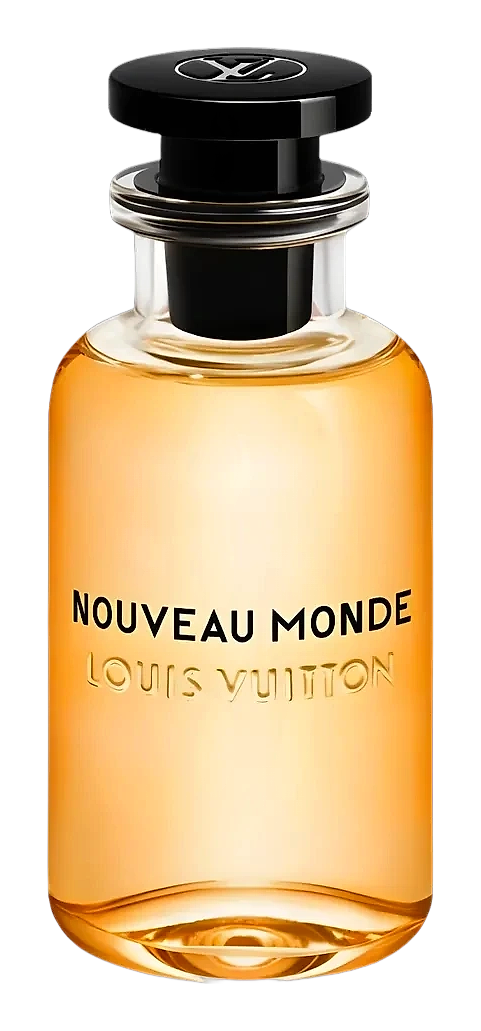
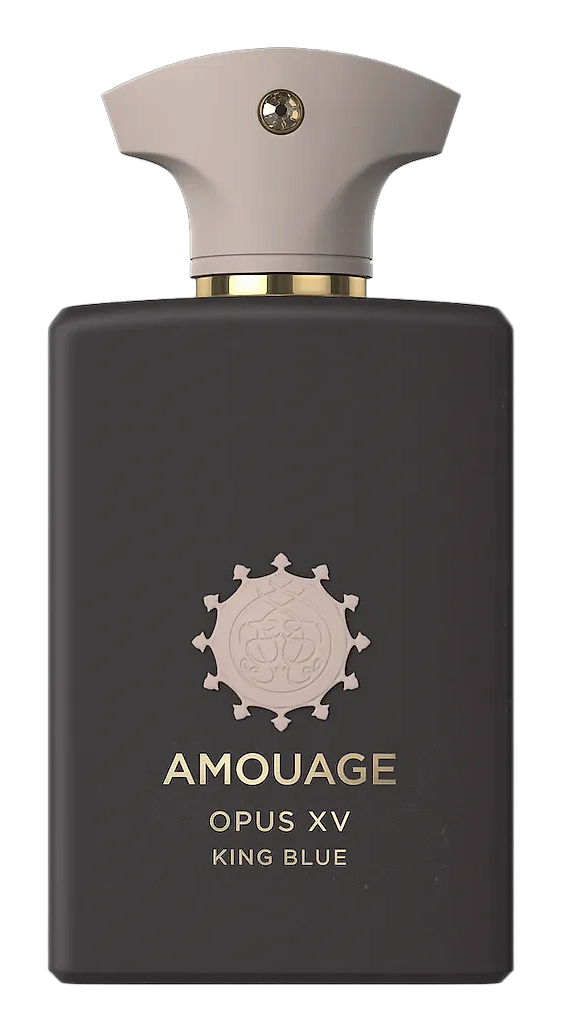
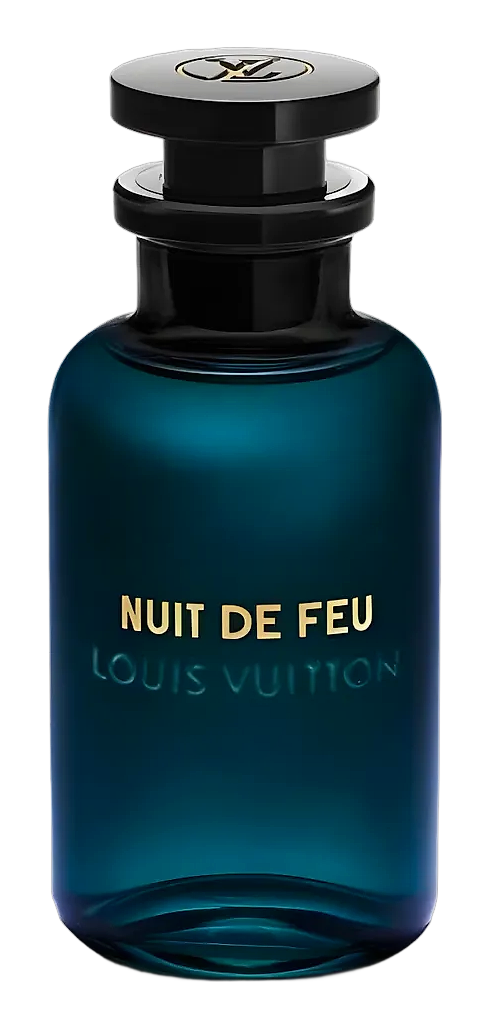
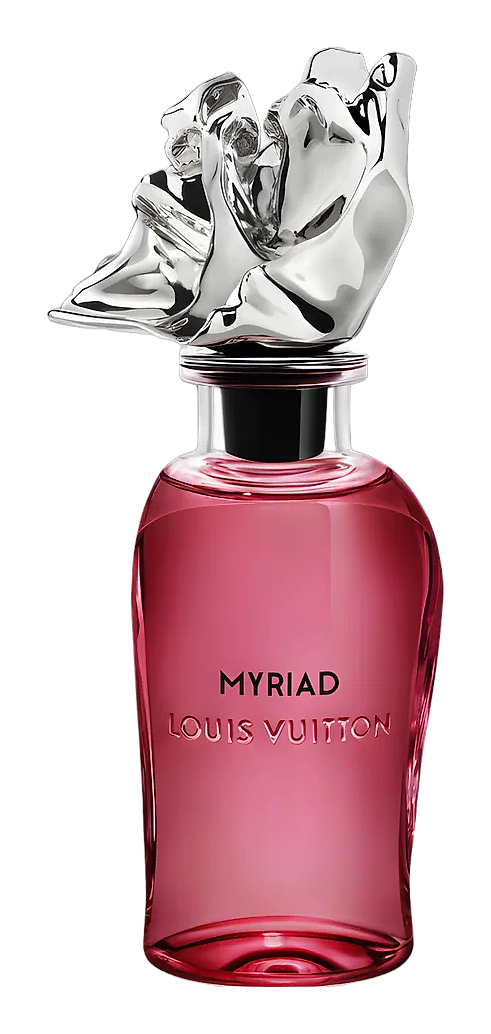
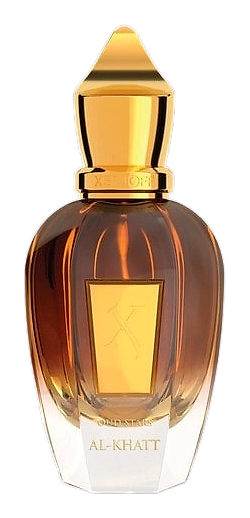
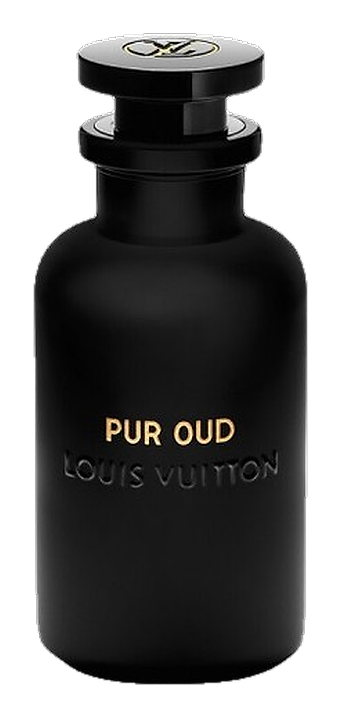
Fragrances featuring Assam Oud
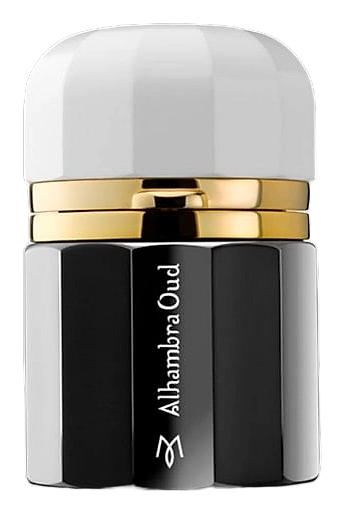
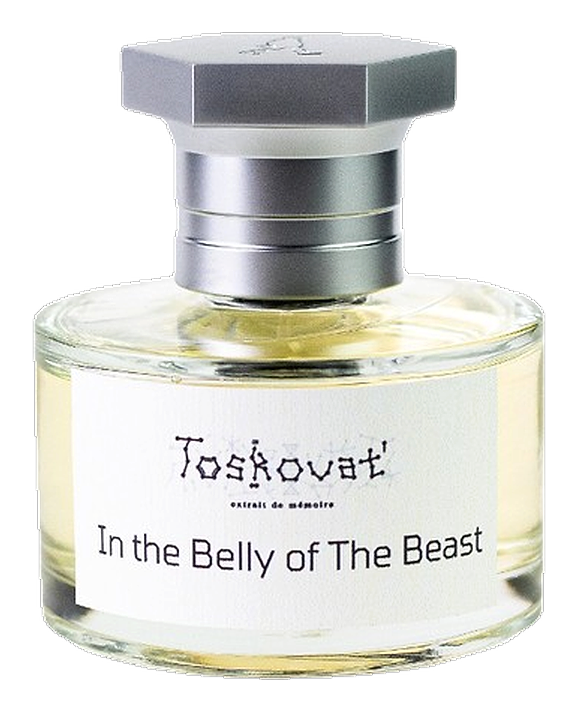
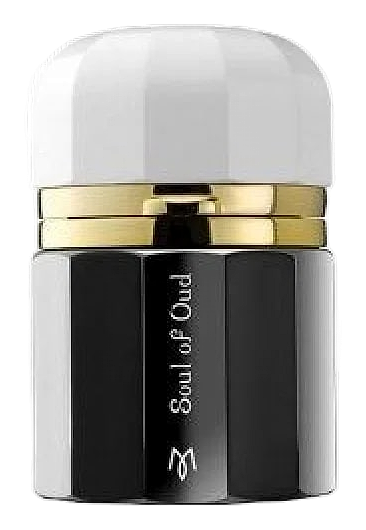
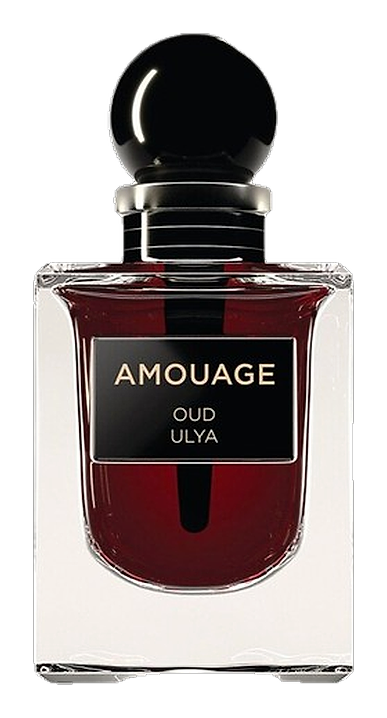
Brands
Brands known for Assam Oud
Good to know
Questions, answered
The essentials on Assam Oud in perfumery: how it smells, where it comes from, and how it behaves on skin.
What does Assam Oud smell like?
Assam Oud typically presents deep, resinous warmth with creamy woodiness. Expect notes of dark honey, balsamic richness, and a distinctive animalic edge that develops beautifully on skin. Each batch varies based on the specific fungal infection pattern.
How rare is Assam Oud compared to other ouds?
Assam is the world's largest supplier of agarwood, but genuine natural oud remains rare. Only about 2% of Aquilaria trees naturally produce usable resin, making quality Assam Oud a limited resource despite the region's scale of production.
Can synthetic alternatives replicate Assam Oud?
No synthetic captures oud's full complexity. Lab-created molecules like oud woods or akigalawood mimic certain aspects but lack the biological depth created naturally when mould infects living Aquilaria trees over years.
Why is oud so expensive?
Oud commands high prices because production is slow and unpredictable. A single Aquilaria tree requires decades to develop usable resin, and extraction yields very little oil from hundreds of kilograms of wood.
Does Assam Oud differ from other Indian ouds?
Assam oud typically exhibits a deeper, more animalic character compared to varieties from other regions. The specific environmental conditions and fungal strains in Assam create distinct aromatic signatures recognized by experts.
How should Assam Oud be stored?
Store Assam Oud away from direct sunlight and temperature extremes. The oil maintains its character for decades when kept in properly sealed dark glass bottles, improving with age like fine wine.
Is Assam Oud sustainable?
Responsible harvesting focuses on cultivated rather than wild populations. Sustainable operations in Assam now grow Aquilaria trees specifically for controlled inoculation, reducing pressure on wild forests.
What distinguishes Assam Oud from Middle Eastern varieties?
Most Middle Eastern oud traces back to imported raw materials from Southeast Asia. Assam represents one of the original cultivation regions with distinct production traditions predating the Middle Eastern oud trade by centuries.