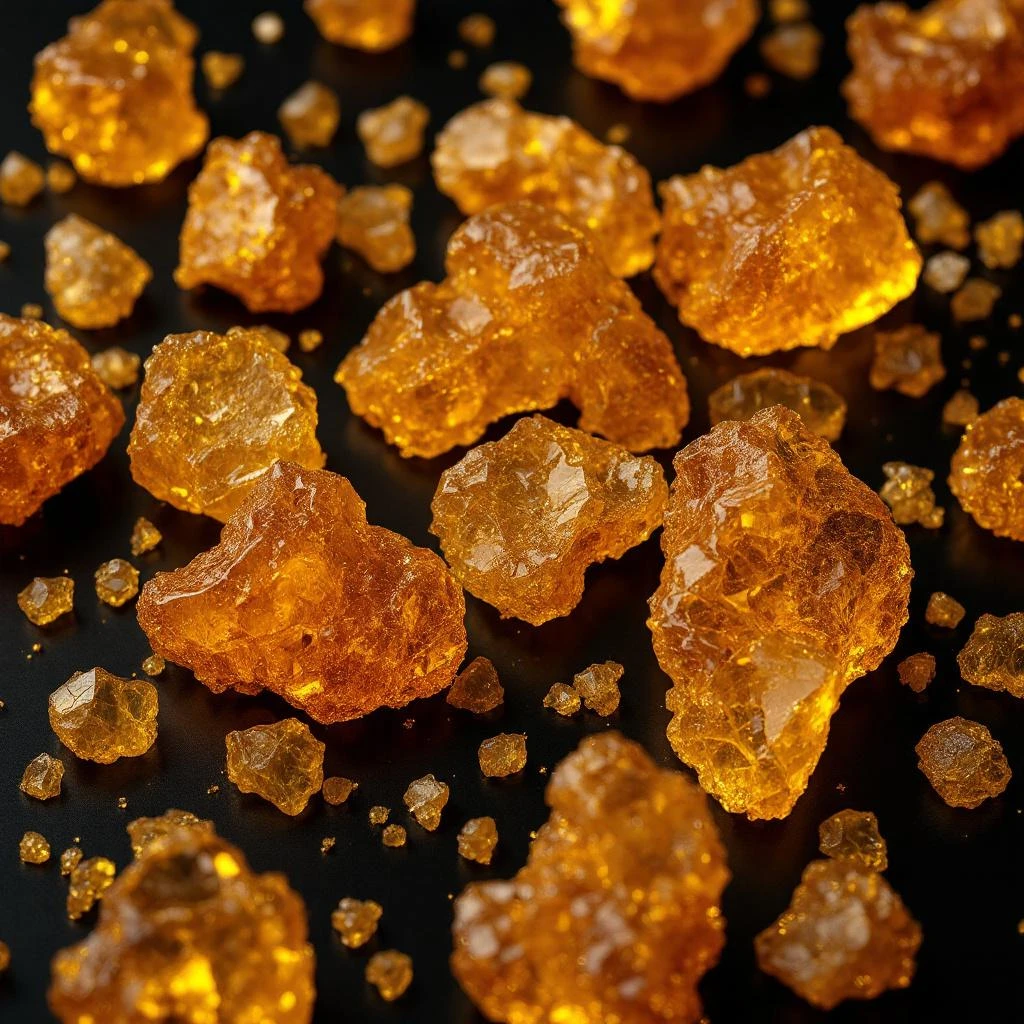
Resinous
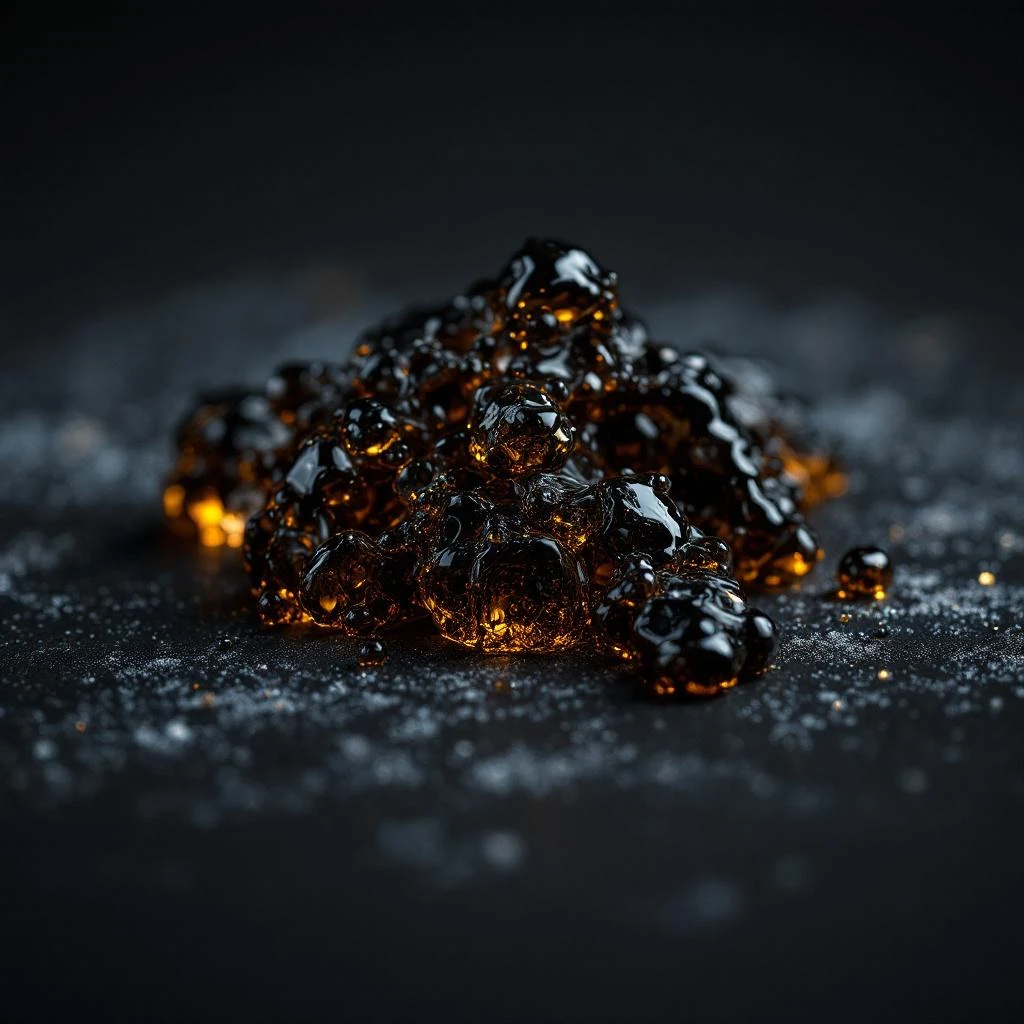
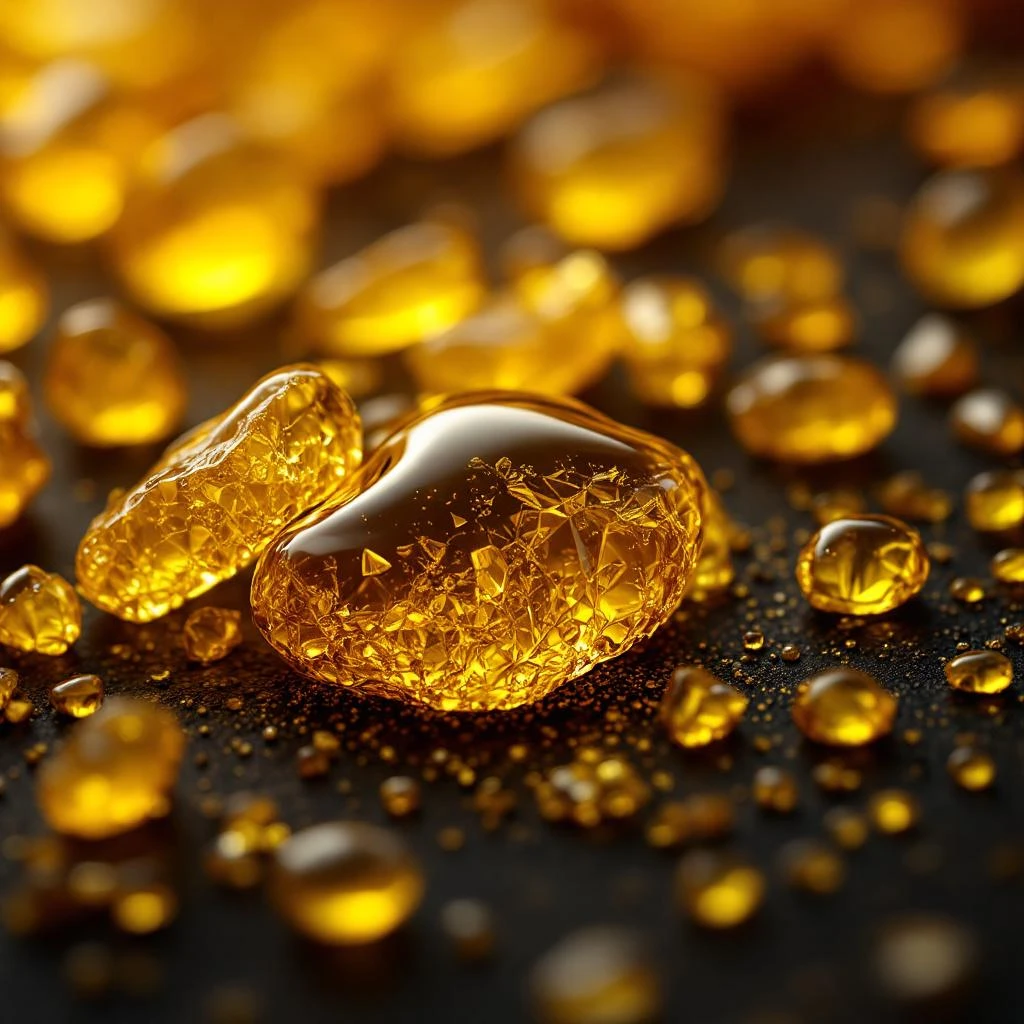
Resinous notes come from hardened tree saps and gums, offering warm, balsamic, and sometimes smoky characteristics. These materials serve as fixatives, slowing evaporation and adding depth to fragrance bases.
Character
How it smells
Ancient saps that anchor and warm.
Ancient Egyptians used frankincense resin as both perfume and toothpaste ingredient.


Origin
Somalia
Resins rank among the oldest fragrance materials humans have ever used. Cave paintings in Saudi Arabia show frankincense tree harvesting from 6,000 years ago. Ancient Egyptians burned resinous incense in religious ceremonies and embalming rituals, with frankincense and myrrh found in Tutankhamun's tomb. The Phoenician trade networks distributed these materials across the Mediterranean world.
Greek and Roman physicians including Galen prescribed resin remedies. Byzantine churches maintained elaborate incense traditions. The Arabian Peninsula became the global center of frankincense commerce, with the Port of Aden handling thousands of tons annually during the medieval period. European medieval apothecaries stocked resin for medicinal preparations, including cough remedies and wound treatments.
The 19th-century development of modern perfumery elevated resinous materials from sacred incense to sophisticated base notes. Contemporary perfumers use these same ancient materials to create complex fragrance foundations.
Wears it best
Fragrances featuring Resinous
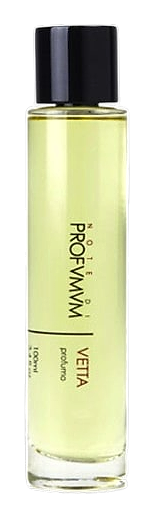
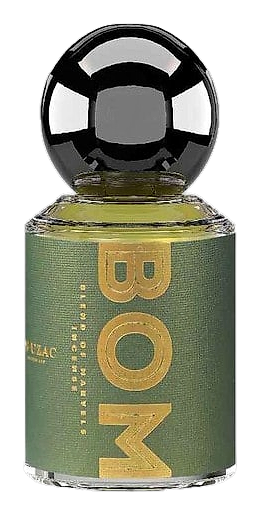
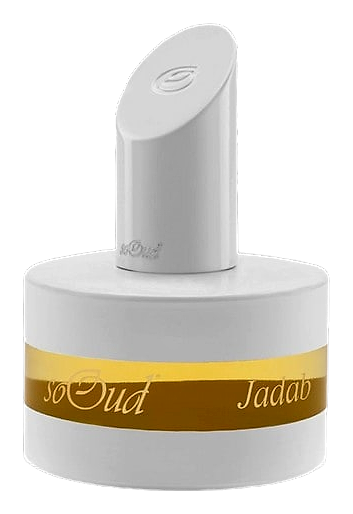
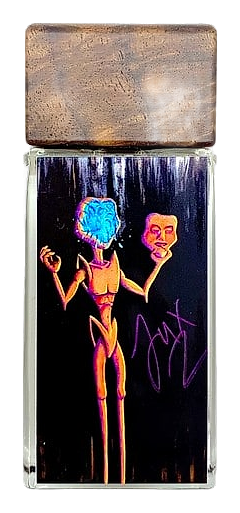
Brands
Brands known for Resinous
Good to know
Questions, answered
The essentials on Resinous in perfumery: how it smells, where it comes from, and how it behaves on skin.
What does resinous mean in perfumery?
Resinous describes warm, balsamic, and sometimes smoky scent characteristics derived from tree saps and gums. These materials anchor fragrances by slowing evaporation of lighter top notes.
What are common resinous ingredients?
Common resinous ingredients include frankincense, myrrh, benzoin, labdanum, and styrax. Each offers distinct aromatic profiles from sweet-vanilla to dark-leathery.
How do perfumers use resinous notes?
Perfumers use resinous materials as fixatives in base notes. They add depth, warmth, and longevity to fragrance compositions, often appearing in oriental and woody fragrances.
Is frankincense a resinous material?
Yes. Frankincense comes from Boswellia tree sap. It offers citrusy, pine-like, and slightly balsamic notes that perfumers have valued for over 5,000 years.
What extraction methods suit resinous materials?
Resins undergo steam distillation for essential oils or solvent extraction for resinoids. Solvent extraction preserves more complex aromatic molecules in the final material.
Do synthetic resinous ingredients exist?
Yes. Synthetic alternatives like peru balsam absolute and cetalox provide resinous character. Naturals remain preferred for their complex olfactory profiles and historical significance.
Which fragrance families feature resinous notes?
Oriental fragrances prominently feature resinous notes. Woody, chypre, and certain amber fragrances also rely on these materials for warmth and lasting power.
What regions produce the best resinous materials?
Somalia and Oman produce premier frankincense. Ethiopia and Yemen yield quality myrrh. Laos produces benzoin. Climate and soil conditions significantly affect resin quality.