Smoked Cedar
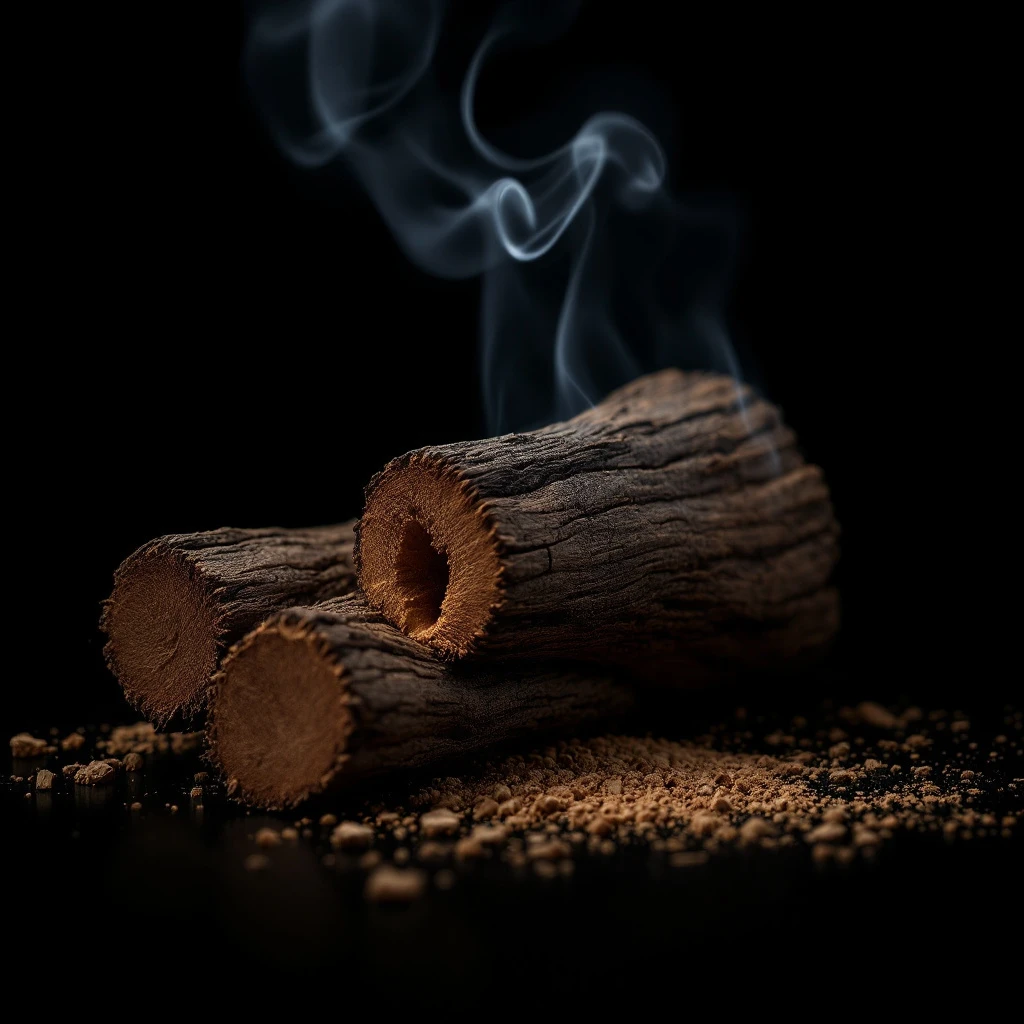
Smoked cedar brings a rich, campfire warmth to fragrances. This thermally treated wood note delivers deep, smoky undertones alongside classic cedar's dry, pencil-shaving warmth.
Character
How it smells
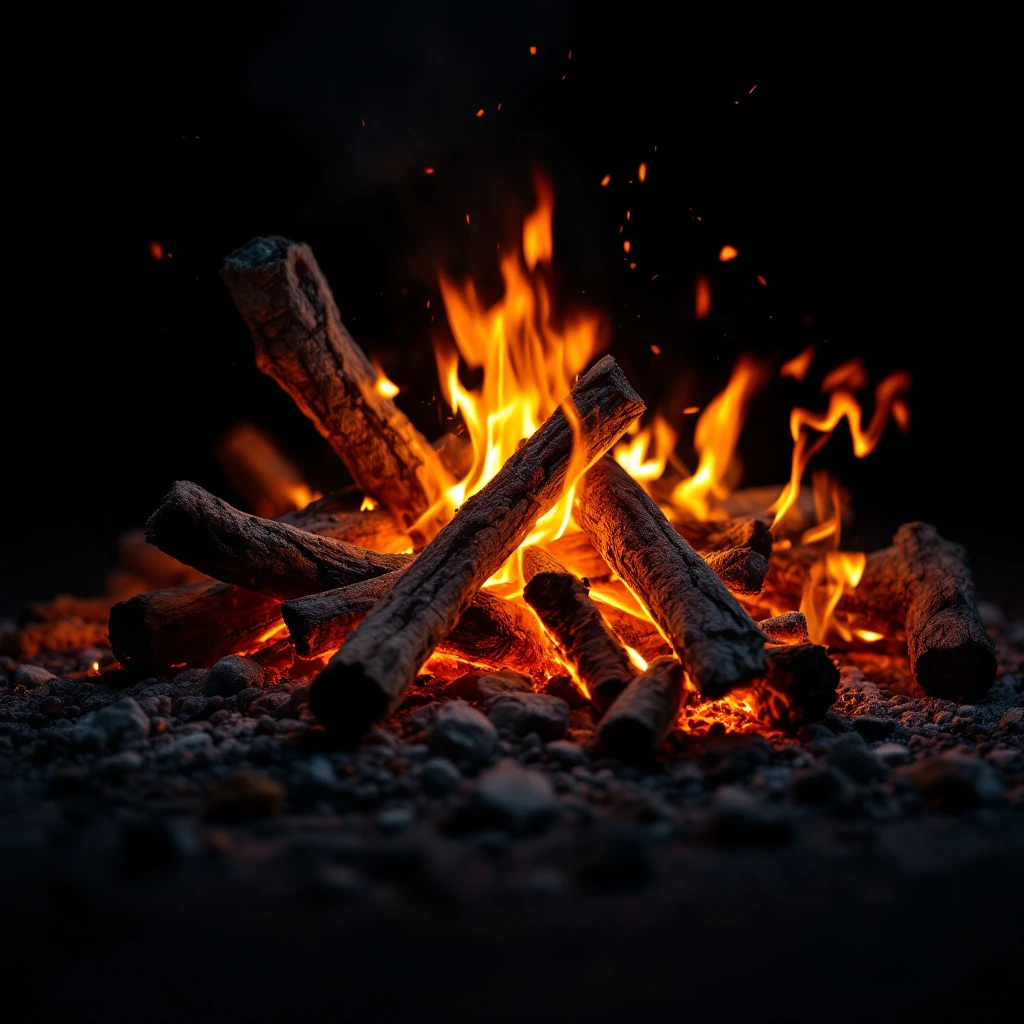
Fire-kissed wood with deep, aromatic warmth.
Some cedar species like Texas cedar naturally produce pyrogenic compounds that create smoky, barbecue-like notes without additional processing.





Origin
Morocco
Cedar has anchored perfumery since civilization's earliest chapters. Ancient Mesopotamians and Egyptians prized cedarwood as one of humanity's original perfume materials, burned as incense in sacred rituals and blended into anointing oils. The legendary Cedrus libani forests of Lebanon supplied cedar to pharaohs, Persian kings, and Hebrew traditions—the Bible mentions cedar 76 times, often symbolizing strength and purification.
Phoenician traders distributed cedar throughout the Mediterranean, where it served both sacred and practical purposes. Egyptians used cedar oil to embalm the dead and protect living skin. Greek physicians documented cedar's antiseptic properties.
By the nineteenth century, perfumers began systematically extracting cedarwood oil through steam distillation, establishing the wood note as a masculine fragrance cornerstone. The smoked variant developed later, as perfumers sought richer, more complex wood characters for oriental and masculine compositions. Today's smoked cedar honors thousands of years of continuous use while offering contemporary perfumers a distinctly warm, smoldering quality unavailable to ancient practitioners.
Wears it best
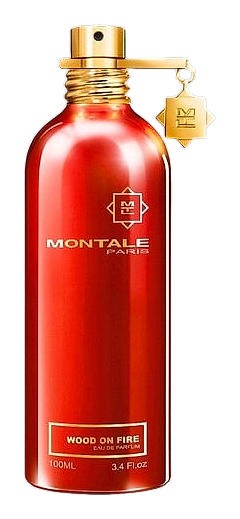
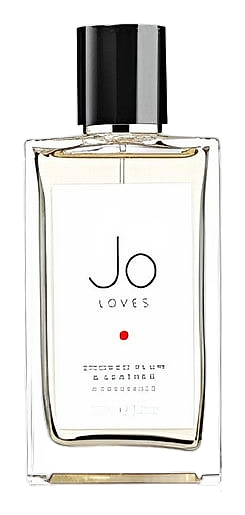
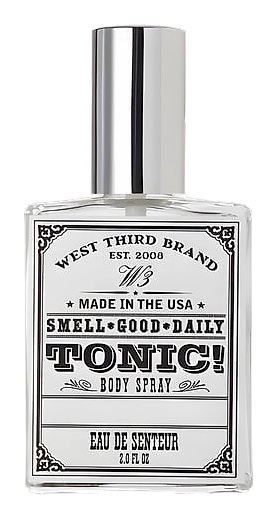
Fragrances featuring Smoked Cedar
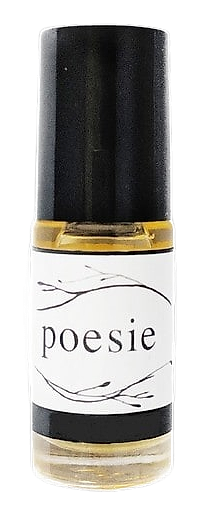
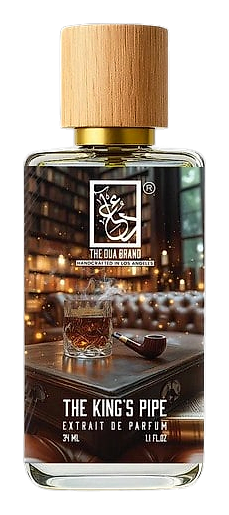
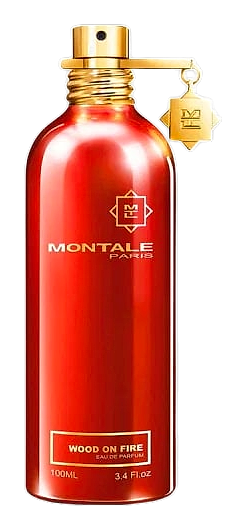

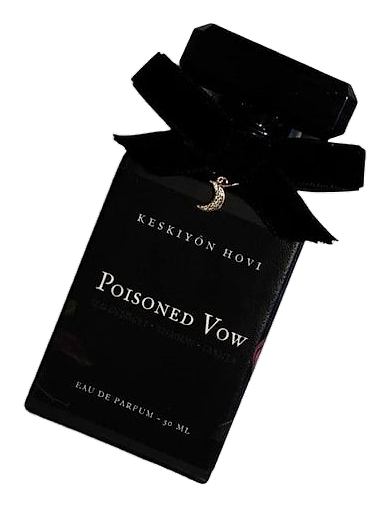

Brands
Brands known for Smoked Cedar
Good to know
Questions, answered
The essentials on Smoked Cedar in perfumery: how it smells, where it comes from, and how it behaves on skin.
What makes smoked cedar different from regular cedarwood oil?
Heat treatment during production creates smoky, campfire-like compounds that standard cedarwood lacks. Regular cedarwood offers dry, pencil-shaving warmth; smoked cedar adds smoldering depth with subtle barbecue character.
How do perfumers create the smoky effect in cedarwood?
Producers either heat cedarwood chips before distillation or extend the distillation process at higher temperatures. This thermal modification generates phenolic compounds responsible for the smoky aroma.
What cedar species produce smoked cedar?
Atlas cedar from Morocco and Algeria serves as the primary source for fine perfumery. Virginian cedar and Texas cedar also contribute, with Texas cedar naturally containing more pyrogenic compounds.
What compounds give smoked cedar its characteristic scent?
Cedrol makes up 35 to 50 percent of cedarwood oil, providing woody depth. Atlantone adds warm, slightly sweet undertones. Phenolic compounds created during heat treatment deliver the signature smoky quality.
Which fragrance families use smoked cedar most often?
Masculine fragrances, woody chypres, and oriental compositions feature smoked cedar most prominently. It anchors drydown phases and adds warmth to smoky, leathery, and tobacco-forward formulas.
Does smoked cedar occur naturally or requires processing?
Some cedar species, particularly Texas cedar, naturally produce smoky compounds called pyrogenic terpenes. Most smoked cedar, however, comes from processing standard cedarwood through controlled heat treatment.
How long has cedarwood been used in perfumery?
Archaeological evidence places cedarwood among humanity's first perfume materials, over 5,000 years old. Ancient Egyptians used it for sacred incense and cosmetics; the pharaohs considered it one of two founding perfumes alongside frankincense.
What olfactory qualities does smoked cedar contribute to a fragrance?
Smoked cedar adds warm, campfire-like depth with dry woodiness. It creates an impression of burning embers without harshness, lending smoke, warmth, and natural earthiness to a composition's foundation.