Toffee
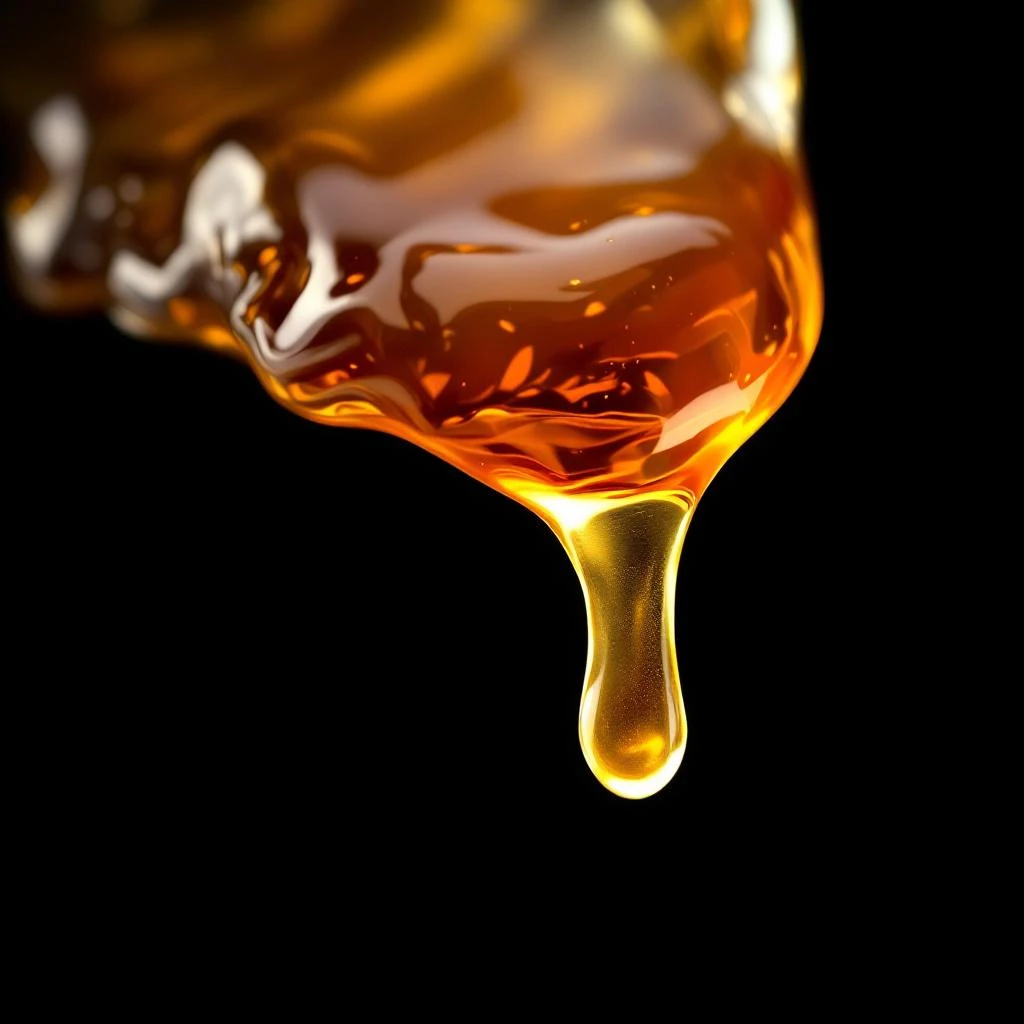
Toffee is a gourmand note created through synthetic aromatics that evokes warm caramelized sugar and buttery richness. It adds comfort, indulgence, and an edible quality to fragrances, frequently appearing in oriental and amber compositions where its sweet warmth anchors the dry-down.
Character
How it smells
Caramelized warmth and buttery indulgence from the perfumer's palette.
The key compound behind many toffee notes is furaneol, the same molecule that gives fresh strawberries their characteristic aroma. This sweet-smelling chemical naturally occurs in strawberries at approximately 30 parts per million.







Origin
Switzerland
The concept of edible sweets in perfumery dates back centuries, though the sophisticated toffee note we recognize today required the development of modern aroma chemistry. Sugar and butter-based confections became possible in Europe only after the medieval spice trade expanded access to sugar, transforming from luxury goods to commonplace ingredients that inspired perfumers seeking to capture their essence.
The synthetic compounds central to toffee accords emerged gradually through the late 19th and 20th centuries. Swiss fragrance house Givaudan isolated and first produced maltol, a key contributor to burnt-sugar character, around 1875, though its potential in perfumery took decades to fully explore. The gourmand fragrance movement of the 1980s and 1990s finally embraced toffee as a signature note, with major launches demonstrating its commercial appeal.
Prince Matchabelli's Foxy Lady (1972) stands among the earliest mass-market fragrances built around a distinct toffee character. However, Thierry Mugler's Angel (1992) cemented the toffee note in perfumery history, demonstrating that edible, confectionery-inspired fragrances could achieve mainstream success on a global scale.
Wears it best
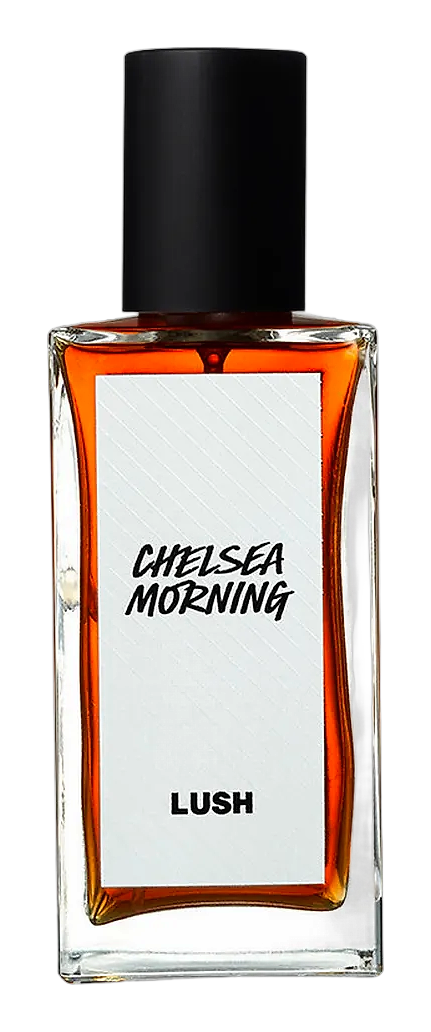
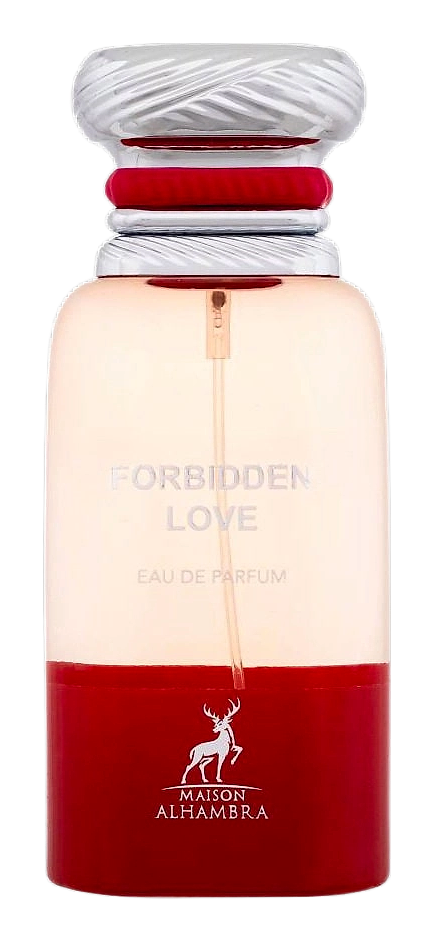
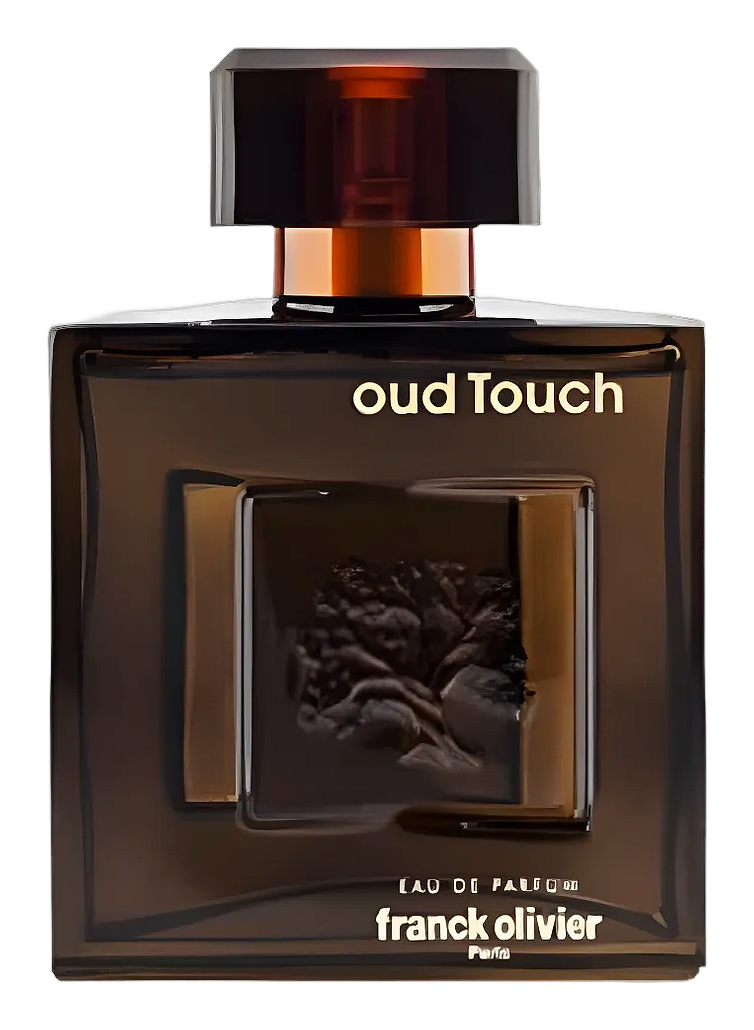
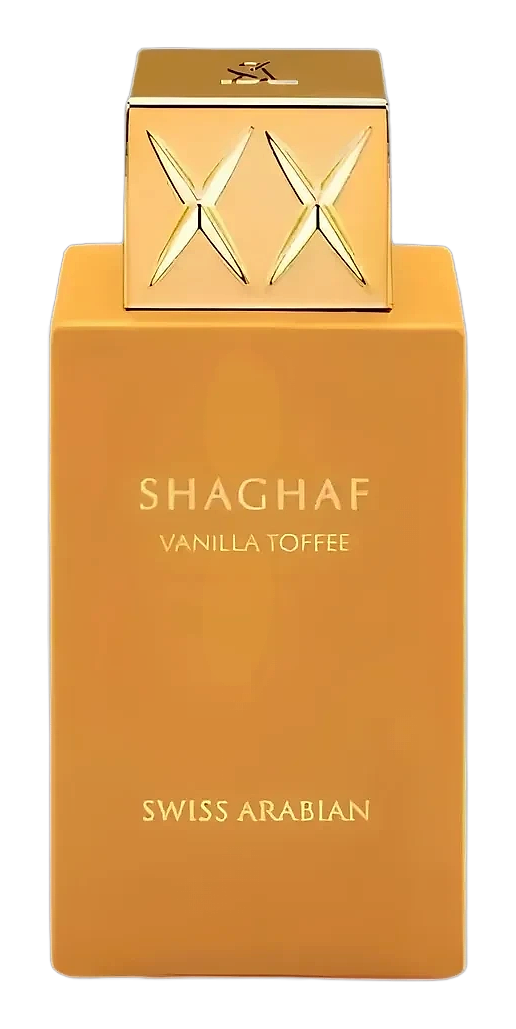
Fragrances featuring Toffee
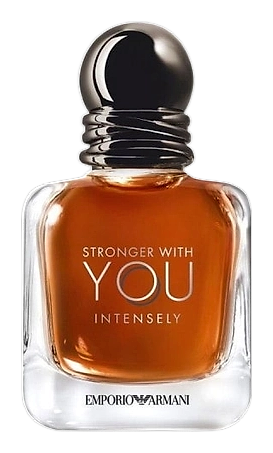
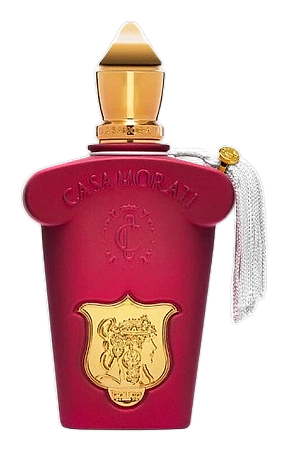
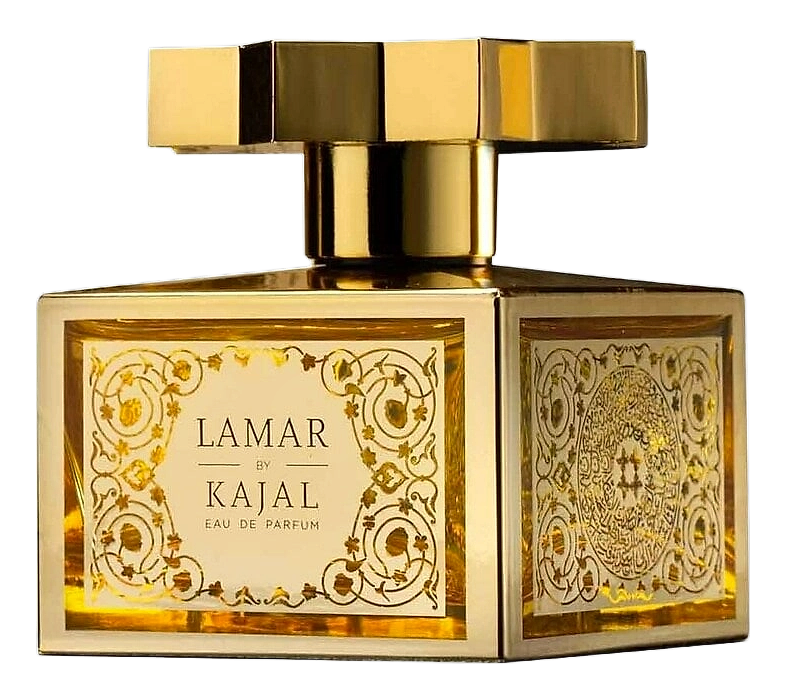
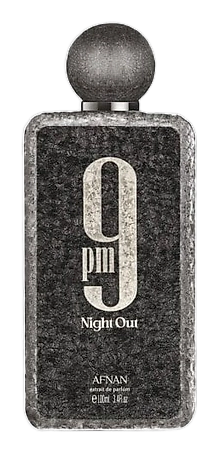
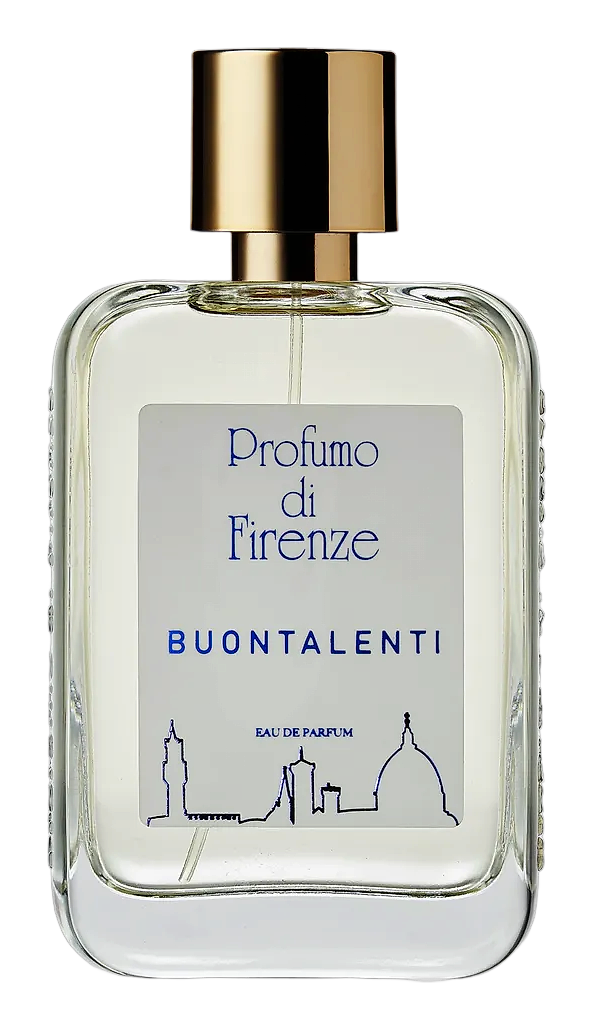
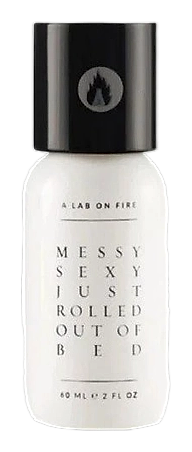
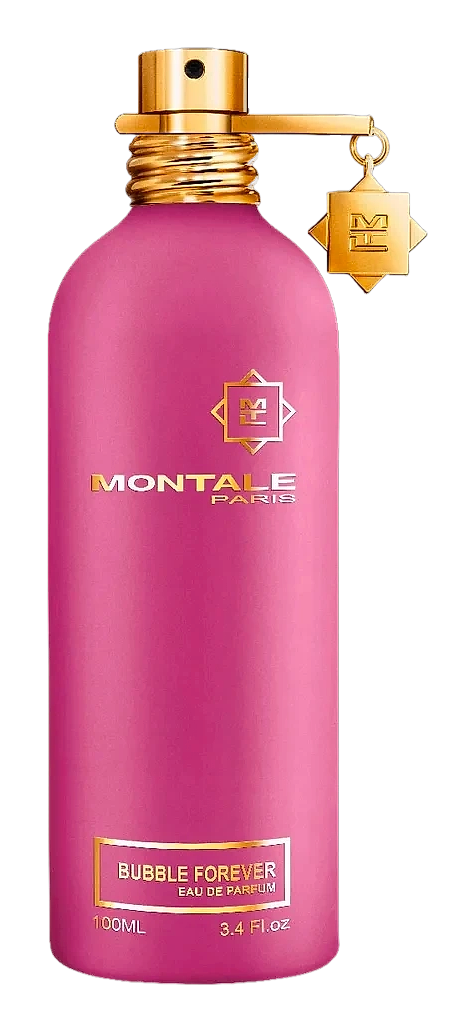
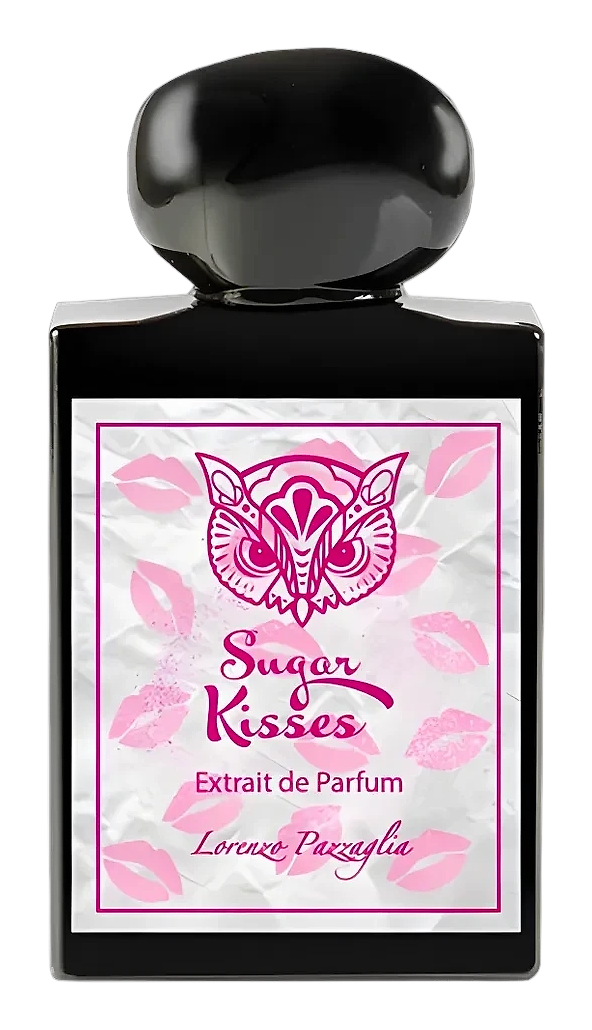
Brands
Brands known for Toffee
Good to know
Questions, answered
The essentials on Toffee in perfumery: how it smells, where it comes from, and how it behaves on skin.
What does Toffee smell like in perfume?
Toffee in perfume smells like warm caramelized sugar with buttery richness and burnt-sugar undertones. The note presents as sweet, edible, and comforting, with characteristic toffee, maple, and butterscotch facets that create an immediately recognizable confectionery character.
Why is Toffee used in perfumery?
Toffee is used because it creates immediate appeal through warm, edible sweetness that consumers find comforting and indulgent. Studies show gourmand fragrances with sweet notes achieve higher initial purchase intent among new fragrance buyers, making toffee a commercially valuable base note.
Is Toffee in perfume natural or synthetic?
Toffee in perfume is entirely synthetic, created from compounds like furaneol, maltol, and ethyl maltol produced through controlled chemical synthesis. Natural materials such as vanilla and tonka bean can approximate caramel notes but cannot replicate true toffee character.
What famous perfumes contain Toffee?
Thierry Mugler Angel (1992) is the most iconic toffee-containing fragrance, pioneering the modern gourmand trend with its signature accord blending toffee, chocolate, and honey. Other notable toffee fragrances include Prada Candy, Cacharel Yes I Am, and Dolce & Gabbana The One.
Is Toffee a top note, heart note, or base note?
Toffee functions primarily as a base note, providing lasting warmth and sweetness that anchors a fragrance's dry-down. The molecules used in toffee accords, particularly maltol, exhibit low volatility that allows the note to persist for 4-6+ hours on skin.
What notes pair well with Toffee in perfume?
Toffee pairs excellently with vanilla, tonka bean, and benzoin for enhanced sweetness, and with chocolate or praline for intensified edible character. Oriental base materials like amber, tolu balsam, and Peru balsam complement its warm, resinous quality. Resinous wood notes add depth and grounding.
How is Toffee extracted?
Toffee is not extracted but constructed through synthetic chemistry. Key compounds like furaneol and maltol are synthesized in labs from precursor chemicals. Furaneol, first isolated by chemist Stoll in 1967, was approved for food use at 37 ppm FEMA GRAS concentration, establishing its safety profile.
Is Toffee used in men's or women's fragrances?
Toffee appears in both men's and women's fragrances, though its frequency differs. Over 60% of commercial women's fragrances launched 2015-2022 contained edible sweet notes like toffee, while approximately 25% of masculine fragrances incorporated toffee or caramel, often in combination with darker oriental or leather components.