Burnt Vetiver
Heat-treated vetiver roots that develop a dramatic smoky, charred character. The burning process amplifies vetiver's natural earthiness into something bolder and more primal, like embers glowing in dark soil. A grounding note that brings warmth and intensity to fragrance compositions.
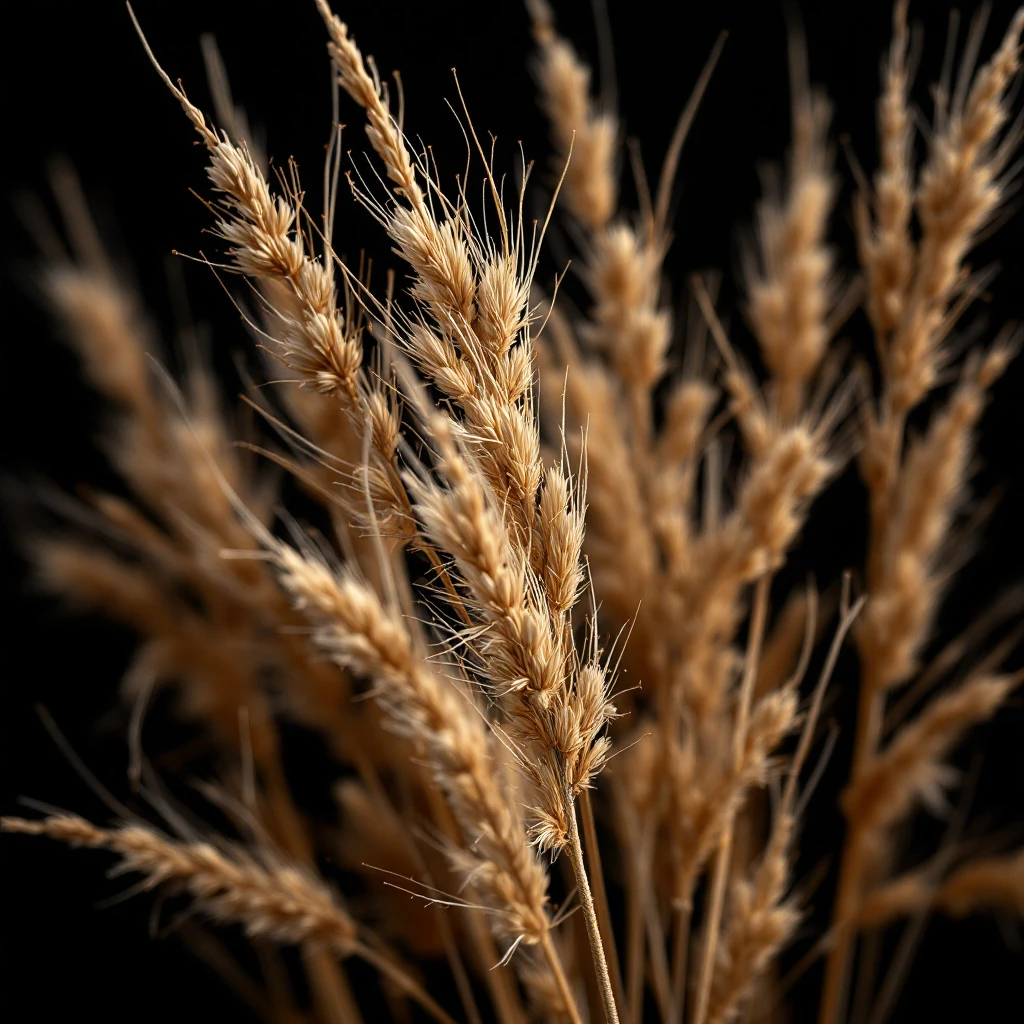
Character
How it smells
Charred roots, primal smoke, deep earth.
The burning technique was reportedly developed by mid-20th century perfumers seeking to intensify vetiver's natural smoky undertones.


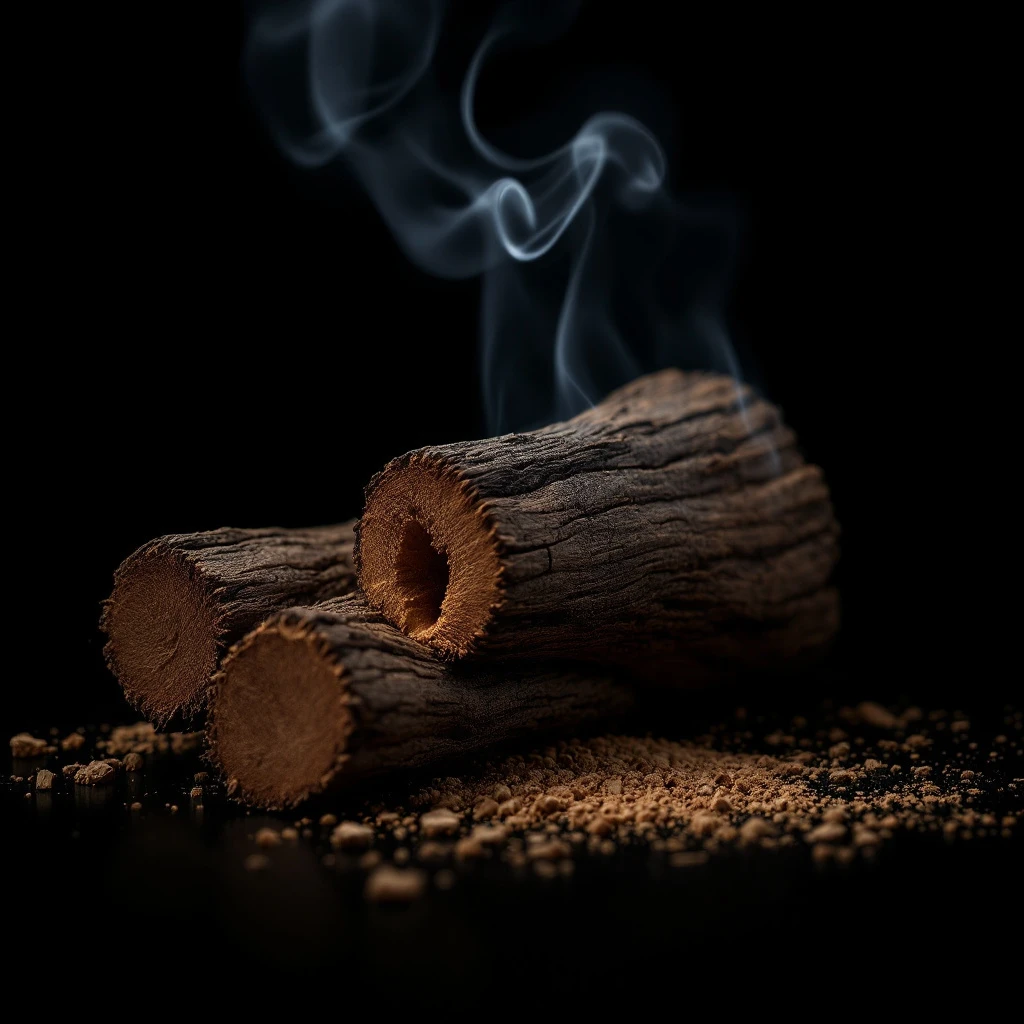


Origin
Haiti
Vetiver's history stretches back to the Indus Valley civilizations, where perfumers valued the aromatic roots for their long-lasting scent. Babylonian records from 1792-1750 BCE document vetiver use in ceremonial preparations. However, vetiver remained primarily an Eastern ingredient until the 19th century, when Western perfumery began exploring exotic materials.
Reunion Island became a cultivation center around 1900, producing high-quality oil that established the region's reputation. The burnt variant emerged as perfumers experimented with modifying natural materials to achieve specific olfactory effects. By the 1940s and 1950s, smoky and charred notes had become desirable in masculine fragrance compositions, driving interest in heat-treated vetiver.
Today, burnt vetiver remains a niche but valued ingredient, prized by perfumers who seek to add primal, smoky depth to their creations.
Wears it best
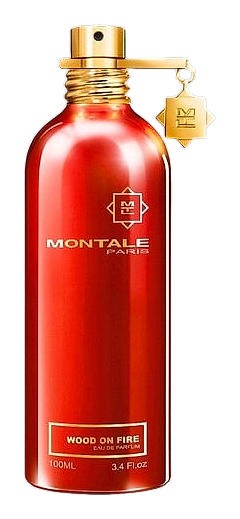
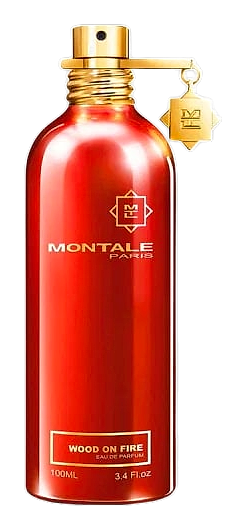
Fragrances featuring Burnt Vetiver
Brands
Brands known for Burnt Vetiver
Good to know
Questions, answered
The essentials on Burnt Vetiver in perfumery: how it smells, where it comes from, and how it behaves on skin.
What is burnt vetiver in perfumery?
Burnt vetiver is vetiver root that has been heat-treated before distillation, creating a smoky, charred aromatic profile. The pyrolysis process gives the oil deeper, more primal qualities than standard vetiver essential oil.
How does burnt vetiver differ from regular vetiver oil?
Standard vetiver oil smells earthy and woody. Burnt vetiver adds intense smoky, leathery, and tar-like notes. The heat treatment transforms the root's aromatic compounds, creating a campfire-like warmth that blends earthiness with smoke.
How is burnt vetiver produced?
The process involves harvesting mature vetiver roots, drying them, then applying controlled heat at 150-200 degrees Celsius to partially carbonize the material. This pyrolysis step precedes steam distillation, which extracts the oil with its characteristic smoky character.
Why is burnt vetiver used in men's fragrances?
Burnt vetiver adds rugged, masculine depth that appeals to masculine fragrance aesthetics. Its smoky-earthy profile pairs well with leather, tobacco, and dark wood notes commonly found in men's compositions.
Where does quality burnt vetiver originate?
Haiti, Java, and La Réunion produce the finest vetiver roots for this specialized treatment. These regions have centuries of vetiver cultivation expertise and optimal growing conditions for the grass.
How long has the burnt treatment technique been used?
The technique developed during the 1940s-1950s as perfumers sought ways to intensify natural materials. It emerged alongside the rise of smoky, robust masculine fragrance styles that became popular mid-century.
What fragrance families pair well with burnt vetiver?
Burnt vetiver works in woody, leather, tobacco, and smoky fragrance families. It anchors oriental compositions and adds grounding depth to aromatic, chypre, and fougere structures.
Is burnt vetiver a natural or synthetic material?
Burnt vetiver is natural. The process uses only heat treatment and steam distillation on real vetiver roots. No synthetic materials are involved in creating the smoky aromatic profile.