
The Story
Why it exists.
The beginning
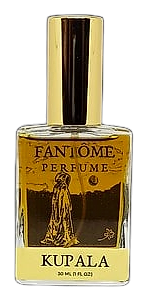
Kupala takes its name from Ivana Kupala, the Slavic pagan celebration of summer solstice, a night when fire met water, when the veil between worlds thinned, when people lit bonfires on hilltops and bathed in rivers seeking love, fertility, and answers from the mysteries of nature. Bree Elliott translated that duality into scent: cool against warm, wet against dry. The notes mirror the ritual, morning dew, davana, fern, bonfire smoke, birch leaves, and summer air that hangs heavy at the height of the season. Kupala isn't just inspired by a holiday. It captures the hour that holiday lives in.
What makes Kupala distinctive is how it holds two opposing forces in the same composition without resolving the tension. The smoke and the dew aren't sequential, they exist simultaneously, the way a lakeside fire at dusk creates its own cool counterdraft. Davana anchors the herbal quality, adding a sweetness that keeps the smoke from reading as aggressive. Fern and birch leaf ground everything in green texture. The result is a fragrance that smells like a specific moment: summer evening, bonfire across the water, the air cooling as the smoke drifts.
The evolution
The opening arrives cool and wet, mountain air and dew drops meeting birch leaf in a rush of green freshness. Fern threads through quietly, keeping things from sharpening. Then smoke rises and claims the heart. Not aggressive. More like the memory of a fire caught on the breeze. Davana sweetens the herbal quality underneath while birch and fern persist. The fougère structure holds everything green even as smoke deepens. By the drydown, the dew has dried and smoke has settled into something intimate and close, a quiet birch-smoke accord, present but no longer commanding. What remains is the warmth left on a jacket after the fire goes out.
Cultural impact
Kupala has found its audience among fragrance wearers who want something that tells a story. The smoke-and-green combination strikes a chord with those who remember summer nights by water, and the independent house's folklore-romantic positioning draws people who were never interested in mainstream perfumery.