
The Story
Why it exists.
The beginning
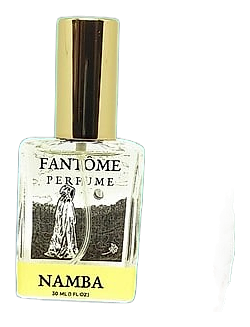
Namba is the cultural heart of Osaka, abuzz with the energy of quirky neon signs, the unofficial flashing symbol of the city looming over the Dotonbori canal, and narrow alleyways crowded with paper lanterns and vendors spilling into crowded walkways. It's loud, sticky, humid, and relentlessly alive. Fantôme's Namba captures that specific energy: the contrast between the sweetness of street food and the reality of a working canal district at night. The fragrance doesn't shy away from either side of that equation.
What makes this composition unusual is its willingness to pair melted ice cream with motor oil, not as a novelty, but as a genuine olfactory statement about place. The vanilla here isn't the vanilla of drydown accelerators or comfort-food projections. It's ice cream that's already losing its shape in the heat, sweetness in the process of dissolution. And underneath that sweetness, the mineral and marine notes ground everything in something real: the canal water, the engine fumes, the city's continued breathing. It's sweet, but it knows where it lives.
The evolution
The opening is saltwater first, mineral second, that distinctive tang of canals in a city that never fully rests. The vanilla ice cream arrives quickly, but it's not a soft landing. It's melted, slightly syrupy, mixing with the marine note in a way that feels like standing in humidity. The heart phase is where Namba earns its reputation. The marine begins to recede, and what takes over is vanilla ice cream and motor oil in equal measure, that contrast shouldn't work, and yet it does. The oil note here is not aggressive or acrid. It's warm, almost nutty, and it keeps the sweetness from ever becoming cloying. The drydown is where the magic settles. The marine is gone entirely. What's left is vanilla and mineral oil, a warm skin-like finish that stays close and lingers on fabric.
Cultural impact
Namba occupies a specific niche within Fantôme's catalog: the fragrance for people who love atmospheric storytelling but want something that pushes further than most independents dare. The marine-and-motor-oil pairing creates an unexpected dialogue between cool, briny notes and warm, viscous ones, a combination that sparks strong reactions. Wearers either find it transported them somewhere specific, or they find it too unusual to wear regularly. That division is, arguably, the point. This is a perfume that asks something of its audience, that refuses to simply smell pleasant and disappear into the background.