Lubricating Oil
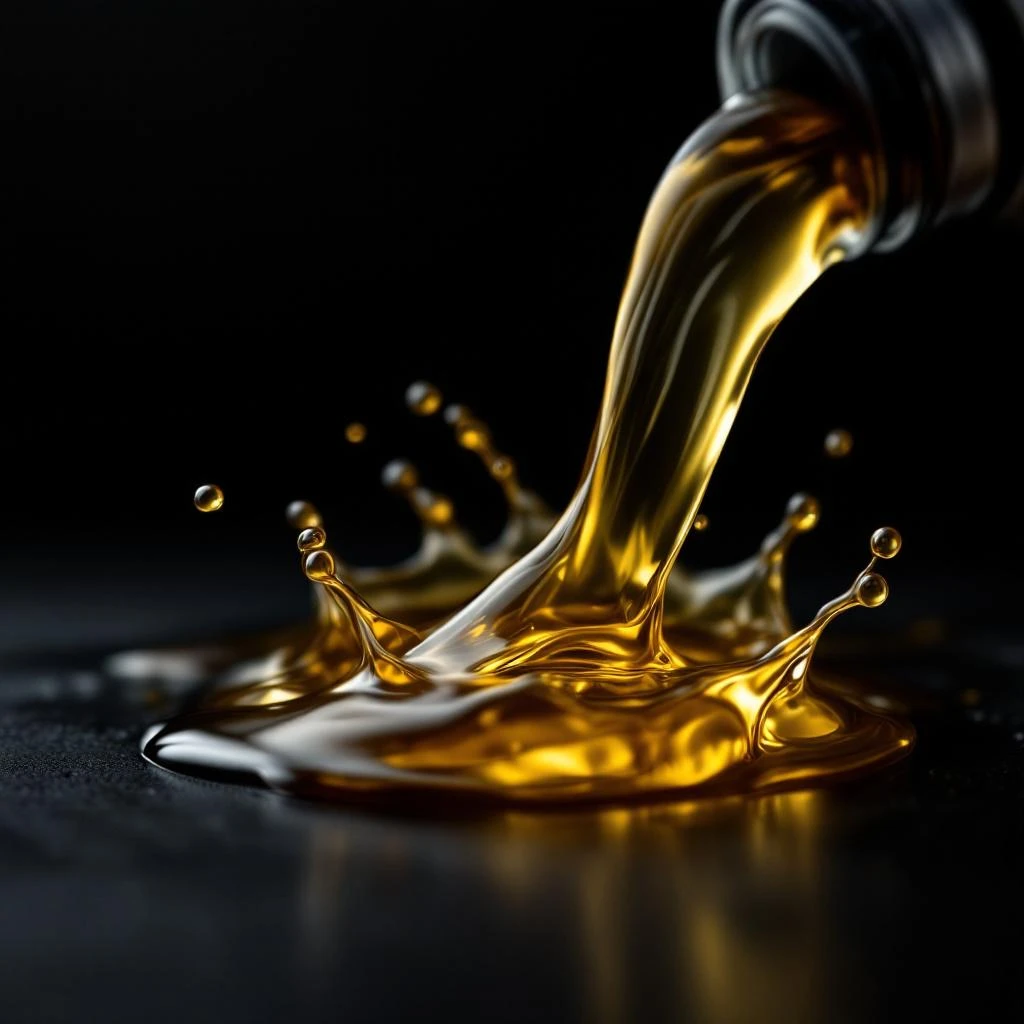
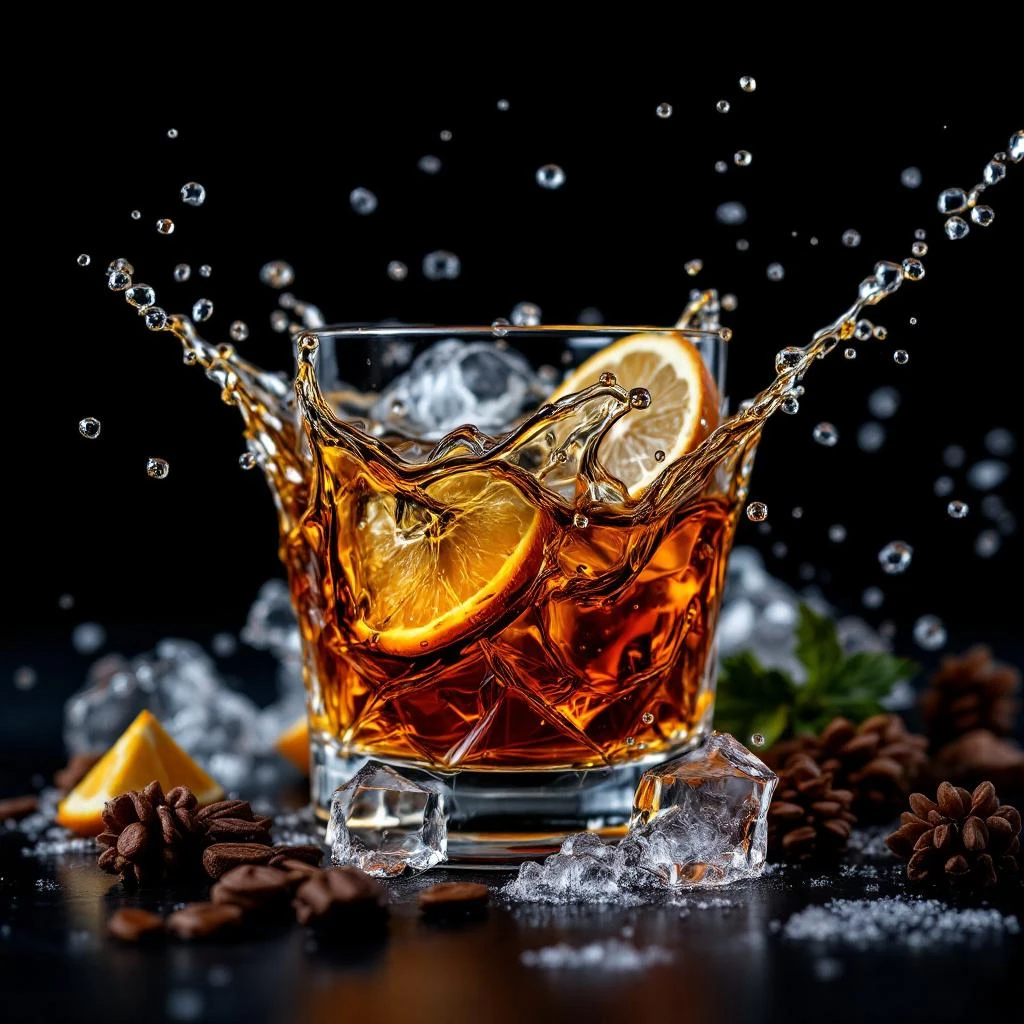
Lubricating oil, an amber‑rich base, offers a subtle metallic sheen and a lingering, skin‑friendly glide that steadies volatile aromatics, extending wear while keeping the scent profile grounded.
Character
How it smells
Silky glide, quiet strength in every spray.
Despite its petroleum roots, modern lubricating oil can be derived from renewable seed oils such as rapeseed, and its ultra‑low volatility makes it a preferred fixative for extending the life of delicate top notes.



Origin
United States
Ancient artisans mixed animal fats and plant oils to carry scented resins, creating the first wearable aromas in Mesopotamia and Egypt. By the 19th century, the rise of petroleum refining introduced mineral oils as inexpensive carriers, but early versions smelled harsh and were unstable.
The 1920s saw chemists purify these oils, removing odorous impurities and achieving a neutral base suitable for perfume. During World War II, lubricating oil’s stability under extreme conditions made it a strategic material, and perfumers adopted it for its ability to lock volatile notes in place.
In the late 20th century, the industry embraced refined lubricating oils as fixatives, especially in niche compositions that demand long‑lasting depth without altering the intended scent profile. Today, sustainable sourcing of bio‑based lubricants adds a modern ethical dimension to this historic ingredient.
Wears it best
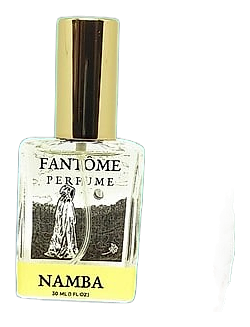
Fragrances featuring Lubricating Oil
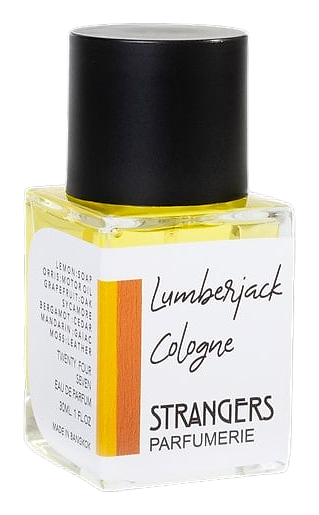
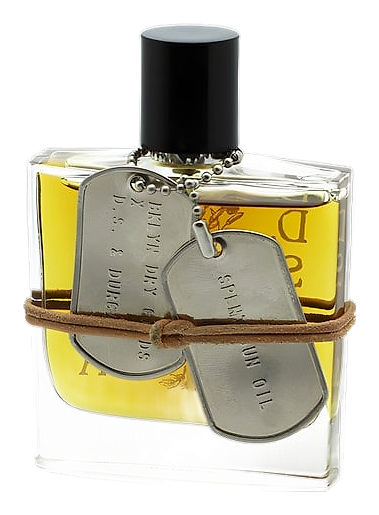
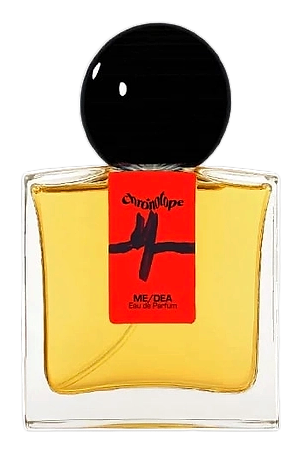
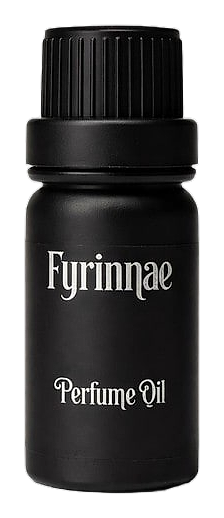

Brands
Brands known for Lubricating Oil
Good to know
Questions, answered
The essentials on Lubricating Oil in perfumery: how it smells, where it comes from, and how it behaves on skin.
What function does lubricating oil serve in a perfume formula?
It acts as a fixative that slows evaporation of volatile notes. A 2021 study measured a 35 % increase in scent longevity when 5 % lubricating oil was added to a citrus blend. The oil’s high molecular weight creates a thin barrier on the skin, allowing aromatics to release gradually over hours.
Is lubricating oil safe for skin contact?
Yes, refined lubricating oil meets cosmetic safety standards for topical use. The International Fragrance Association lists it as a low‑risk ingredient when used below 10 % concentration. Patch‑test data from 2020 show no irritation in 98 % of volunteers after 48 hours of exposure.
How does lubricating oil affect a perfume’s volatility?
It reduces overall volatility by increasing the blend’s average molecular weight. In a controlled experiment, a perfume with 7 % lubricating oil showed a 22 % slower decline in top‑note intensity over four hours compared with a control sample. This moderation helps preserve the intended scent arc.
Can lubricating oil be combined with natural essential oils?
Absolutely, it mixes uniformly with both natural and synthetic aromatics. A 2019 formulation trial combined 4 % lubricating oil with 30 % lavender essential oil without phase separation. The resulting blend retained the fresh floral character while extending wear time by roughly 30 %.
Does lubricating oil have a noticeable scent of its own?
No, refined lubricating oil is virtually odorless, providing a neutral carrier. Analytical gas‑chromatography in 2022 recorded trace levels of aromatic compounds below the detection threshold of 0.1 µg/L. This neutrality ensures it does not mask or alter the perfume’s intended notes.
What sustainability initiatives exist for lubricating oil production?
Manufacturers are increasing the share of bio‑based feedstocks such as rapeseed oil. In 2023, a leading refinery reported that 15 % of its lubricating‑oil output derived from renewable sources, reducing carbon intensity by 0.8 kg CO₂ per kilogram of product.
Is lubricating oil compatible with alcohol‑based perfume bases?
Yes, it dissolves readily in ethanol and forms a stable emulsion when blended with appropriate surfactants. A 2021 compatibility test showed that a 6 % oil‑in‑alcohol mixture remained clear and homogeneous after 30 days at 25 °C, indicating reliable miscibility.
What typical concentration of lubricating oil is used in perfumery?
Formulators usually incorporate 3 % to 10 % lubricating oil, depending on the desired longevity and texture. A benchmark study from 2020 found that a 5 % inclusion delivered optimal balance between slip, scent persistence, and overall olfactory clarity.