
The Story
Why it exists.
The beginning
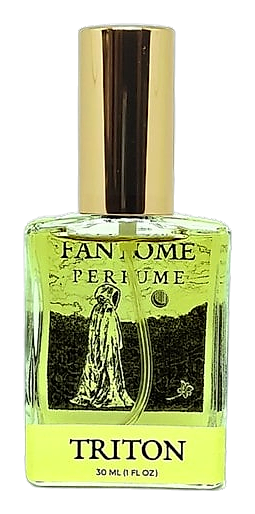
Triton takes its name from the Greek sea god, messenger of the deep, half-man and half-fish, whose conch-shell horn could summon tempests and calm waters alike. The reference is deliberate: this fragrance reaches for something elemental, something that captures the raw power of the ocean rather than a pleasant beachside memory. Bree Elliott formulated the scent for the house in 2024. The name suggests power, transformation, the boundary between worlds. The scent delivers on that suggestion by refusing to be merely pleasant. Where other Fantôme fragrances transport the wearer into myth and legend, this one pulls toward something older and wilder, the ocean as a force that demands attention.
What makes Triton unusual is the combination of murky seawater with ambergris and forest moss. Seawater brings mineral depth and weight to the composition. Ambergris adds complexity and a grounded quality that anchors the scent. Forest moss contributes an earthy, slightly decaying quality that keeps the whole thing from floating away into abstraction. Frankincense and resins complicate the picture further. These are materials associated with sacred spaces, ancient rituals, smoke and ceremony.
The evolution
The opening hits sharp and ozonic, that electric, pre-storm charge you get when the air pressure changes and the sky goes green-grey. Then the seawater arrives, not the clean aquatics of mainstream perfumery but something murky, mineral, with body. Green leaves and ivy keep it grounded in something herbal and slightly bitter. The heart phase introduces the ambergris and moss, and this is where Triton earns its reputation for being haunting. The ambergris doesn't read as sweetness, it reads as animal, as the tide rolling over something ancient and strange. Forest moss adds an earthy depth that feels like the walls of a sea cave, dark and damp and older than human memory. Frankincense threads through, resinous and slightly smoky, lending a ceremonial quality. The drydown settles into moss and resin, with the ambergris lingering longest, that mineral, slightly animalic quality that stays close to the skin for hours.
Cultural impact
Triton occupies a specific position in the independent fragrance landscape: the stormy, atmospheric aquatic for those seeking depth and complexity in marine scents. This fragrance extends a philosophy of unconventional composition into a marine register that most aquatics refuse to touch. The scent has earned attention among indie fragrance communities, where wearers describe it as haunting, atmospheric, and unlike anything in their collection.
The House
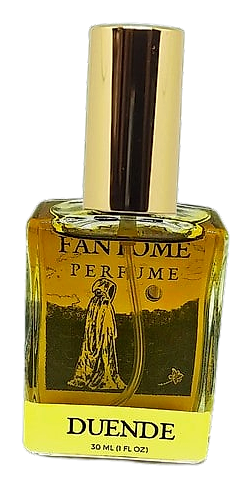
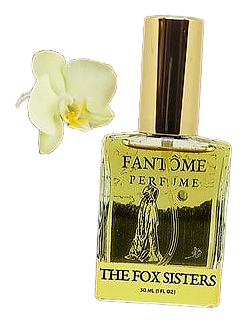
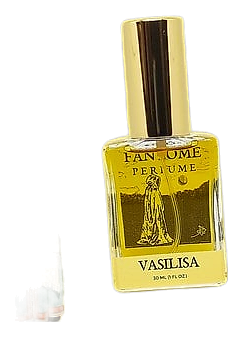
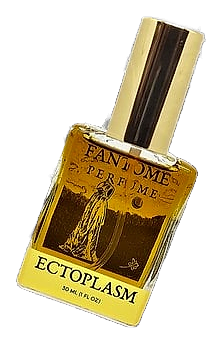
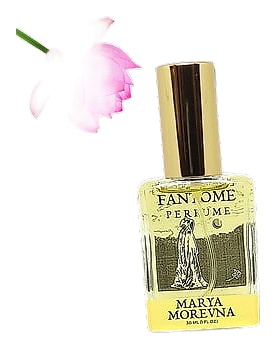
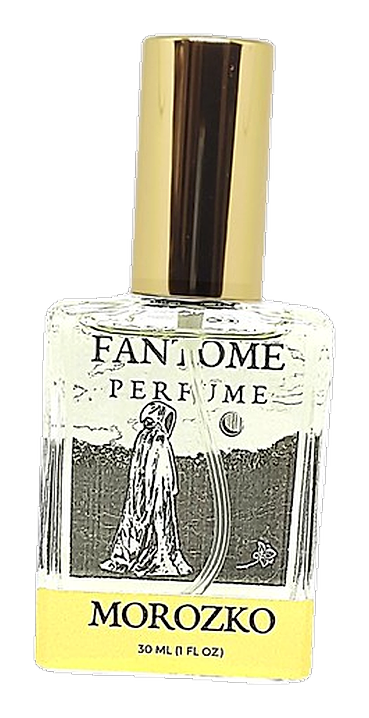
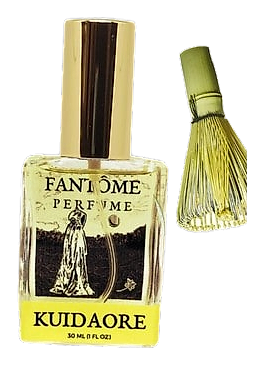
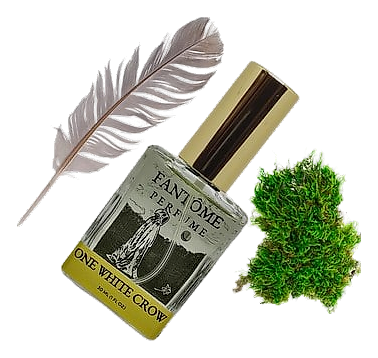
FantômeFantôme is a small independent fragrance house founded in 2017 by Bree and Megan Elliott, a married queer couple operating out of the Pacific Northwest. The brand handcrafts artisan perfumes, each built around narrative concepts rather than traditional fragrance classifications. The name derives from the French word for phantom or ghost, reflecting the brand's interest in evoking otherworldly experiences through scent. Fantôme's catalog spans diverse cultural inspirations, from Russian winter folklore to Japanese bamboo forests, each fragrance designed to transport the wearer into a distinct sensory world. The founders handle every aspect of production, from formulation to fulfillment, maintaining a direct-to-consumer model that keeps the brand intimate and responsive to its community. Their approach has cultivated a dedicated following among indie fragrance enthusiasts seeking unconventional, story-driven compositions over mainstream commercial options.
The Creator
Bree ElliottMorozko hints at Bree's inclination toward cooler, atmospheric profiles. Her work appears to favor crispness over warmth, with an apparent comfort using materials that evoke winter air, evergreen needles, and the sharp clarity of cold.