
The Story
Why it exists.
The beginning
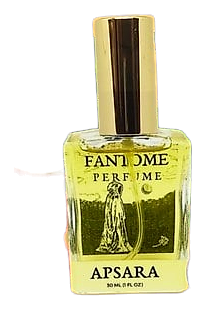
Apsaras are spirits of clouds and water in Buddhist and Hindu mythology, beautiful, feminine beings who dwell in fig trees, dancing and singing to confound the minds of mortals. Fantôme's Apsara takes that mythology and translates it into scent: the fig tree as home, the apsara as presence. Perfumer Anessa built this composition around juicy black fig and hibiscus nectar, tempering their sweetness with resinous woods, aged frankincense, and the kind of patchouli that doesn't apologize for itself. The result is a fragrance that feels both grounded and otherworldly, a spirit you can wear.
What makes Apsara interesting is the tension between its components. Black fig and hibiscus nectar are lush, almost edible notes, fruity sweetness that could tip into perfumery cliché. But Fantôme anchors them in patchouli, iris, and frankincense, creating a resinous backbone that keeps the sweetness honest. The benzoin adds a warm, slightly vanillic depth that smooths the transition from heart to base. This isn't fig as clean skincare, it's fig as forest floor, as cauldron smoke, as something that remembers where it came from.
The evolution
The opening hits with immediate sweetness: black fig and hibiscus nectar, syrupy and almost sticky on skin. Thirty minutes in, the resins arrive, benzoin and frankincense weaving through the fig, adding warmth and a faint smoke. The heart phase is where Apsara earns its name: iris and patchouli emerge, not quite powdery, more like earth after rain. This is the longest phase, lasting 2, 3 hours on most skin. The drydown strips back to patchouli and exotic woods, spicy, earthy, intimate. It stays close to the skin for another 2, 3 hours, fading quietly rather than disappearing all at once.
Cultural impact
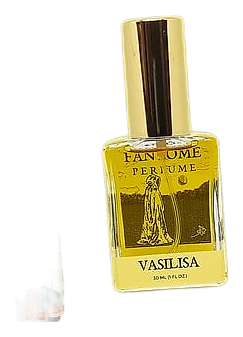
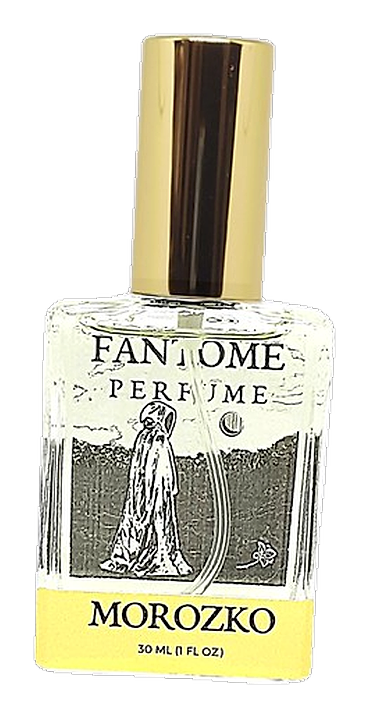
Apsara occupies a specific niche within indie perfumery: resinous fruitchouli for people who find most fig fragrances too polite. Within Fantôme's catalog, alongside mythologically named scents like Baba Yaga, Vasilisa, and Morozko, it stands out for its bold patchouli backbone and witchy woodland energy. The fragrance has found its audience among those who want indie perfumery that commits: no half-measures, no softening of edges. For wearers who have tried the usual fig-forward offerings and wanted something rawer, Apsara delivers.