
The Story
Why it exists.
The beginning
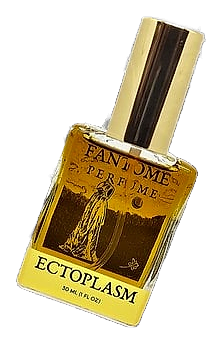
The name comes from the white, gauzy substance spiritualist mediums claimed to exude during séances, the supposed proof that a spirit had physically manifested. Fantôme took that Victorian-era parlor trick and asked: what would it smell like? Not horror. Not gothic. Just the moment when something you thought you understood reveals it was never quite what it seemed. Bree Elliott built the composition around that tension, between the comfortable and the uncanny, between sweetness and something that lingers after the lights come on.
The notes read like a dessert menu. Marshmallow. Spun sugar. Amber. These are ingredients that signal warmth, safety, even nostalgia. But the green accord and myrrh exist to destabilize that comfort. Myrrh is resinous, slightly medicinal, it reads as old, not sweet. The green accord acts as atmosphere rather than note, creating the sense of a room that's been closed for years rather than a kitchen where something's baking. This is a fragrance that uses gourmand materials the way a filmmaker uses a happy family dinner: to set up the wrong expectation.
The evolution
Act One arrives fast. Marshmallow and spun sugar, with a faint trace of green stem underneath, like cutting fresh flowers at a dinner party where everything is still fine. The sweetness is soft, edible, almost mainstream. You might think you know where this is going. You don't. Act Two shifts within the first hour. The illusion of the room lifts. The dessert is still in your mouth but the table is gone. Green accord dominates now, not sharp but present, the smell of a manor that's been empty since autumn. Myrrh starts threading through, resinous and old. The sweetness doesn't disappear. It becomes ambient, like light from a window with no one behind it. Act Three is what remains after midnight. White musk and amber, close to the skin, intimate. The myrrh settles into something almost animal, not dirty but alive. The transformation that seemed like a trick becomes the whole reason you wore it. Six to eight hours, depending on your skin. The ghost doesn't leave.
Cultural impact
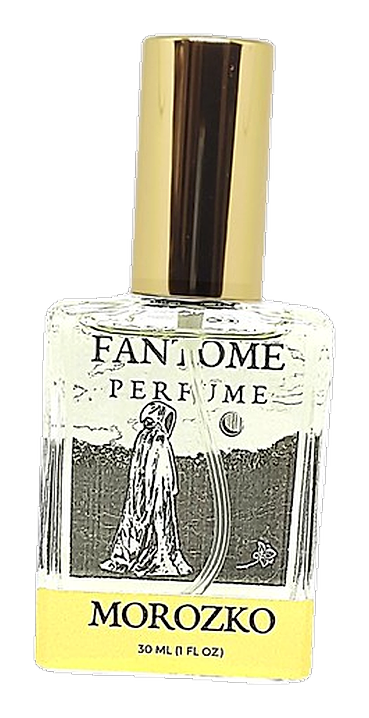
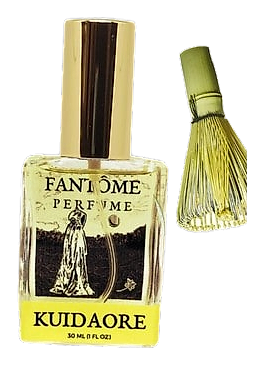
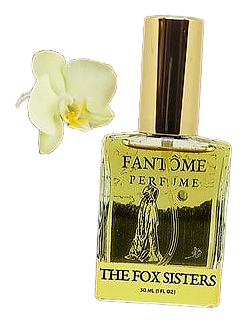
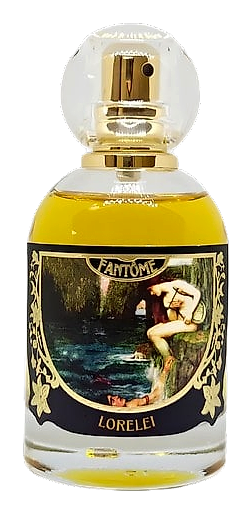
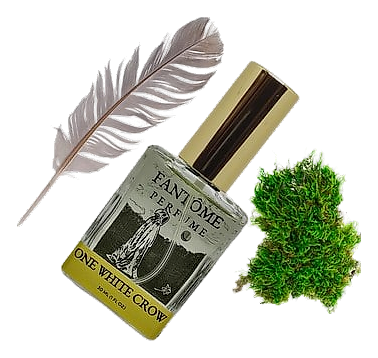
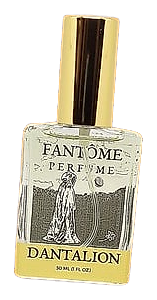
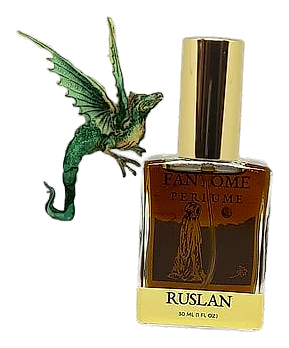
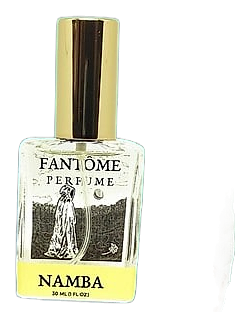
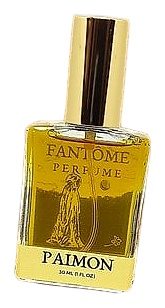
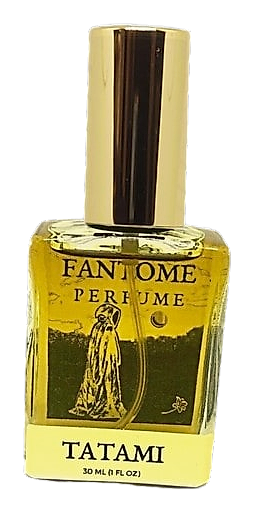
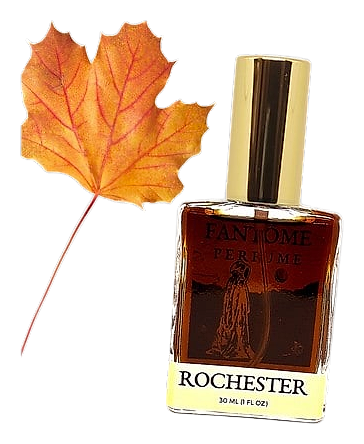
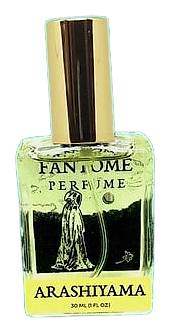
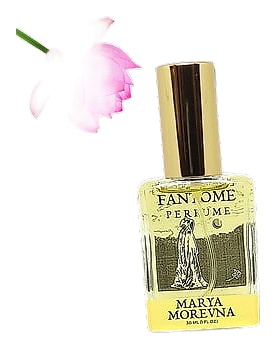
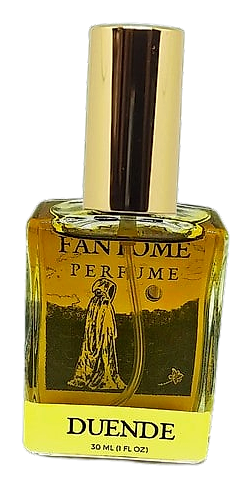
Ectoplasm has found its audience among fragrance wearers who want something that actually changes, not just fades. In online communities, it's described as a "shapeshifter," a "ghost story," a fragrance that respects the intelligence of the wearer enough to pull a trick and expect them to follow. Fantôme's broader catalog, which includes fragrances named after Russian folklore and Japanese forests, positions the house as a destination for scent-as-storytelling. Ectoplasm is the entry point for anyone who wants to test that premise.
The House
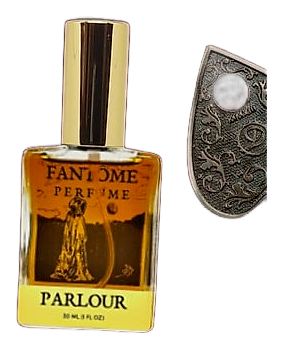
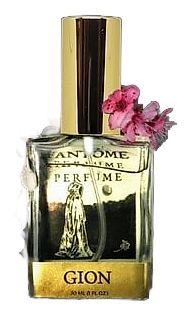
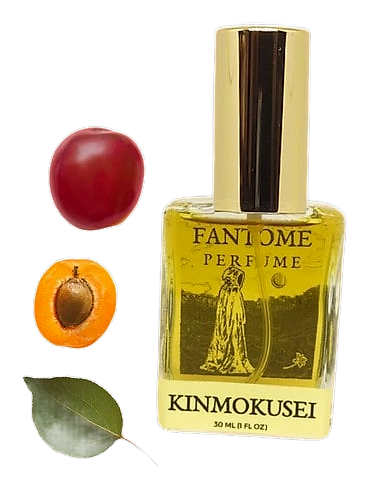
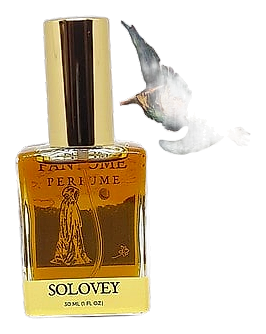
FantômeFantôme is a small independent fragrance house founded in 2017 by Bree and Megan Elliott, a married queer couple operating out of the Pacific Northwest. The brand handcrafts artisan perfumes, each built around narrative concepts rather than traditional fragrance classifications. The name derives from the French word for phantom or ghost, reflecting the brand's interest in evoking otherworldly experiences through scent. Fantôme's catalog spans diverse cultural inspirations, from Russian winter folklore to Japanese bamboo forests, each fragrance designed to transport the wearer into a distinct sensory world. The founders handle every aspect of production, from formulation to fulfillment, maintaining a direct-to-consumer model that keeps the brand intimate and responsive to its community. Their approach has cultivated a dedicated following among indie fragrance enthusiasts seeking unconventional, story-driven compositions over mainstream commercial options.
The Creator
Bree ElliottMorozko hints at Bree's inclination toward cooler, atmospheric profiles. Her work appears to favor crispness over warmth, with an apparent comfort using materials that evoke winter air, evergreen needles, and the sharp clarity of cold.