Chamallow
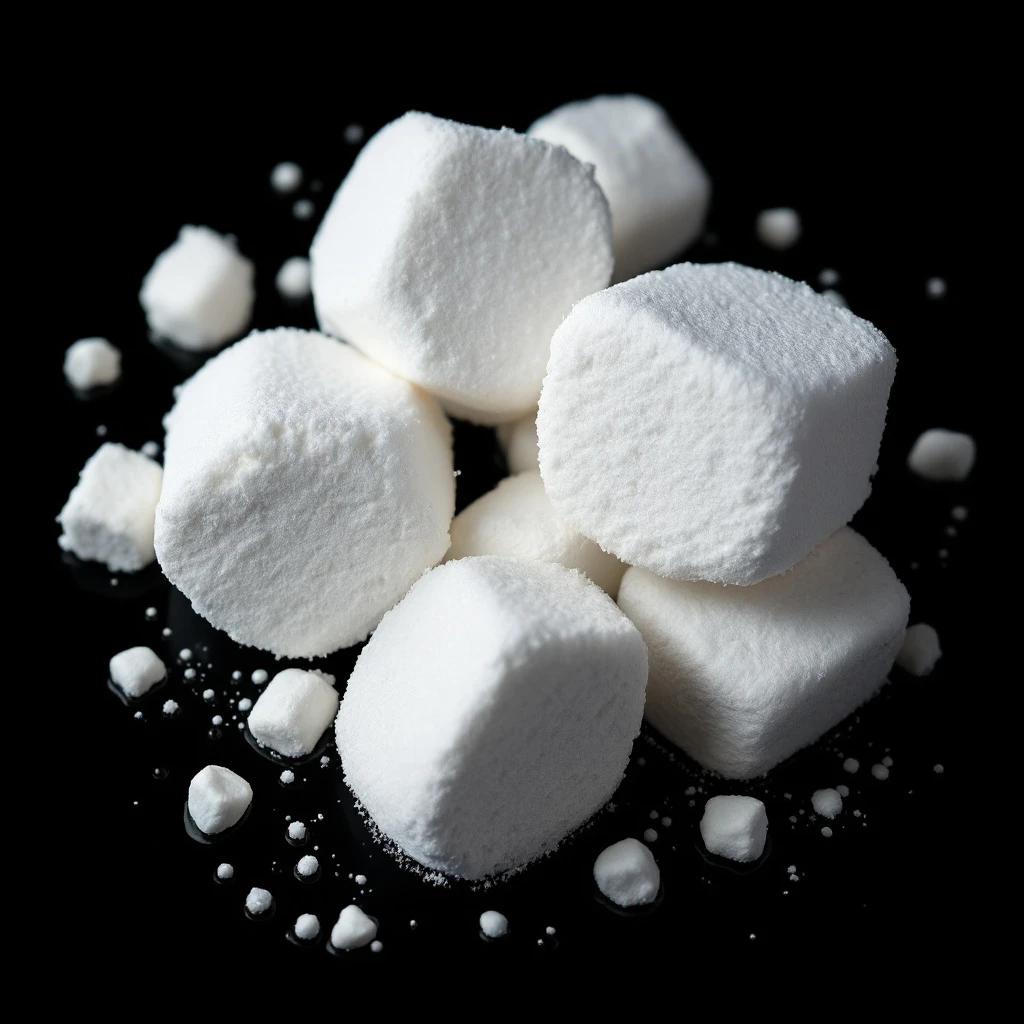
Chamallow captures the confectionery sweetness of marshmallow in perfumery, offering soft, creamy, and vanillic qualities that add warmth and comfort to fragrance compositions.
Character
How it smells
Sweet, creamy, and irresistibly warm.
Real marshmallows were once made using extracts from the marshmallow plant root, not the sugar confections we know today.







Origin
France
The marshmallow plant (Althaea officinalis) has medicinal roots dating back to ancient Egypt, where its root extracts were used for soothing purposes. The original marshmallow confection derived from this plant's mucilaginous root. However, perfumery's marshmallow interpretation emerged in the 20th century alongside advances in synthetic chemistry.
As organic chemists learned to recreate aromatic molecules in laboratories during the late 19th and early 20th centuries, they gained the ability to construct entirely new scent profiles that had no natural equivalent. Chamallow represents this modern approach, where chemists intentionally build a sweet, comforting aroma inspired by confectionery rather than extracted from any plant material.
Wears it best
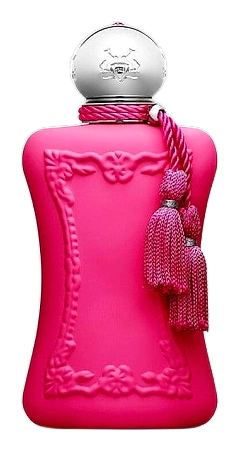
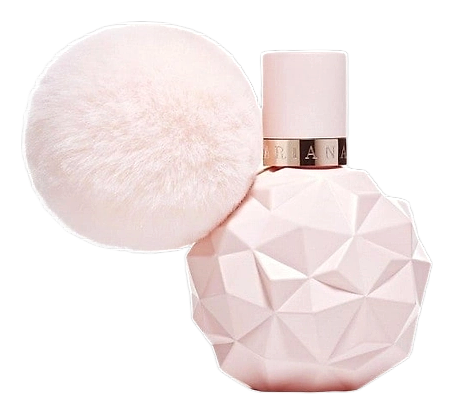
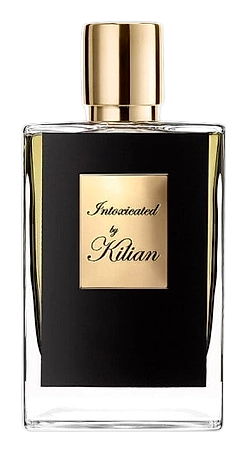
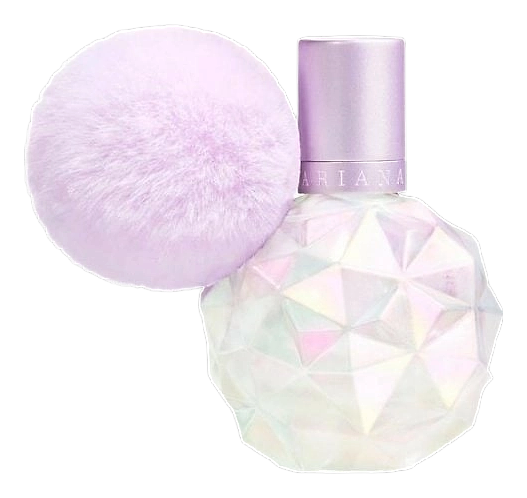
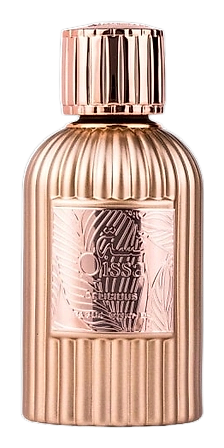
Fragrances featuring Chamallow

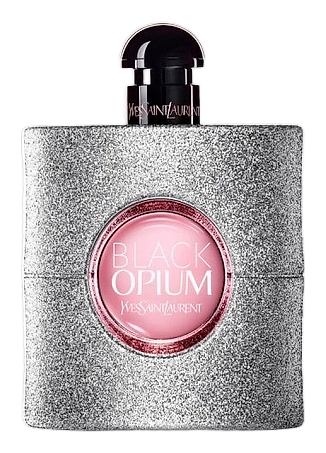
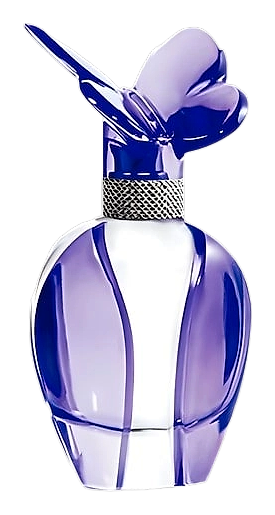
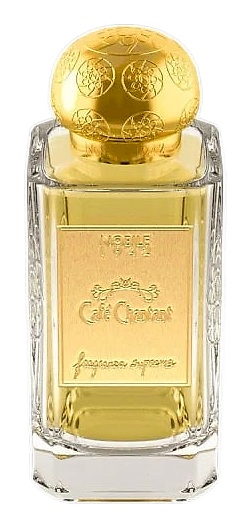
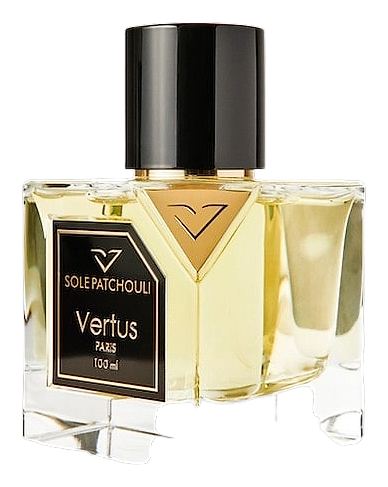
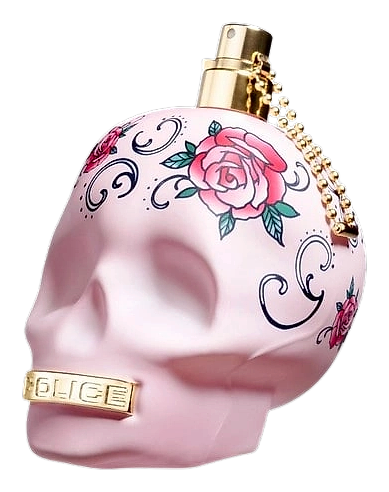
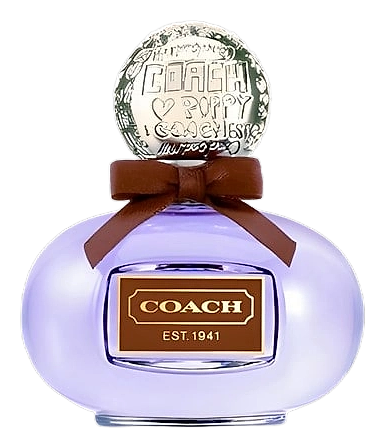
Brands
Brands known for Chamallow
Good to know
Questions, answered
The essentials on Chamallow in perfumery: how it smells, where it comes from, and how it behaves on skin.
What is chamallow in perfumery?
Chamallow is a synthetic fragrance note that recreates the sweet, creamy aroma of marshmallow. It contains no natural marshmallow extract but instead uses synthesized aromatic compounds to achieve its characteristic soft and comforting scent profile.
Does chamallow come from the marshmallow plant?
No, chamallow is entirely synthetic. While the marshmallow plant (Althaea officinalis) has historical significance in perfumery, modern chamallow notes are created through organic chemical synthesis to reproduce the confectionery-like aroma.
What scents pair well with chamallow?
Chamallow blends harmoniously with vanilla, tonka bean, benzoin, and ambrette. It also complements floral notes like jasmine and rose, adding warmth and sweetness without overpowering lighter accords.
Is chamallow safe for skin application?
Chamallow materials used in perfumery are generally recognized as safe when formulated within IFRA guidelines. However, individual sensitivities vary, and patch testing is recommended for those with sensitive skin.
What type of fragrance uses chamallow?
Chamallow appears predominantly in oriental, gourmand, and soft floral compositions. It suits perfumes aiming for cozy, comforting, and inviting qualities, often featured in fall and winter scent collections.
How long does chamallow last on the skin?
As a heart-to-base note component, chamallow contributes moderate to long-lasting warmth to fragrances. Its staying power depends on the specific molecules used, typically lasting 4-8 hours in skin proximity.
Can chamallow be found in natural ingredients?
No natural ingredient produces a true marshmallow aroma. The closest natural notes include tonka bean (which offers sweet, vanilla-like qualities) and certain vanilla extracts, but these differ from authentic chamallow.
Why do perfumers use synthetic chamallow instead of natural extracts?
Synthetics offer consistency, scalability, and precision that natural extracts cannot match. Chamallow allows perfumers to add specific sweet, creamy qualities to fragrances without the variability inherent in natural materials.