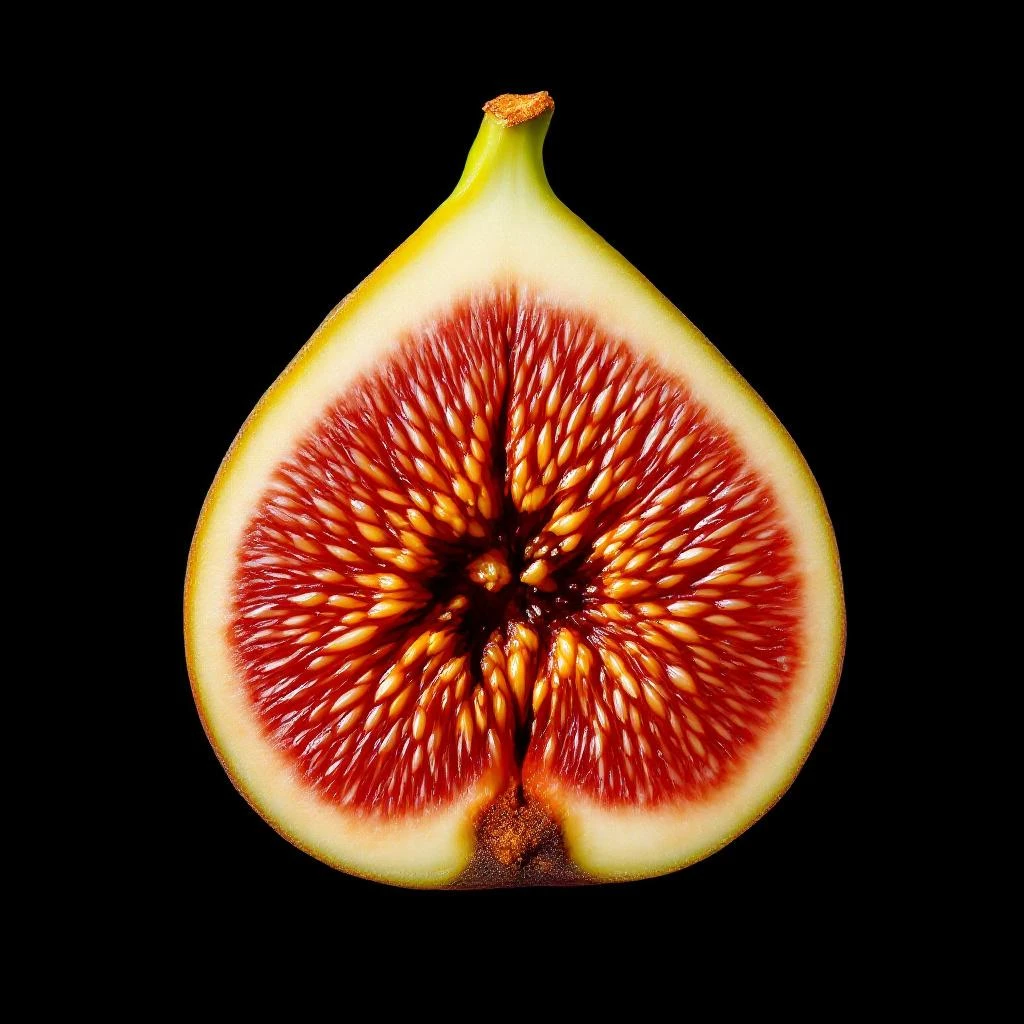
Black Fig
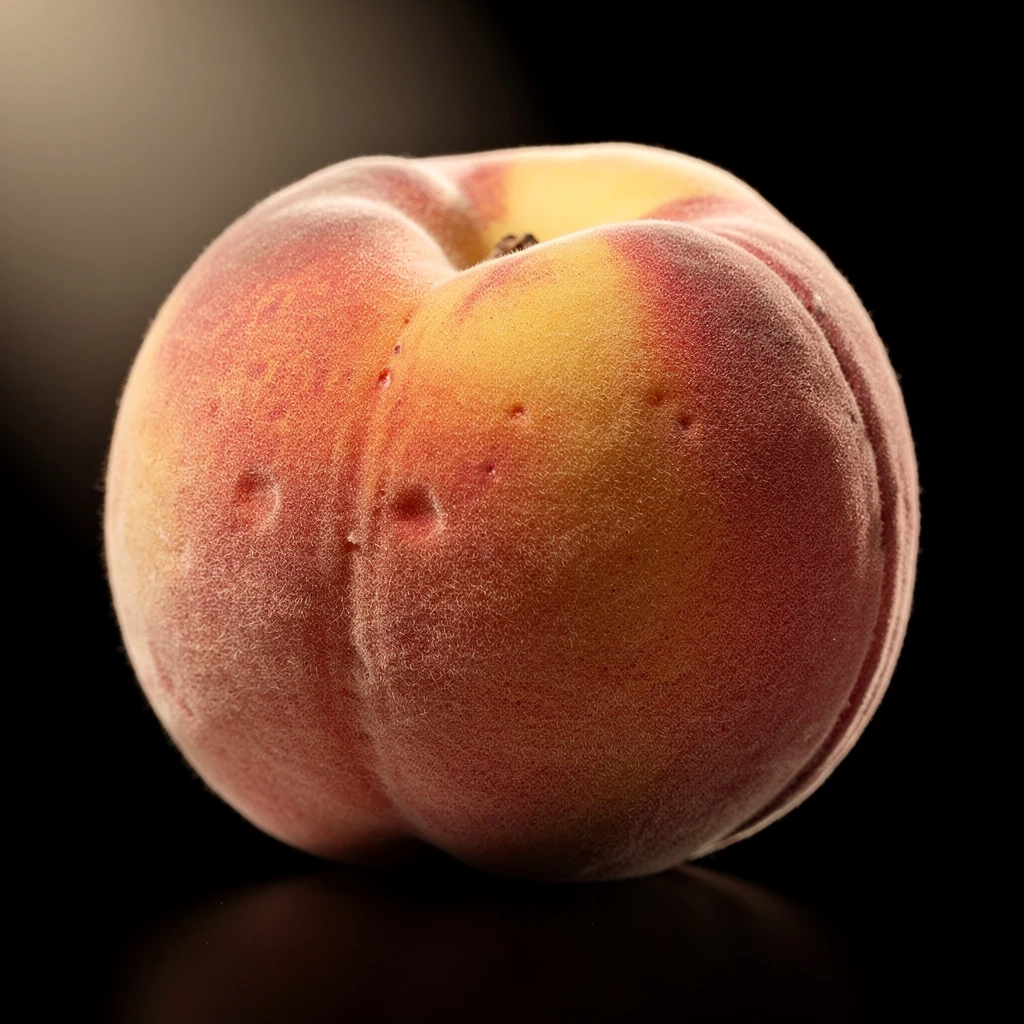
Black fig captures the fruit's deeper, more sensual character: warm lactonic sweetness grounded by woody depth. Where green fig leans into leaves and stems, black fig pulls you into the ripened heart of the tree.
Character
How it smells
The ripe, warm soul of the fig tree.
Archaeological evidence places human fig cultivation at 9400 BC in the Jordan Valley, making it one of the first domesticated plants on Earth.







Origin
Mediterranean region
The fig tree accompanied ancient Mediterranean traders across the Mare Nostrum long before Columbus crossed the Atlantic. Monks and nobles prized figs throughout the Middle Ages, cultivating them in monastery gardens across Europe.
Archaeological evidence places fig cultivation at 9400 BC in the Jordan Valley, predating wheat and barley. In perfumery, the modern fig accord emerged in 1994 when Olivia Giacobetti composed Premier Figuier for L'Artisan Parfumeur.
She succeeded where skeptics doubted, creating what remains one of the most influential fragrances in the category. The 1996 release of Philosykos by Diptyque followed, cementing the classic fig accord that countless perfumers have since interpreted and reinterpreted.
Wears it best
Fragrances featuring Black Fig
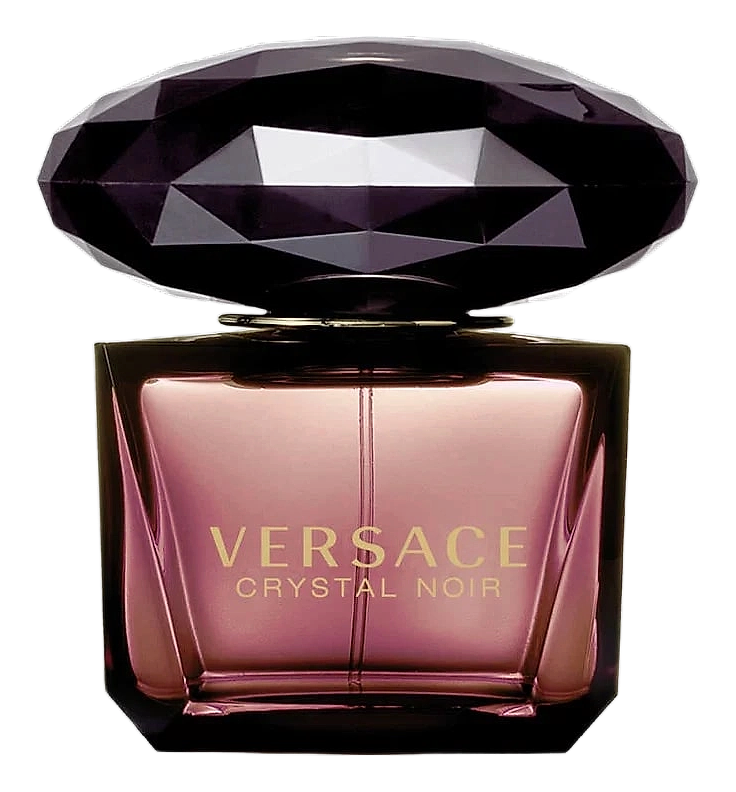

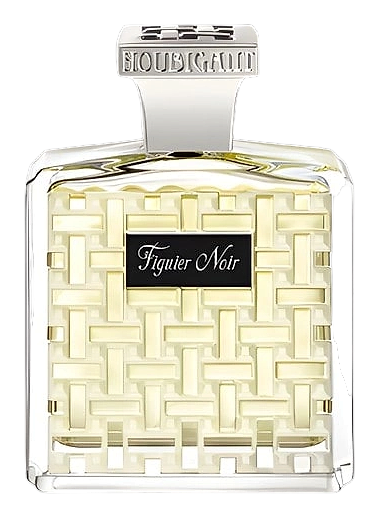
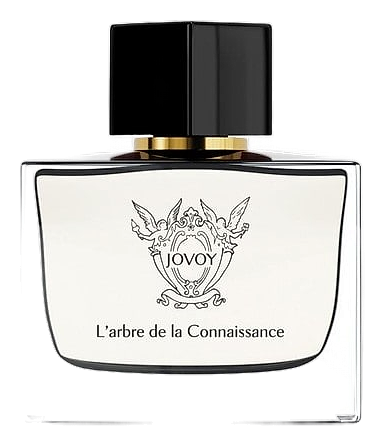
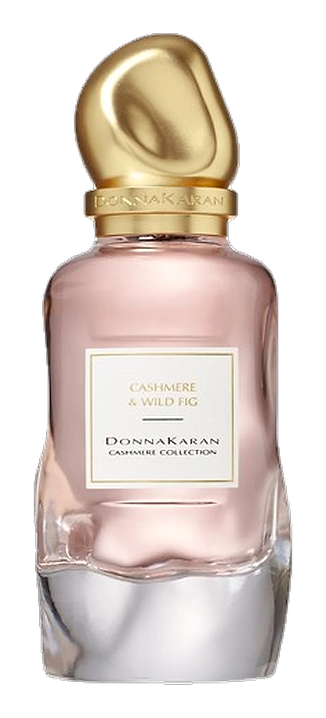
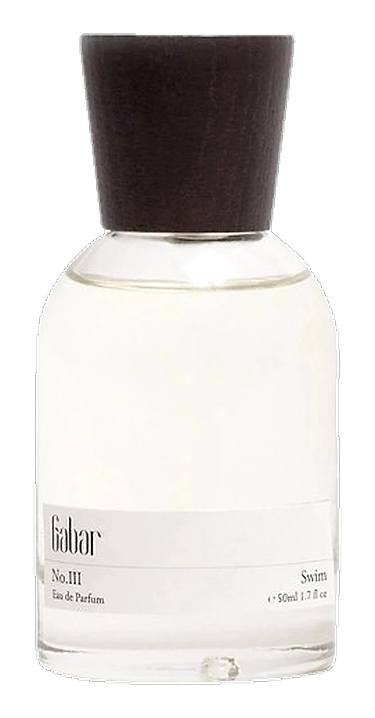
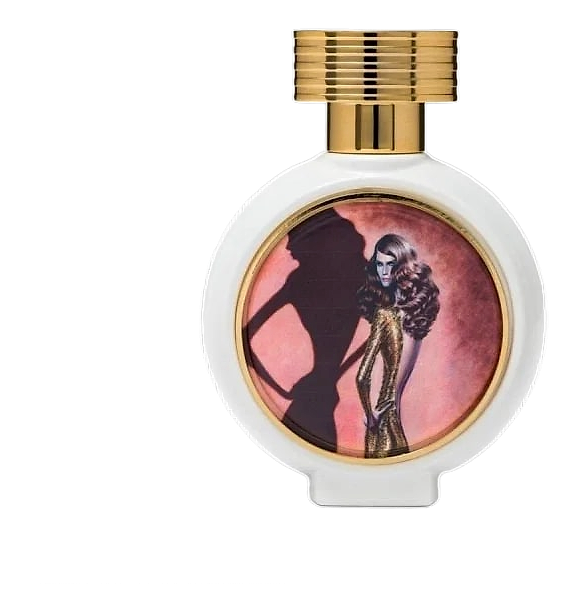
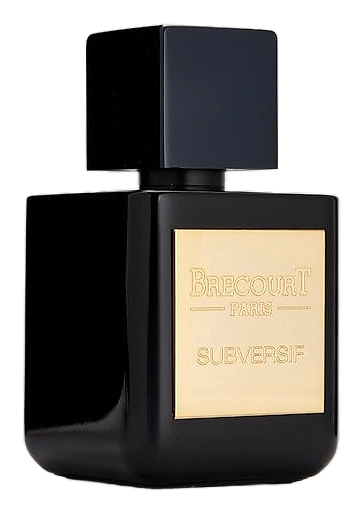
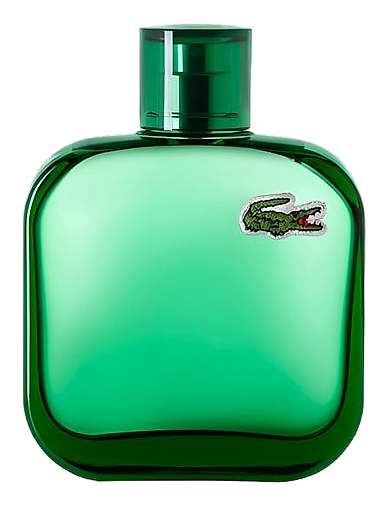
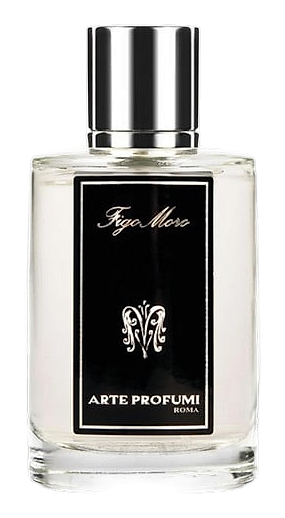
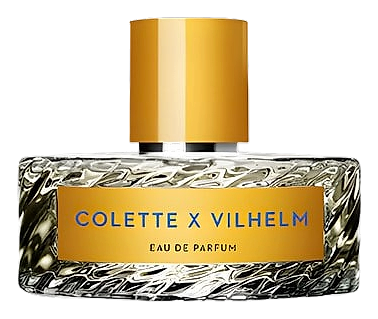
Brands
Brands known for Black Fig
Good to know
Questions, answered
The essentials on Black Fig in perfumery: how it smells, where it comes from, and how it behaves on skin.
Is black fig a natural ingredient?
No. The fig fruit yields almost no extractable essential oil through traditional methods, so perfumers recreate the note synthetically using molecules like stemone and gamma octalactone.
How is black fig different from green fig?
Green fig emphasizes the leaves and stems, delivering a crisp, vegetal character. Black fig captures the ripened fruit, offering warmer lactonic sweetness with deeper woody undertones.
Can natural fig leaf absolute be used in perfumery?
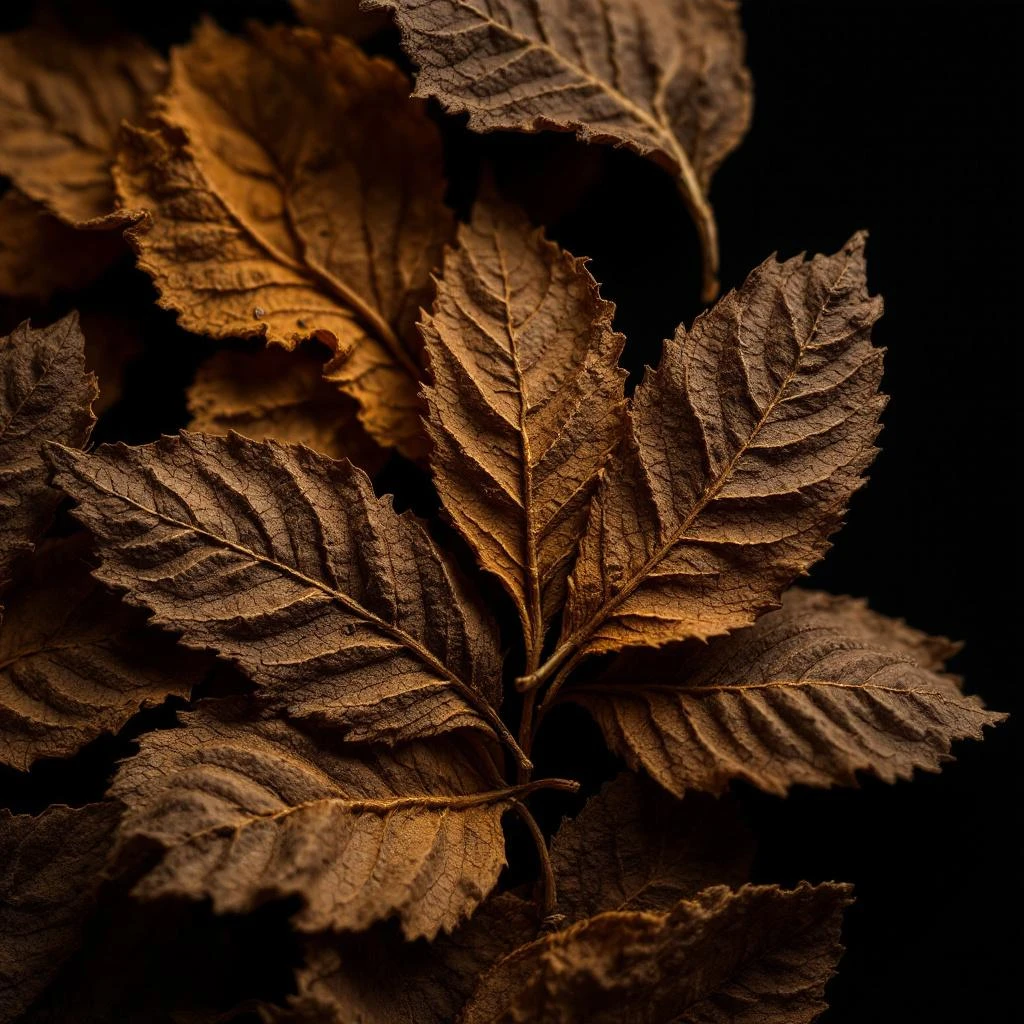
IFRA prohibits natural fig leaf absolute due to high levels of phototoxic bergapten and skin-sensitizing compounds. Modern perfumers rely on synthetic alternatives.
What molecules define the black fig accord?
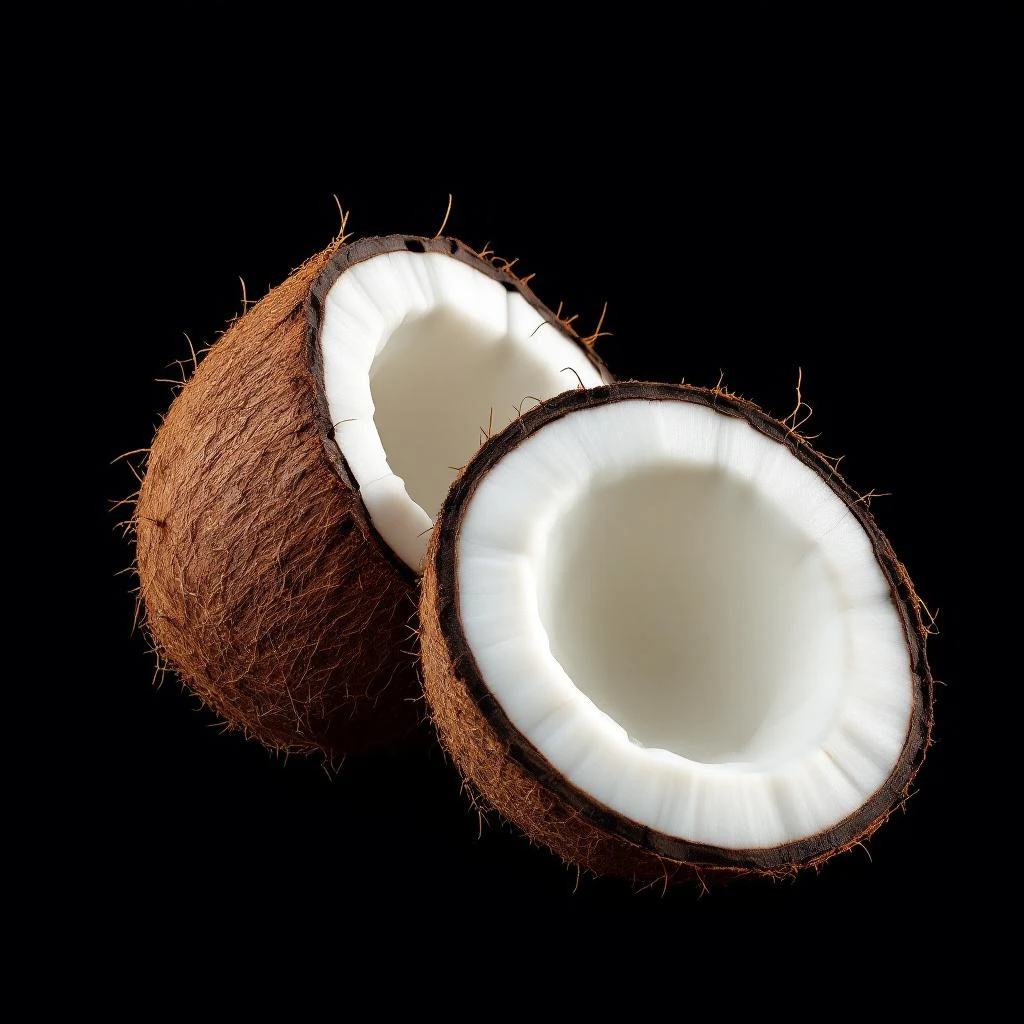
Two crucial synthetic molecules form the backbone: stemone provides the characteristic green-lactonic quality, while gamma octalactone adds creamy, coconut-like depth.
How long has fig been used in perfumery?
Modern fig perfumery emerged in 1994 with Olivia Giacobetti's Premier Figuier. The fig tree itself has ancient roots, with cultivation dating to 9400 BC in the Jordan Valley.
Does black fig smell like the actual fruit?
Headspace technology captures volatile molecules from intact figs, allowing synthetic reconstructions that closely mirror the real scent of ripe figs hanging on the tree.
Is synthetic fig more sustainable?
Yes. Synthetic fig molecules avoid overexploitation of fig trees and provide consistent quality year-round, unlike the limited seasonal harvest of natural alternatives.
How does black fig evolve on skin?
A quality black fig fragrance reveals new facets over hours. The lighter green notes recede, revealing deeper lactonic creaminess and woody warmth beneath.