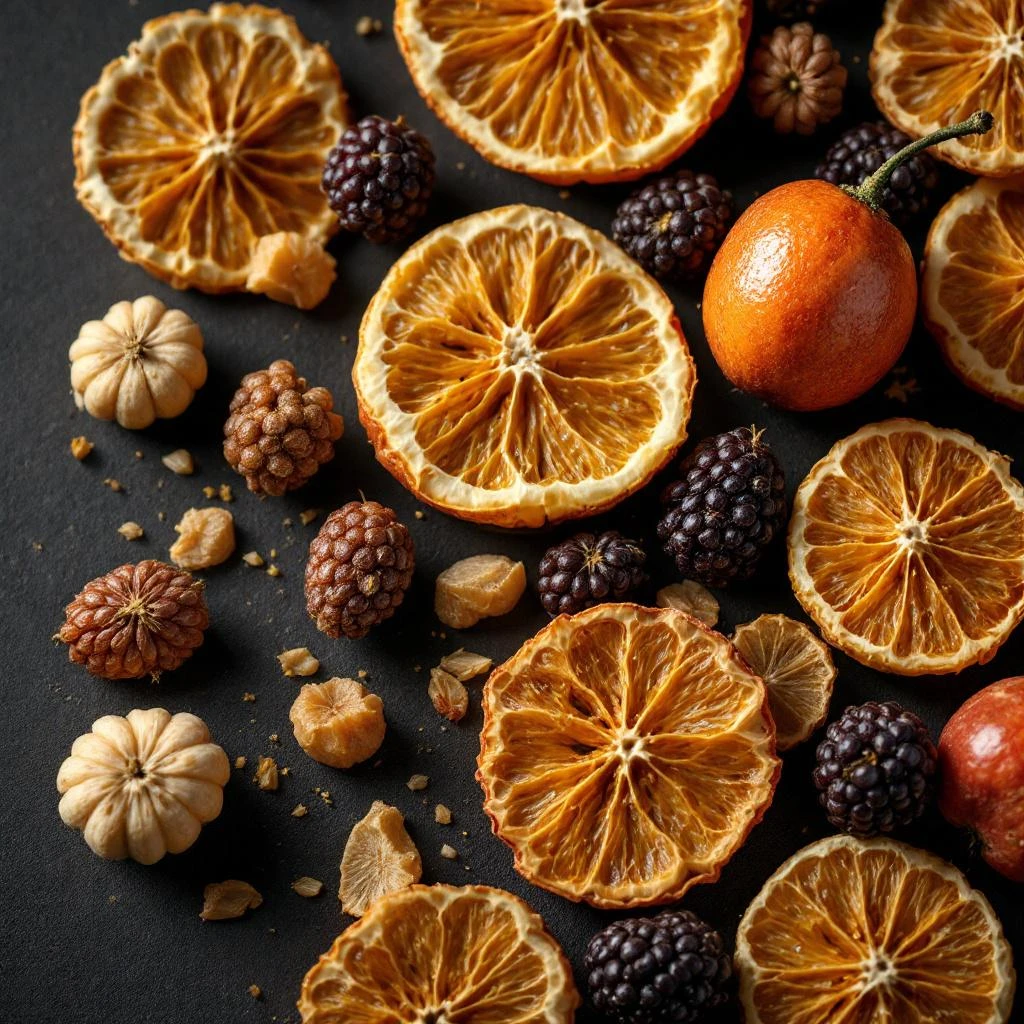
Hibiscus Nectar
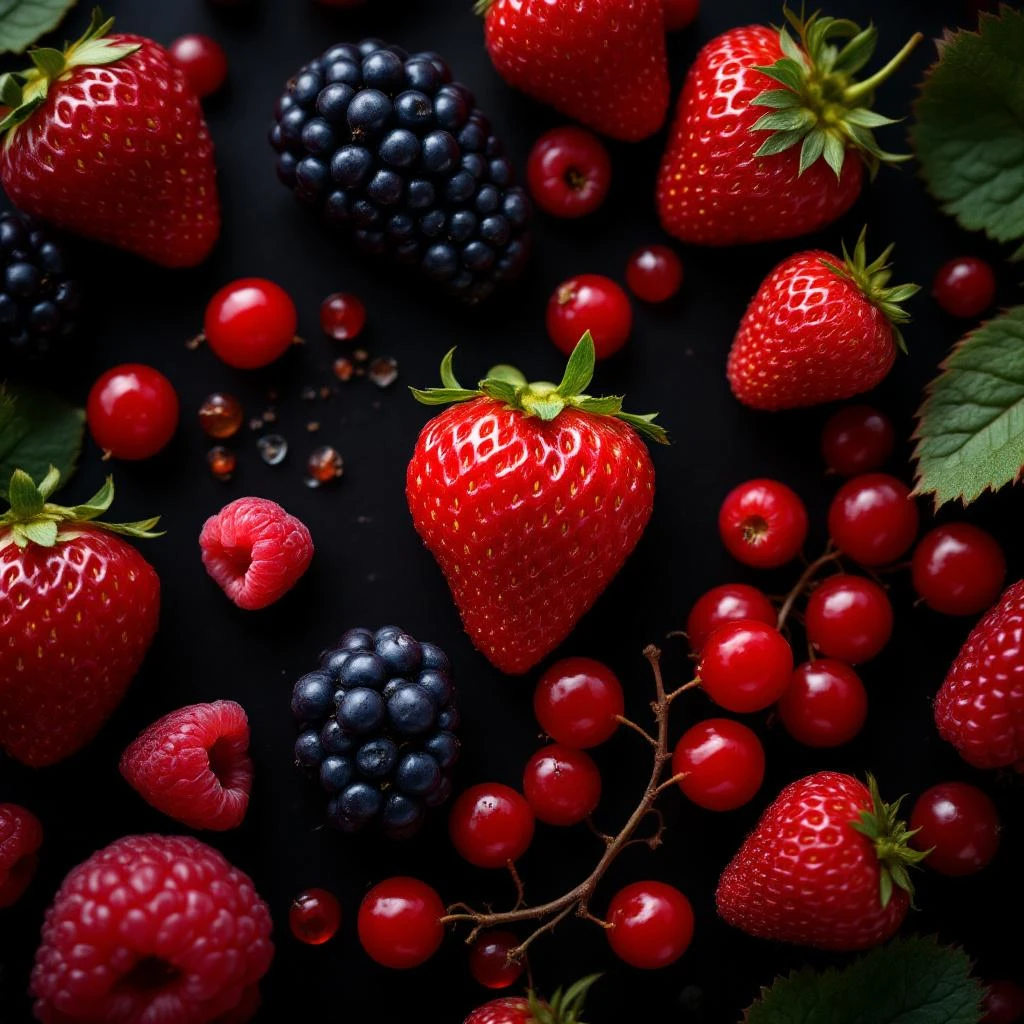
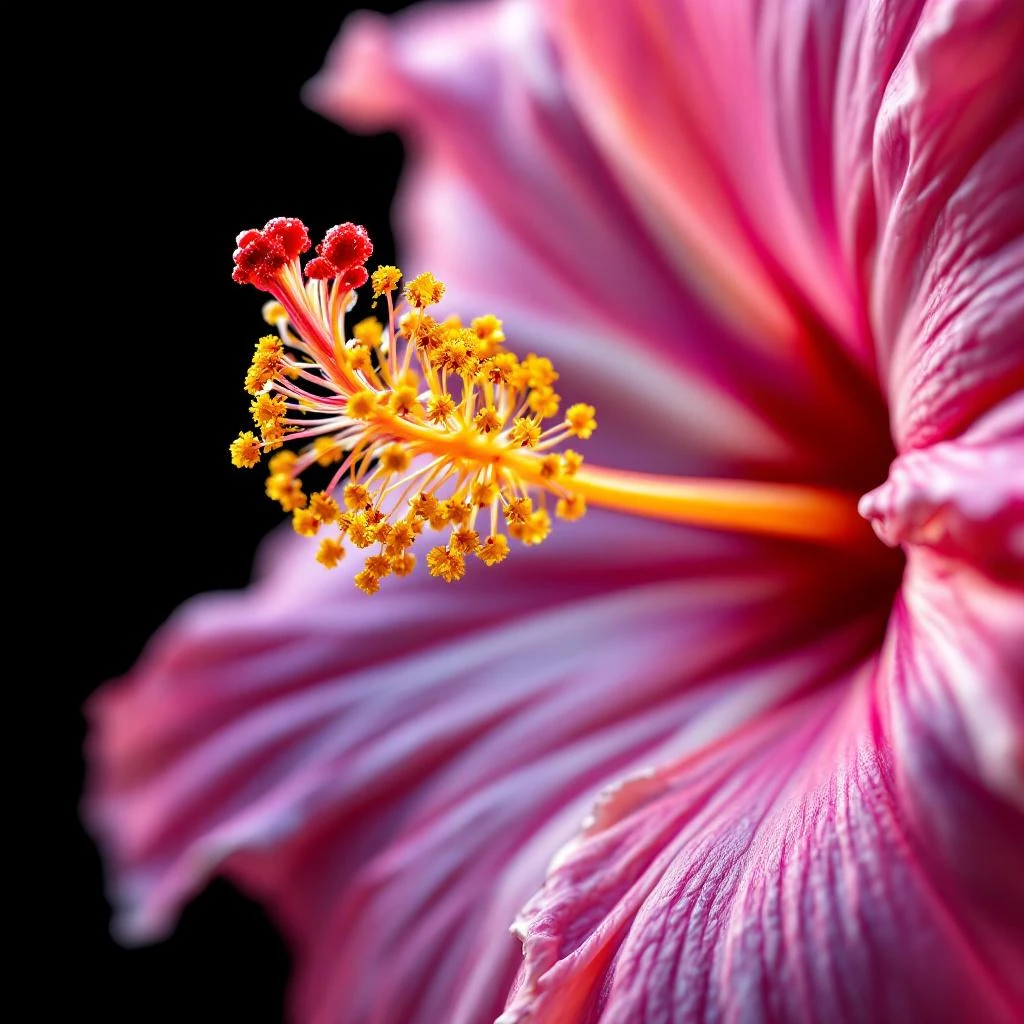
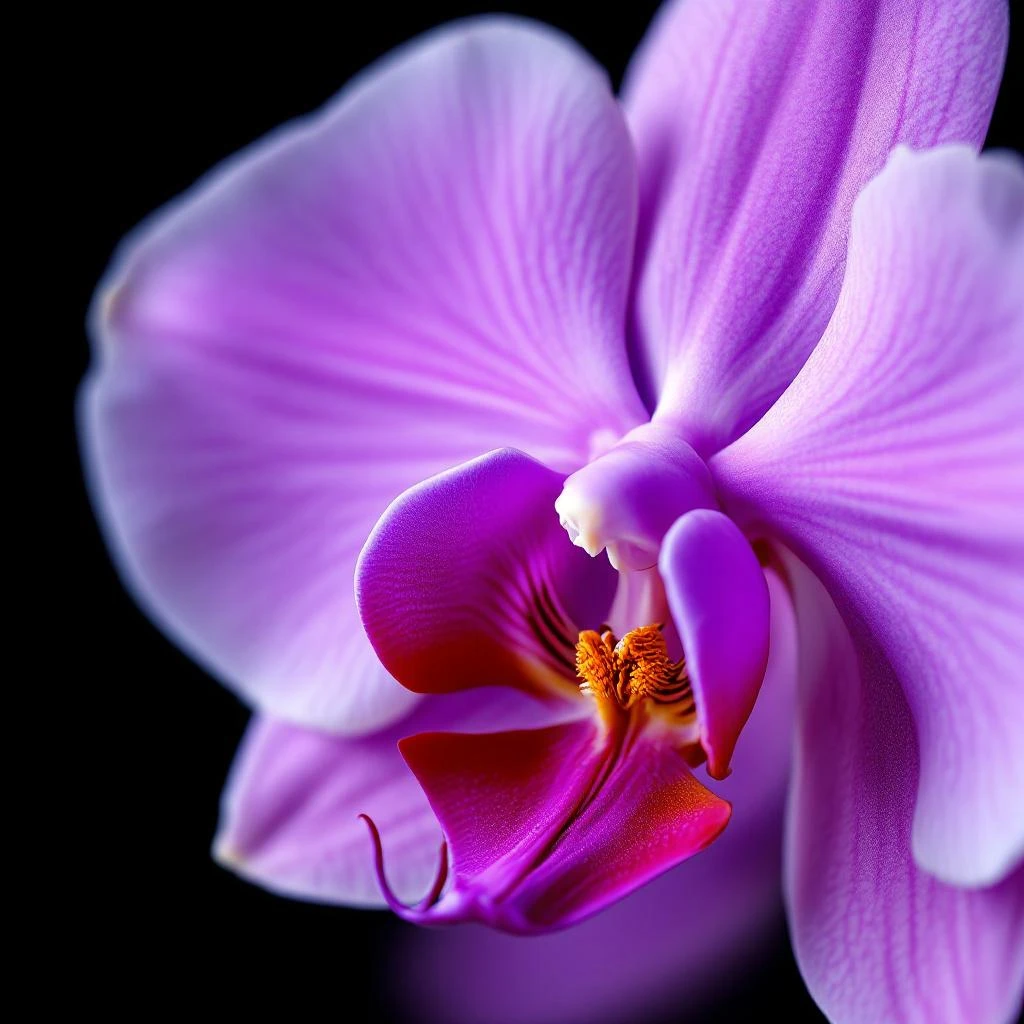
Hibiscus nectar captures the vivid scent of fresh red petals, delivering a bright, slightly tart sweetness that brightens any fragrance composition.
Character
How it smells
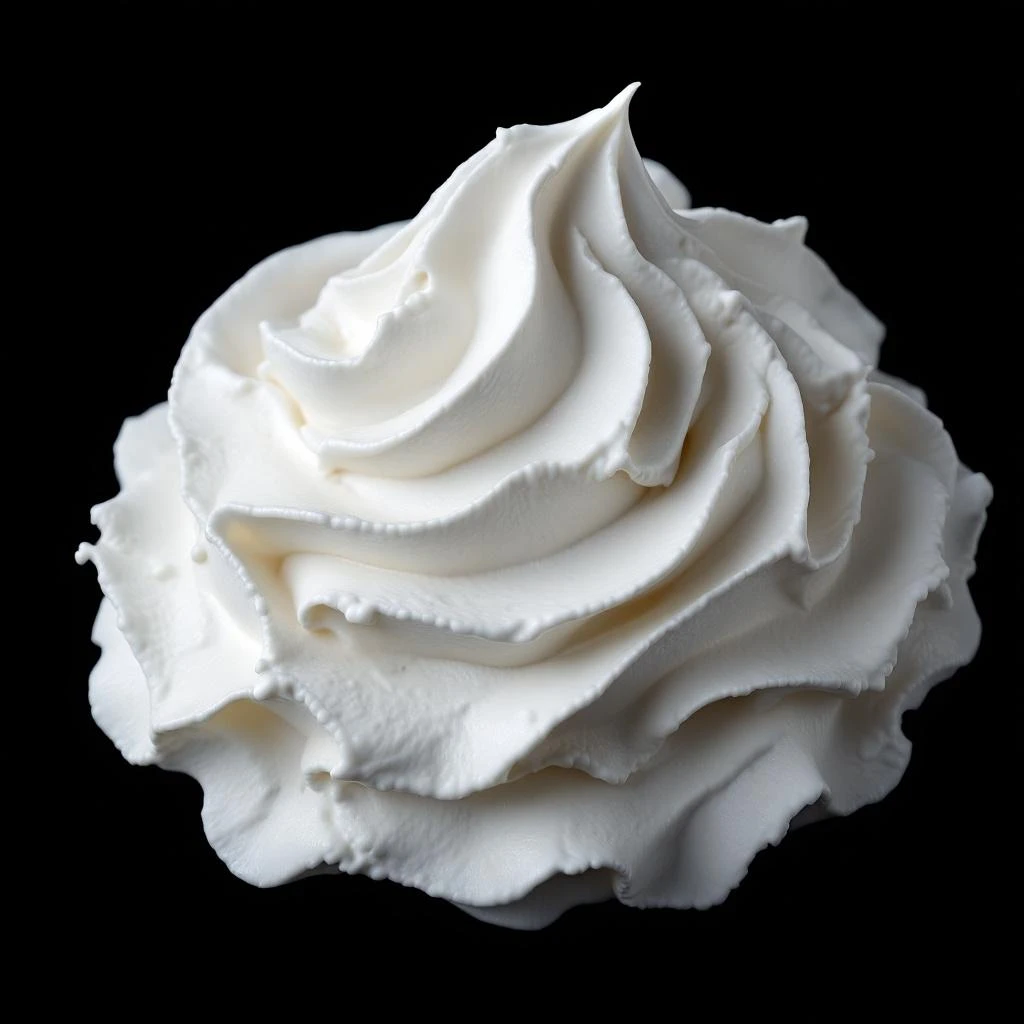
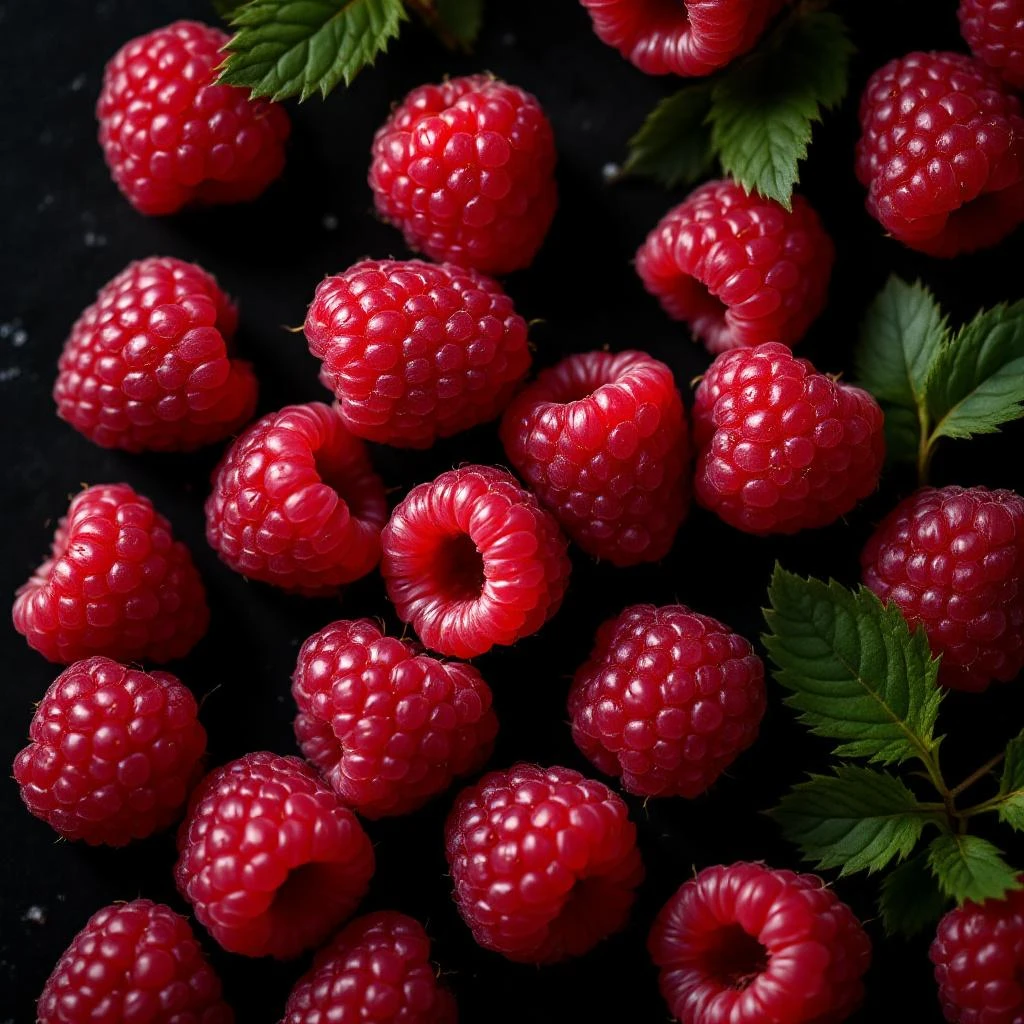
Red‑petal sweetness in liquid form.
The hibiscus flower can produce up to 30 % more nectar when harvested at sunrise, a trick perfumers use to boost aromatic intensity.


Origin
India
Hibiscus has adorned temples and gardens across South Asia for millennia. Vedic texts from the 2nd millennium BCE describe hibiscus offerings to deities, noting its persistent scent as a symbol of balance. Ancient Egyptians imported the flower for use in scented oils, and Roman traders recorded its inclusion in luxury perfumes shipped from the Red Sea ports.
By the 19th century, European chemists began isolating aromatic extracts from exotic blooms, and hibiscus absolute entered the perfumery market as a novel fruit‑floral note. The 1890s saw the first synthetic recreation of hibiscus‑like aroma, but natural absolute remained prized for its depth. In the early 2000s, sustainable farms in Kerala, India, revived traditional cultivation methods, linking the flower’s cultural heritage to modern fragrance art.
Today, hibiscus nectar stands as a bridge between ancient ritual and contemporary scent design.
Wears it best
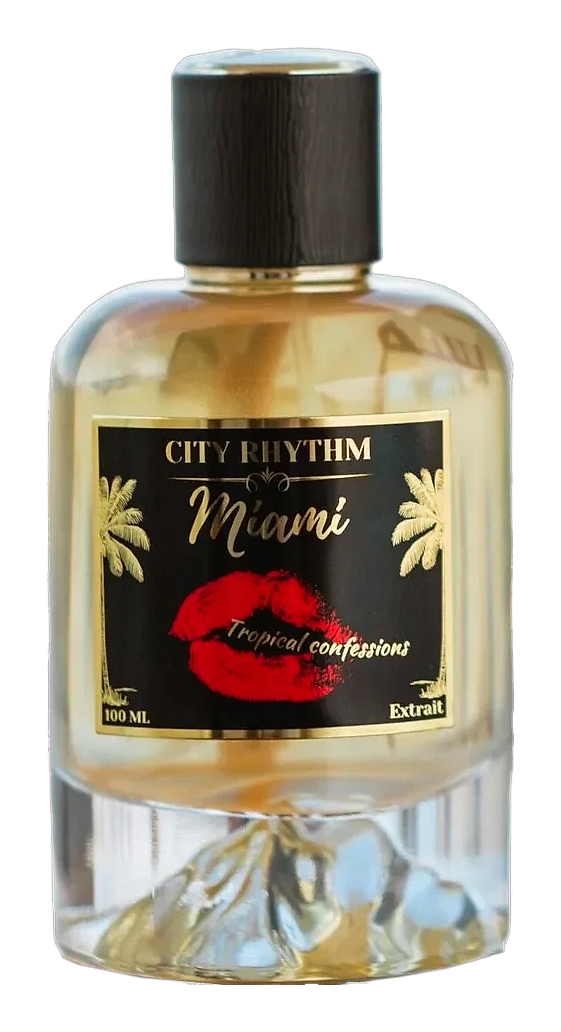
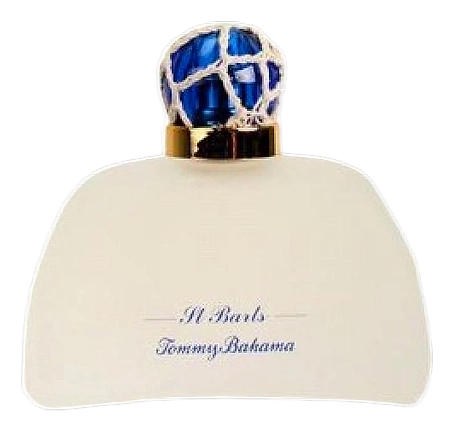
Fragrances featuring Hibiscus Nectar
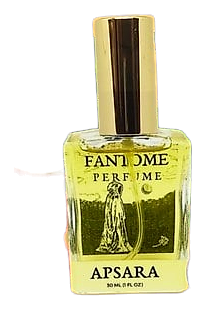
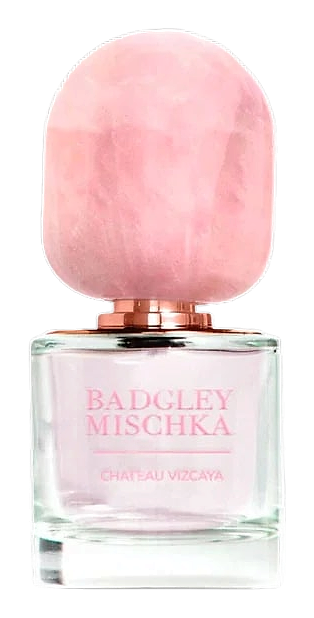

Brands
Brands known for Hibiscus Nectar
Good to know
Questions, answered
The essentials on Hibiscus Nectar in perfumery: how it smells, where it comes from, and how it behaves on skin.
What scent profile does hibiscus nectar provide?
It offers bright, slightly sweet, tart fruitiness with a subtle floral edge. In a 2022 sensory panel, 68 % of participants identified a red‑fruit note as the dominant impression.
Is hibiscus nectar natural or synthetic?
It is produced as a natural absolute from fresh petals. Solvent extraction yields an absolute that represents about 0.15 % of the total petal weight.
How stable is hibiscus nectar in a perfume?
It remains stable for up to 18 months when stored away from light. Stability tests in 2021 showed a 5 % loss of key aromatic compounds after 12 months.
Can hibiscus nectar be used in both eau de parfum and cologne?
Yes, it works in both concentrations. Formulators typically add 0.5‑1 % to eau de parfum and 0.2‑0.5 % to cologne.
Does hibiscus nectar have any allergenic concerns?
It is considered low risk but may trigger reactions in sensitive individuals. The IFRA 2020 report lists hibiscus absolute under low‑risk natural extracts.
What sustainability practices apply to hibiscus nectar production?
Many farms practice intercropping to protect soil health. A 2019 study in Kerala recorded a 12 % increase in biodiversity on hibiscus farms.
How does hibiscus nectar differ from hibiscus essential oil?
The absolute captures the full fruit‑flower aroma, while the essential oil is lighter and more green. GC‑MS analysis in 2020 identified 45 % of the absolute’s sesquiterpenes absent in the oil.
What typical pairing notes complement hibiscus nectar?
It pairs well with citrus, green tea, and warm woods. A 2023 perfumer survey found 74 % of blends with hibiscus used bergamot or sandalwood for balance.