
The Story
Why it exists.
The beginning
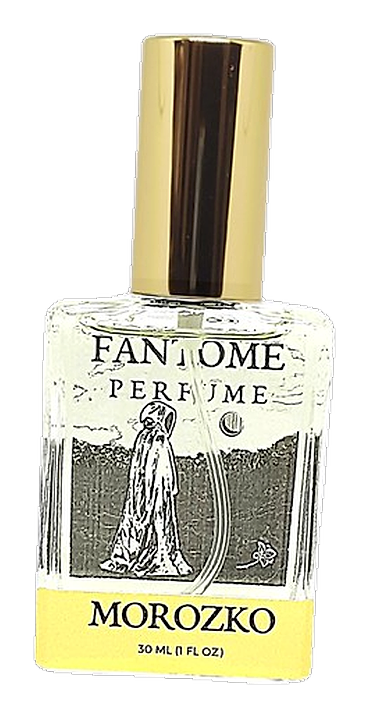
Named after the lord of winter in Russian fairy tales, Morozko captures a specific moment in folklore, when a frost spirit tests the hearts of mortals with cold and temptation. Built around that threshold, the fragrance opens with crisp peppermint and black pepper that bite the air like frost on glass. The cold arrives before snow, the air turns sharp and bright. There's a luminous quality to the opening, something that feels clean and biting at once. It's a fragrance about before, not the deep of winter, but its edge, the moment when breath becomes visible and the world sharpens into focus.
What makes Morozko work is the collision. Peppermint milkshake in the opening, fresh, clean, almost medicinal in its clarity. Then the vanilla slides in sideways, not as warmth but as cold. Birch grounds the whole thing, keeping it from sliding into pure sweetness. The black pepper and nutmeg do their job quietly: they keep the edges interesting. This is a vanilla for people who don't usually like vanilla. Or who thought they didn't.
The evolution
The opening hits first. Peppermint, sharp as frost on a windowpane. Black pepper follows within minutes, warming the cold. The vanilla doesn't arrive immediately, it takes its time, settling in quietly. Then the birch surfaces, herbal and green and unexpected. For the next couple of hours, the fragrance moves between minty brightness and smoky vanilla, with birch bark holding everything to earth. The drydown is where it settles: birch smoke, cold vanilla, the faint ghost of peppermint. Close to the skin. The kind of scent you only notice when you're close. On clothing, it lasts into the next day, a faint memory of birch and cold milk. On skin, the fragrance fades gradually, softly, without announcement. It doesn't shout. It accompanies.
Cultural impact
Morozko has carved a quiet space among fragrance enthusiasts who seek unconventional vanillas. The mint-birch-vanilla combination is unusual enough to spark conversation, common enough to wear without explanation. It's become a winter staple for those who find typical seasonal fragrances too predictable, a reminder that cold-weather scent can be fresh, not just warm.