Peppermint
Peppermint delivers a sharp, menthol-laden blast that cools the air around it. In perfumery, this hybrid mint brings an instant freshness and a clean, almost pharmaceutical edge to fougère, aromatic, and sporty compositions.
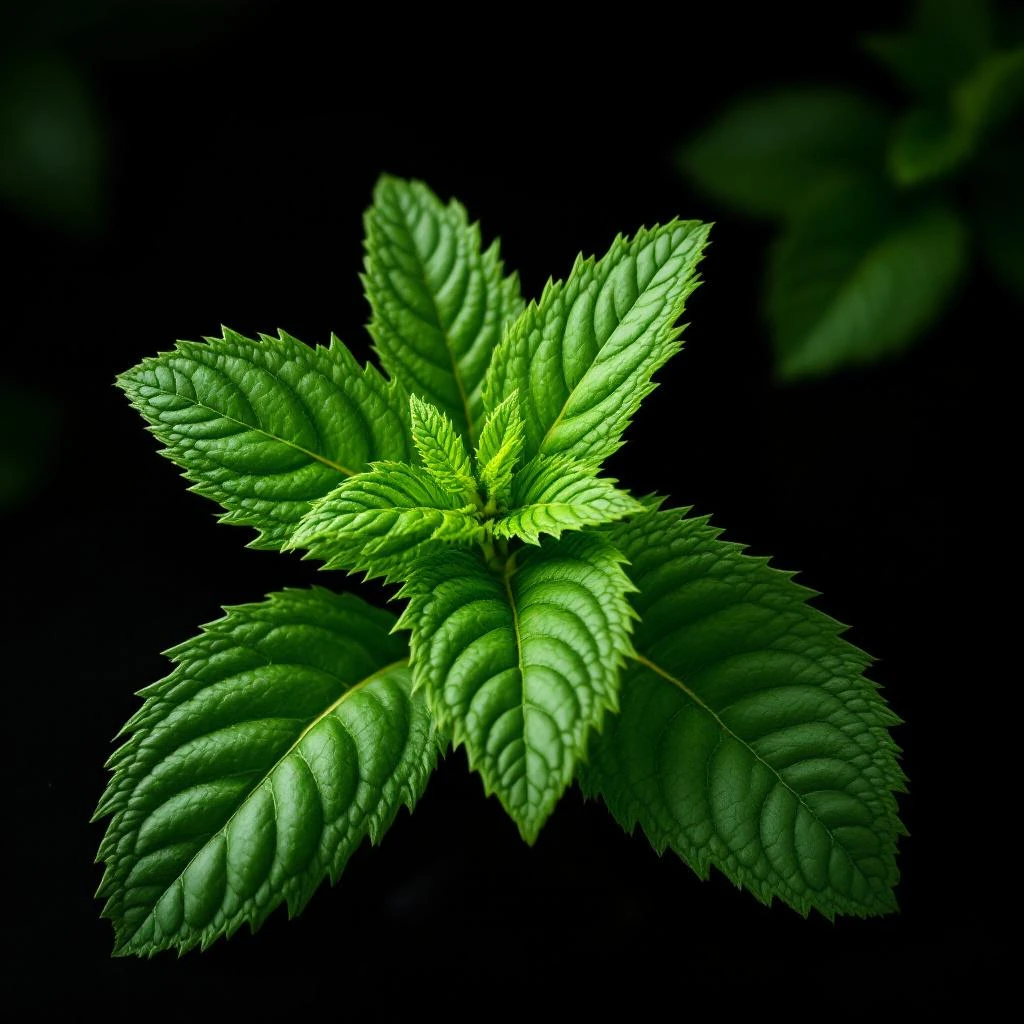
Character
How it smells
Cool, sharp, unmistakable.
Mentha piperita is a natural hybrid of watermint and spearmint, and it does not produce viable seeds. Every peppermint plant on earth has been propagated by cutting.








Origin
United Kingdom
Peppermint emerged as a natural hybrid in Europe around the late seventeenth century, recorded in English herbals by 1696. Its wild parents, watermint and spearmint, had been used medicinally for centuries before that. Ancient Egyptians valued mint for its aroma, and the Greek physician Dioscorides described peppermint's predecessors in De Materia Medica around 50 CE.
By the Middle Ages, monks cultivated mint species in monastery gardens across Europe for digestive remedies. Peppermint oil entered commercial production in the mid-1800s, first in England and later in the American states of Oregon and Washington, where the volcanic soils and cool climate proved ideal. In perfumery, the ingredient gained traction in nineteenth-century cologne-style formulations before becoming a staple of masculine and sport fragrances in the twentieth century.
Its association with cleanliness and vitality has kept it relevant in everything from aftershaves to modern fresh compositions.
Wears it best
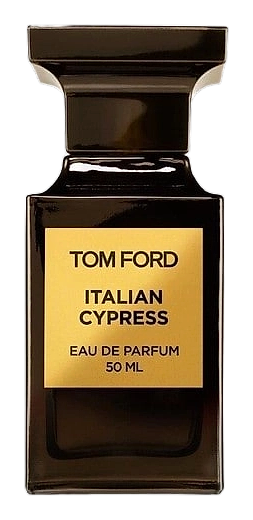
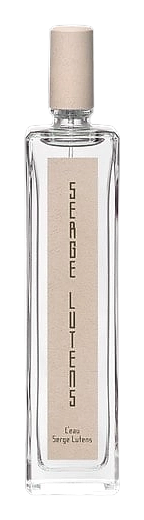
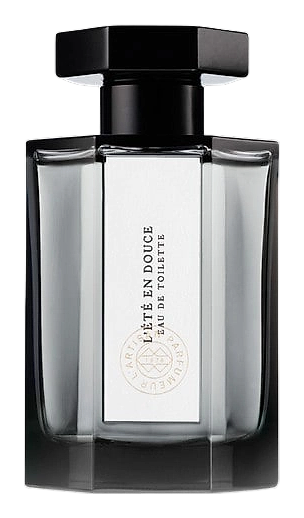
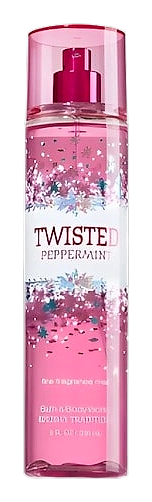
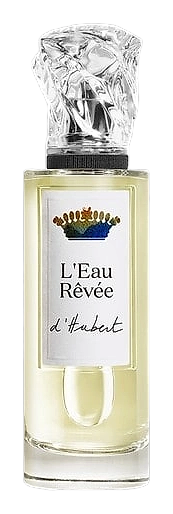
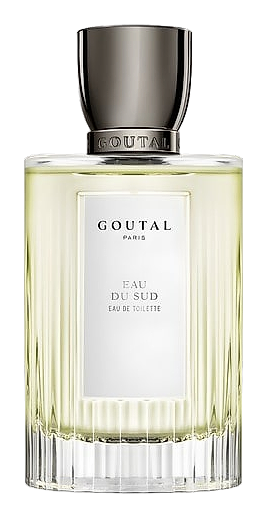
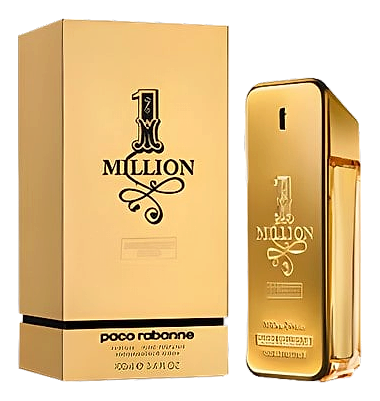
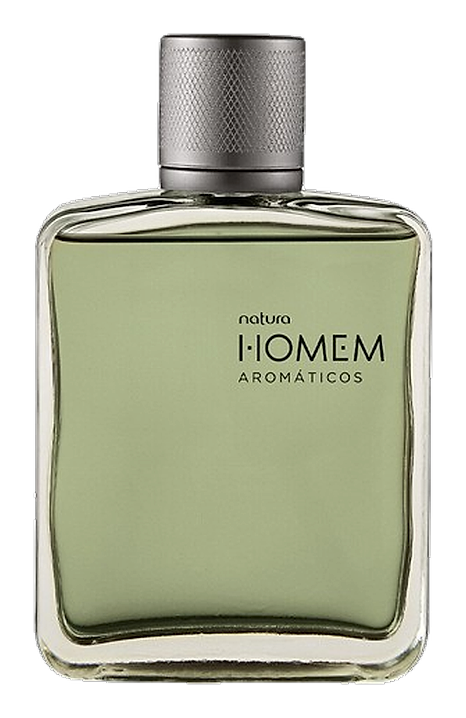
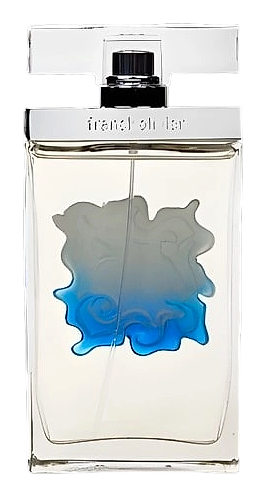
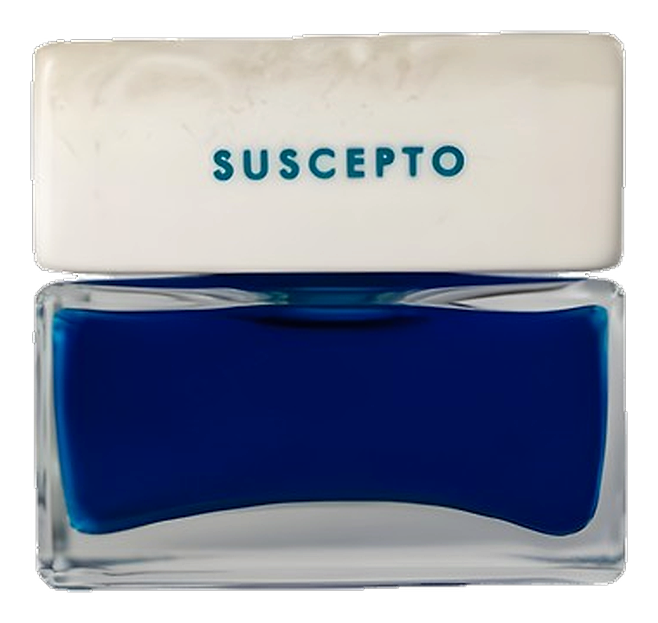
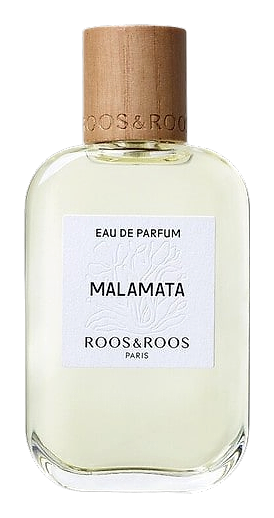
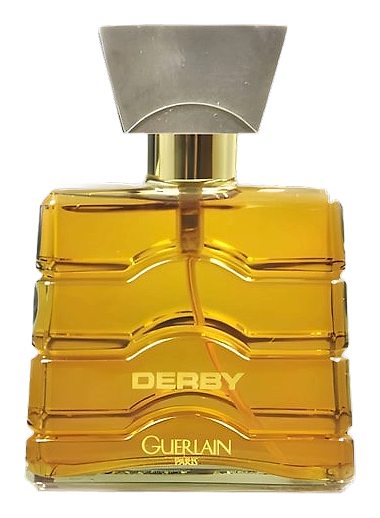
Fragrances featuring Peppermint
Brands
Brands known for Peppermint
Good to know
Questions, answered
The essentials on Peppermint in perfumery: how it smells, where it comes from, and how it behaves on skin.
What does peppermint smell like in a fragrance?
Peppermint smells sharp, cool, and intensely mentholated, like crushed fresh leaves with a clean green undertone. It registers as cold on the skin even at room temperature due to menthol's activation of cold-sensitive receptors.
Is peppermint a natural or synthetic ingredient in perfumery?
Peppermint is predominantly natural, obtained by steam distillation of Mentha piperita. Synthetic l-menthol is sometimes used as a cost-effective alternative, particularly in functional products like oral care.
Where is most peppermint oil produced today?
India leads global peppermint oil output, followed by the United States. The Pacific Northwest states of Oregon and Washington account for the majority of US production thanks to volcanic soils and cool temperatures.
What fragrance families use peppermint?
Peppermint appears most often in fougère, aromatic, and sport fragrances. It also features in herbal colognes and unisex fresh compositions where a crisp, clean top note is desired.
How does peppermint differ from spearmint in perfumery?
Peppermint contains high menthol levels, producing a sharp, cooling sensation. Spearmint is dominated by carvone, giving it a sweeter, softer, and less intense profile with minimal cooling effect.
Can peppermint oil trigger skin sensitivity?
Peppermint oil can cause irritation in higher concentrations, particularly on sensitive skin. Most fine fragrances use it at low levels, typically below one percent of the total composition, to balance aroma and safety.
How long does the peppermint note last in a perfume?
Peppermint is a top note, meaning it evaporates within the first 15 to 30 minutes after application. Its freshness opens a composition but rarely persists into the drydown phase.
Is peppermint safe for people with mint allergies?
Individuals with sensitivities to menthol or other Lamiaceae family plants should avoid peppermint-based fragrances. Cross-reactivity with spearmint and other mint species is common among those with documented allergies.