
The Story
Why it exists.
The beginning
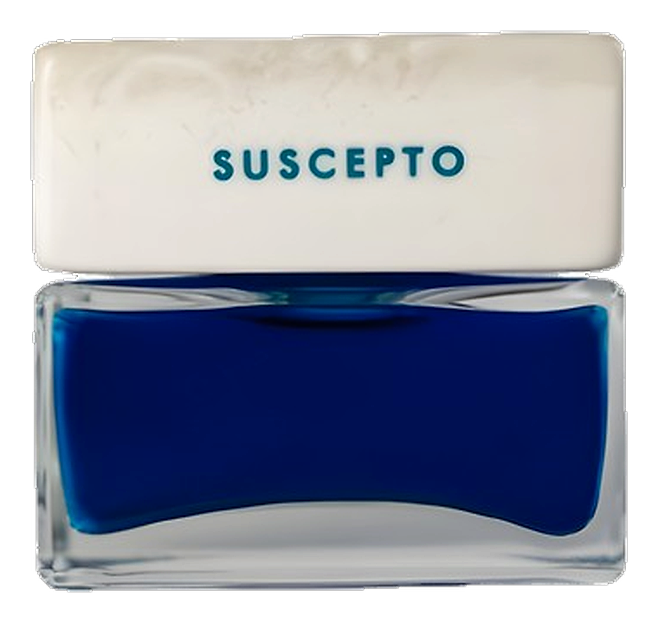
Spiritica's Suscepto draws its name from the sacred island of Tinos in the Aegean Sea, one of Greece's most important Orthodox pilgrimage destinations. Here, believers travel on their knees to a monastery perched on a hill, leaving votive offerings beneath the silver ticking of wind-moved metal. The air carries eucalyptus from groves that blanket the island. The interior spaces smell of beeswax candles burning alongside clouds of frankincense. Muratori Caputo, the perfumer behind Spiritica, composed Suscepto as a wearable translation of that atmosphere. The name itself carries weight: ex voto suscepto is a Latin phrase for the undertaking of a sacred promise, a vow made in exchange for a miracle received. The fragrance becomes that offering.
What makes Suscepto distinctive within Spiritica's narrative-driven catalog is its structural tension: Aegean freshness against sacred warmth. Most aromatic-aquatic fragrances commit fully to the cool side. This one opens with eucalyptus and ozonic maritime notes, clean, herbal, Mediterranean, and then deliberately warms into beeswax, honey, and frankincense smoke. The Damask rose in the heart is unexpected: it lends a subtle sweetness that prevents austerity without making the fragrance conventionally feminine. The metallic note, present in both heart and base, references the votive offerings left at the monastery, silver and iron tokens suspended by warm Aegean wind.
The evolution
The opening hits like a breath of cool air over warm stone. Eucalyptus arrives sharp and almost medicinal, not synthetic camphor, but the real green clarity of the leaf. Bergamot adds a citrus lift, peppermint provides an unexpected kick, and the ozonic-sea breeze notes create an immediate sense of openness and movement. For the first ten to fifteen minutes, this is an aromatic-aquatic that announces itself confidently. The transition to the heart is gradual and deliberate. The eucalyptus softens, becoming more herbal and less sharp. Frankincense rises, its smoke reading almost liturgical, weaving through the composition like incense at prayer. The Damask rose doesn't announce itself loudly, it lingers quietly, threading sweetness through the incense. The metallic note that emerges in the heart references the votive offerings: coins and metal tokens left at sacred sites. Some find it bracing; others find it haunting. It adds an element of the uncanny, the paranormal undercurrent the brand references. The drydown settles into something quieter and more personal.
Cultural impact
Suscepto arrived in 2024 as part of Spiritica's Illuminata Collection, building on the brand's narrative-driven approach with a fragrance rooted in the sacred geography of Tinos, Greece. Where most niche aquatic fragrances lean toward novelty or safe freshness, Suscepto committed to an unusual structural tension: it opens with Aegean clarity and cools down deliberately into sacred warmth. The metallic-votive note in the heart has generated discussion, some find it haunting, others find it bracing, which aligns with Spiritica's broader philosophy of creating fragrances that challenge as much as they invite.
The House
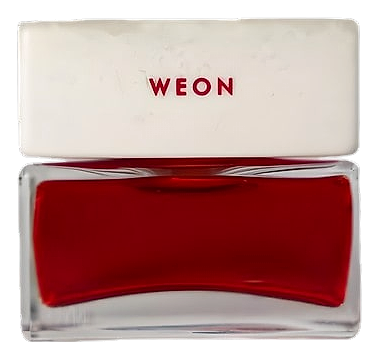
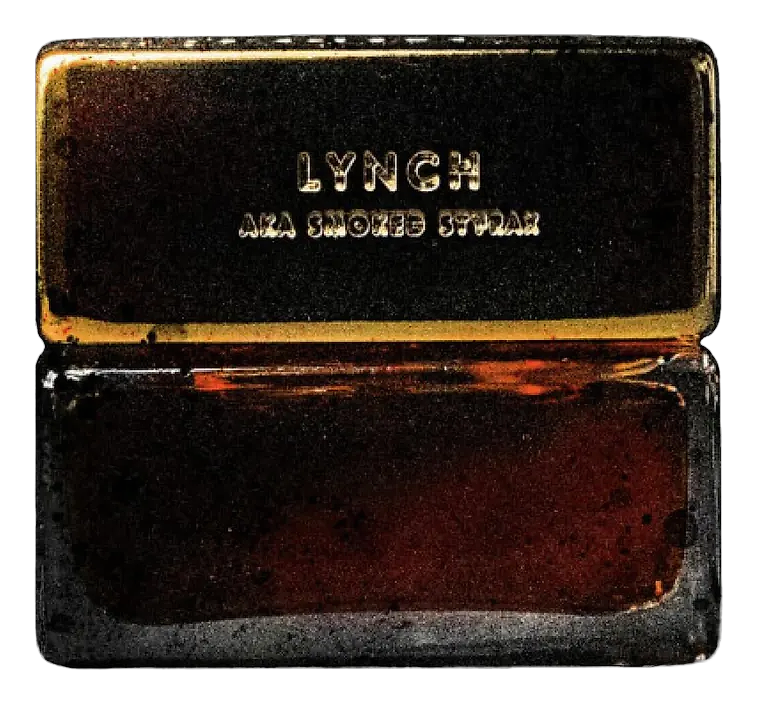
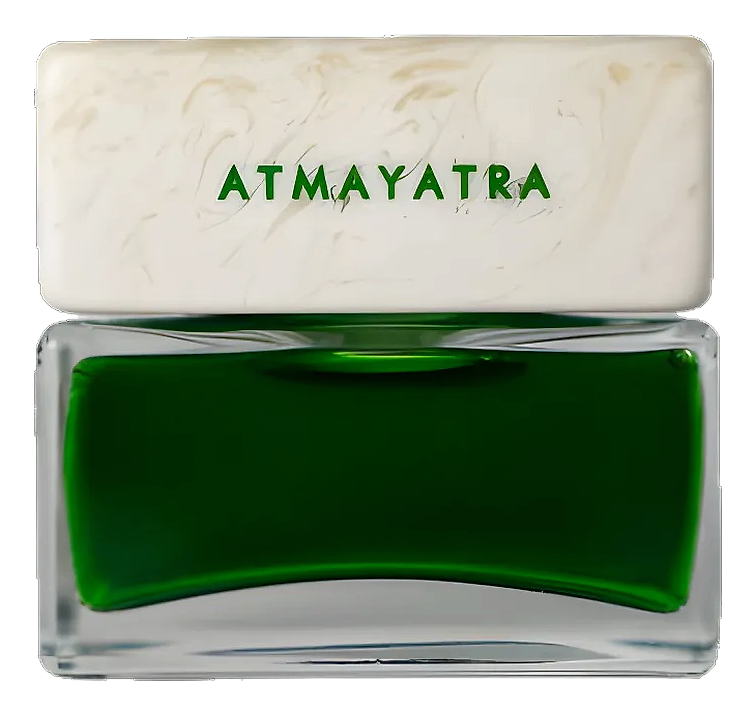
SpiriticaSpiritica is an Italian niche fragrance house founded by Daniele Muratori Caputo, a professionally trained baritone who transitioned into perfumery. Established in 2023, the house operates from Milan and has positioned itself as a conceptual fragrance brand with an unconventional approach to scent creation. Muratori Caputo draws on his musical background to compose fragrances he describes as narratives rather than simple perfumes. The house is perhaps best known for provocative work including Jeffrey, a fragrance that sparked debate about the boundaries between artistic expression and exploitation. Spiritica has released multiple collections including the Crime Collection and continues to release fragrances under names like LYNCH, Suscepto, Atmayatra, and Weon.
The Creator
Daniele Muratori CaputoSmoke and styrax define much of his signature, though his range extends far beyond these pillars. He favors materials with narrative history: resins, woods, animalic notes that carry cultural memory.