Indonesian Vanilla
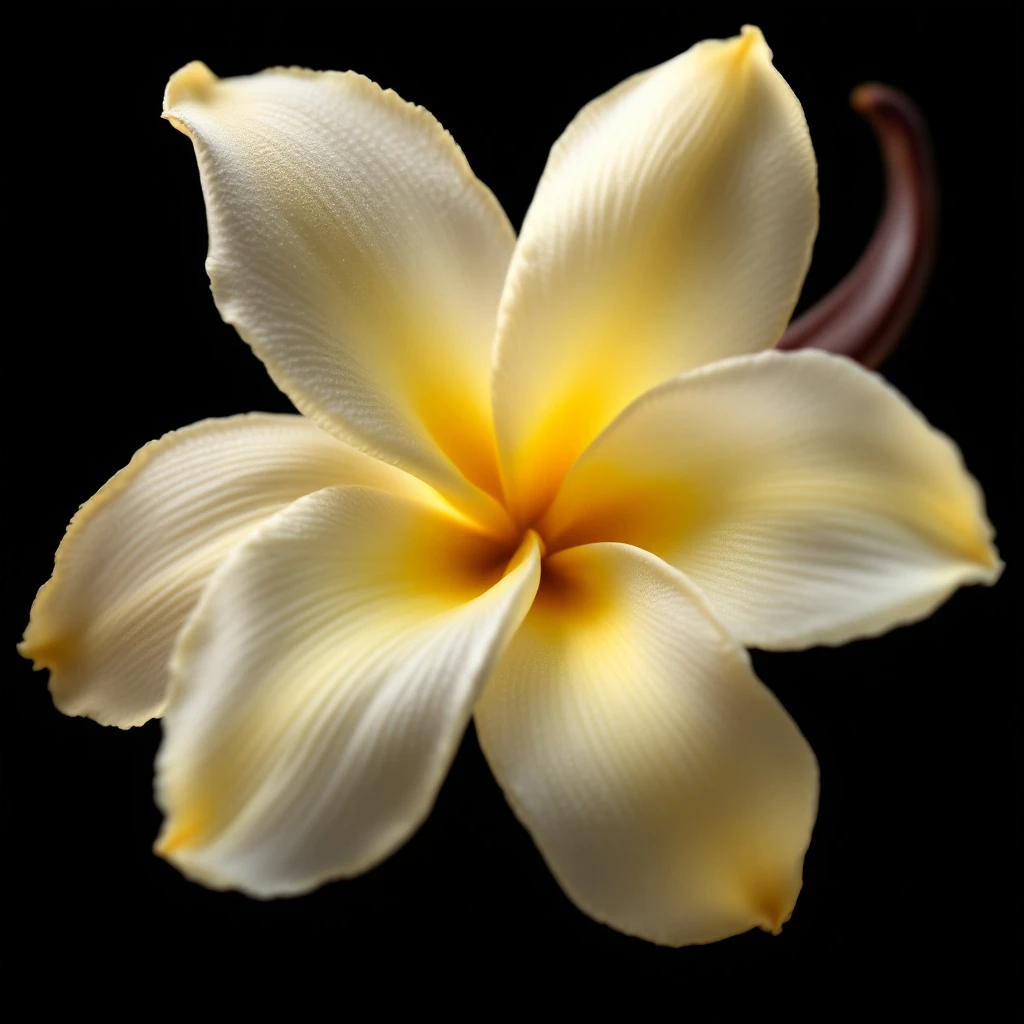
Grown in Java's volcanic soils, Indonesian vanilla yields a dark, intensely aromatic bean prized in fine perfumery. Its complex profile brings warm, sweet depth that anchors oriental and gourmand creations. Centuries of cultivation expertise shape every pod.
Character
How it smells
Volcanic soils, centuries of expertise, one exceptional bean.
Each vanilla flower must be hand-pollinated because the orchid's native Mexican bee pollinator does not exist elsewhere.





Origin
Indonesia
Vanilla traces its roots to Mexico, where indigenous Totonac peoples first cultivated the orchid, assigning it sacred and culinary value. Following the Spanish conquest in 1520, Spain controlled vanilla trade and agricultural knowledge for three centuries, doling out access carefully to European markets. The Dutch colonial government introduced the plant to the Dutch East Indies in 1819, planting early crops in Java.
For decades, cultivation remained impractical elsewhere because the Mexican bee responsible for natural pollination did not exist outside Mesoamerica. Everything changed in 1841 when Edmond Albius, a twelve-year-old enslaved boy on Réunion Island, devised the hand-pollination technique that opened global vanilla cultivation. Indonesia's volcanic islands provided ideal growing conditions, and farmers adopted Albius method generations ago.
Today, Indonesia ranks among the world's largest vanilla producers, with Java, Papua, and Bali as primary growing regions. The spice occupies cultural and economic significance across these islands, woven into local traditions and export economies for over two centuries.
Wears it best
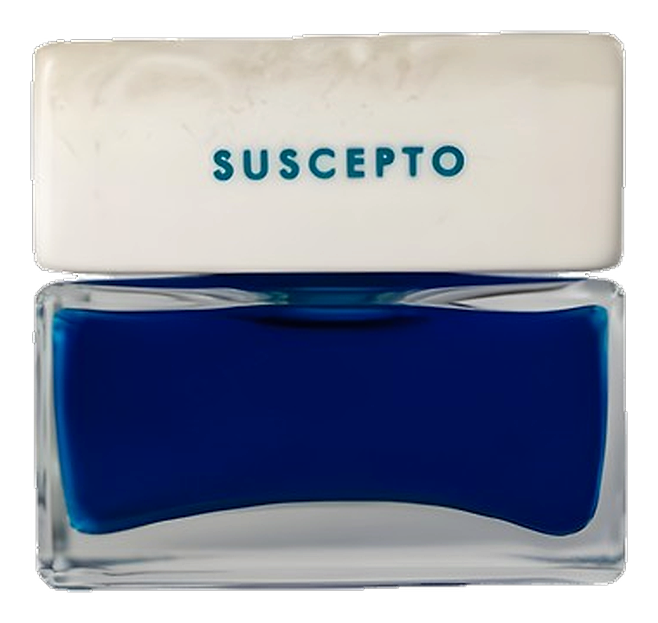
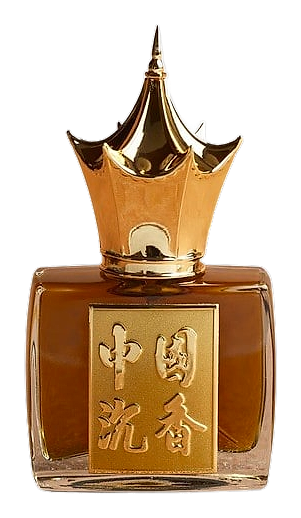
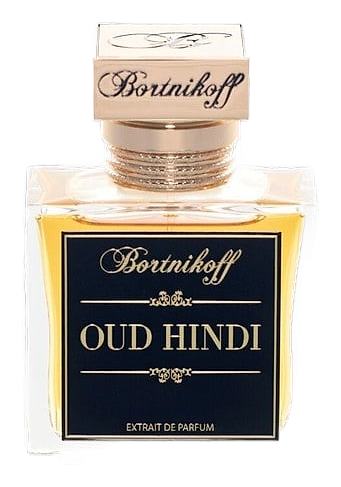
Fragrances featuring Indonesian Vanilla
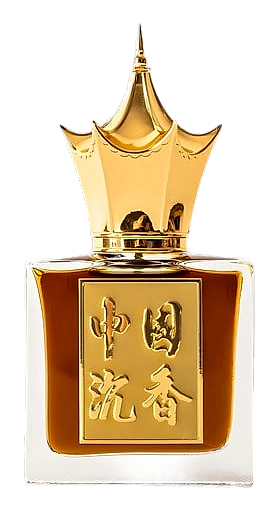
Brands
Brands known for Indonesian Vanilla
Good to know
Questions, answered
The essentials on Indonesian Vanilla in perfumery: how it smells, where it comes from, and how it behaves on skin.
What makes Indonesian vanilla distinct in perfumery?
Indonesian vanilla offers a darker, richer, and more complex aromatic profile compared to Madagascar varieties. The volcanic soil composition and extended curing practices develop deeper balsamic notes with less vanillin sharpness, imparting warmth and sensuality that perfumers seek for oriental and gourmand compositions.
Why does vanilla require hand-pollination?
Vanilla orchids have a structural barrier that prevents self-pollination. In Mexico, a specific native bee performs this function. Elsewhere, flower anatomy requires human intervention. Edmond Albius devised the hand-pollination technique in 1841. Without this discovery, commercial vanilla cultivation outside Mexico would remain impossible.
How long does Indonesian vanilla production take?
From pollinating the flower to market-ready cured beans, the process spans eighteen to twenty-four months. Pods require nine to ten months to mature after flowering, followed by five to six months of traditional curing. This extended timeline reflects why quality vanilla commands premium pricing.
Which countries currently lead global vanilla production?
Madagascar remains the largest producer. Indonesia ranks second or third depending on annual harvests, alongside Papua New Guinea and Uganda. Indonesia's exports supply a significant portion of global vanilla demand for both flavor and fragrance industries.
What aromatic compounds define vanilla's scent?
Vanillin constitutes the primary aromatic molecule, typically comprising about two percent of cured bean weight. However, researchers have identified over 250 additional volatile compounds in natural vanilla, including vanillic acid, phenolic compounds, and aldehydes. These minor constituents create the complex, multidimensional scent that synthetic vanillin cannot fully replicate.
How does synthetic vanillin compare to natural Indonesian vanilla?
Synthetic vanillin captures the primary note but lacks the hundreds of supporting aroma molecules present in natural vanilla. Natural Indonesian vanilla offers aromatic subtlety, warmth, and complexity that synthetic alternatives cannot match, justifying its continued preference in fine perfumery despite higher costs.
Is Indonesian vanilla sustainable for perfumery?
Vanilla cultivation supports rural livelihoods across Java, Papua, and Bali. However, volatile market prices and demanding labor requirements create sustainability pressures. Quality-focused producers increasingly adopt transparent sourcing practices and fair compensation standards, ensuring both ingredient quality and farmer welfare.