The Story
Why it exists.
The beginning
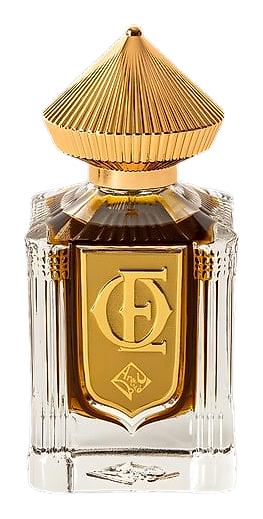
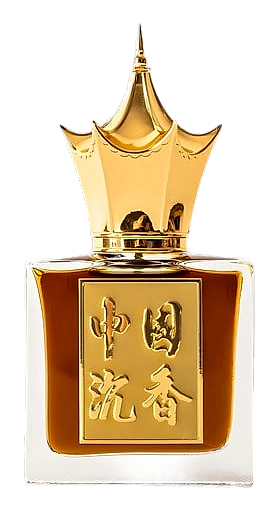
Chinese Oud II extends the house's foundational belief in oud as a tradition rather than a trend, framing wild Chinese oud oil from Hainan, sourced from a 2004 harvest, into a floriental structure that borrows from a classical vocabulary most houses only reference. This is the second chapter in a named series, which means there was a first, and it left a mark. The composition follows a deliberate internal logic, developed with the patience of a house that considers each release a continuation of an ongoing conversation rather than a response to commercial pressure.
What makes Chinese Oud II structurally interesting is the tension between its aldehydic opening and its precious heart. Aldehydes, so often used as a bridge, here do heavy lifting, creating a fizz and lift that keeps the florals from getting heavy. The oud from Hainan isn't the star in the traditional sense. It's the anchor. The florals grown and extracted in China ground the composition geographically in a way that most oud fragrances never attempt. This is specificity as philosophy, not just naming rights.
The evolution
The aldehydes hit first, bright, almost champagne-like, cutting through the citrus with an almost fizzy clarity. The sweet orange and bergamot support without overwhelming. Then the florals arrive together, not in sequence but in unison: gardenia, jasmine, and rose appearing like a quiet agreement. The oud announces itself slowly, first as warmth, then as depth. It doesn't compete with the florals. It hosts them. The drydown arrives with patchouli, Mysore sandalwood, and Indonesian vanilla. The oakmoss lingers longest, close to the skin, intimate, refusing to leave. Each stage of development reveals new facets, the florals softening while the oud deepens, the overall impression becoming more resinous and contemplative as time passes.
Cultural impact
Chinese Oud II presents Hainan agarwood harvested in 2004, treated with the reverence of aged materials and sourced through deliberate processes. The choice of aged Hainan agarwood underscores a philosophy of mature materials and careful sourcing that informs the house's broader approach to oud. Within the niche fragrance landscape, this release offers a presentation of Chinese heritage materials with notable specificity and cultural context, allowing the material to speak through its own identity rather than as a commodity shaped by passing trends.